Alkaline Water Filters in Australia: A Practical Guide
August 27, 20232 min read
Alkaline water filters are one of the most popular categories in home water filtration. Here’s a practical, no-hype guide to how they work and what to expect.
Alkaline water has a pH above 7 — typically 7.5–8.5 for filtered water systems. Standard tap water in Australia is typically pH 6.5–8.0 depending on the source. The difference in practice is subtle: alkaline water tastes slightly smoother and less flat than neutral or mildly acidic water.
How Alkaline Water Filters Create Alkalinity
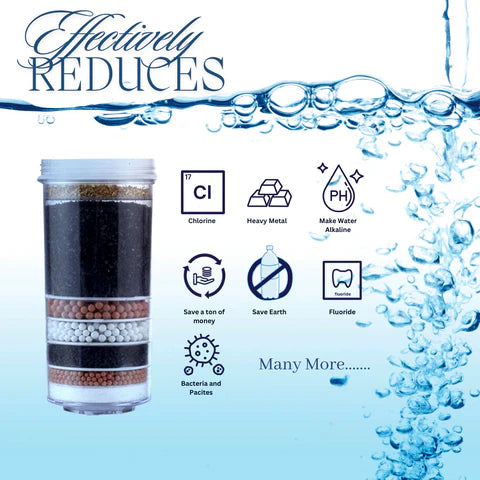
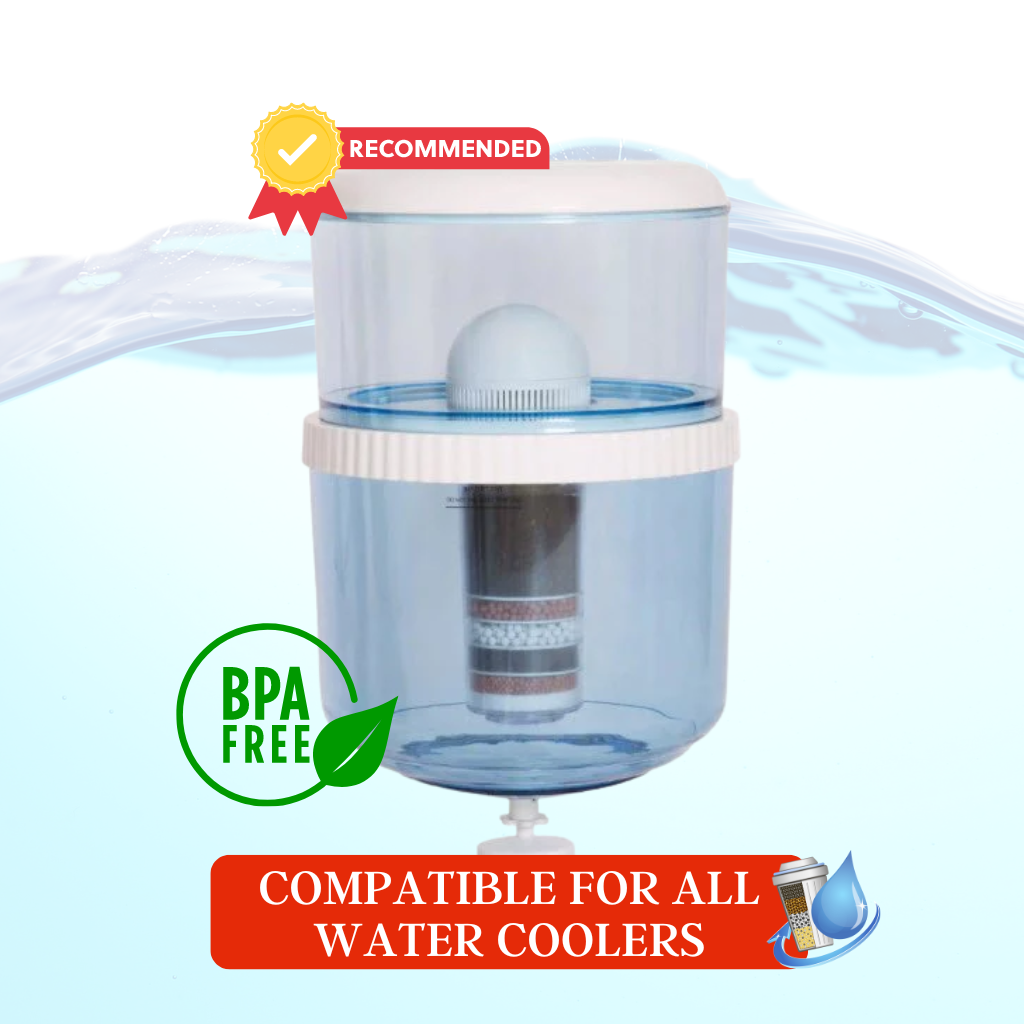
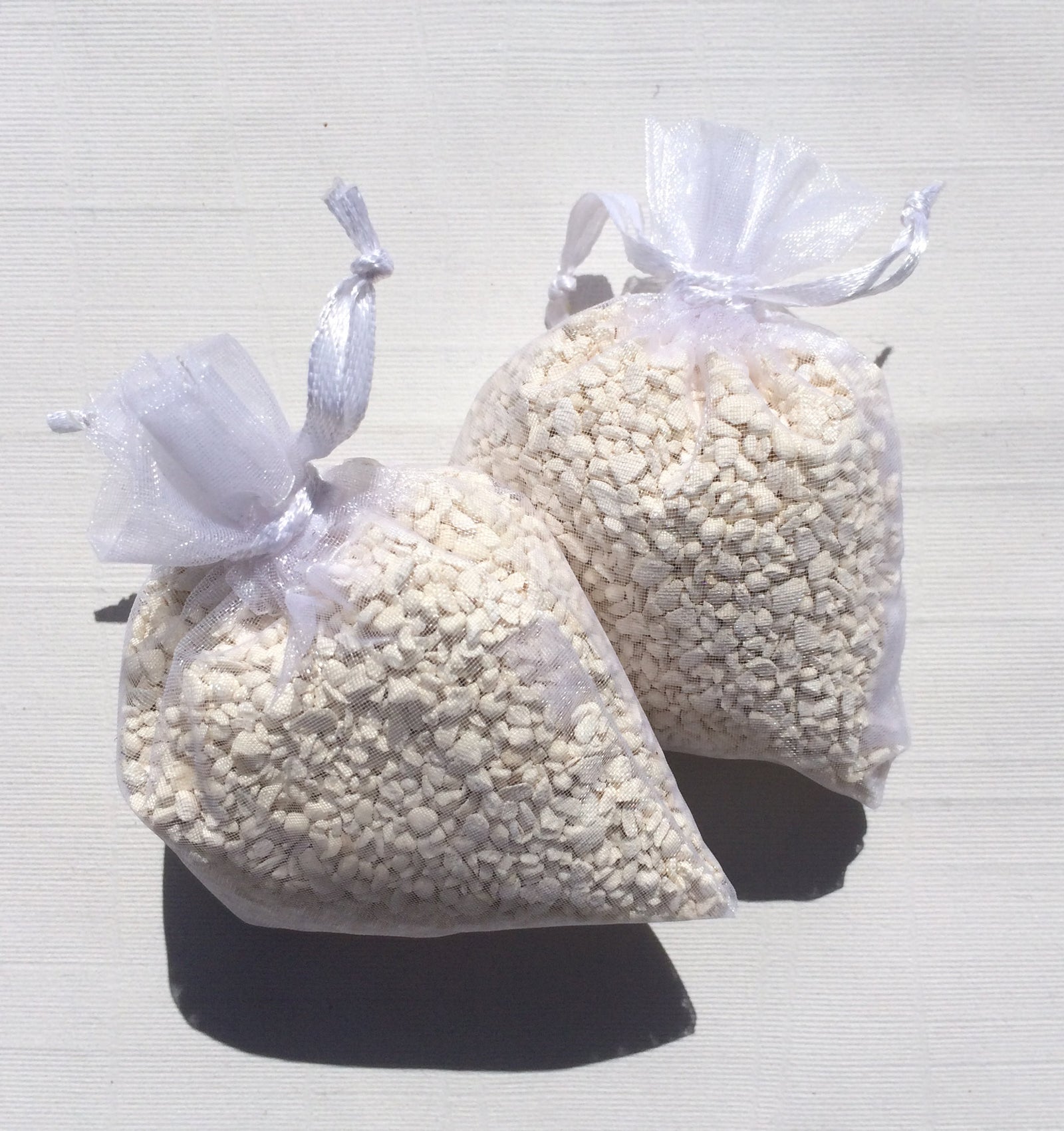
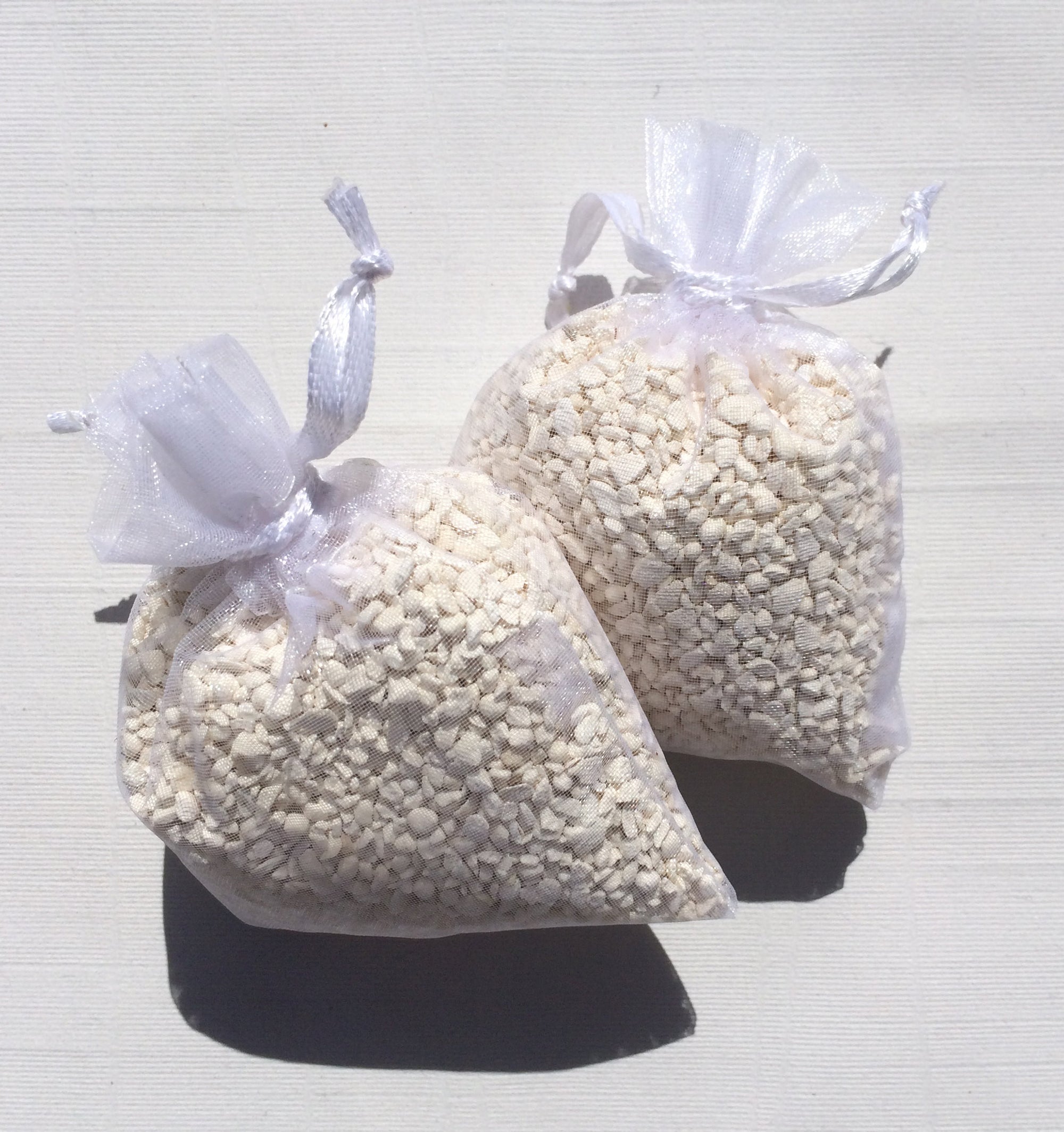
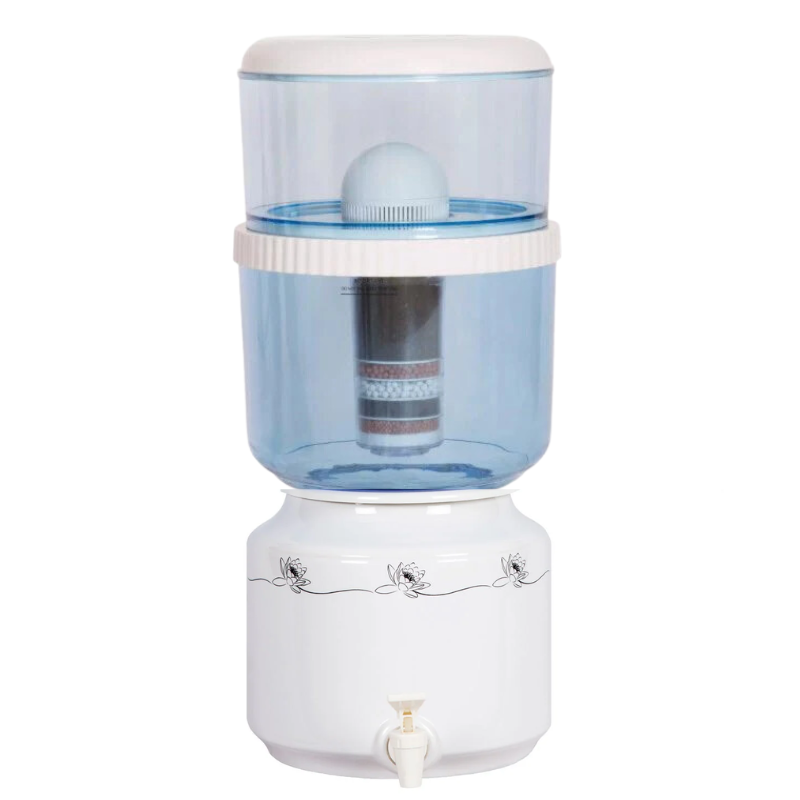
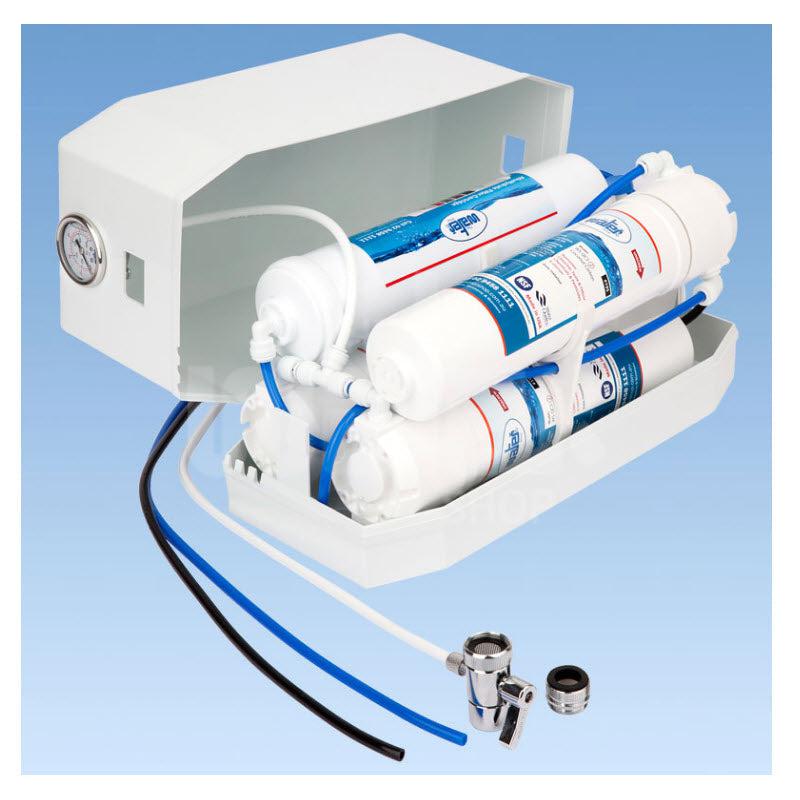
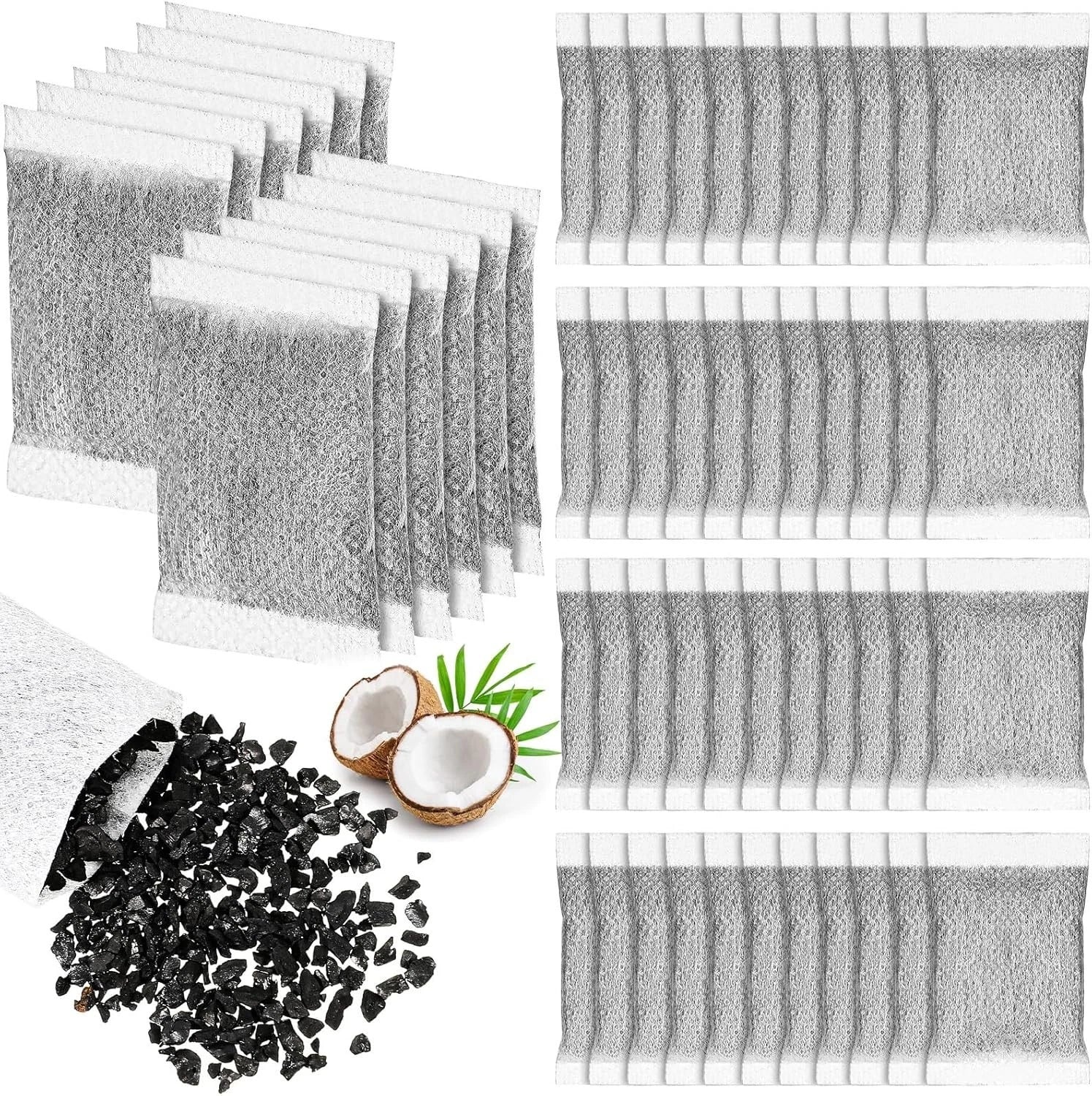
Mineral addition (most common): Water passes through mineral media — typically Maifan stones, Prill Beads, or ceramic balls containing calcium, magnesium, and potassium. These dissolve trace minerals into the water, raising pH naturally. This is the method used in our 8-stage KDF benchtop filter cartridges, which include Maifan stones and Prill Beads as dedicated alkalising stages.
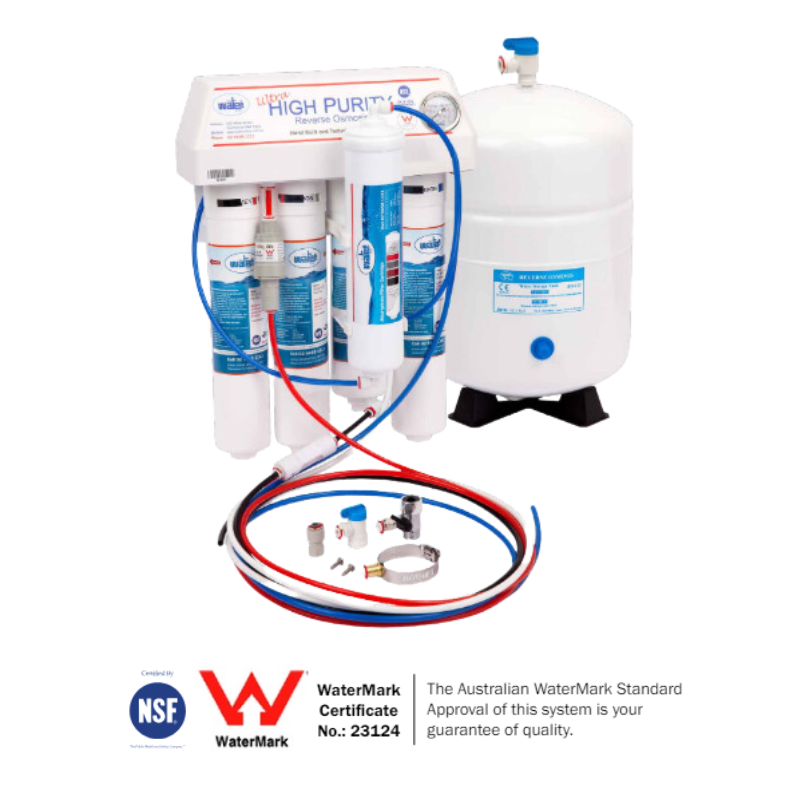
Remineralisation after RO: RO systems remove all dissolved minerals, producing mildly acidic water. A remineralisation stage after the RO membrane adds minerals back, raising pH to 7.5–8.5. See our RO systems with alkaline remineralisation.
Ionisation (water ionisers): Uses electrolysis to separate water into alkaline and acidic streams. More expensive and complex than mineral-based systems. Not our primary recommendation for most Australian households.
What the Evidence Actually Supports
The well-supported benefits of alkaline water are: improved taste (smoother, less flat), and the addition of beneficial minerals (calcium, magnesium). Claims about alkaline water “boosting immunity”, “detoxifying”, or providing dramatic health transformations are not supported by clinical evidence. Be sceptical of any product making these claims.
Does an Alkaline Filter Remove Fluoride?
No — standard alkaline filters (mineral addition) do not remove fluoride. For fluoride removal, you need an RO system or an activated alumina cartridge. See our Reverse Osmosis Guide or our fluoride removal cartridge range.
Alkaline Filter vs Reverse Osmosis: Which Is Right for You?
How often do I replace an alkaline filter cartridge?
Every 6–12 months for most benchtop systems. In hard water areas (Perth, Adelaide), replace at 6 months. Browse our replacement cartridge range.
Can I use an alkaline filter with bore or tank water?
For bore or tank water, test your water first — high sediment or bacteria may require a pre-filter or a more comprehensive system. Call us on 1800 789 781 for advice.
Subscribe
Sign up to get the latest on sales, new releases and more …