

















Water Distillers Australia
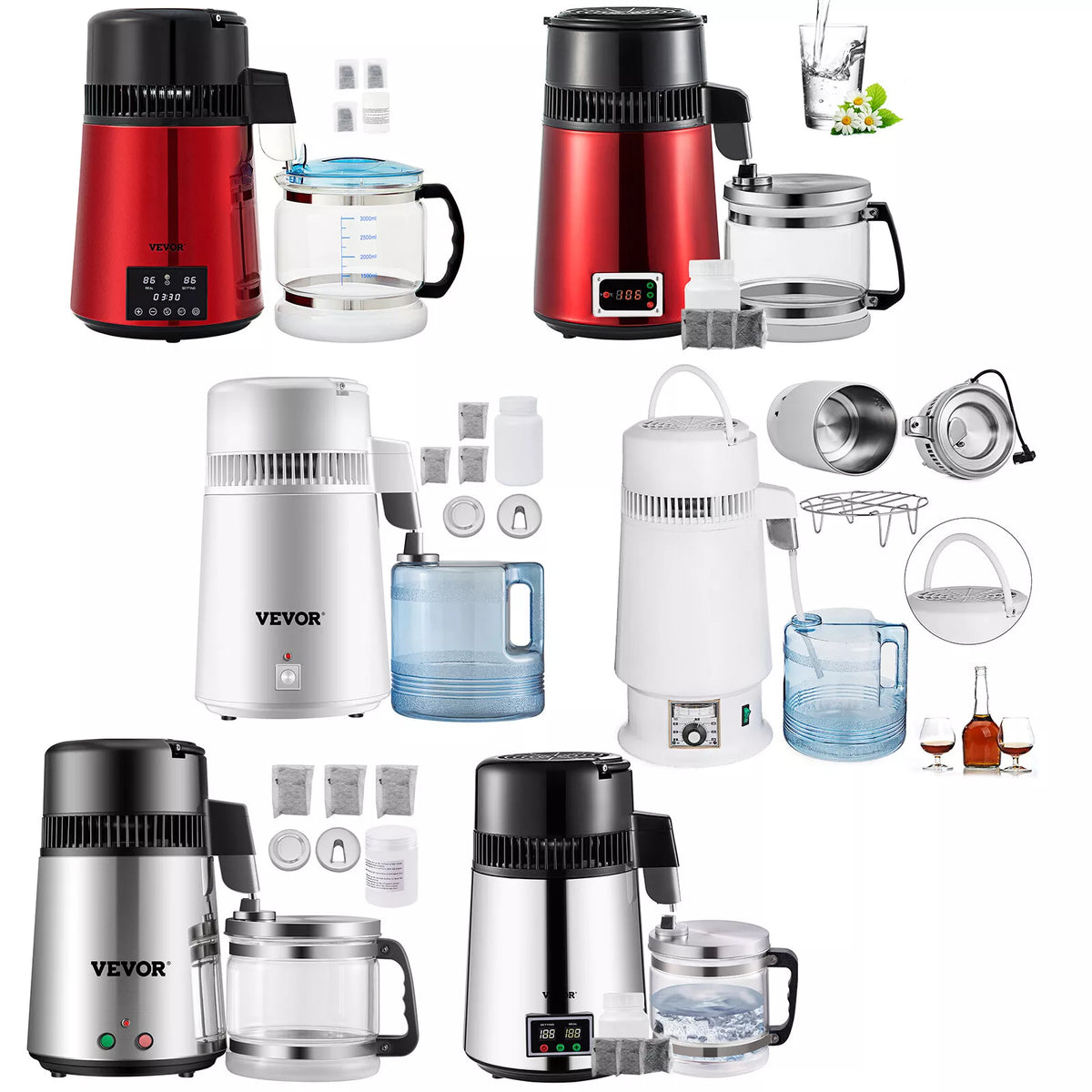
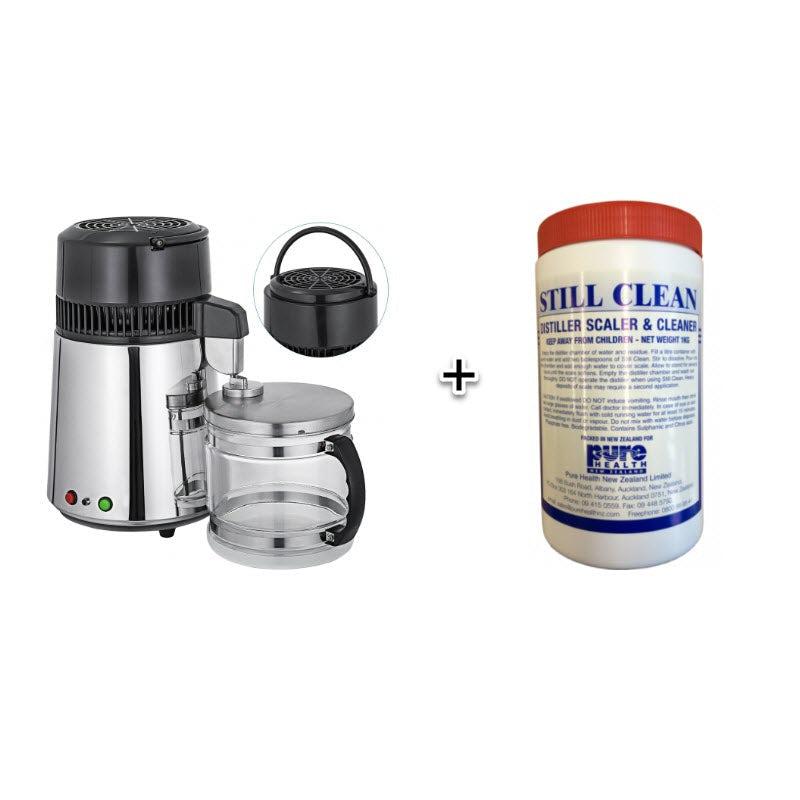
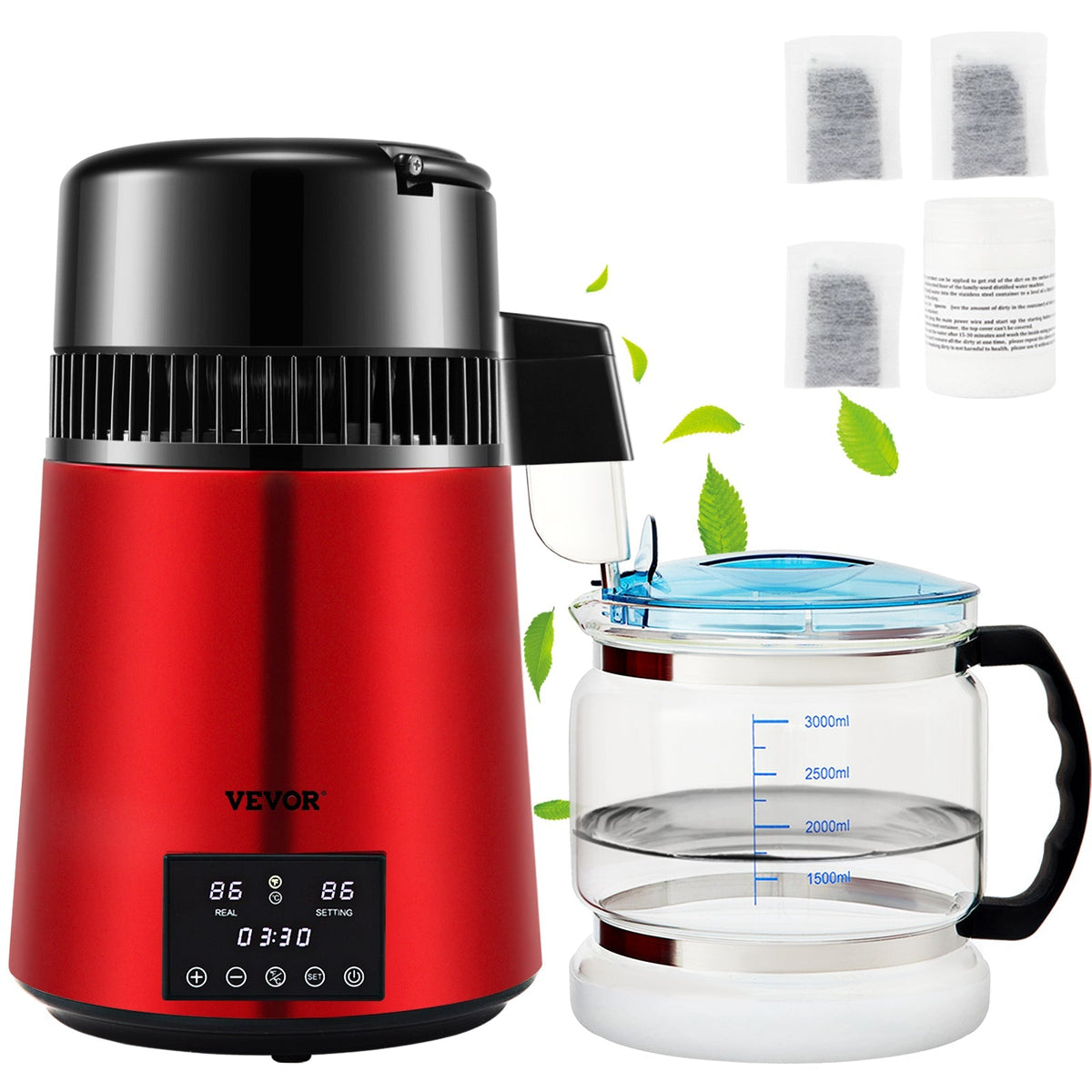
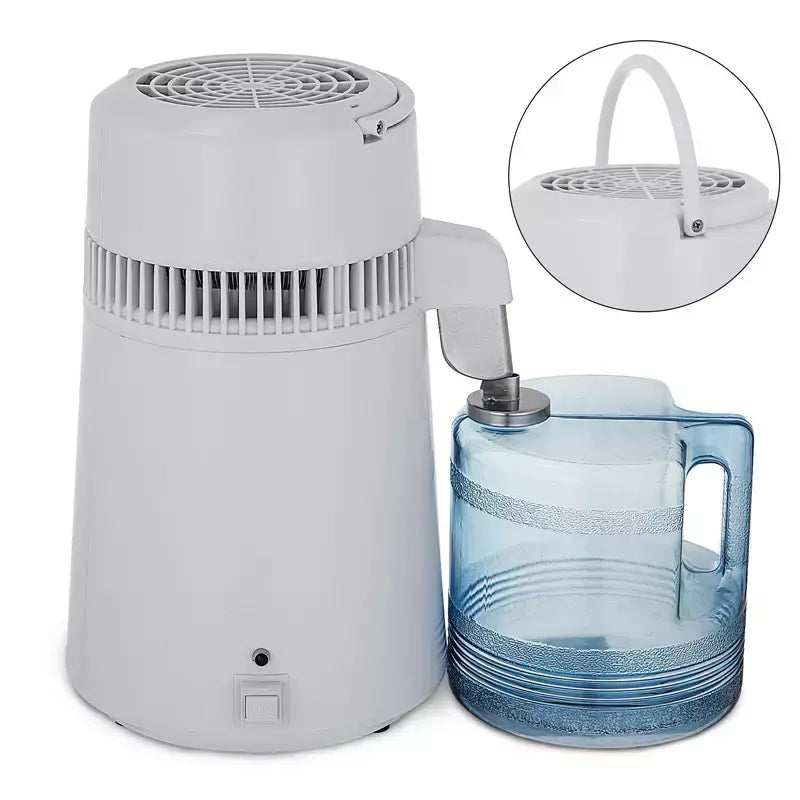
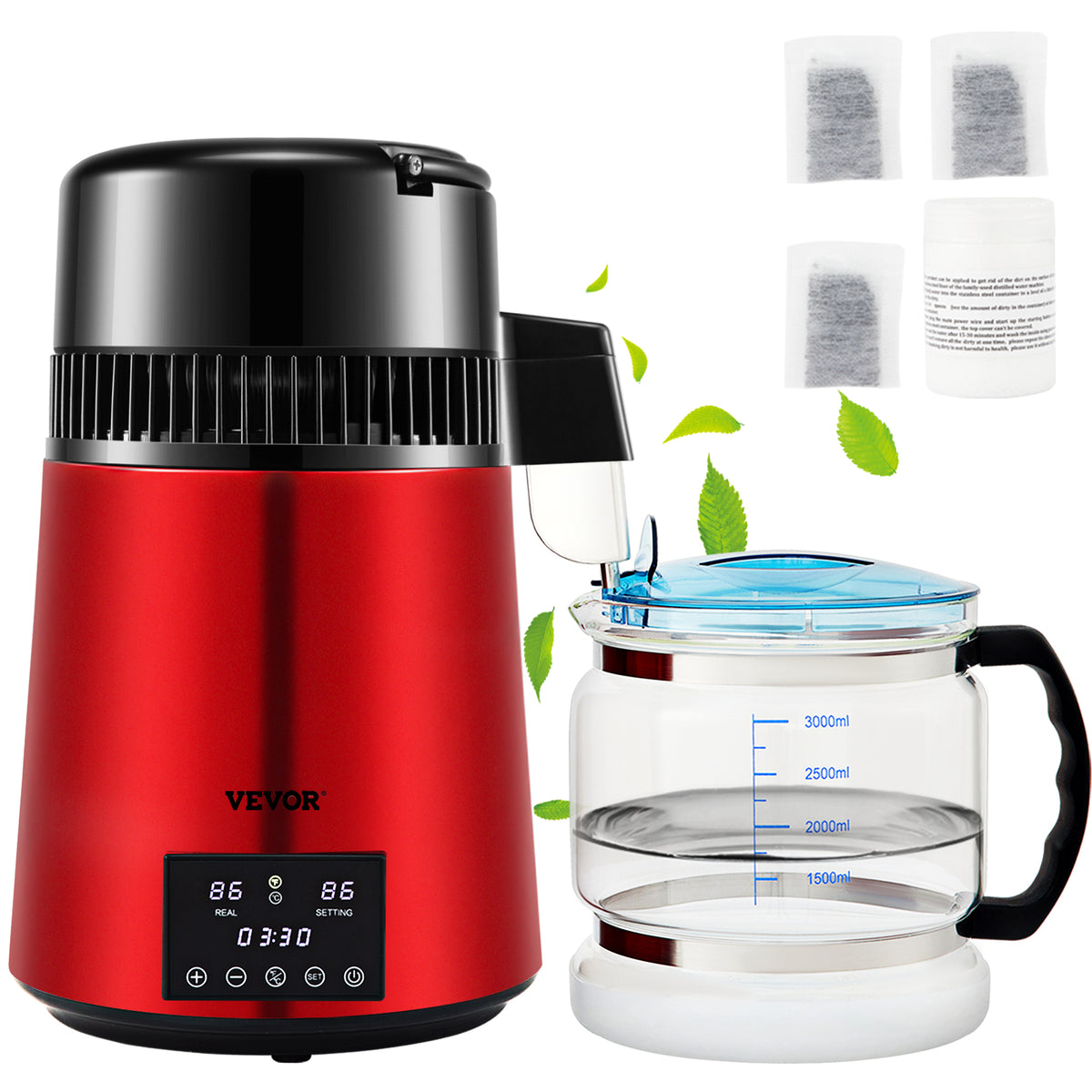




Water Distillers & Steam Purifiers Australia
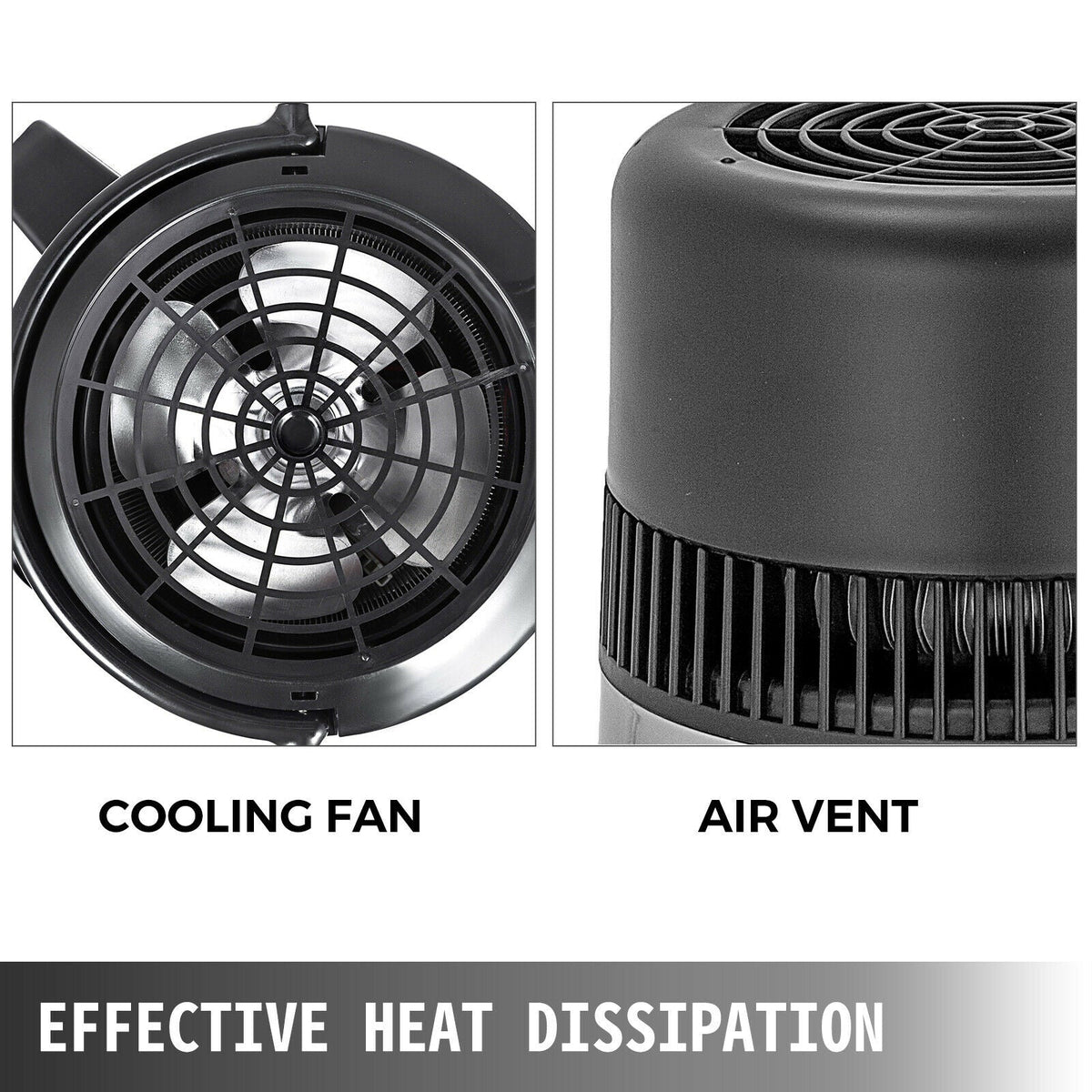
Water distillation is one of the most thorough ways to purify water. It works by heating water to boiling point, collecting the steam, then cooling it back into water. The result is exceptionally pure — usually under 10 ppm TDS. It's free from heavy metals, bacteria, nitrates, and almost all other contaminants.
Want to know how distillers work and if one suits you? Read our guide on whether demineralised water is the same as distilled water.
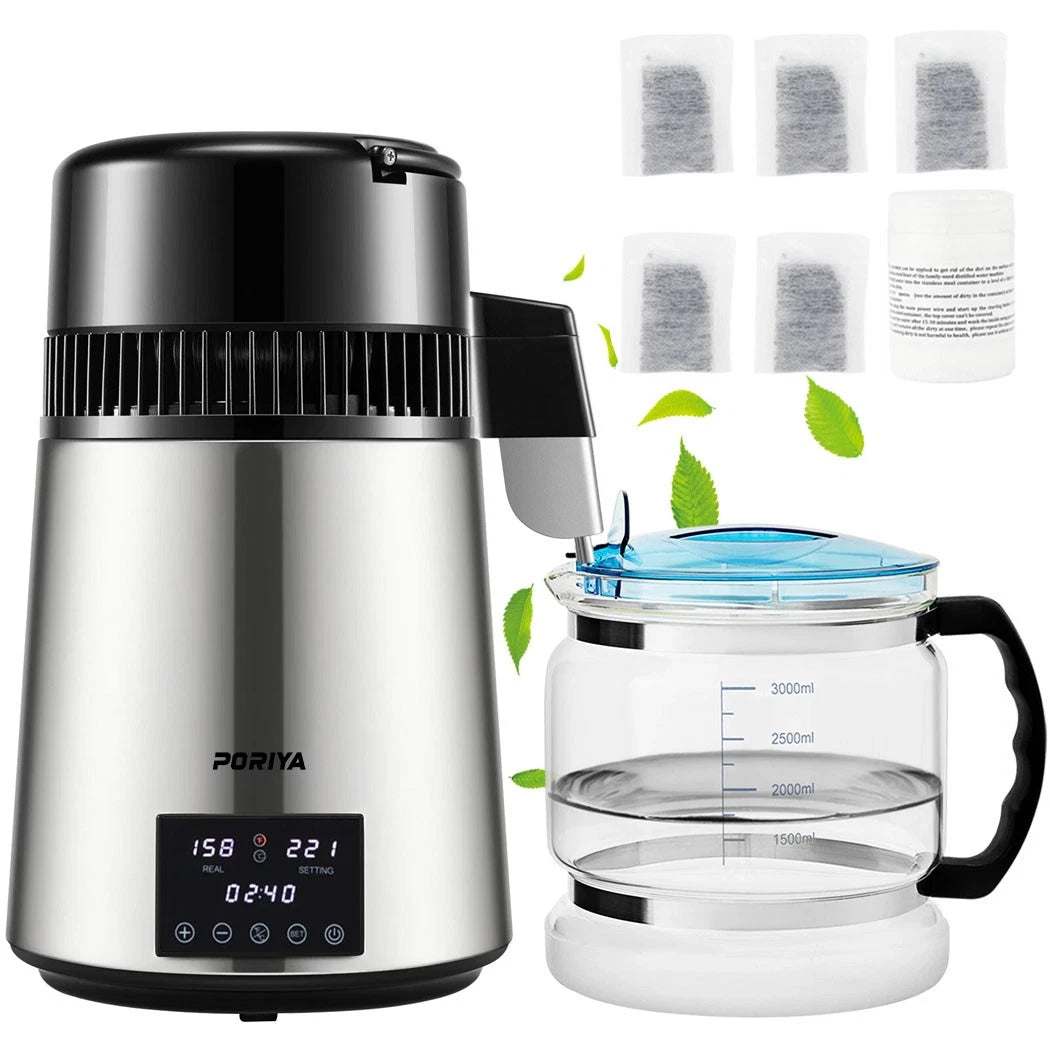
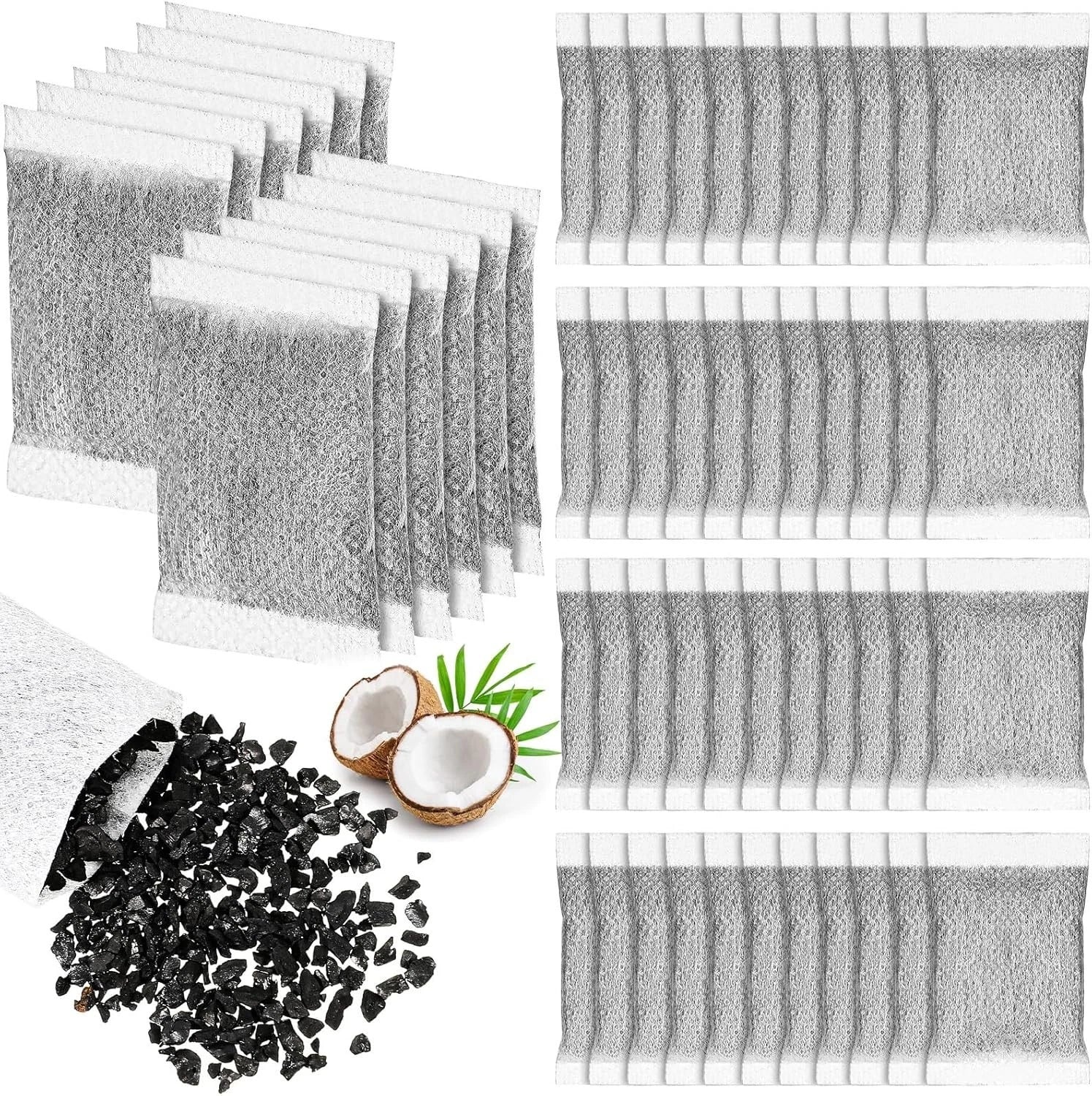
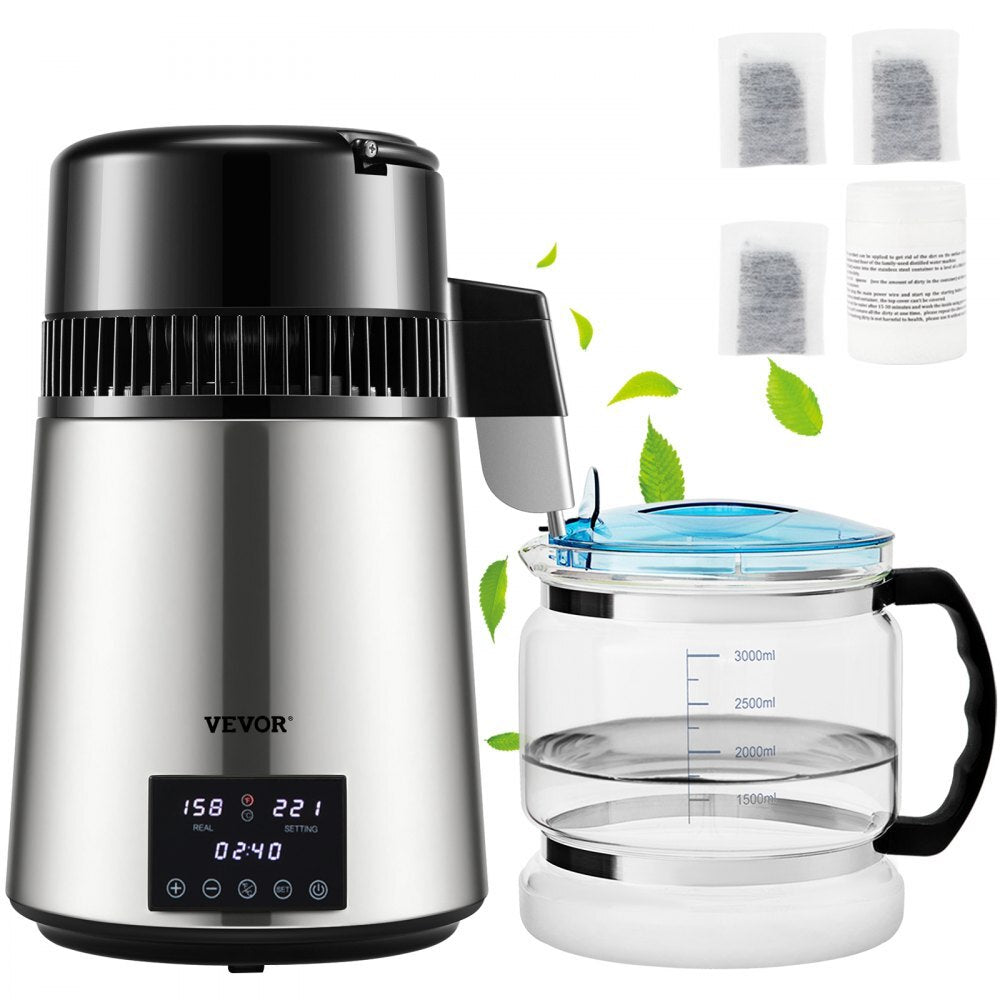
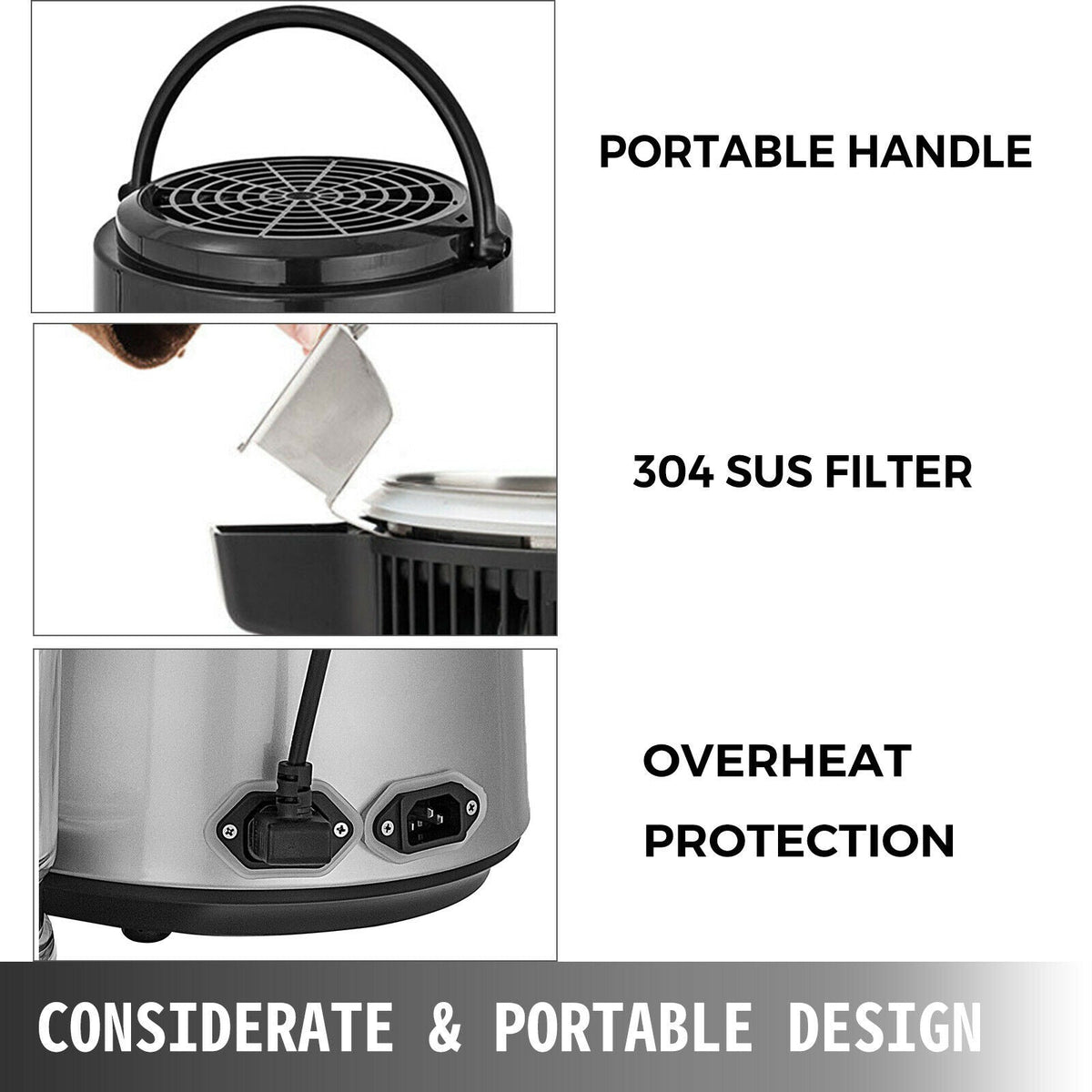
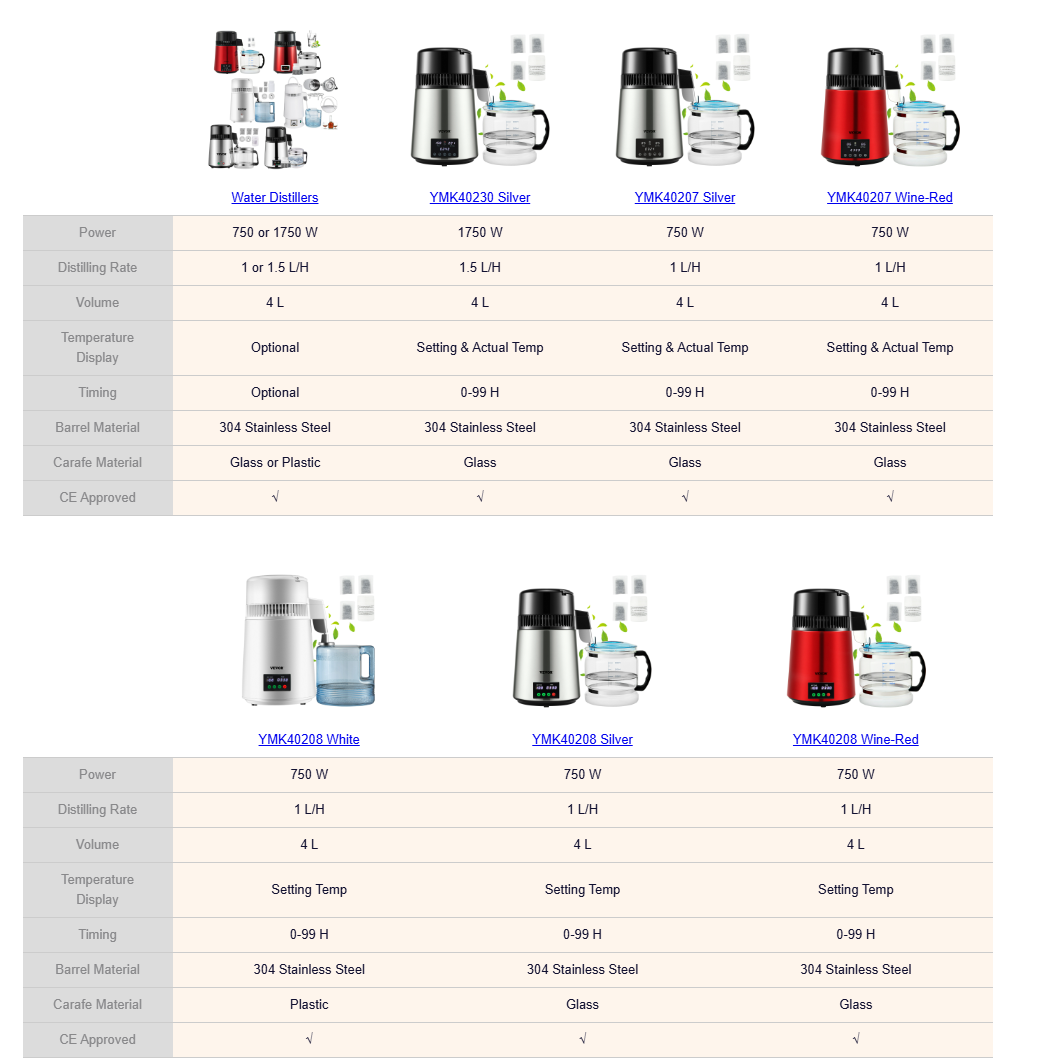
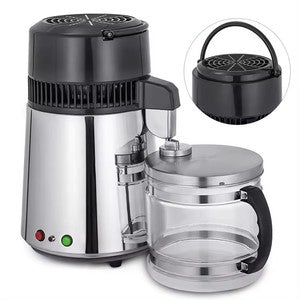
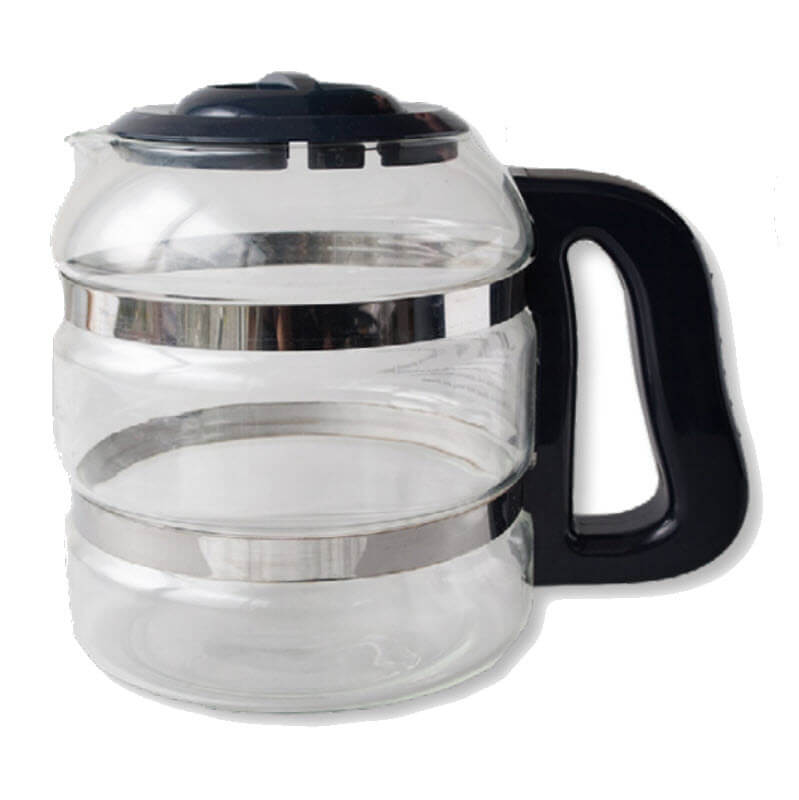
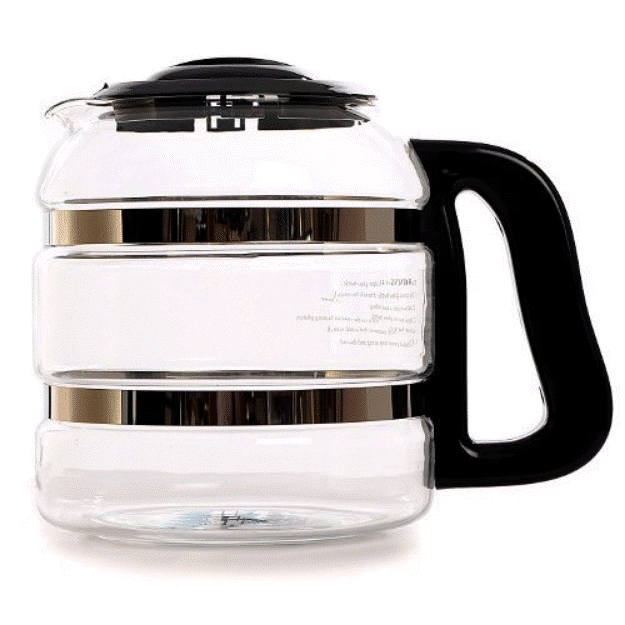
Our range includes countertop distillers with glass jugs, auto-shutoff, and post-carbon filters for the cleanest result.
What Does a Water Distiller Remove?
- Heavy metals — lead, arsenic, mercury, cadmium
- Bacteria, viruses, and cysts
- Fluoride
- Nitrates and nitrites
- Chlorine and chloramines
- Dissolved solids (high TDS)
- Pesticides and herbicides
Who Uses Water Distillers?
CPAP machine users
Distilled water is the recommended type for CPAP humidifiers. Tap water causes mineral build-up inside the machine. A home distiller saves you buying distilled water from the chemist.
People on rainwater or tank water
Tank water can carry bacteria, roof runoff, and varying dissolved solids. Distillation gives you a high level of purification, no matter your water source.
Health-conscious households
Want to cut fluoride, heavy metals, or dissolved solids from your drinking water? Distillation is the most thorough countertop option available.
Appliance users
Steam irons, humidifiers, and medical equipment last longer with distilled water. Tap water causes scale and mineral build-up that shortens appliance life.
FAQs
How long does distillation take?
A standard 4-litre cycle takes about 4–5 hours. Most people run it overnight, so water's ready each morning.
Is distilled water safe to drink every day?
Yes. Hospitals and labs use it worldwide. Some people add mineral drops to remineralise it — that's a personal choice, not a requirement.
Can I use a distiller for my CPAP machine?
Yes. Distilled water is the recommended type for CPAP humidifiers, and most manufacturers specify it.
How much does it cost to run?
About 75 cents to $1.05 per 4-litre batch, at average Australian electricity rates. That's far cheaper than buying bottled distilled water.
What's the difference between distilled water and RO water?
Both produce very pure water. Distillation also removes most volatile organic compounds and bacteria through boiling. RO gives you water on demand. Distillation works in batches, but needs no filter membrane replacement.
How do I clean and maintain a distiller?
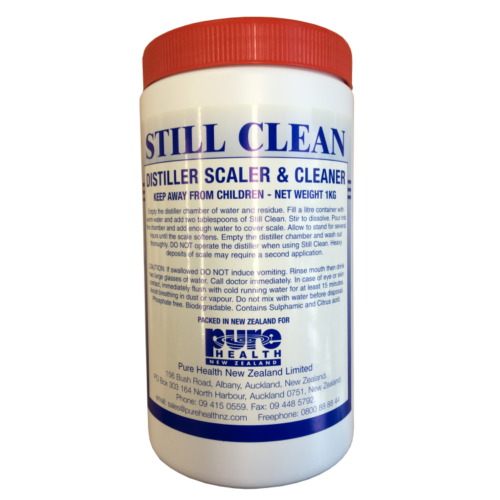
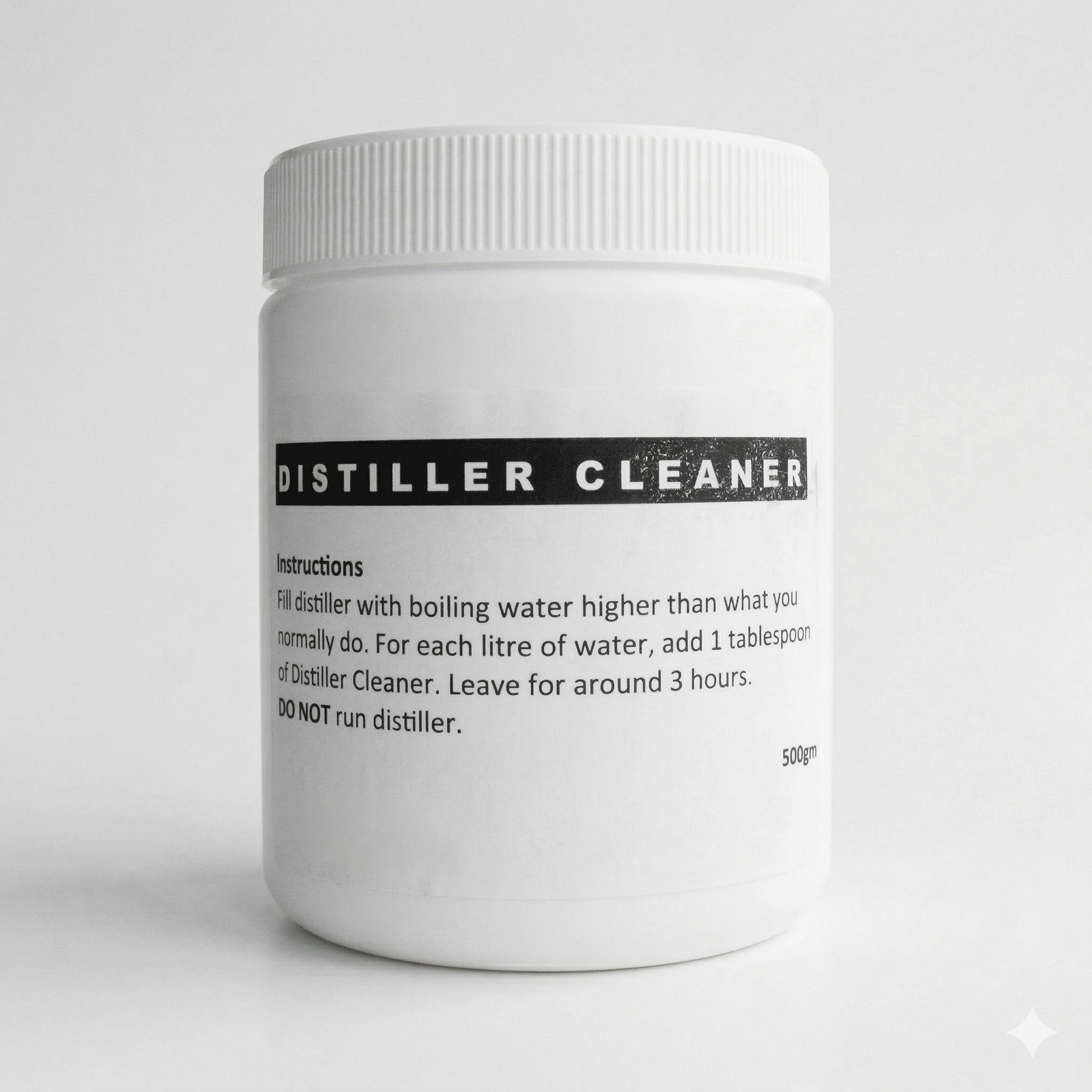
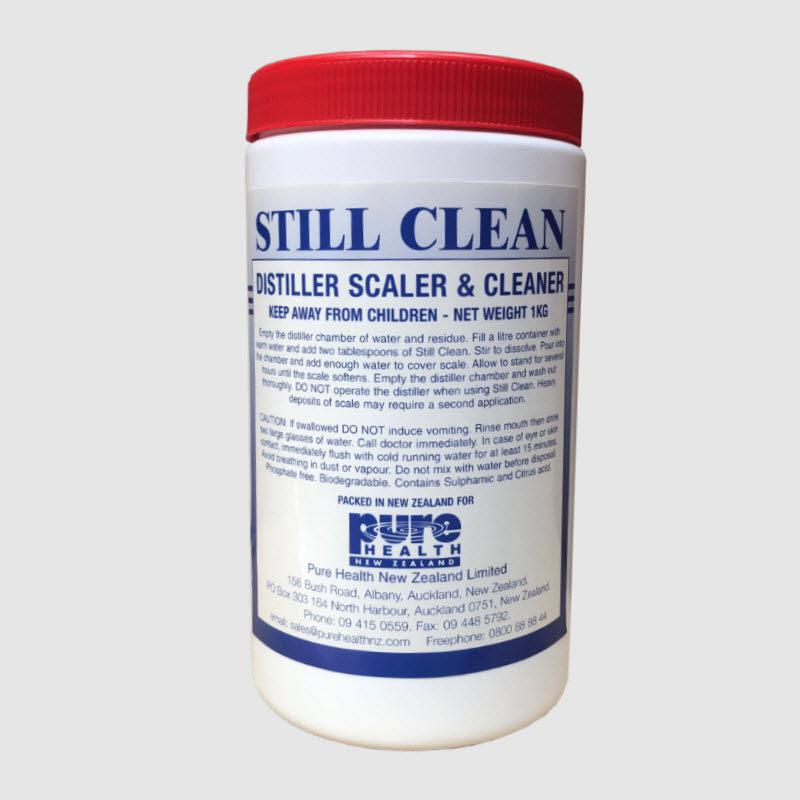
Scale builds up in the boiling chamber over time. Descale it regularly with citric acid or white vinegar to keep performance steady. Cleaning instructions come with every distiller.
Support
Questions? Visit our FAQ page, call 1800 789 781, or get in touch. See our Shipping | Return | Refund | Warranty info.