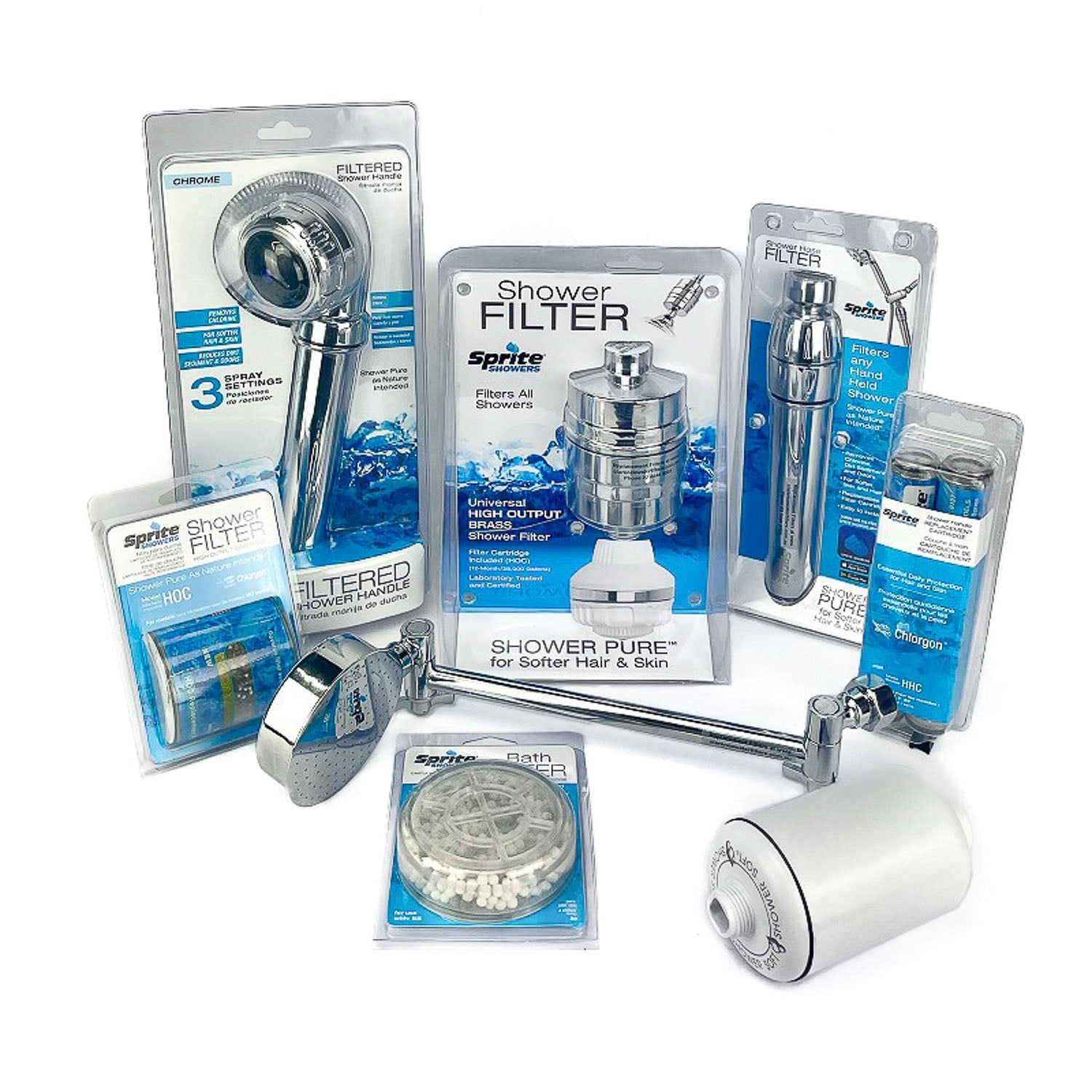
No electricity: Shower filters operate entirely on water pressure — no electricity, no energy cost.
Reduces chemical product use: Many people with dry skin or damaged hair from chlorinated water use more moisturisers, conditioners, and treatments to compensate. A shower filter can reduce this — fewer products, less packaging waste.
Long cartridge life: A shower filter cartridge lasts 6–12 months. One cartridge per year is a minimal waste footprint compared to the alternative of buying bottled water for bathing (which nobody does, but the comparison illustrates the scale).
The Main Environmental Trade-Off
Cartridge replacement generates some plastic waste every 6–12 months. The plastic housing can go to hard plastics recycling where accepted by your local council. The filter media goes to general waste.
Compared to a Whole-House Filter
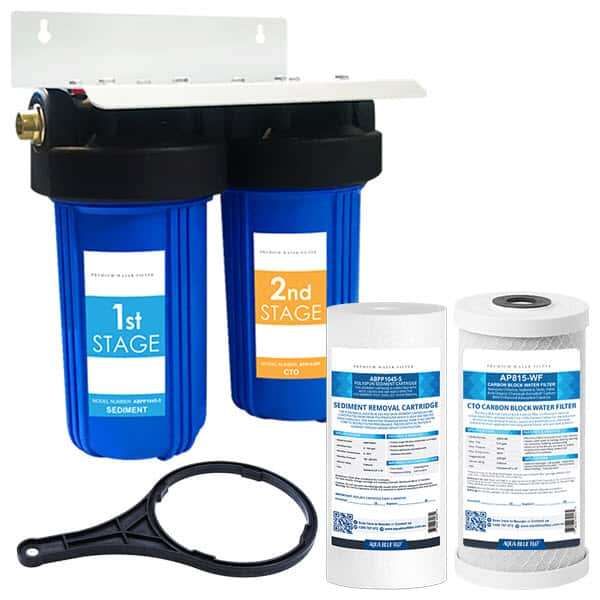
A whole-house filter removes chlorine from all water in the home — shower, kitchen, laundry. It has a larger upfront footprint but a lower per-litre environmental cost over time. For households wanting comprehensive chlorine removal, see our Whole House Water Filters Guide. A shower filter is the right choice for households wanting targeted chlorine removal at the shower only.
Frequently Asked Questions
Can I recycle shower filter cartridges in Australia?
The plastic housing can go to hard plastics recycling where accepted by your local council. The filter media goes to general waste. Call us on 1800 789 781 if you have questions.
Is a shower filter or a whole-house filter more eco-friendly?
A whole-house filter has a larger upfront footprint but treats all water in the home. A shower filter is more targeted and lower cost. Both use no electricity. See our Whole House Water Filters Guide for a comparison.
Subscribe
Sign up to get the latest on sales, new releases and more …