Eco-Friendly Shower Filters: What Makes a Shower Filter Sustainable?
July 17, 20232 min read
A shower filter is already a more sustainable choice than buying bottled water for drinking — but within shower filters themselves, some options are greener than others. Here’s what to look for.
Cartridge Waste: The Main Environmental Consideration
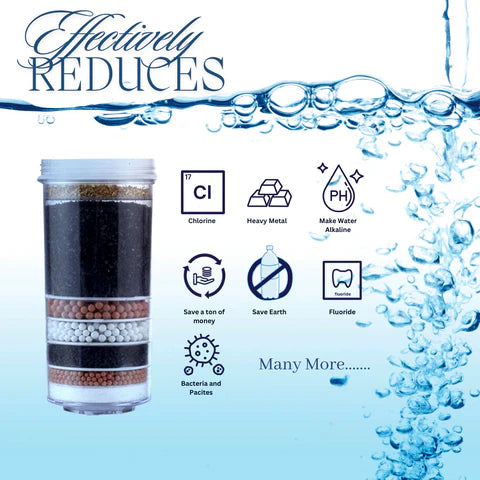
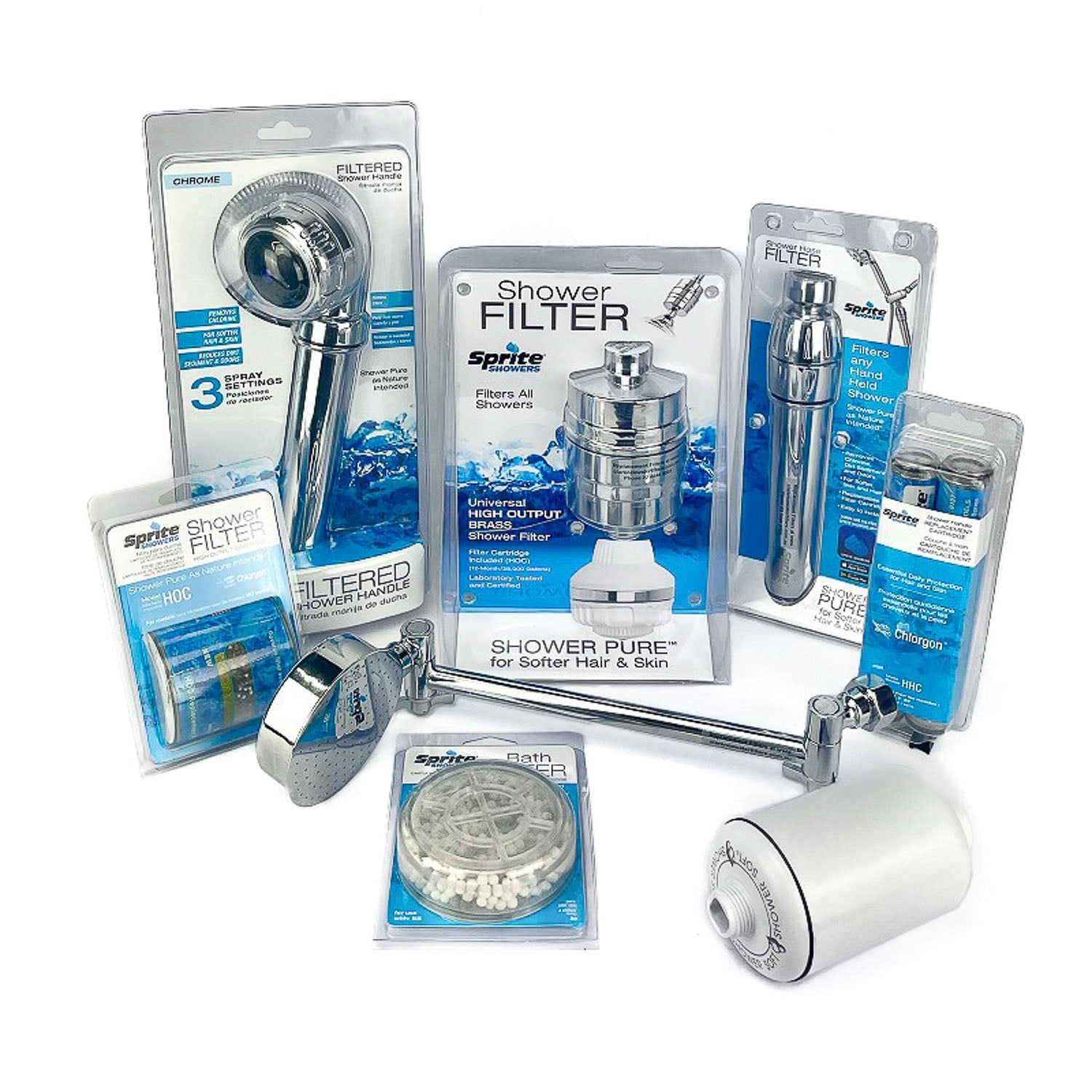
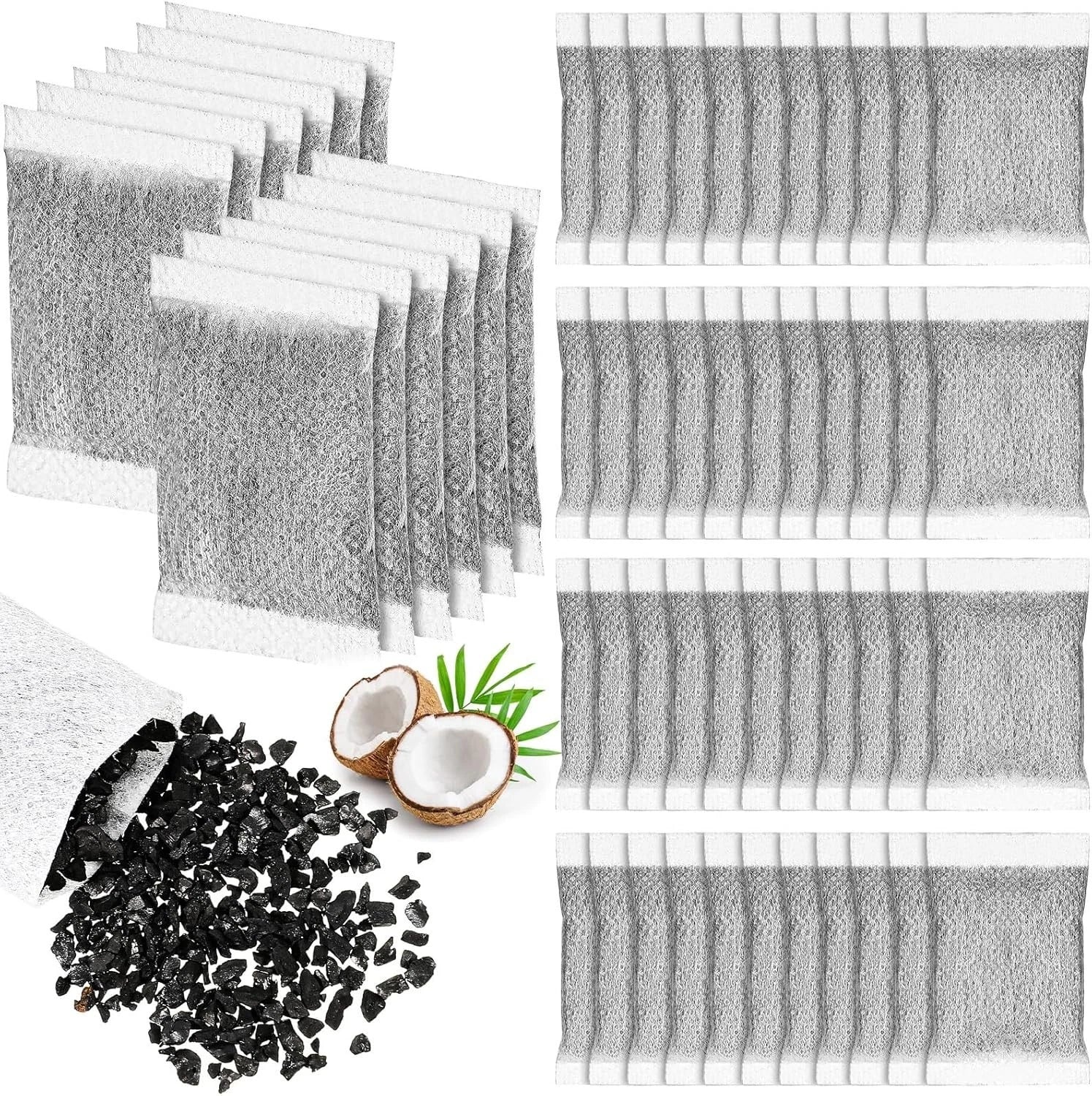
The primary environmental impact of a shower filter is the cartridge replacement every 6–12 months. Most cartridges are made from plastic housing with KDF media, carbon, and ceramic components inside. To minimise impact:
Replace on schedule — an overdue cartridge is less efficient and wastes the energy used to heat water through a restricted filter
Check with your local council for hard plastics recycling options for the plastic housing
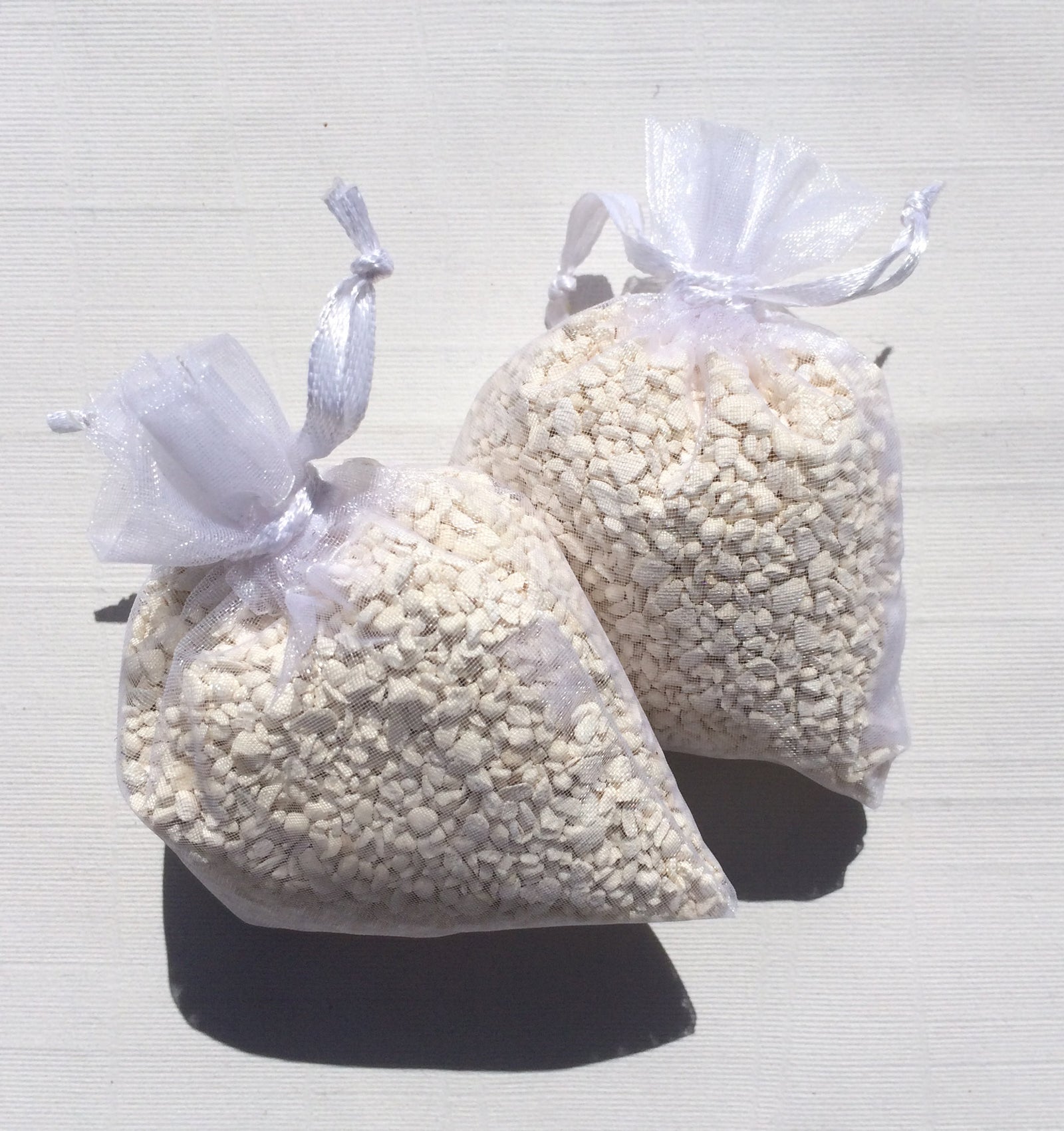
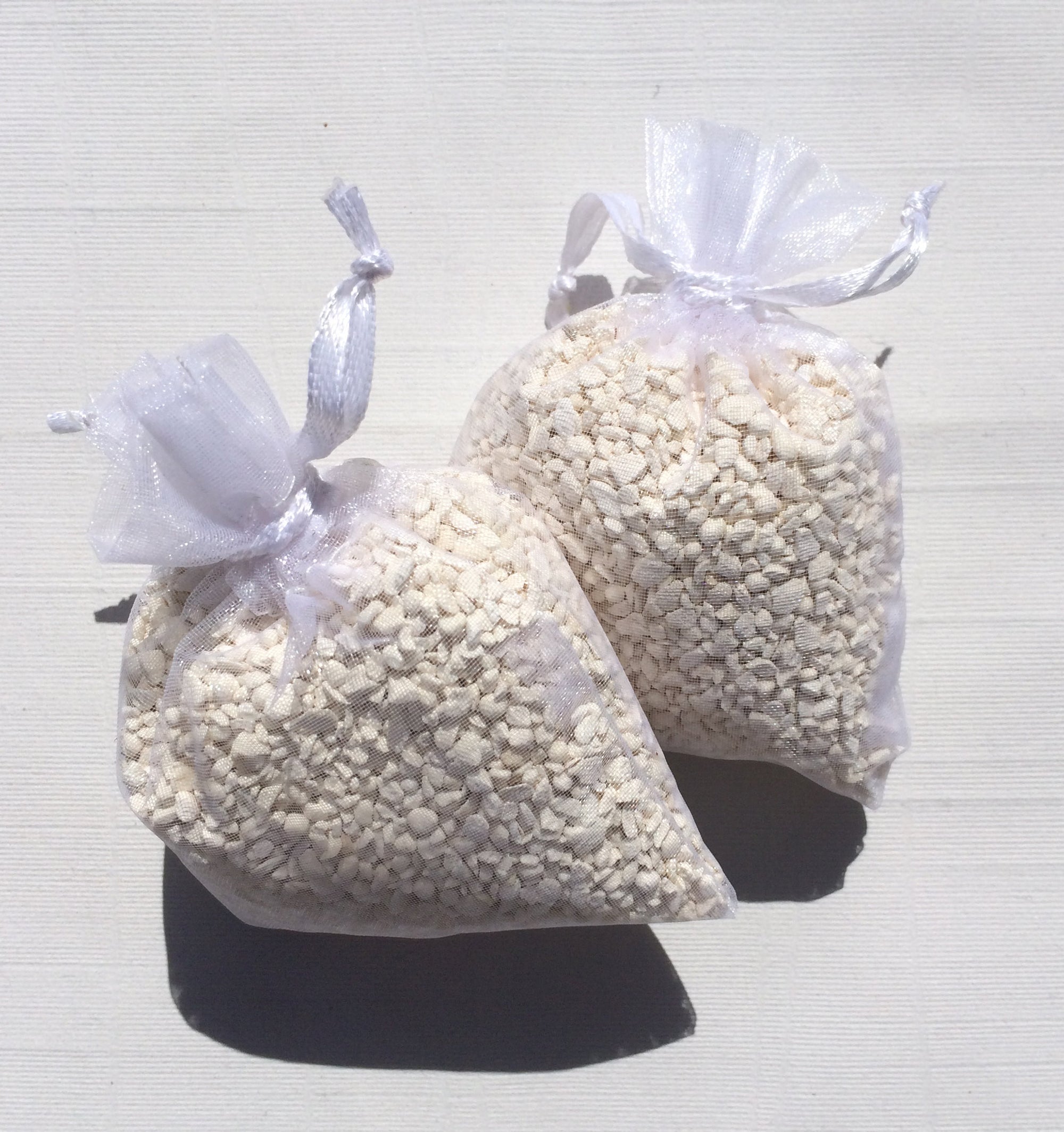
KDF media (copper-zinc) can go to general waste; ceramic components can be broken up and added to garden soil
Water Efficiency
A clogged or overdue shower filter cartridge restricts water flow, which means you run the shower longer to rinse — wasting water. Replacing on schedule maintains flow rate and water efficiency. Our Sprite High Output models are specifically designed to maintain strong flow throughout the cartridge’s service life.
KDF vs Vitamin C: Environmental Comparison
KDF media (copper-zinc alloy) is a durable, long-lasting filtration medium that doesn’t degrade quickly. Vitamin C cartridges use ascorbic acid, which is biodegradable — but typically have a shorter service life (3–6 months vs 6–12 months for KDF), meaning more frequent replacement. For most Australian households on town water with free chlorine, KDF is the more sustainable long-term choice.
The Bigger Picture
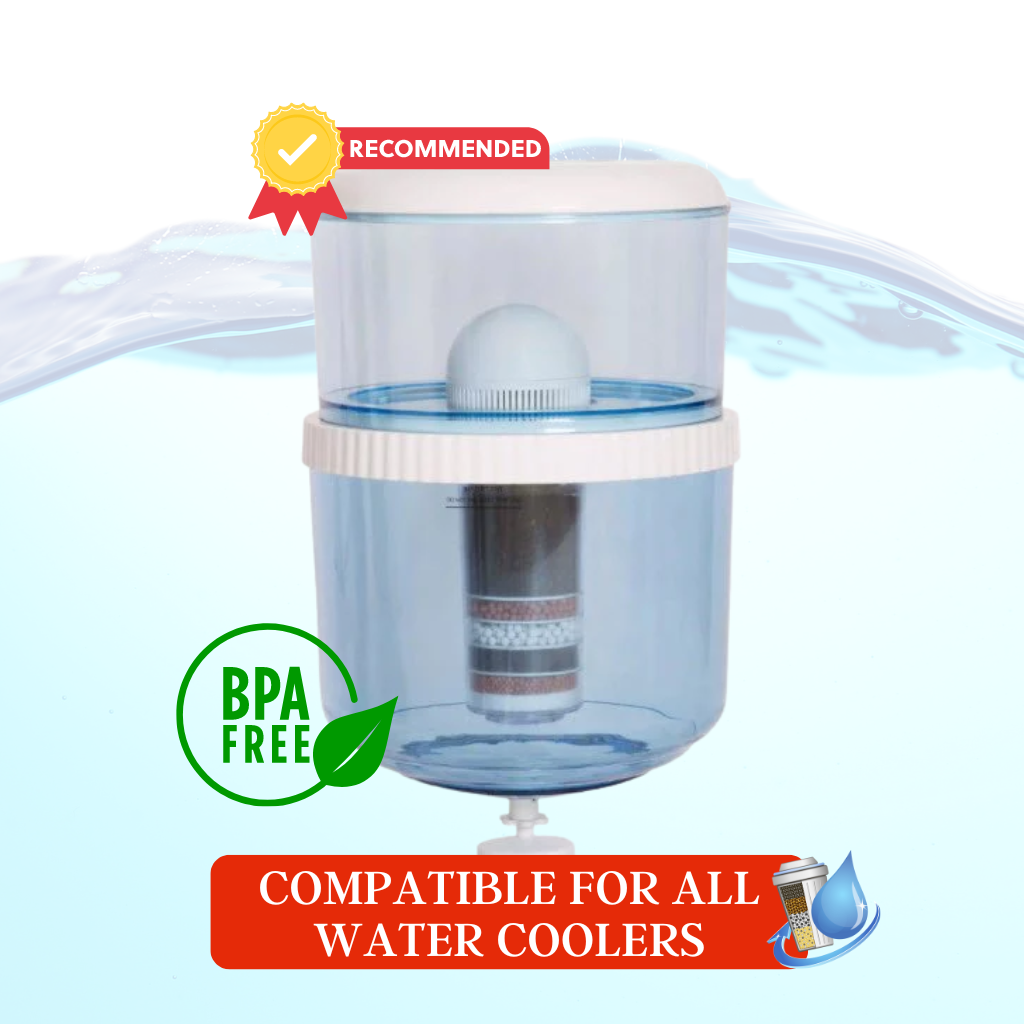
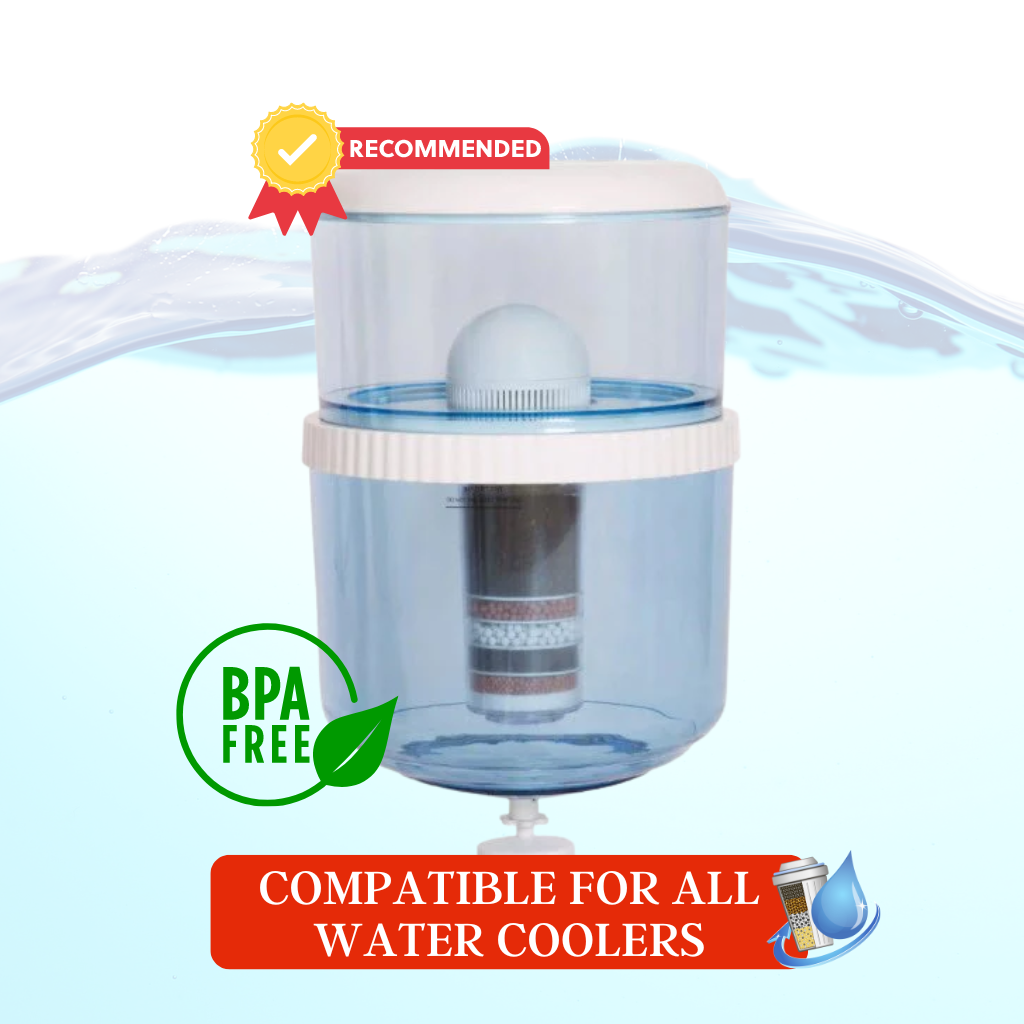
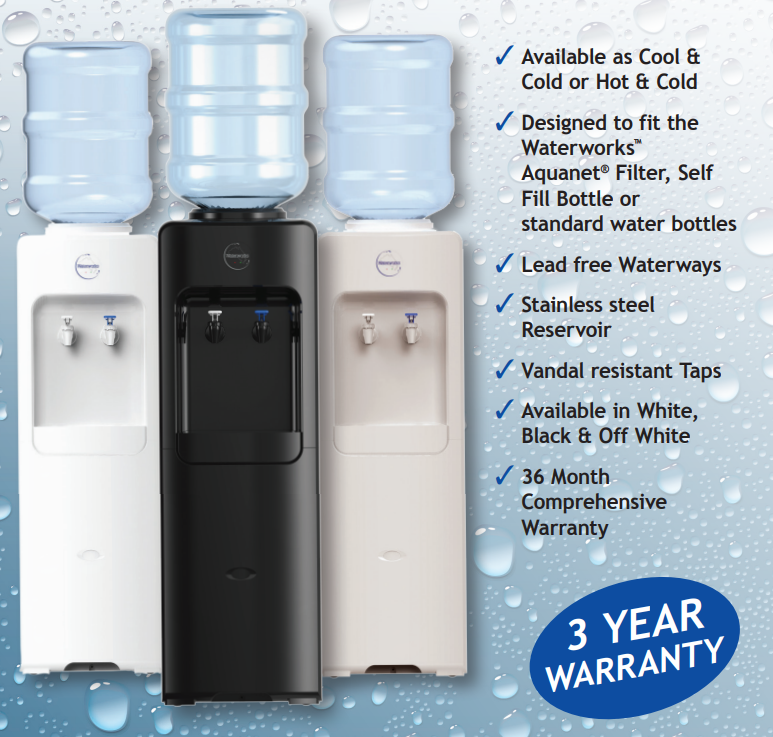
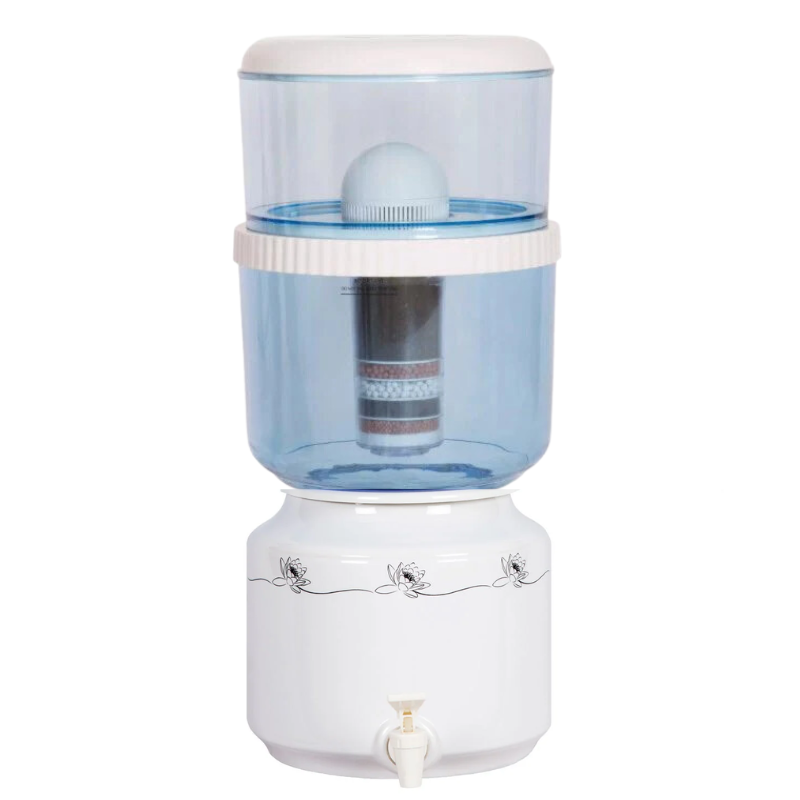
If you’re also looking to reduce plastic waste from bottled water, a filtered water cooler paired with a shower filter covers both bases. See our Water Coolers Guide.
Frequently Asked Questions
Can I recycle my shower filter cartridge?
The plastic housing can go to hard plastics recycling where accepted by your local council. Ceramic components can be broken up and added to garden soil. KDF media goes to general waste. Call us on 1800 789 781 if you have questions.
Which shower filter type is most eco-friendly?
KDF-based filters have a longer cartridge life (6–12 months) than vitamin C filters (3–6 months), meaning less frequent replacement and less waste. For most Australian town water, KDF is the more sustainable choice. Browse our shower filter range.
Subscribe
Sign up to get the latest on sales, new releases and more …