There’s a lot of noise around shower filters — some of it accurate, some of it marketing, and some of it just wrong. Here’s a straight-talking guide to the most common myths.
Myth 1: “Shower filters are unnecessary — Australian water is safe”
Partly true, partly missing the point. Australian town water is safe to drink — but “safe” and “good for your skin and hair” aren’t the same thing. Chlorine is used to disinfect town water and is effective for that purpose. In the shower, it strips natural oils from skin and hair with daily exposure. A shower filter removes chlorine — it’s a quality improvement, not a safety necessity.
Myth 2: “All shower filters are the same”
False. KDF filters remove free chlorine effectively. Vitamin C filters remove both free chlorine and chloramines. Carbon filters are less effective in hot water (heat degrades carbon performance). The technology matters — see our guide: Shower Filter Types Explained.
Myth 3: “Shower filters remove everything from the water”
False. Shower filters are designed to remove chlorine and some heavy metals. They don’t remove fluoride (that requires reverse osmosis, which isn’t practical in a shower), they don’t soften hard water the way a whole-house softener does, and they don’t sterilise the water. Be sceptical of any filter claiming to “remove all contaminants”.
Myth 4: “Shower filters reduce water pressure”
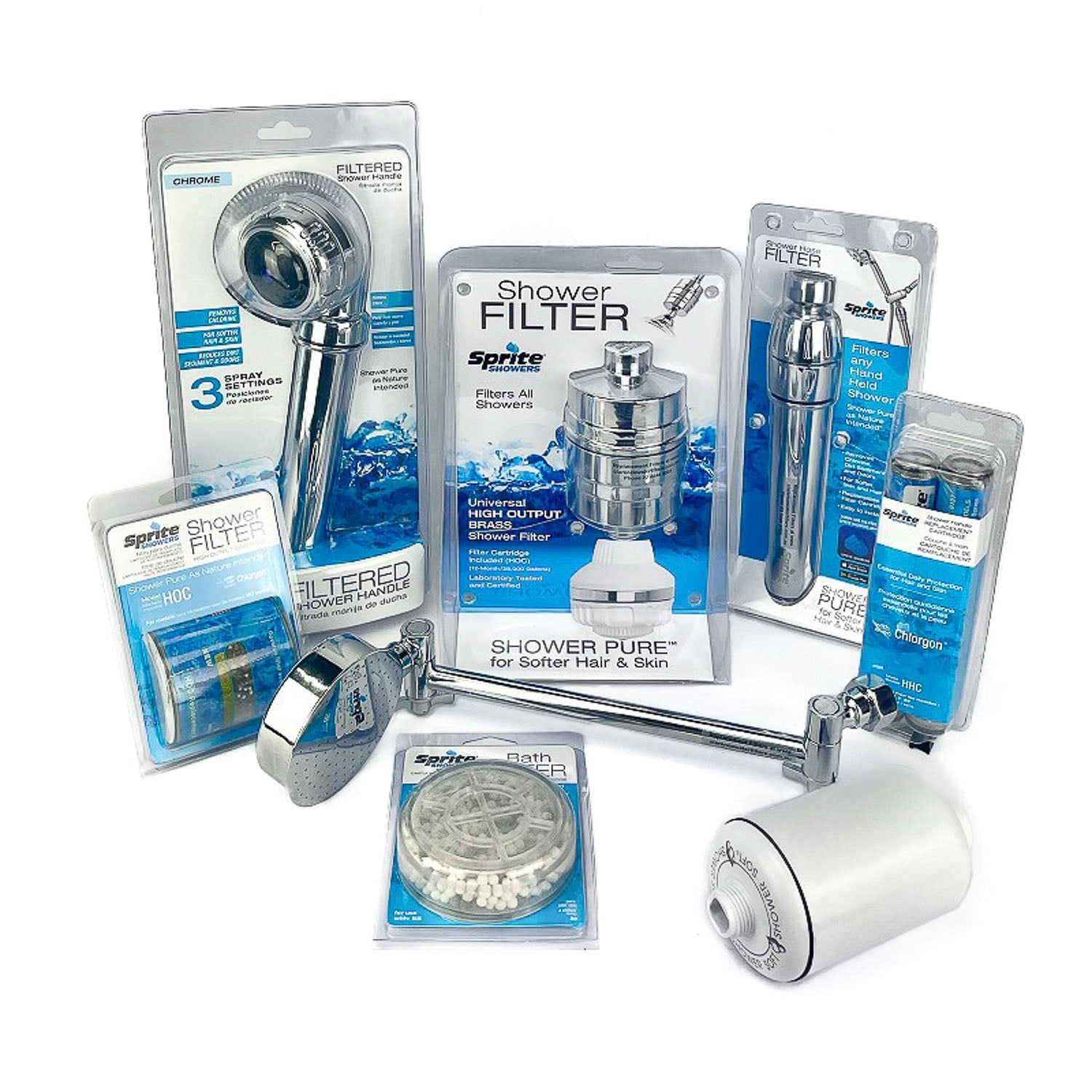
Sometimes true, often not. A clogged or low-quality filter can reduce pressure. Our Sprite High Output models are specifically designed to maintain strong flow. Replace the cartridge on schedule and pressure won’t be an issue.
False. Our Sprite shower filters start from around $50–$80, with replacement cartridges every 6–12 months. That’s less than $10/month for genuinely filtered shower water. Browse our shower filter range.
Frequently Asked Questions
Do shower filters actually work?
Yes — KDF-based shower filters remove free chlorine effectively. This is well-established filtration science. The benefits for skin and hair are real and noticeable for most people within a few weeks of use.
Can a shower filter remove fluoride?
No — fluoride removal requires reverse osmosis, which isn’t practical in a shower. Shower filters remove chlorine and some heavy metals. For fluoride removal from drinking water, see our Reverse Osmosis Guide.
Subscribe
Sign up to get the latest on sales, new releases and more …