Water Filter Certifications in Australia: What NSF/ANSI Ratings Mean
June 11, 20242 min read
Water filter certifications can be confusing — especially because the main certification body (NSF International) is American, not Australian. Here’s what the ratings mean and how to use them when buying a filter in Australia.
NSF/ANSI certifications are American standards set by NSF International and the American National Standards Institute. They are widely recognised internationally and are the most common certification referenced in water filter marketing globally, including in Australia. Australia’s own drinking water standards are set by the Australian Drinking Water Guidelines (ADWG), published by the National Health and Medical Research Council (NHMRC). When a filter claims NSF certification, it means it has been independently tested to those specific US standards — which are rigorous and relevant, but not the same as ADWG compliance.
Key NSF/ANSI Certifications
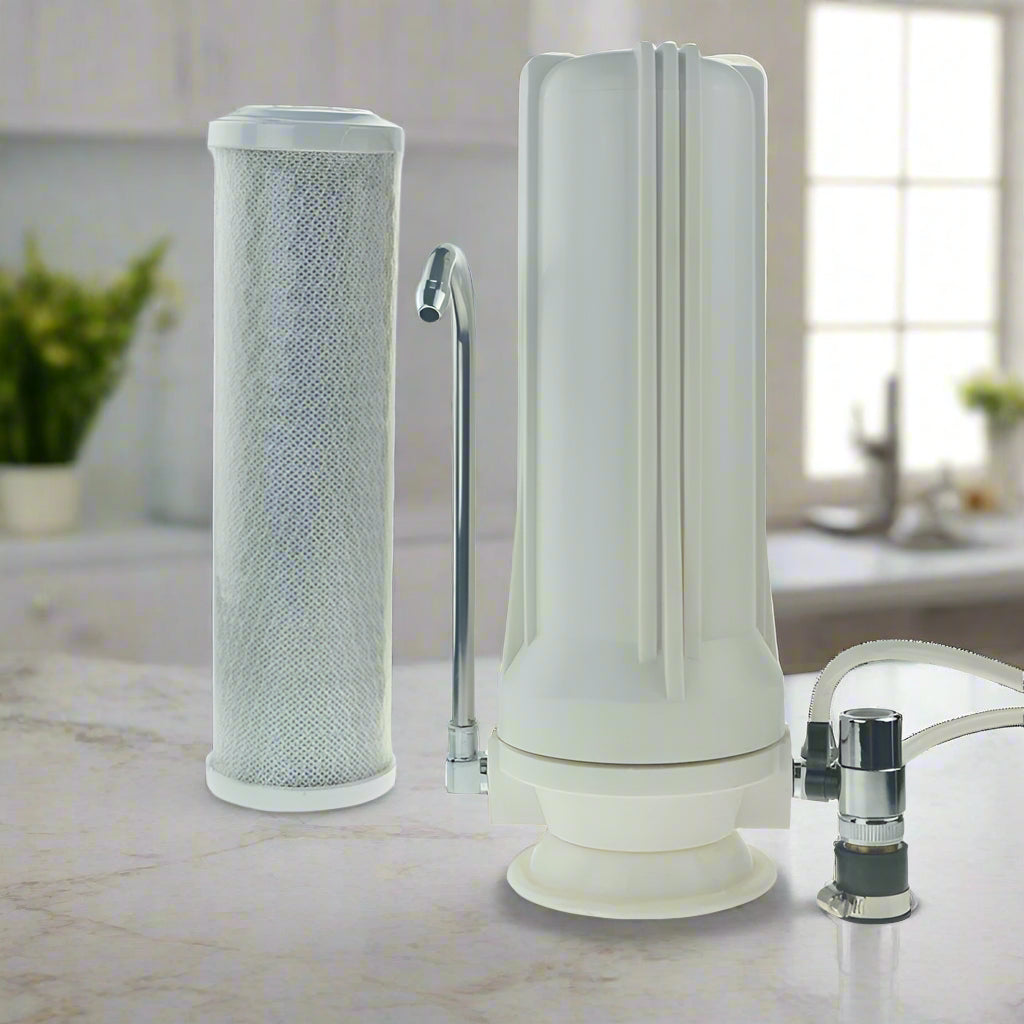
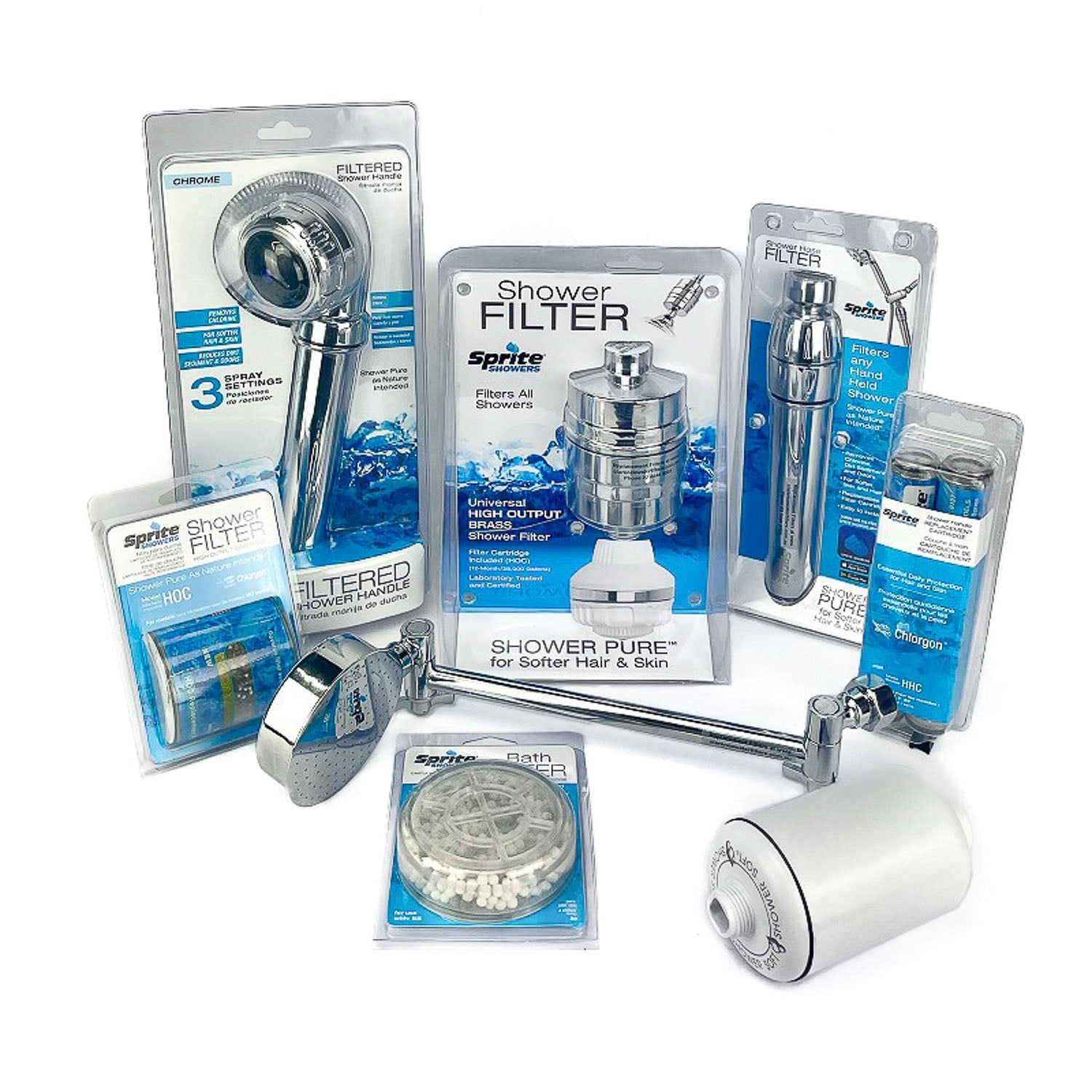
NSF/ANSI 42 — Aesthetic Effects: Tests for reduction of chlorine, taste, odour, and particulates. The most common certification for activated carbon filters. If a filter claims to improve taste and remove chlorine, look for NSF 42.
NSF/ANSI 53 — Health Effects: Tests for reduction of health-related contaminants including lead, cysts (Cryptosporidium, Giardia), and certain VOCs. More rigorous than NSF 42.
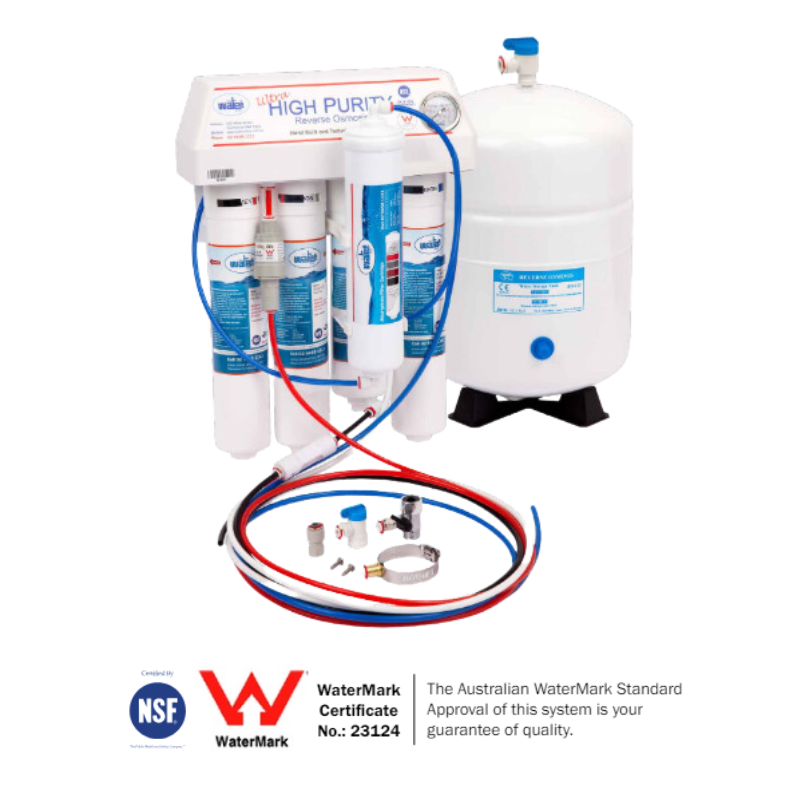
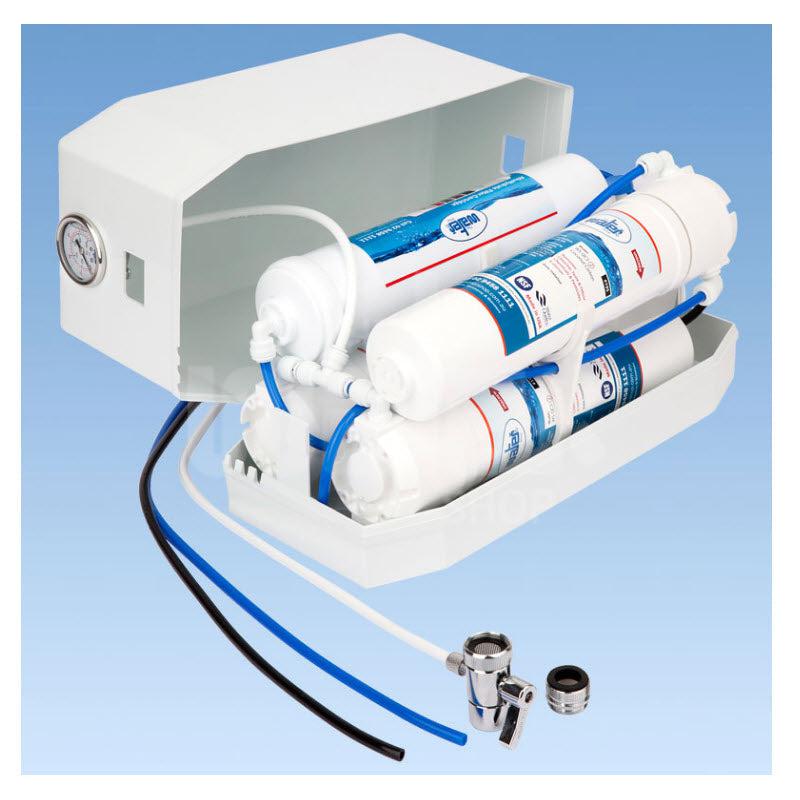
NSF/ANSI 58 — Reverse Osmosis: Tests RO systems for reduction of TDS, fluoride, nitrates, heavy metals, and other dissolved contaminants. The key certification for RO systems.
NSF/ANSI 401 — Emerging Contaminants: Tests for reduction of pharmaceuticals, herbicides, and other emerging contaminants. Less common but increasingly relevant.
NSF/ANSI 372 — Lead-Free: Certifies that filter components contain less than 0.25% lead by weighted average. Important for any filter in contact with drinking water.
How to Use Certifications When Buying
For chlorine and taste: look for NSF 42. For health contaminants including lead: NSF 53. For RO systems: NSF 58. For lead-free components: NSF 372. A filter claiming certification without specifying the standard is a red flag — ask which standard it’s certified to.
Frequently Asked Questions
Are NSF certifications recognised in Australia?
Yes — NSF/ANSI certifications are internationally recognised and widely used in Australia as a benchmark for filter performance. They are not the same as ADWG compliance, but they are a rigorous and credible independent standard.
Do Awesome Water Filters products have NSF certification?
Call us on 1800 789 781 for current certification details on specific products in our range.
Subscribe
Sign up to get the latest on sales, new releases and more …