

















What To Look For In A Freestanding Water Cooler
The short answer: to choose the right water cooler, match three things to how you'll actually use it — the water types you need (cold, hot, ambient or sparkling), the capacity for your household or team size, and whether it makes more sense to buy or rent. Get those three right and the rest is detail. This guide walks through each one.
A water cooler is one of those purchases that looks simple until you start comparing models — bottle-fed or plumbed-in, hot-and-cold or cold-only, buy outright or pay monthly. The good news is that the decision comes down to a handful of practical questions. Answer them in order and you'll land on the right unit without overpaying or under-sizing.
What does a water cooler actually do?
A water cooler dispenses chilled, room-temperature or hot water on demand, usually from a refillable bottle that sits on top of (or inside) the unit. Better units pass the water through a built-in filter first, so what comes out tastes cleaner and fresher than straight tap water. The result is instant cold water on a hot day, hot water for tea and coffee without boiling the kettle, and no more bottles cluttering the fridge.
1. Which water types do you need — cold, hot, ambient or sparkling?
This is the first thing to decide, because it narrows the field fast.
- Cold only — the simplest and most energy-efficient option. Good for gyms, clinics and anywhere people just want a quick chilled drink.
- Cold and ambient — "ambient" simply means room temperature. Handy if some people prefer water that isn't ice-cold.
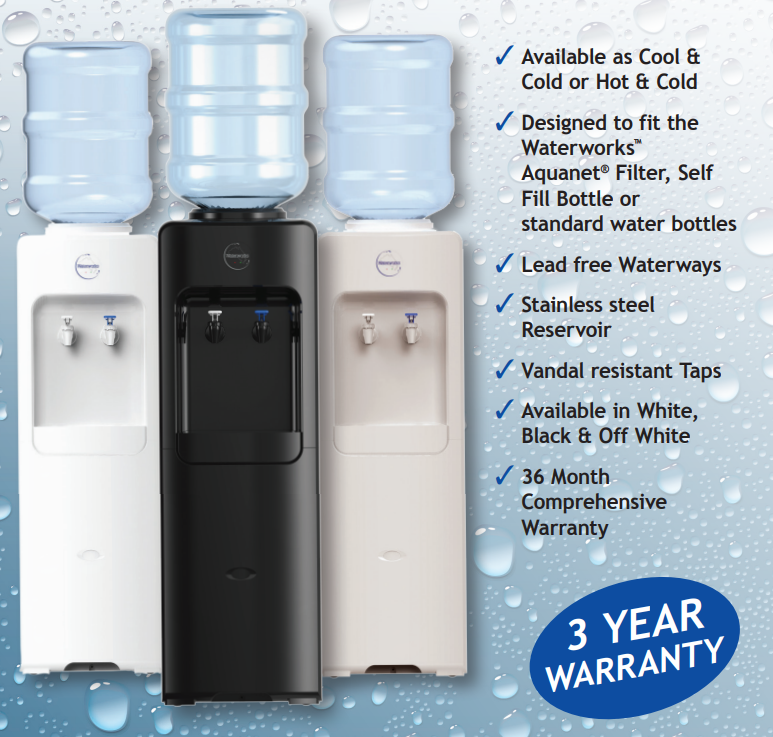
- Hot and cold — the most popular choice for homes and offices. Instant hot water for tea, coffee and instant meals, plus chilled water alongside.
- Sparkling — some units add carbonated water, which is popular in hospitality and reception areas.
Most quality coolers let you combine these. Common configurations are cold-only; ambient and cold; hot and cold; and full hot, cold and sparkling. If you're buying for a workplace, "hot and cold" covers the widest range of preferences in one machine.
Safety tip: if you're getting a hot-water model for a home with young children, look for a child-safe hot-water lock on the tap. It's a standard feature on quality units and well worth checking for.
2. How much capacity do you need?
Capacity is measured in cups per hour — how many drinks the unit can pour before it needs a moment to re-chill or re-heat. It matters more than people expect, because an under-sized cooler in a busy office runs out of cold water at exactly the wrong moment.
As a real-world benchmark, a typical freestanding unit dispenses around 60 cups of cold water and 100 cups of hot water per hour (based on 150 ml cups). To size yours, match the unit to your headcount:
- Home / 1–15 people: a single standard cooler is plenty.
- 15–50 people: one high-capacity freestanding unit, refilled regularly.
- 50+ people: consider multiple units or a high-throughput model, and plan your bottle supply ahead.
3. Where will you put it — and is there power nearby?
A cooler only works well if it's easy to reach and close to a power point. The practical rule is to place it within about a metre of an electrical socket, somewhere people naturally pass — a kitchen, staff room, reception or open-plan corner. Freestanding units suit open spaces; if bench space is tight, a benchtop model sits on a counter and saves floor area.
4. Should you buy or rent?
This is where a lot of money is won or lost. Renting (or a bottled-water subscription) usually has a low or zero upfront cost, but you pay an ongoing monthly fee indefinitely and you're tied to one supplier's bottles. Buying costs more upfront, but you own the unit, you control your own filtration, and once it's paid off your only cost is the occasional replacement filter.
Over a three-year horizon, buying typically works out cheaper than an equivalent rental — and the unit is yours to keep. If you only need a cooler for a few months (a pop-up office or event), short-term hire can still make sense.
Freestanding, benchtop or plumbed-in?
Once you know your water types, capacity and buy-vs-rent answer, the format usually picks itself:
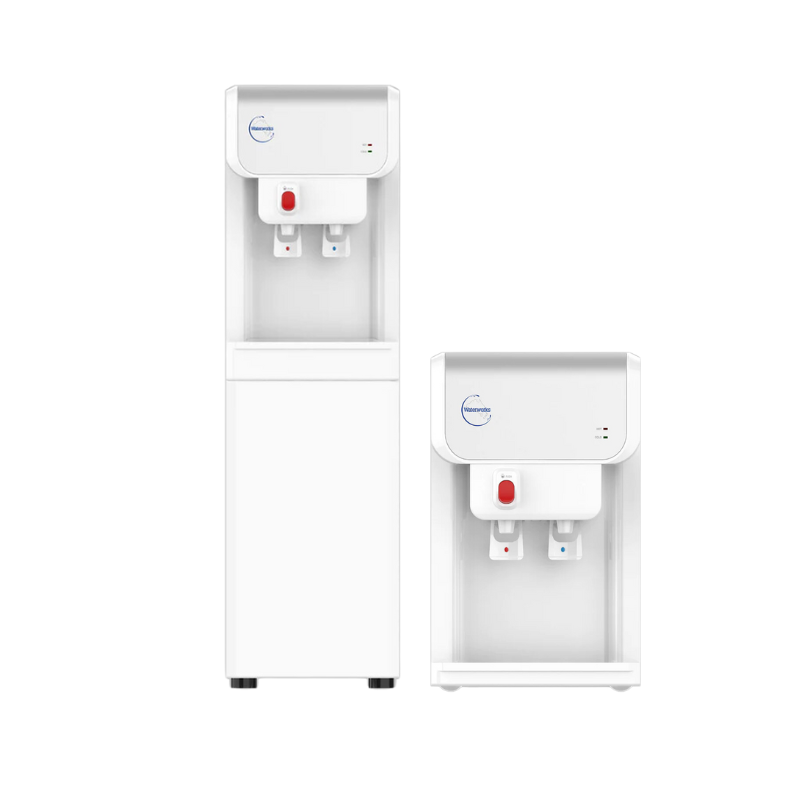
- Freestanding — a floor-standing, bottle-fed unit. Highest capacity, no plumbing, easy to move. Best all-rounder for homes and offices. Browse the freestanding water coolers range.
- Benchtop — sits on a counter to save floor space, ideal for small kitchens. See benchtop water coolers.
- Plumbed-in (bottleless) — connects to your mains so there are no bottles to refill, but needs installation. See plumbed-in water coolers.
A few popular models to start with
If you've decided a floor-standing, bottle-fed unit suits your space, here are three good starting points across budgets:


Frequently asked questions
What's the difference between a water cooler and a water dispenser?
In everyday use the terms are interchangeable — both describe a unit that dispenses cold (and often hot) water on demand. "Cooler" tends to emphasise the chilling function, while "dispenser" is the broader term. A freestanding water cooler and a freestanding water dispenser are the same kind of product.
Do water coolers filter the water?
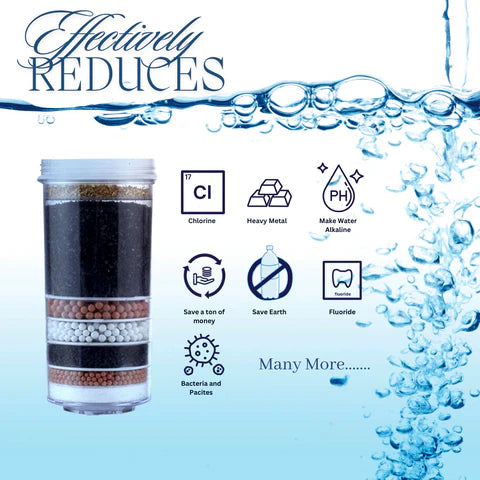
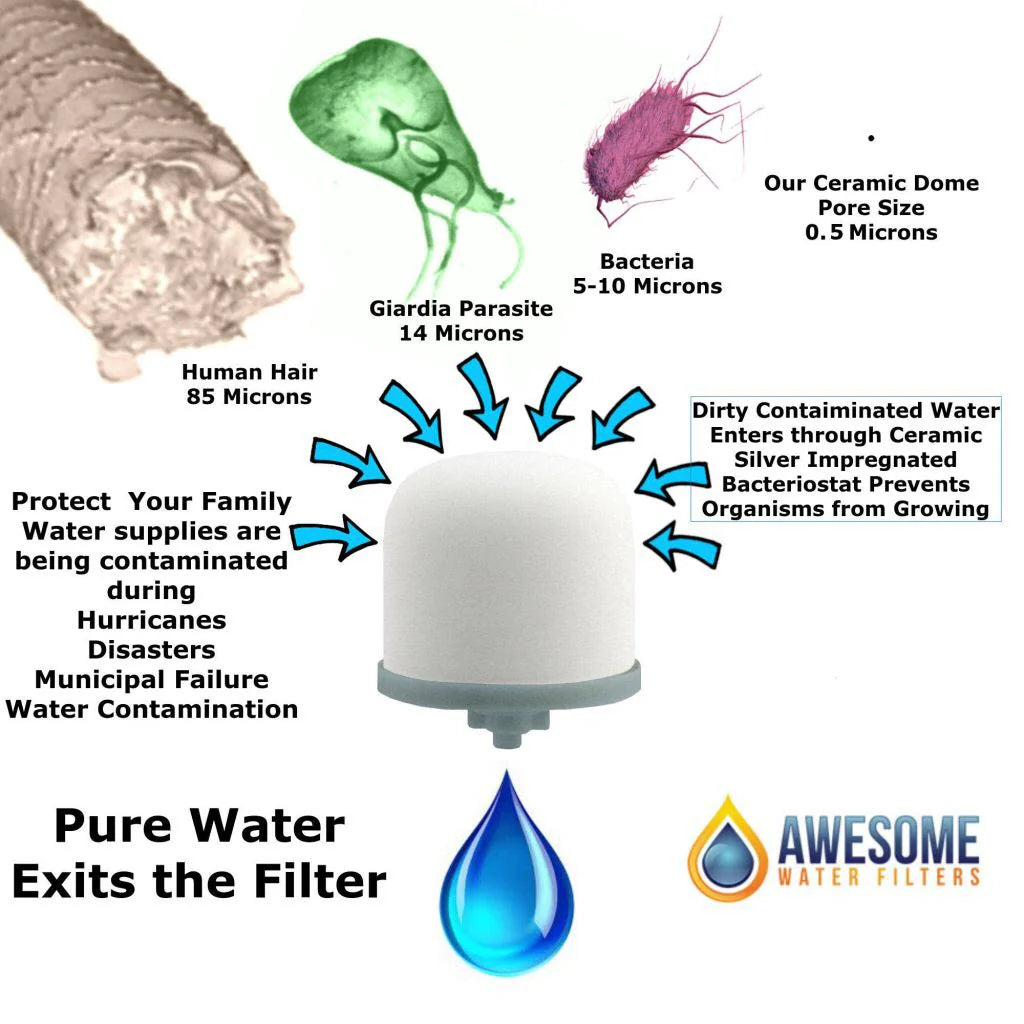
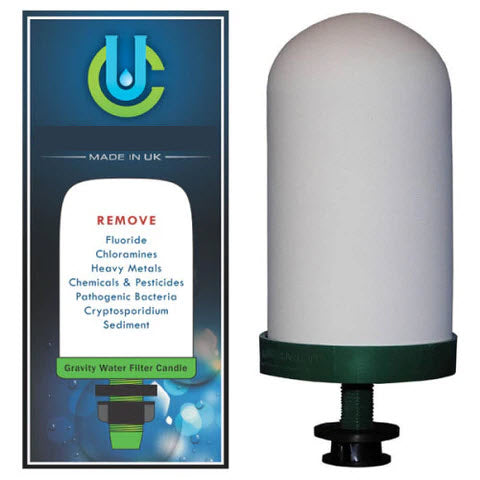
Bottle-fed coolers dispense whatever water you load into them, so the filtration comes from the bottle or cartridge you use. A multi-stage filter cartridge improves taste and reduces the chlorine smell and taste of tap water before it reaches the tank. Replace the cartridge every 6–12 months to keep the water fresh.
How much electricity does a water cooler use?
Modern coolers are fairly economical, and many include an ECO or energy-saving mode that reduces power overnight and on weekends. Cold-only models use the least power; hot-and-cold units use a little more because they keep a tank heated.
Is it better to buy or rent a water cooler?
For long-term use, buying is usually cheaper because rental charges an ongoing monthly fee with no end date, while buying is a one-off cost plus inexpensive replacement filters. Renting suits short-term needs, like a temporary office or an event.
Ready to choose? Compare models, prices and configurations in our freestanding water coolers range, or talk to our team on 1800 789 781.