

















5 Signs It’s Time to Replace Your Water Filter Cartridge
5 Signs It’s Time to Replace Your Water Filter Cartridge
Most water filter cartridges do not come with a warning light, so it is easy to leave them in longer than you should. The problem is that an old cartridge can lose filtration performance long before it looks dirty, especially if it uses carbon, activated alumina, ceramic or reverse osmosis media.
Here are five clear signs it may be time to replace your water filter cartridge, plus a simple replacement schedule to help you stay ahead of taste, flow and water quality issues.
Quick answer: Replace your cartridge if the water tastes different, smells unusual, flows slowly, looks cloudy, shows visible particles or has reached its recommended replacement schedule.
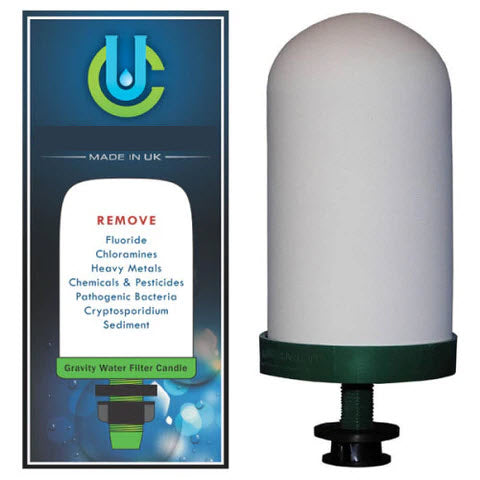
If you already know your size or system type, you can browse our replacement water filter cartridges and match by cartridge format, micron rating and system compatibility.

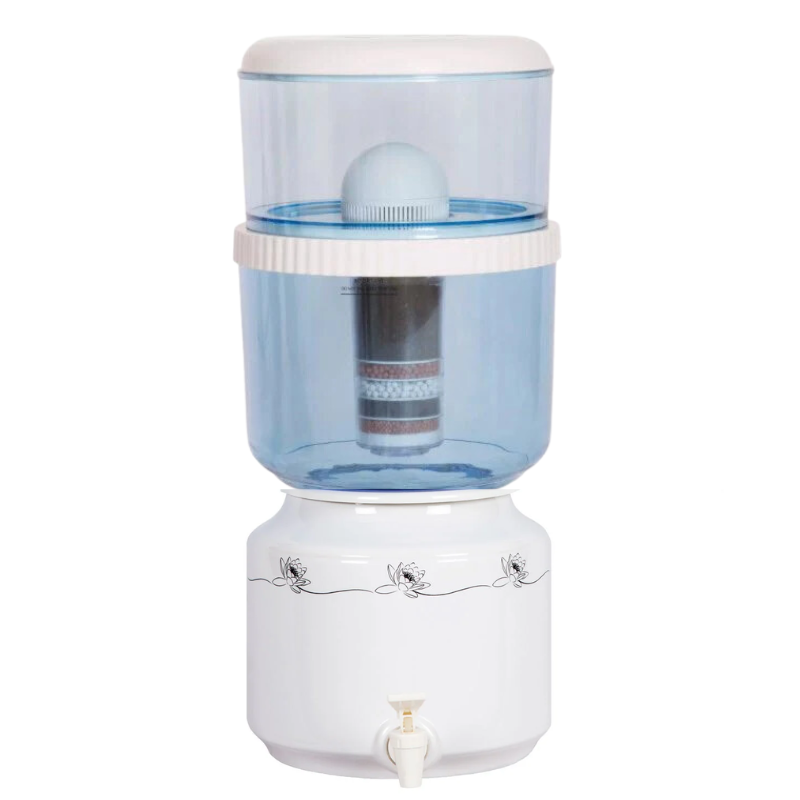
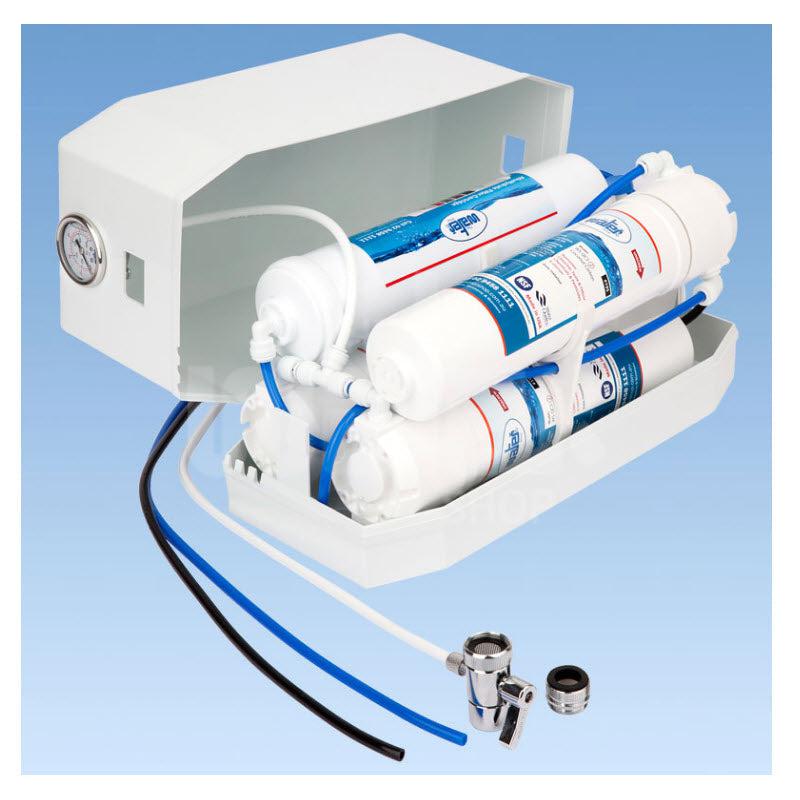
If your current setup is a benchtop or countertop system and you are unsure how the cartridge fits into the full unit, our Benchtop Water Filters Guide explains the main system types and how they work.
Sign 1: Your Water Tastes or Smells Different
A change in taste or odour is one of the easiest signs to notice. If your filtered water starts tasting like chlorine again, develops a musty smell or simply tastes flat and unpleasant, the cartridge may be exhausted.
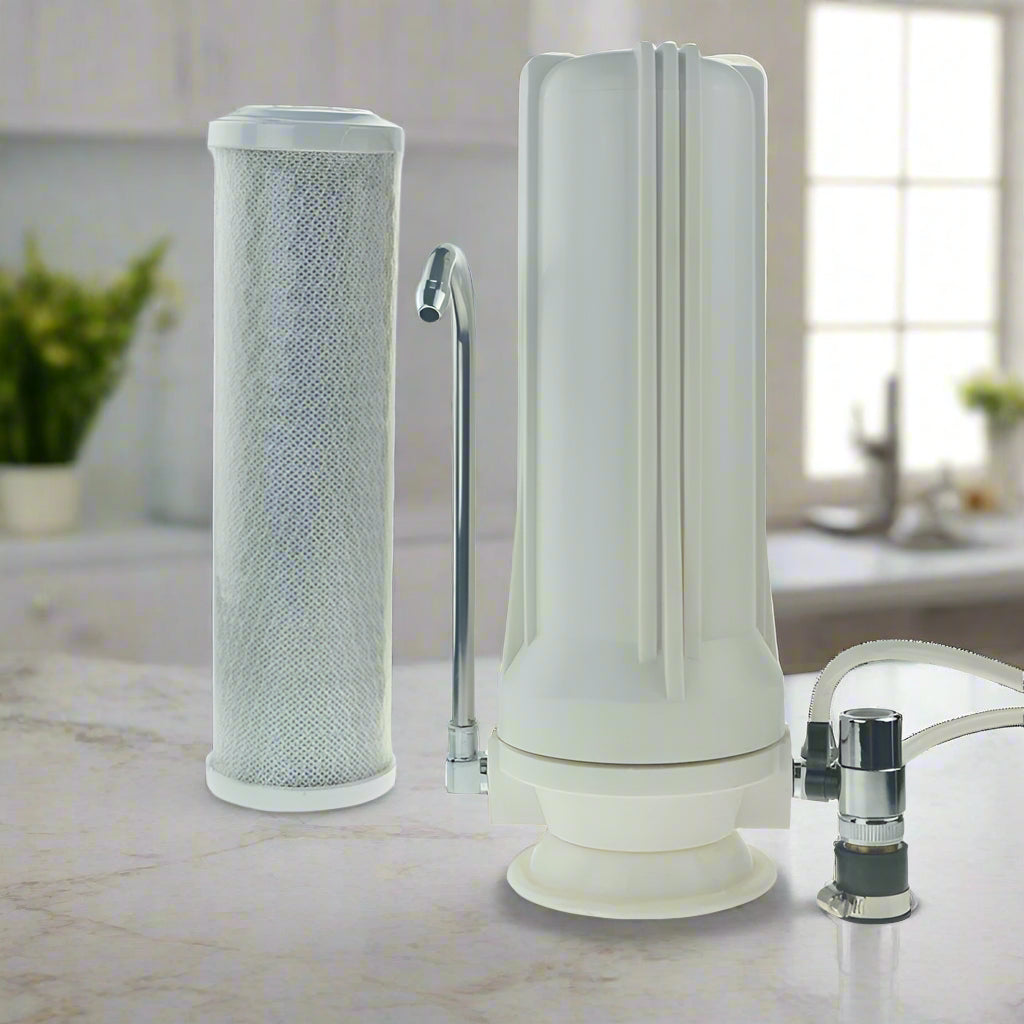
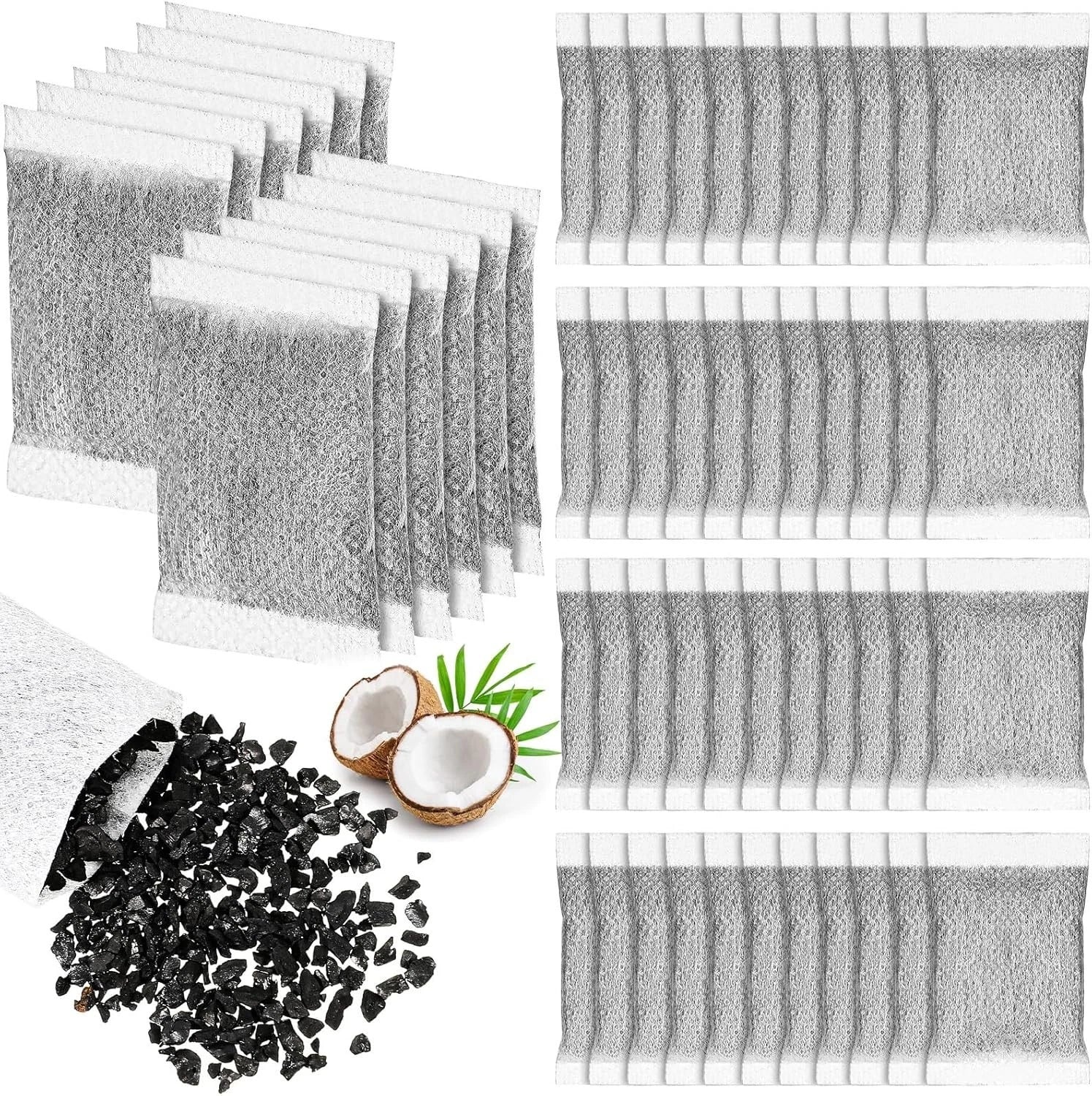
This is especially common with carbon cartridges, which are designed to reduce chlorine, taste and odour. Once the carbon media is spent, the cartridge cannot keep doing the same job properly. Replacing it on time helps keep your water tasting fresh and reduces the chance of stale water sitting inside an old filter stage.
Sign 2: The Water Flow Has Slowed Down
A gradual reduction in water flow usually means the cartridge is clogging with sediment, fine particles or trapped contaminants. This is normal because it means the filter is capturing material as intended, but once the flow becomes noticeably slower, the cartridge is ready to be replaced.
Do not wait until the flow stops completely. A badly clogged cartridge can put extra strain on the system, reduce convenience and make it harder to tell whether the water is being filtered properly.
Sign 3: You Can See Particles or Cloudiness
If you can see visible particles, cloudiness or floating debris in your filtered water, the cartridge may no longer be filtering effectively. This can happen when a filter stage is overloaded, damaged, installed incorrectly or left in service too long.
Visible particles after filtration should not be ignored. Replace the cartridge, check the housing seal and confirm that the cartridge is the right size and format for your system.
Sign 4: You Have Reached the Replacement Schedule
The most important sign is not a taste change or a flow issue. It is the calendar. Many cartridges should be replaced every 6 to 12 months, even if the water still looks and tastes normal.
Some media types exhaust gradually with very little warning. Carbon, activated alumina, KDF, ceramic and reverse osmosis stages can all lose performance over time, depending on water quality and usage. Set a reminder when you install a new cartridge so you are not relying on memory.
Sign 5: You Cannot Remember When You Last Changed It
If you genuinely cannot remember when you last changed your cartridge, it is usually safer to replace it. This is especially true for drinking water systems that are used every day, whole house systems handling high water volume or reverse osmosis systems where pre-filters protect the RO membrane.
If you are unsure which cartridge you need, compare the label, size, connection style and system type before ordering. You can also contact us with your system details or call 1800 789 781 and we can help narrow it down.
Replacement Schedule by Filter Type
The table below gives a general guide only. Always check the instructions for your specific cartridge, as water quality, household size and daily use can change the replacement interval.
| Filter Type | Typical Replacement Time |
|---|---|
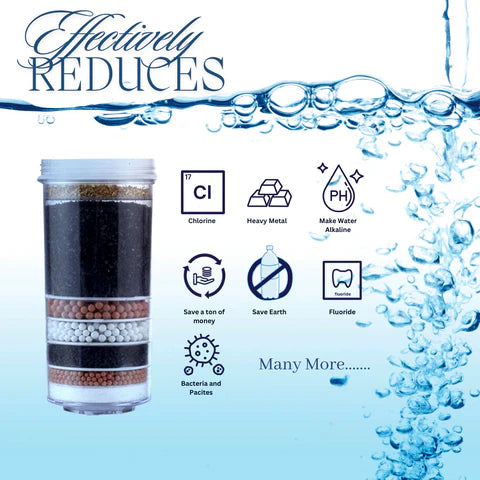
| 8-stage KDF benchtop cartridge | 6 to 12 months |
| Fluoride removal cartridge with activated alumina | 6 to 12 months |
| Under sink carbon cartridge | 6 to 12 months |
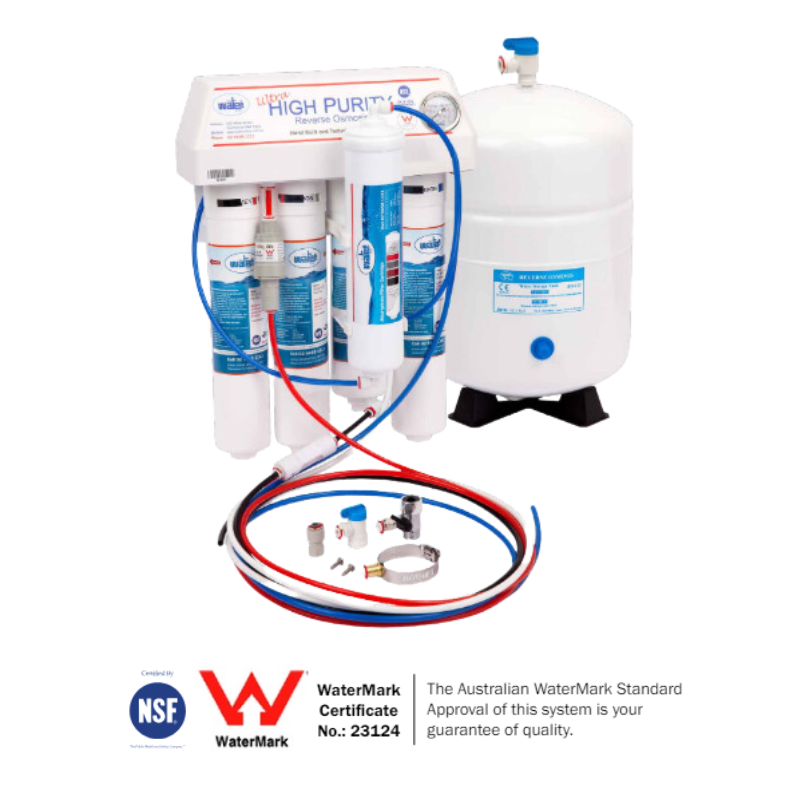
| Reverse osmosis pre and post carbon filters | 6 to 12 months |
| Reverse osmosis membrane | 12 to 24 months for many systems, or longer where specified by the manufacturer |
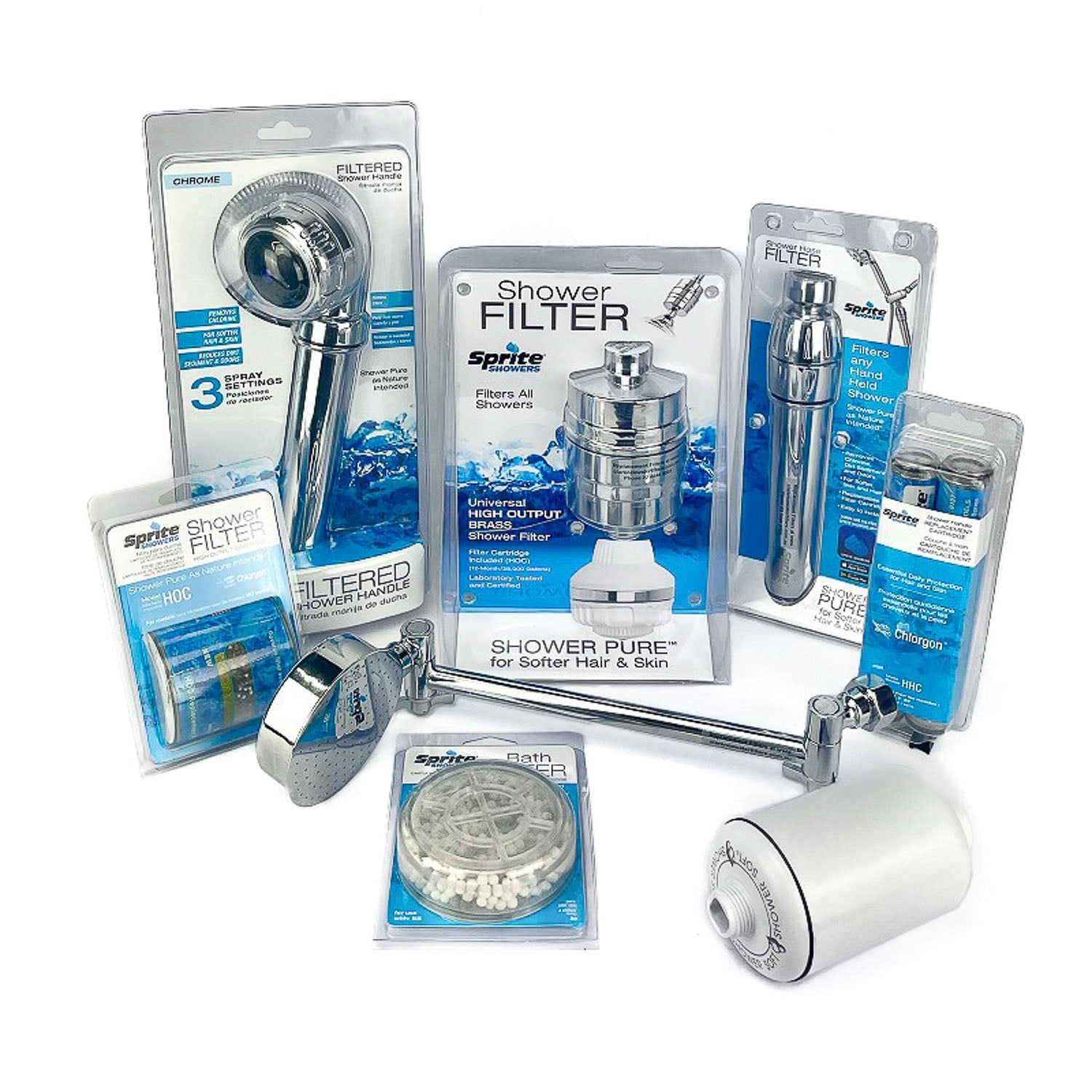
| Shower filter cartridge | 6 to 12 months |
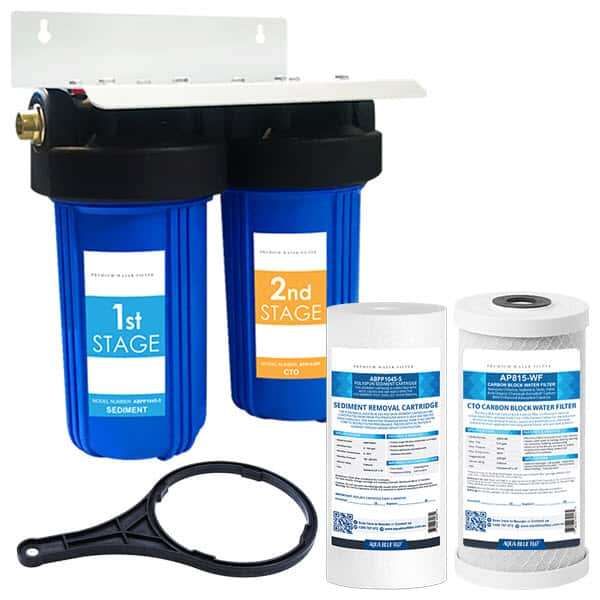
| Whole house sediment cartridge | 3 to 6 months |
For larger home systems, it is worth checking our whole house replacement water filters so each stage is matched correctly. If you use a reverse osmosis setup, make sure the pre-filters, post-filters and membrane are replaced in the right order using compatible reverse osmosis replacement cartridges.
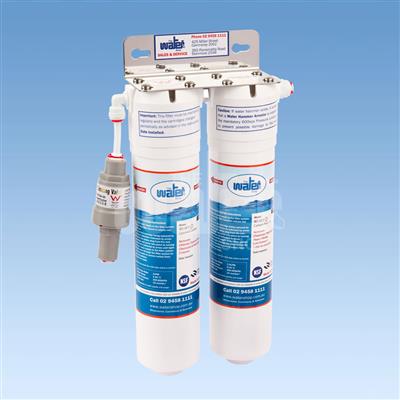
Why You Should Not Wait Too Long
An overdue cartridge may still allow water to pass through, but that does not mean it is filtering properly. Once a cartridge is exhausted, it may stop reducing the contaminants it was designed for, such as chlorine, sediment, taste, odour or dissolved solids in a multi-stage system.
In some systems, old cartridges can also affect downstream stages. For example, neglected sediment and carbon pre-filters in a reverse osmosis system can shorten the life of the RO membrane. In a whole house setup, a clogged sediment stage can reduce flow across multiple taps.
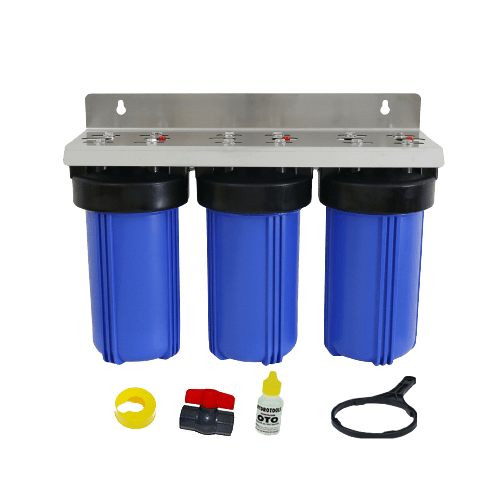
Need a replacement?
The safest approach is to replace like for like. Match the current cartridge size, stage type, micron rating and connection style before buying from our water filter cartridge replacement range.
Frequently Asked Questions
What happens if I do not replace my water filter cartridge?
An exhausted cartridge may stop filtering effectively, which means you could be drinking water that has passed through an old filter without getting the intended filtration benefit. It can also reduce flow and affect other stages in the system. Replace your cartridge on schedule and choose a compatible replacement for your housing.
How do I know which replacement cartridge I need?
Check the label on your current cartridge, then match the size, system type, connection format, micron rating and filtration stage. If you are unsure, you can browse our replacement water filter cartridge collection or contact us with your system model and a clear photo of the cartridge.
Should I replace every stage at the same time?
Not always. Sediment filters, carbon cartridges, specialty media and RO membranes often have different lifespans. Replace each stage according to the system instructions, but consider replacing a full set if the system has not been serviced for a long time.
Can I use a different brand cartridge?
Sometimes, but only if the size, seal, fitting, flow rate, media type and cartridge format are compatible with your system. If in doubt, contact us before ordering so we can help reduce the chance of buying the wrong replacement.