Benchtop Water Purifier: How Safe Is the Water You’re Drinking?
August 01, 20242 min read
A benchtop water purifier transforms ordinary tap water into clean, great-tasting drinking water — without any plumbing. Here’s how they work and what to look for when choosing one.
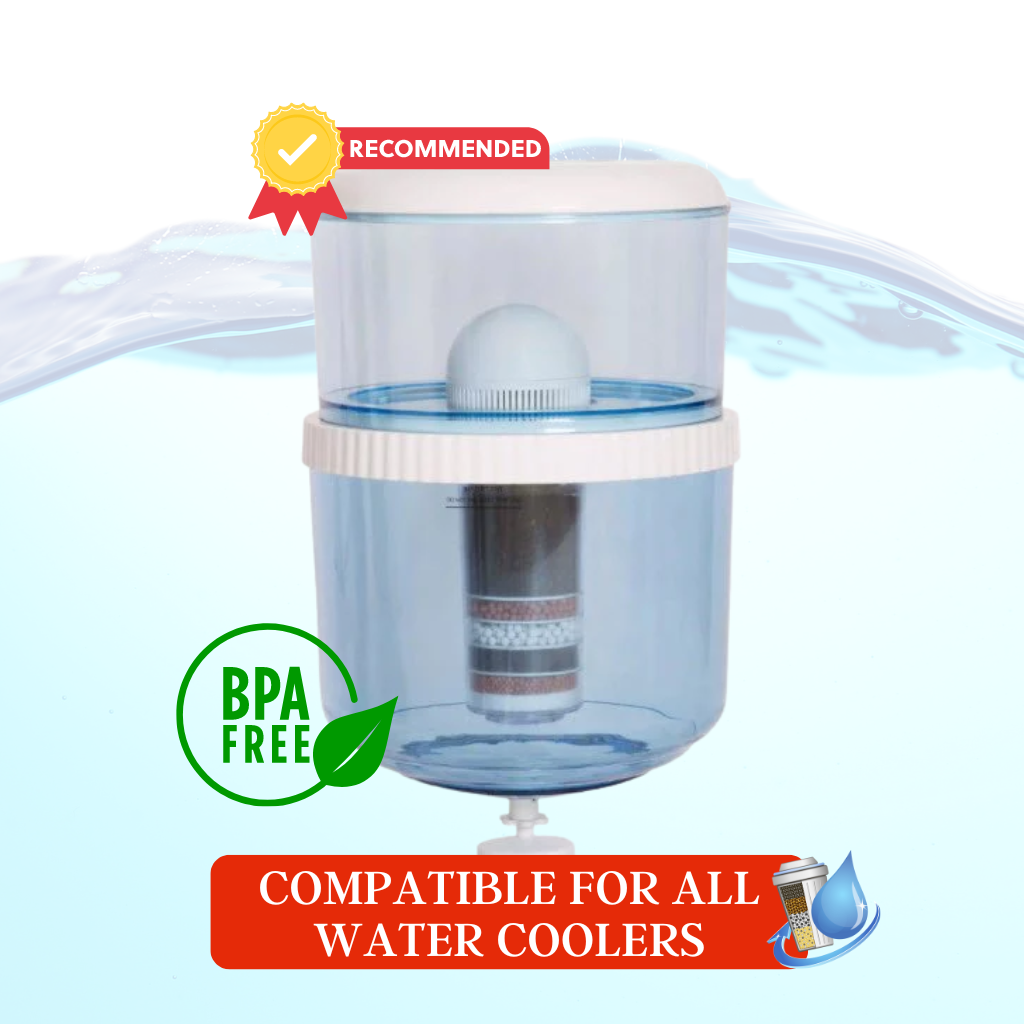
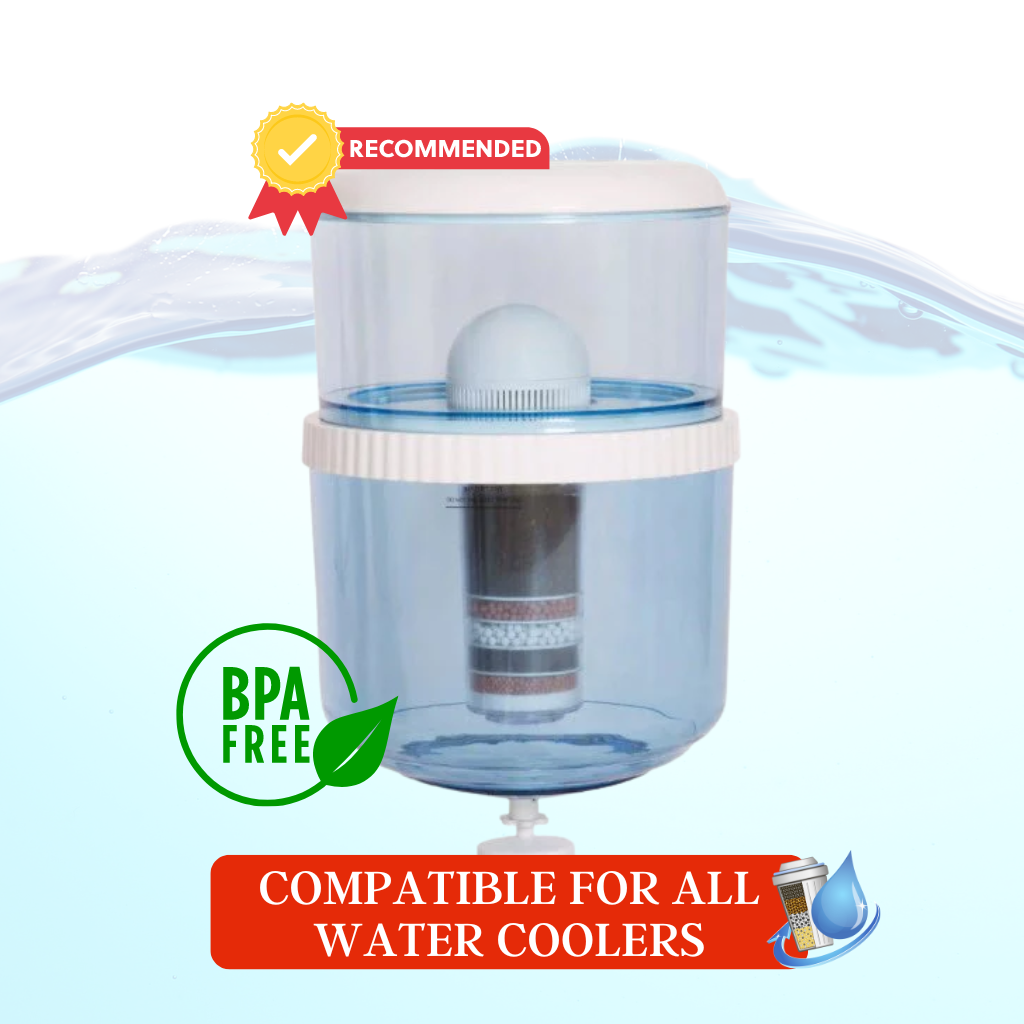
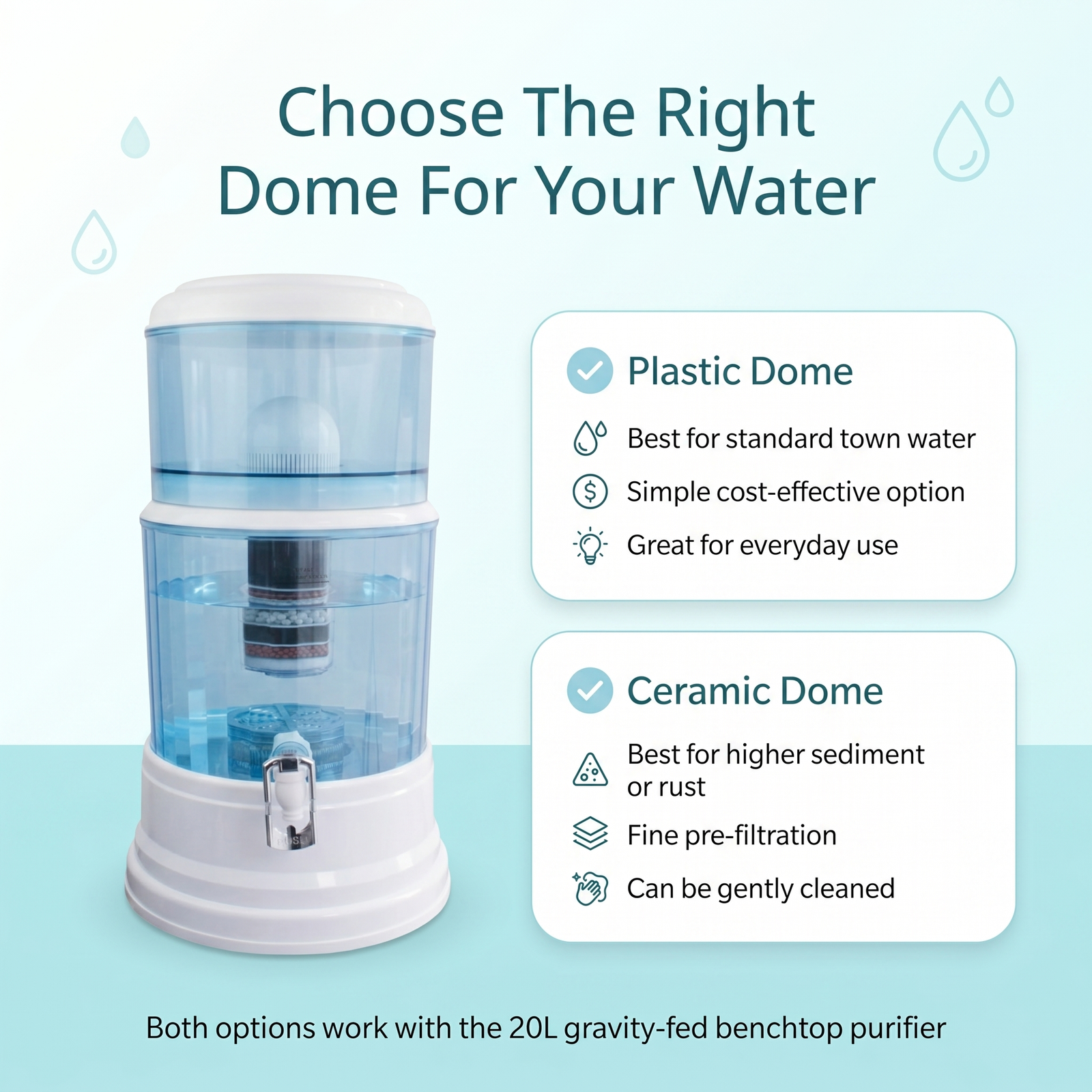
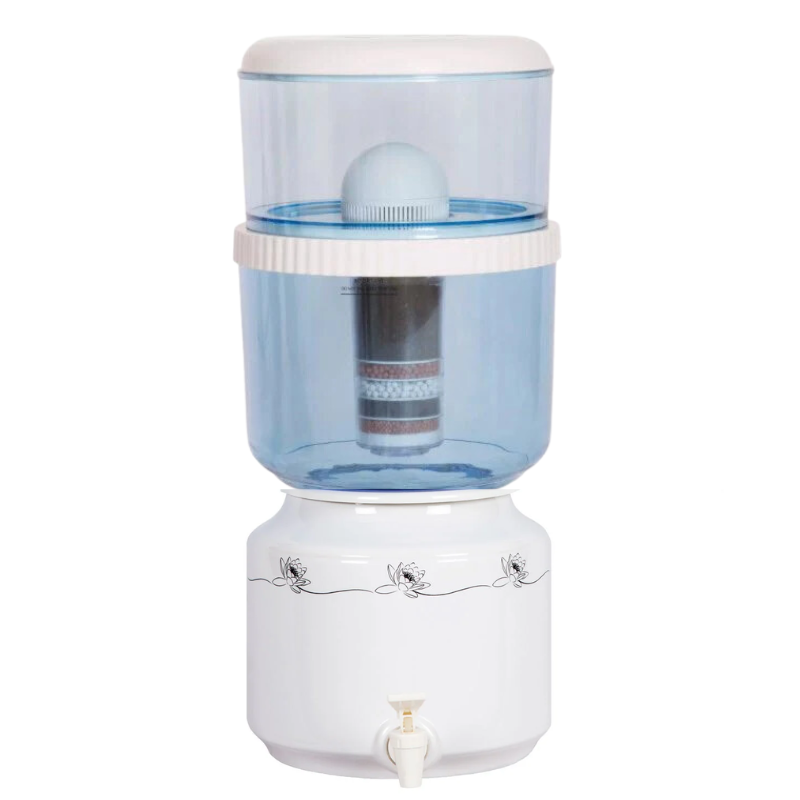
Water is poured into the top reservoir and gravity draws it through multiple filtration stages before collecting in the lower reservoir ready to drink. A quality 8-stage system uses the following stages in sequence:
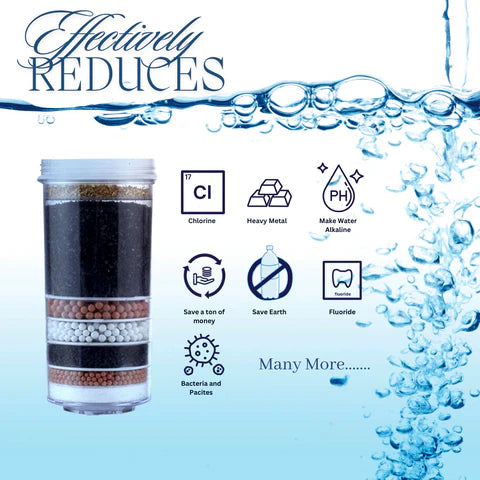
Coarse sediment layer — removes large particles, sand, and rust
KDF media — removes heavy metals (lead, mercury, copper) through a redox reaction
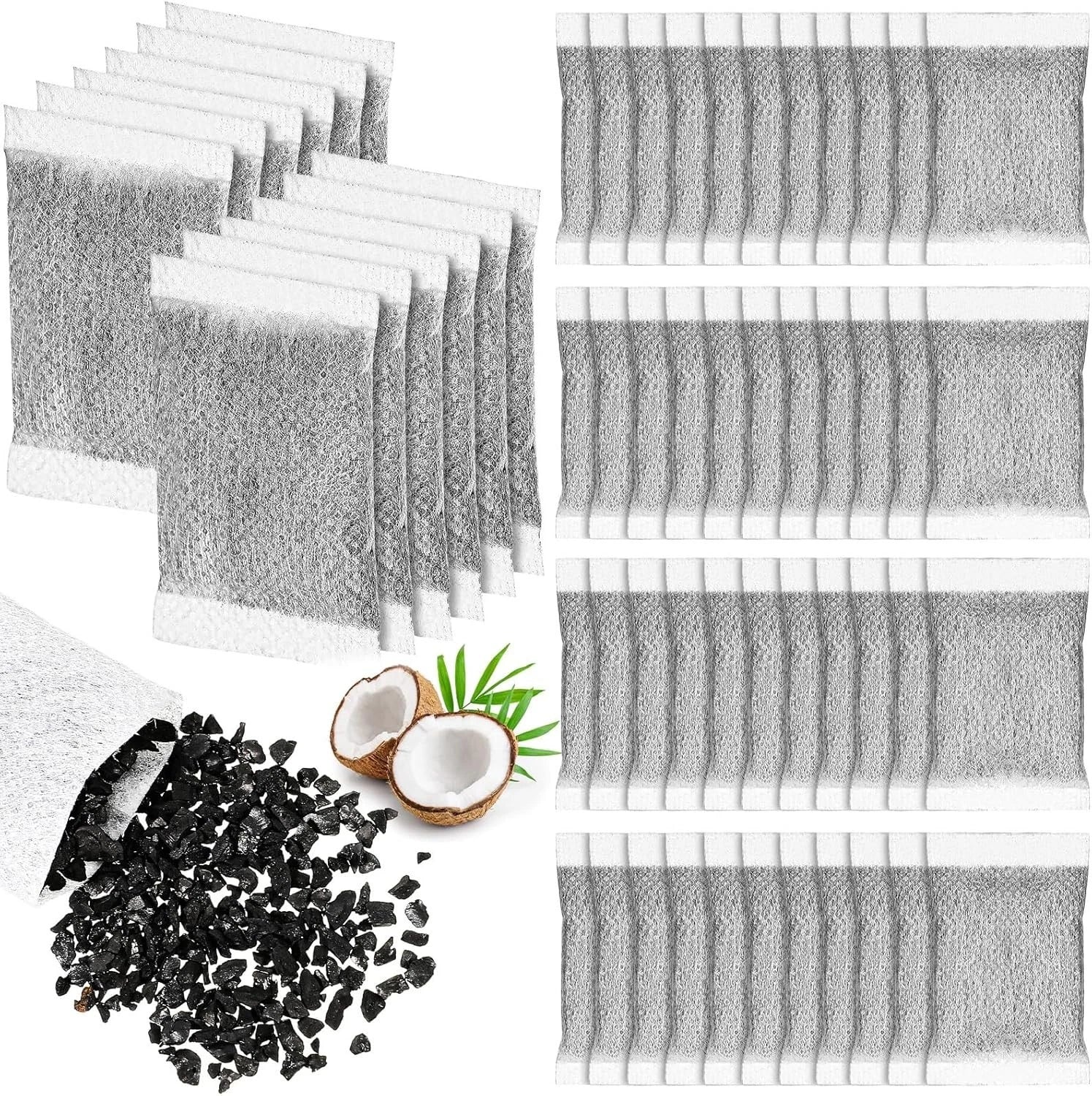
Activated carbon — removes chlorine, chloramines, VOCs, and taste/odour compounds
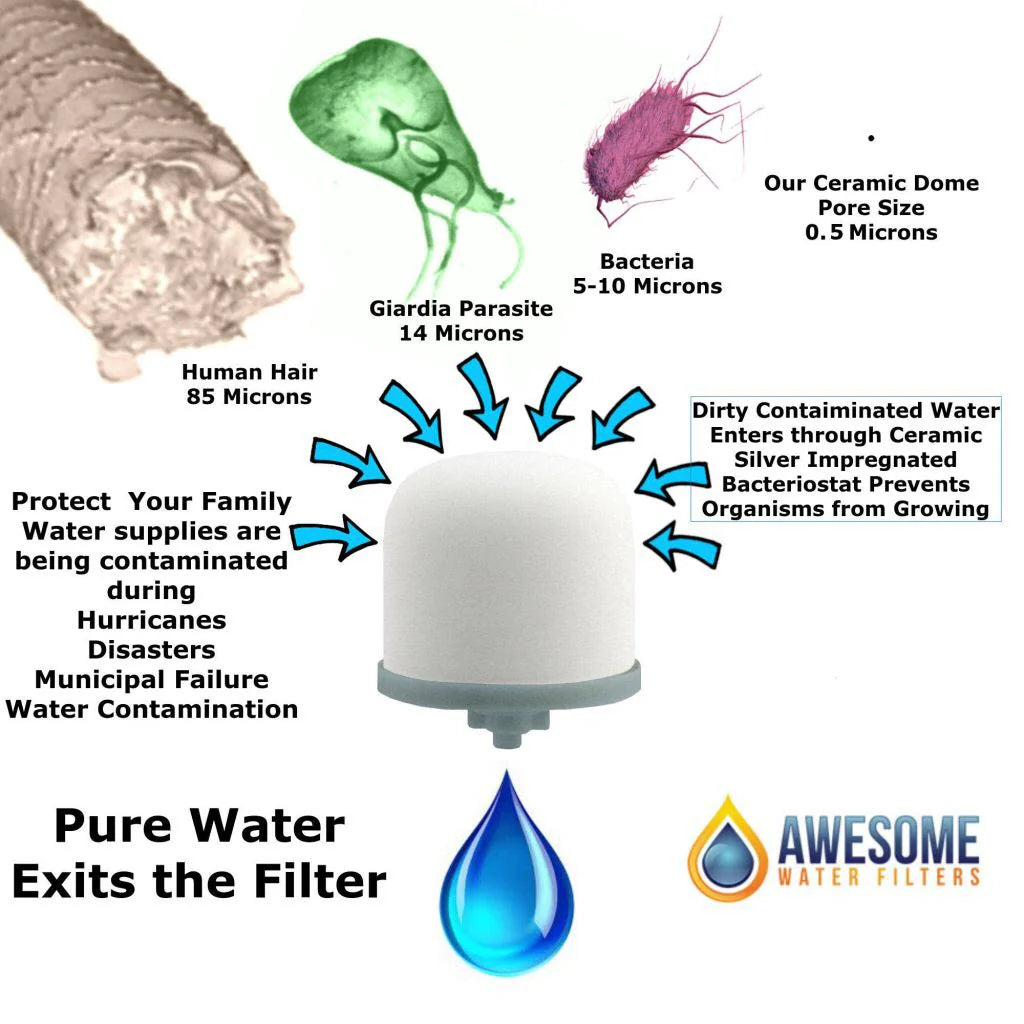
Ceramic stage — removes bacteria and fine particles
Mineral stone stages (maifan stone, far infrared balls, mineral balls) — release beneficial minerals and raise pH
Fine sediment layer — final polish
The result is filtered, mineralised, mildly alkaline water — without electricity or plumbing.
What a Benchtop Purifier Removes
✅ Chlorine and chloramines
✅ Heavy metals (lead, mercury, copper)
✅ Sediment and rust
✅ Bacteria (ceramic stage)
✅ VOCs and pesticides
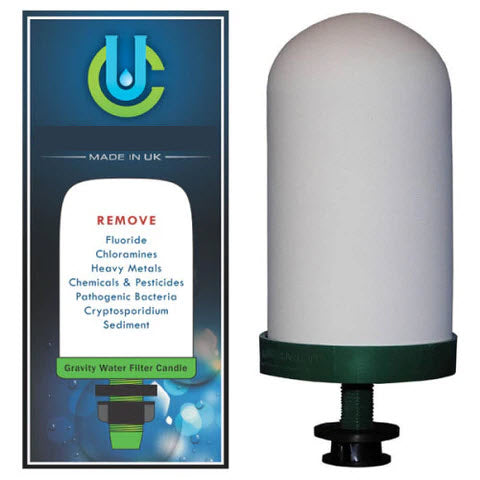
❌ Fluoride (not removed by standard carbon/KDF systems)
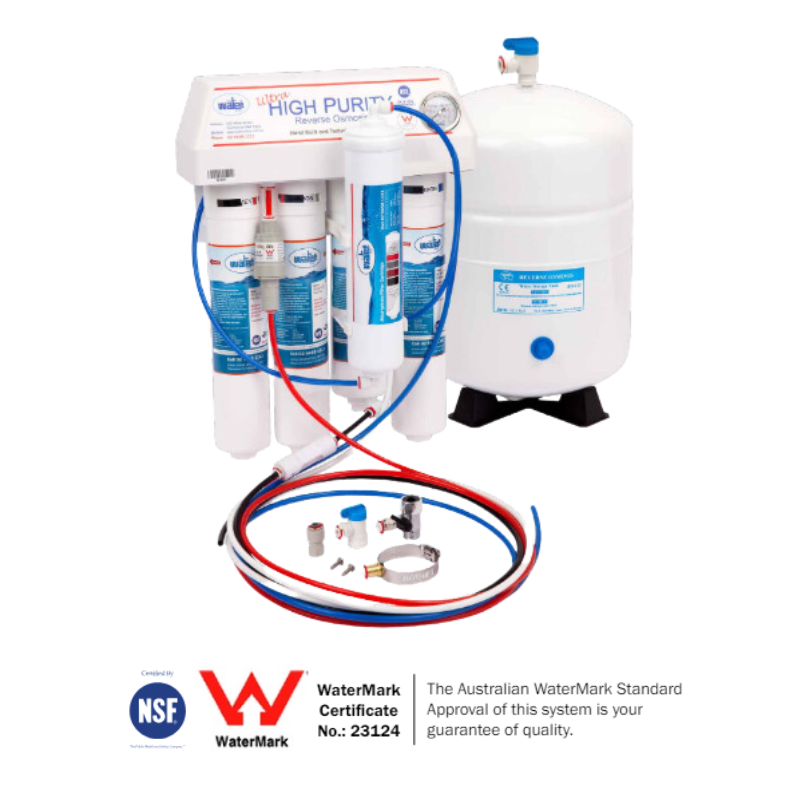
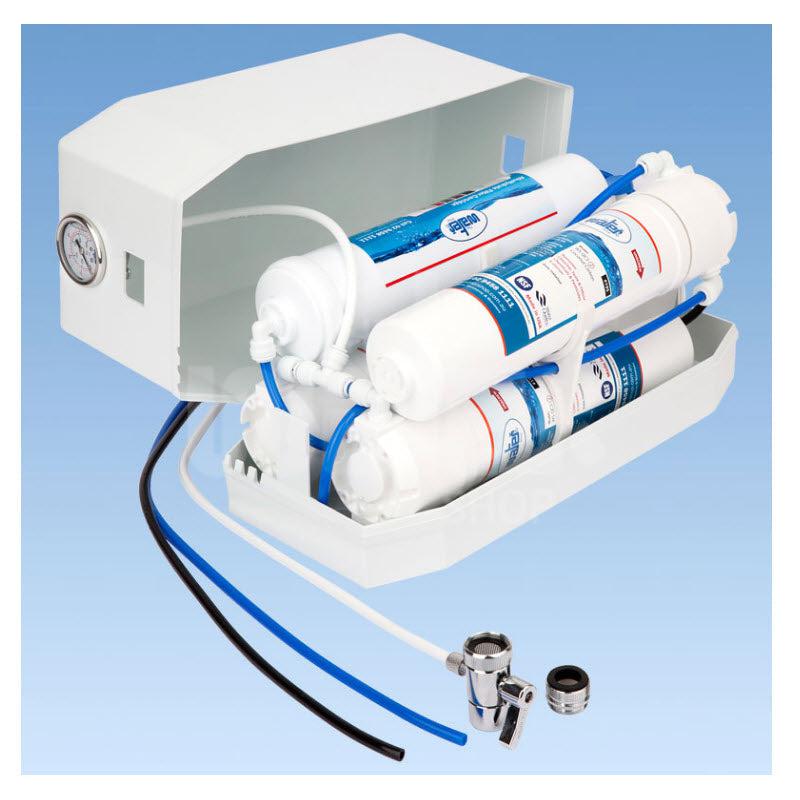
The most comprehensive purification method — removes up to 99% of dissolved contaminants including fluoride. Requires plumbing and produces wastewater. Browse our RO range.
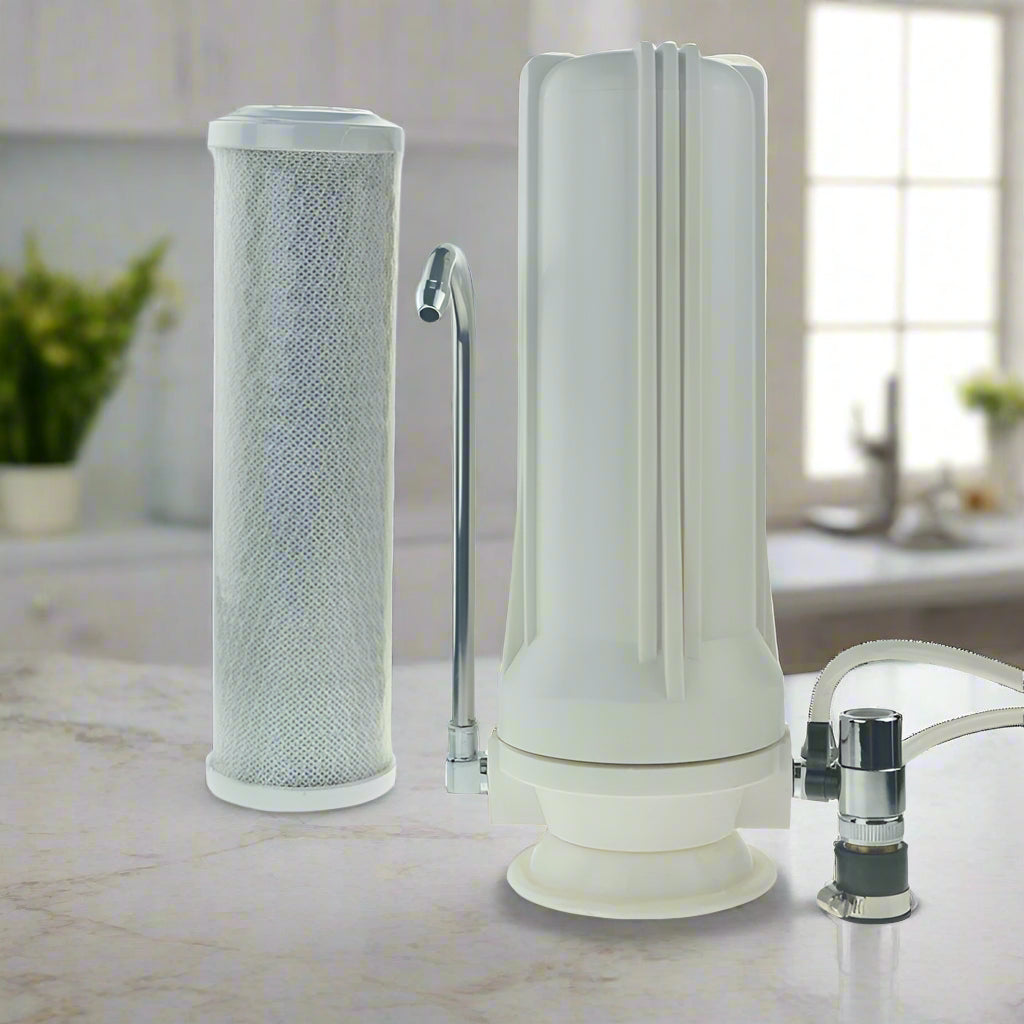
Activated Carbon
The core stage in most benchtop purifiers. Removes chlorine, VOCs, and taste/odour compounds through adsorption. Does not remove fluoride or bacteria on its own.
Ion Exchange (Water Softening)
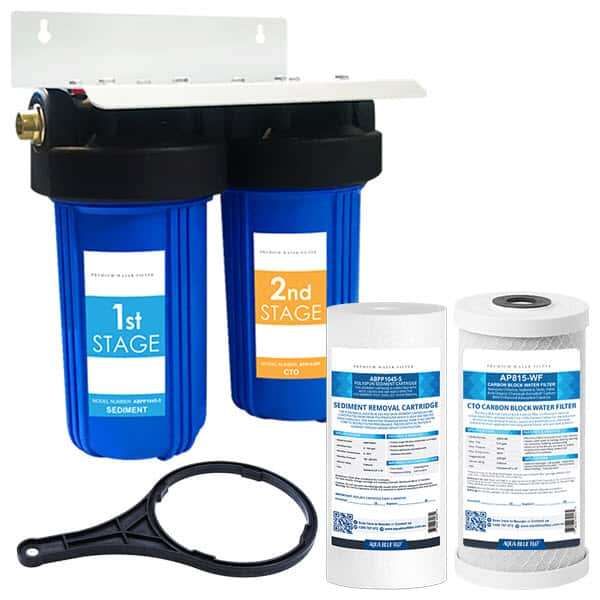
Swaps calcium and magnesium ions (hardness) for sodium or potassium ions. Prevents scale buildup in appliances. Not typically included in benchtop gravity filters — more common in whole house softener systems.
Frequently Asked Questions
How often do I replace the cartridge in a benchtop water purifier?
Every 6–12 months depending on usage and water quality. Browse our replacement cartridge range for compatible options.
Do I need plumbing to install a benchtop water purifier?
No — gravity-fed benchtop purifiers require no plumbing or electricity. Fill the top reservoir from your tap and gravity does the rest. Ideal for renters and anyone who doesn’t want to modify their plumbing.
Is a benchtop purifier as good as reverse osmosis?
A quality 8-stage benchtop purifier removes the main contaminants of concern for Australian town water — chlorine, heavy metals, sediment, and bacteria. RO provides higher purity and removes fluoride, but requires plumbing. For most households, a benchtop purifier is the more practical choice. Call us on 1800 789 781 for advice.
Subscribe
Sign up to get the latest on sales, new releases and more …