

















How to Distill Water at Home: The Easiest Methods Explained
How to Distill Water at Home: The Easiest Methods Explained
Distilled water is one of the purest forms of water you can make at home. It is produced by heating water into steam, then cooling that steam back into liquid so many minerals, dissolved solids and contaminants are left behind in the boiling chamber.
There are a few ways to make distilled water, from a simple stovetop setup to a dedicated benchtop distiller. The right method depends on how much water you need, how often you need it and whether you want a practical everyday solution or a one-off emergency method.
Quick answer: The easiest and most consistent way to distill water at home is with a benchtop water distiller. Stovetop distillation can work in small batches, but it is slower, less convenient and needs close attention.
If you want a plug-in option for regular use, browse our water distillers and steam purifiers.
For a deeper explanation of distillation, cleaning, uses and buying considerations, our Water Distillers Guide covers the full process in more detail.
Method 1: Use a Home Water Distiller
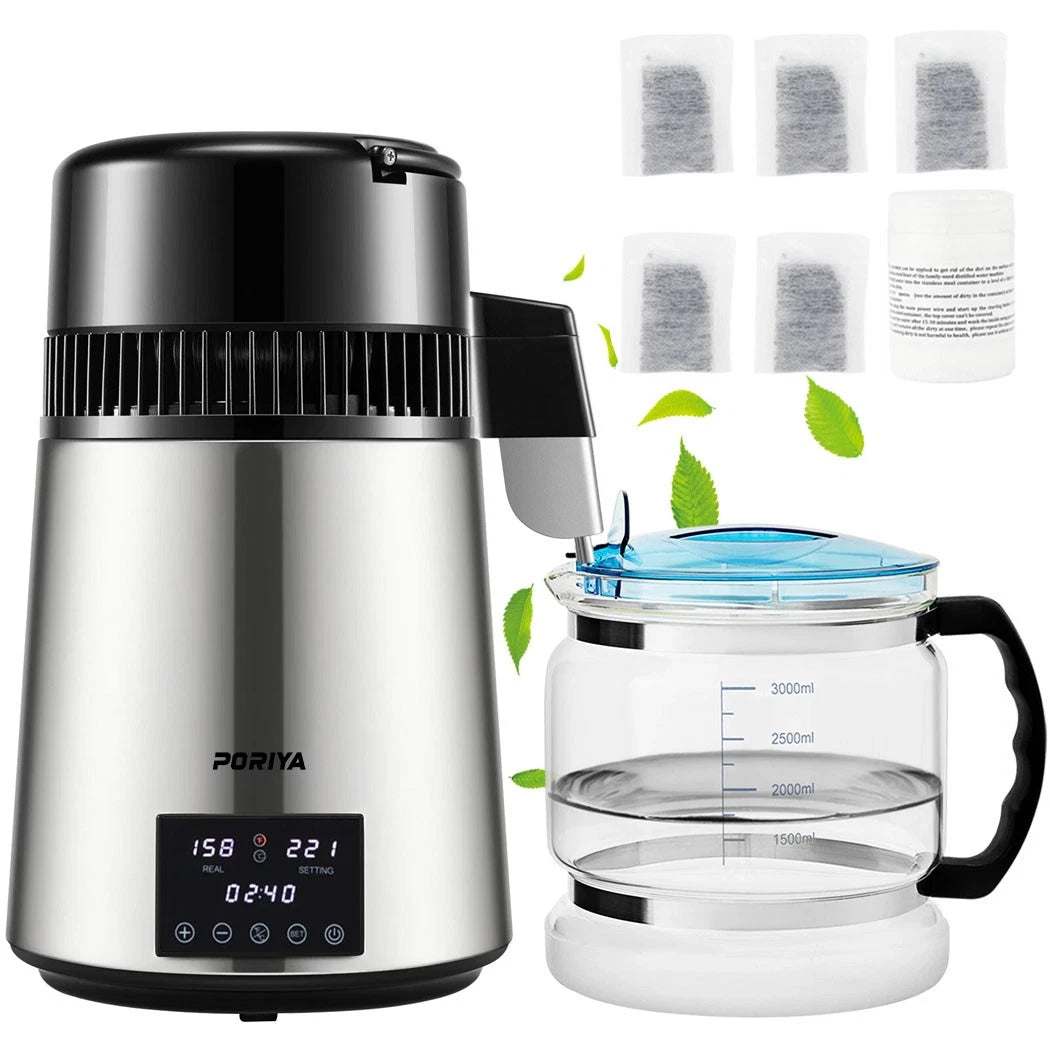
A benchtop water distiller is the easiest and most practical method for regular home use. You fill the boiling chamber with water, start the unit and collect distilled water in a separate jug once the cycle is complete. There is no plumbing, no complicated installation and no need to monitor a pot on the stove.
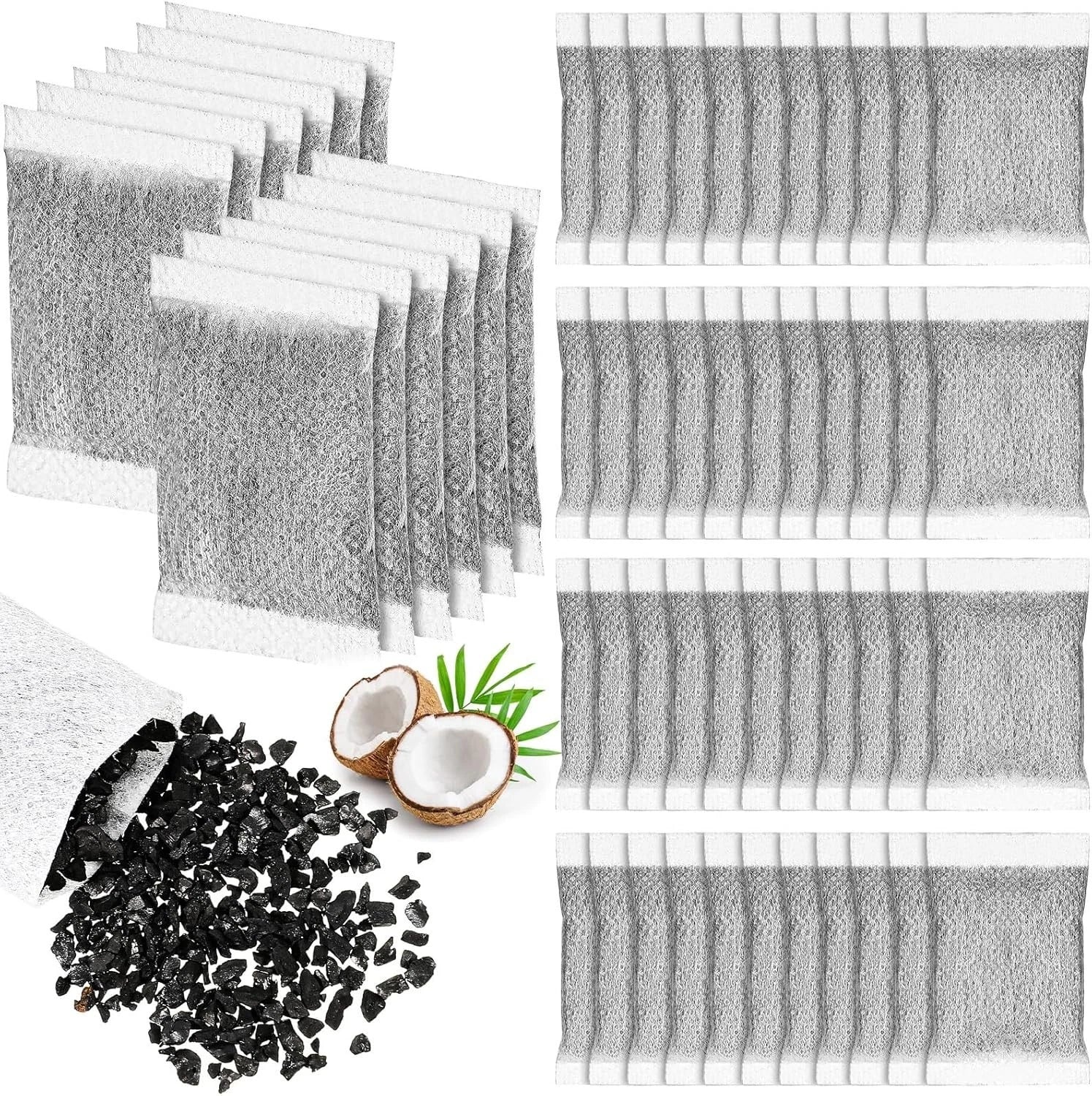
Most home distillers work by boiling water, collecting the steam and condensing it into a clean container. Many models also use a carbon post-filter to help improve taste and reduce certain carry-over odours from volatile compounds.

For most households, a dedicated distiller is the best choice if the goal is very low TDS water for drinking, appliances, humidifiers, steam irons or other uses where mineral-free water is preferred. You can compare models in our home water distiller range.
Best for: regular distilled water production, home drinking water with optional remineralisation, steam appliances, humidifiers and households that want a simple no-plumbing setup.
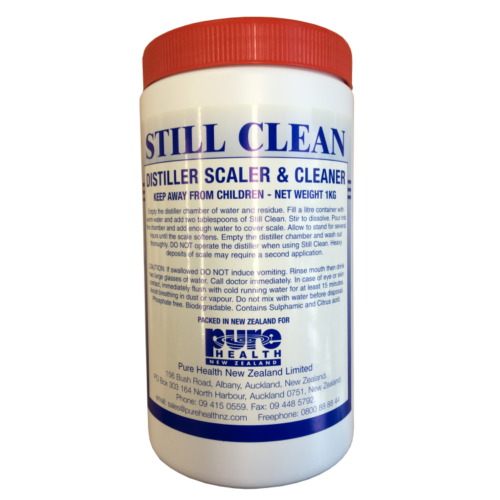
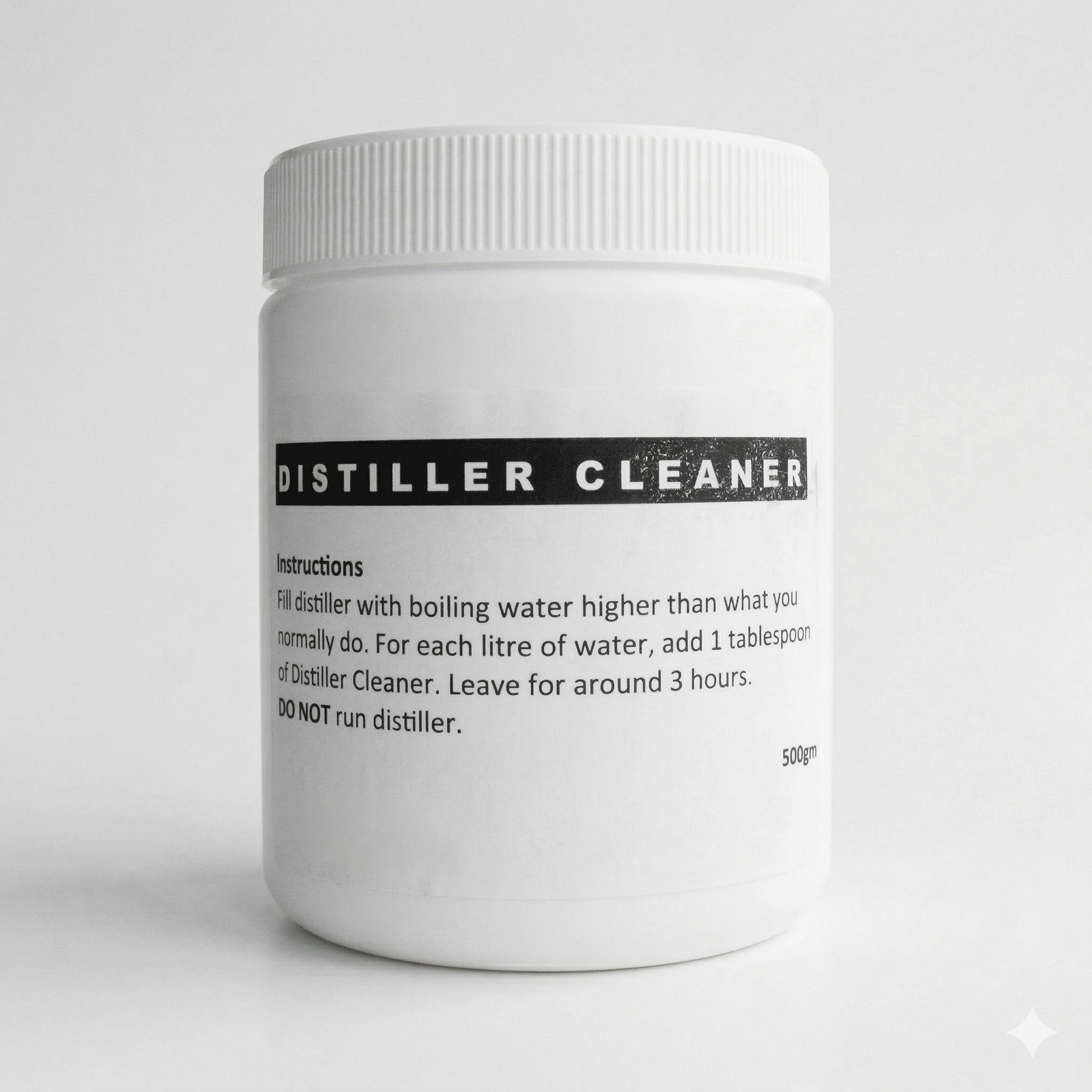
Limitations: A distiller takes time to complete each cycle, uses electricity and needs periodic descaling to remove mineral residue from the boiling chamber.
Method 2: Stovetop Distillation
The stovetop method can work if you only need a small amount of distilled water or want to understand the basic process. It uses a large pot, a floating heat-safe bowl, an inverted lid and ice to help condense steam back into liquid.
You will need: a large stainless steel pot, a rounded lid, a heat-safe bowl that can sit or float inside the pot, clean water and ice cubes.
- Half-fill the large pot with water.
- Place the heat-safe bowl inside the pot so it sits above the water or floats safely on the surface.
- Place the lid upside down on the pot so the centre of the lid slopes toward the bowl.
- Heat the water to a gentle boil.
- Place ice on top of the inverted lid so steam condenses on the underside of the lid.
- Allow the condensed water droplets to run down and drip into the bowl.
- Carefully remove the bowl and store the collected distilled water in a clean glass container.
This method is useful for learning how distillation works, but it is not ideal for everyday use. It produces small quantities, requires close attention and is easy to contaminate if the collection bowl, lid or storage container is not clean.
Best for: small batches, emergency use or demonstration purposes.
Limitations: Slow, inefficient and not practical if you need several litres of distilled water regularly.
Method 3: Collecting Rainwater
Rainwater begins as naturally evaporated and condensed water, but collected rainwater should not be treated as the same thing as properly distilled water. Once rain falls, it can pick up airborne particles, dust, smoke, roof debris, bird droppings, gutter contamination and storage tank bacteria.
Rainwater collected directly in a clean open container may be relatively low in minerals, but it is not automatically safe for drinking. Tank water should be tested and treated properly before use, especially if it is used for drinking water.
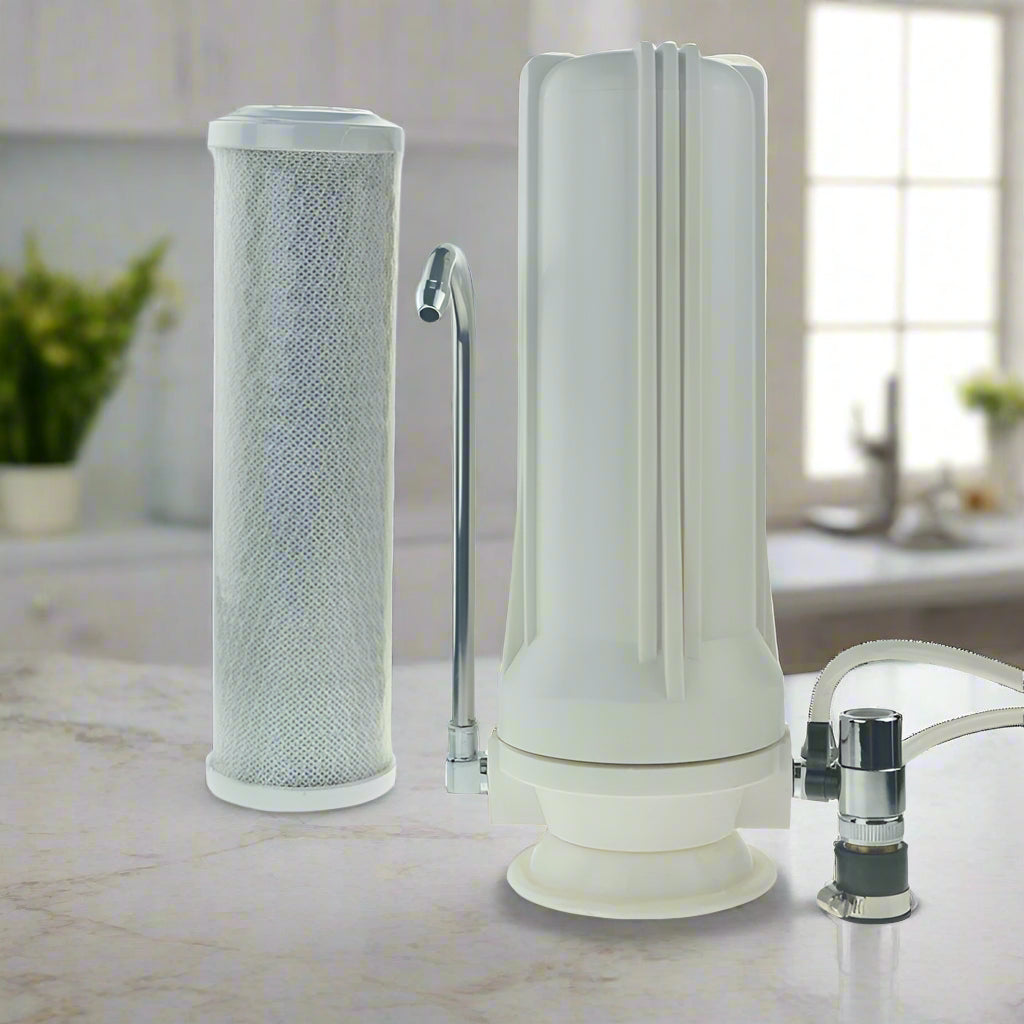
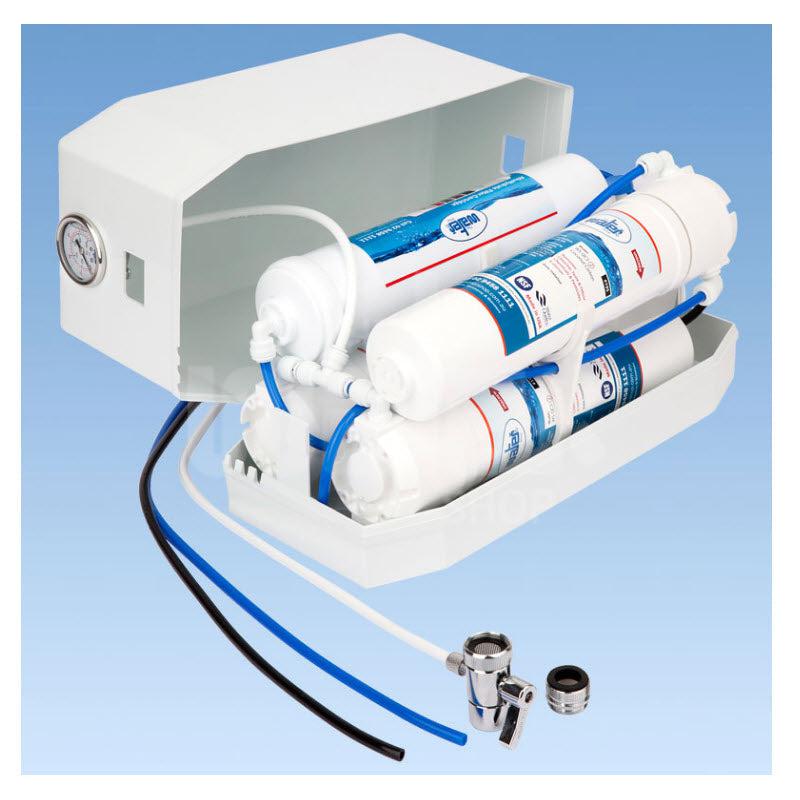
If your goal is better everyday drinking water from tank or tap water, a benchtop water filter guide can help you understand simple no-plumbing filtration options. If your goal is very low TDS water, distillation is the more direct method.
Distiller vs Reverse Osmosis vs Benchtop Filter
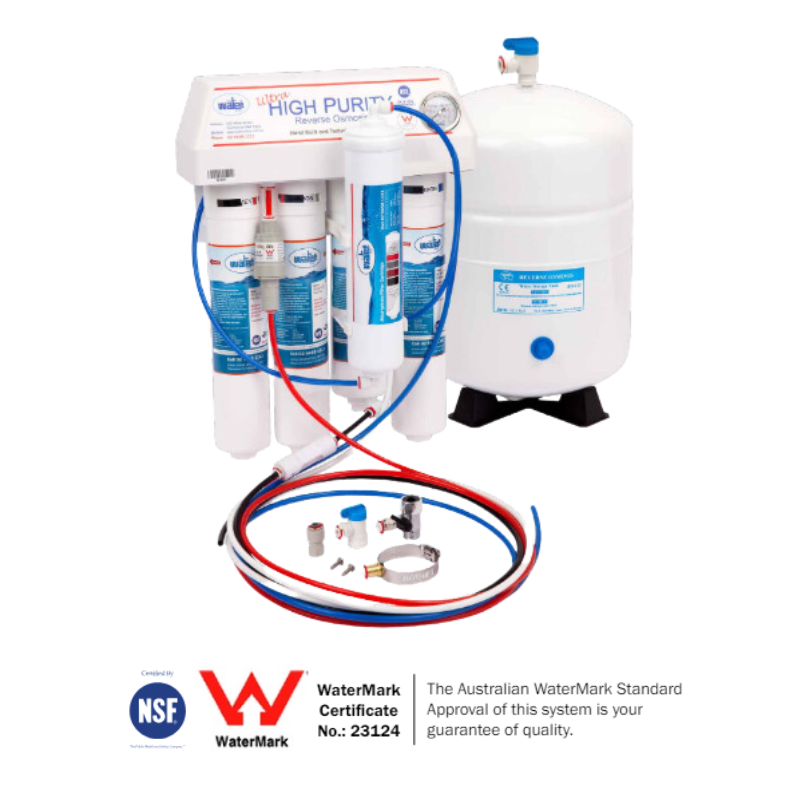
Distillation is not the only home water treatment option. If you want a plumbed-in system that produces filtered water through a dedicated tap, a reverse osmosis system may suit you better. If you mainly want to improve everyday tap water taste without removing most minerals, a benchtop filter may be more convenient.
| Goal | Best Option to Consider |
|---|---|
| Very low TDS water without plumbing | Home water distiller |
| Plumbed-in drinking water with high contaminant reduction | Reverse osmosis system |
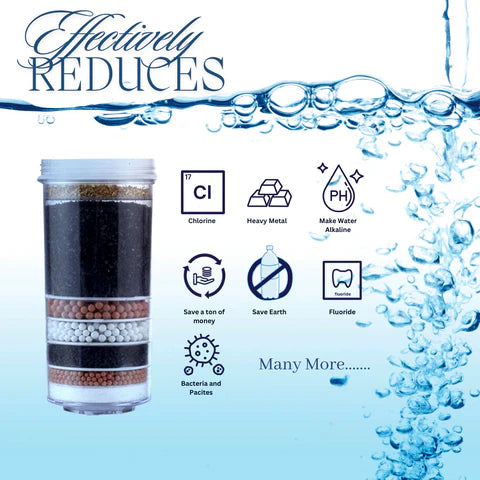
| Better taste, chlorine reduction and simple daily filtration | Benchtop water filter |
| Emergency microbiological treatment | Boiling water correctly |

If you prefer a plumbed-in system instead of waiting for distiller cycles, compare our reverse osmosis water filter systems. For a simpler countertop option focused on taste and convenience, browse our benchtop water filters.

What Does Distilled Water Taste Like?
Distilled water often tastes flat or neutral because most of the dissolved minerals have been removed. Some people prefer this clean taste, while others find it too plain compared with tap, spring or mineralised water.
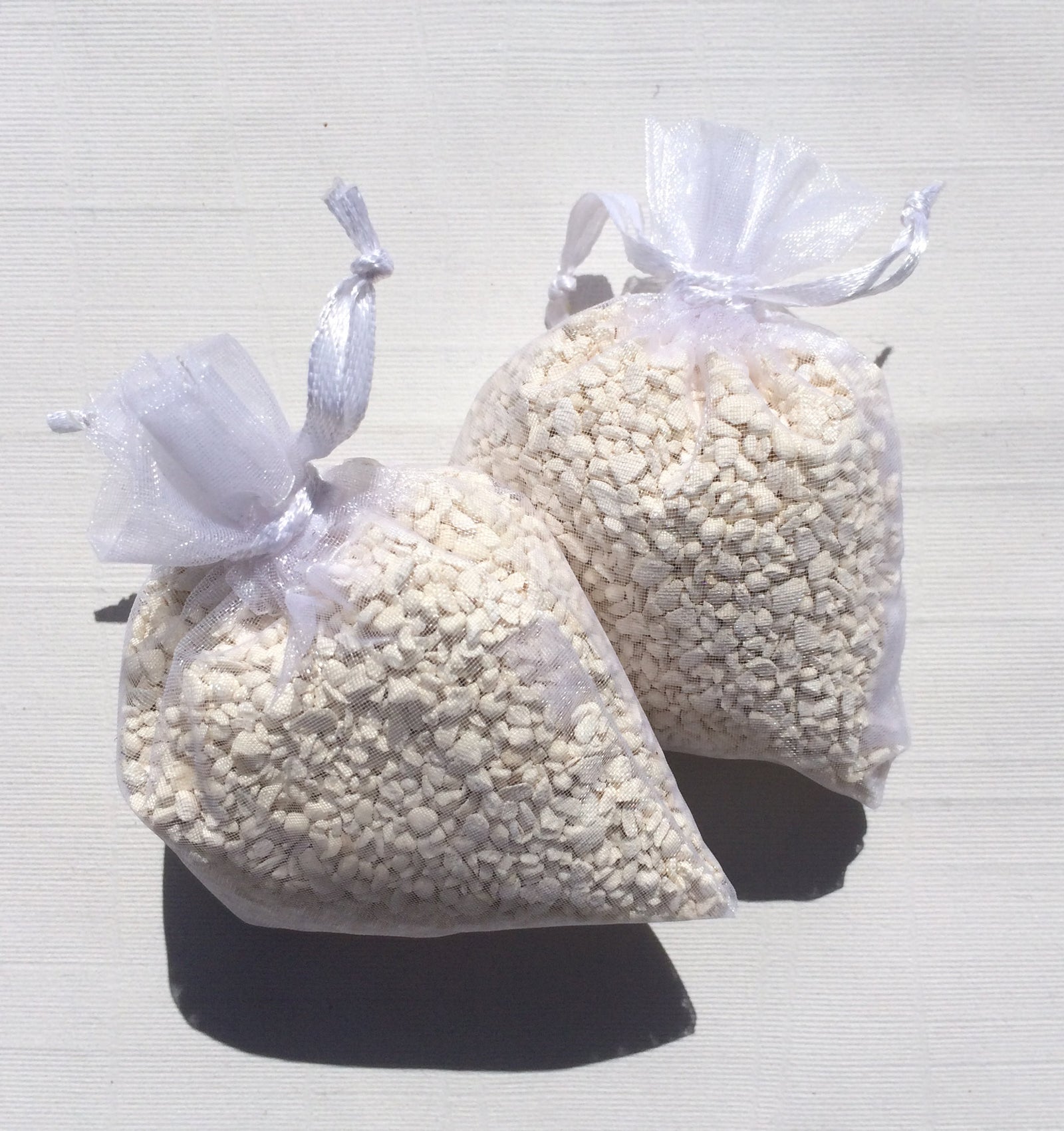
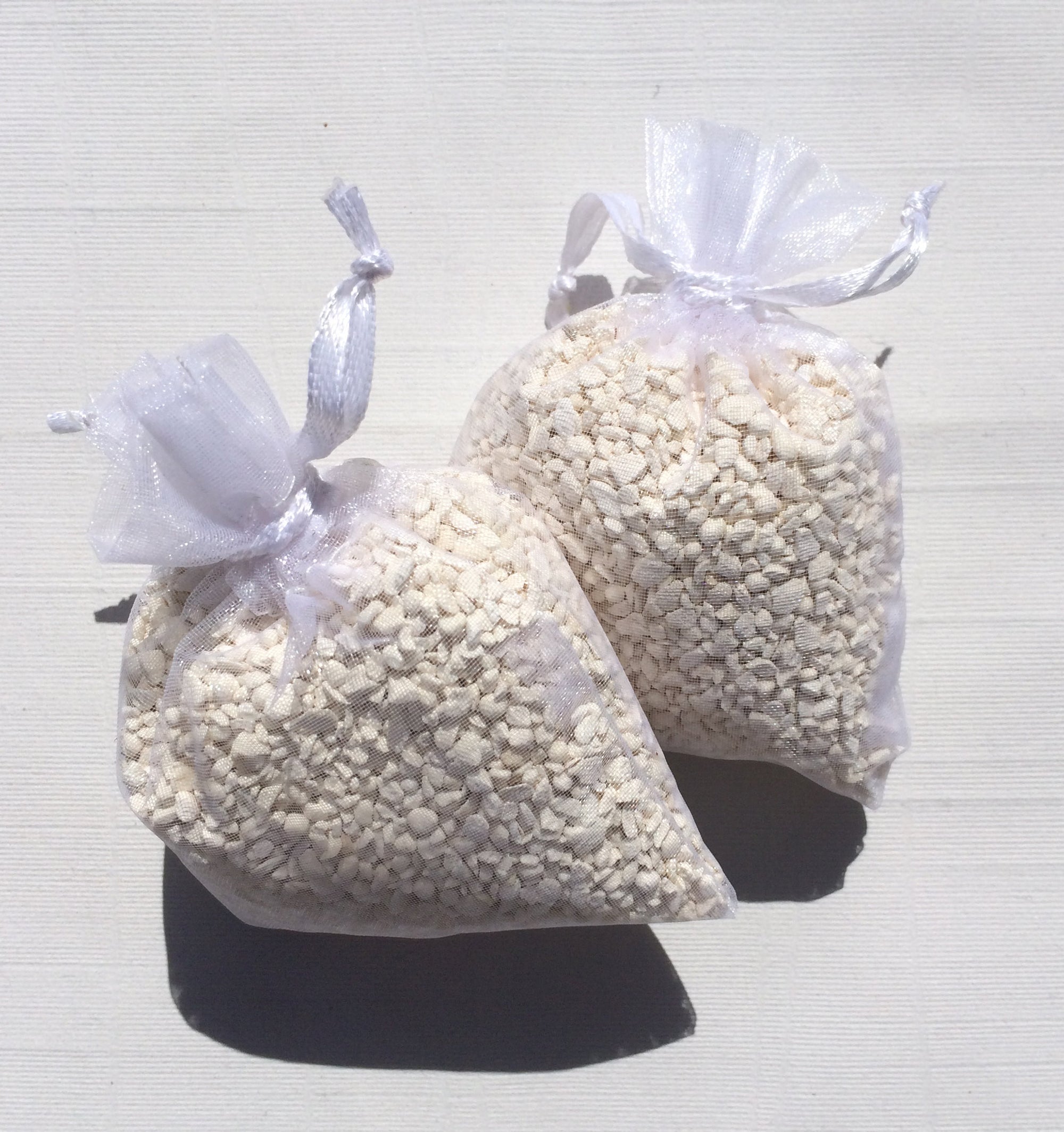
If you want to improve the taste, mineral media such as magnesium prill beads may help add minerals and raise pH naturally. Some people also use mineral drops or other remineralisation methods, depending on their taste preference.
Which Method Is Worth Your Time?
If you only need a tiny amount of distilled water once, the stovetop method can work. If you need distilled water regularly, a benchtop distiller is the clear winner because it is easier, cleaner and more consistent.
For homes that want purified drinking water without plumbing, a distiller is a strong option. For households that want filtered water on demand from a tap, reverse osmosis may be more convenient. For everyday taste improvement, benchtop filtration is usually the simplest choice.
Need distilled water regularly?
A purpose-built water distiller is usually the easiest home method because it handles the boiling, condensation and collection process for you.
Frequently Asked Questions
How long does it take to distill water at home?
Many 4L home distillers take several hours to complete a batch, depending on the model, room temperature and starting water temperature. Stovetop distillation is usually slower and produces much smaller quantities.
Is distilled water safe to drink every day?
Distilled water can be used for drinking, but it has very low mineral content and can taste flat. For long-term daily use, many people choose to remineralise it or make sure their diet provides enough minerals. For more context, see our guide on why people drink distilled water.
Can I use a home distiller for CPAP water?
Many CPAP manufacturers recommend distilled water for humidifier chambers because it helps reduce mineral deposits. Always follow your machine manual. If distilled water is recommended, a home distiller can be a practical way to make it regularly.
How is distillation different from reverse osmosis?
Distillation uses boiling, steam collection and condensation. Reverse osmosis uses pressure and a membrane to reduce dissolved contaminants. Both can produce high-purity water, but distillation is usually a countertop batch process, while reverse osmosis is usually a plumbed-in tap system. For a full comparison, see our guide to distilled water vs reverse osmosis.