The Science Behind Fluoride Removal: How Fluoride Filters Actually Work
August 08, 20232 min read
Fluoride is a dissolved ion — which makes it much harder to remove than sediment or chlorine. Standard carbon filters won’t touch it. Here’s the science behind the methods that actually work.
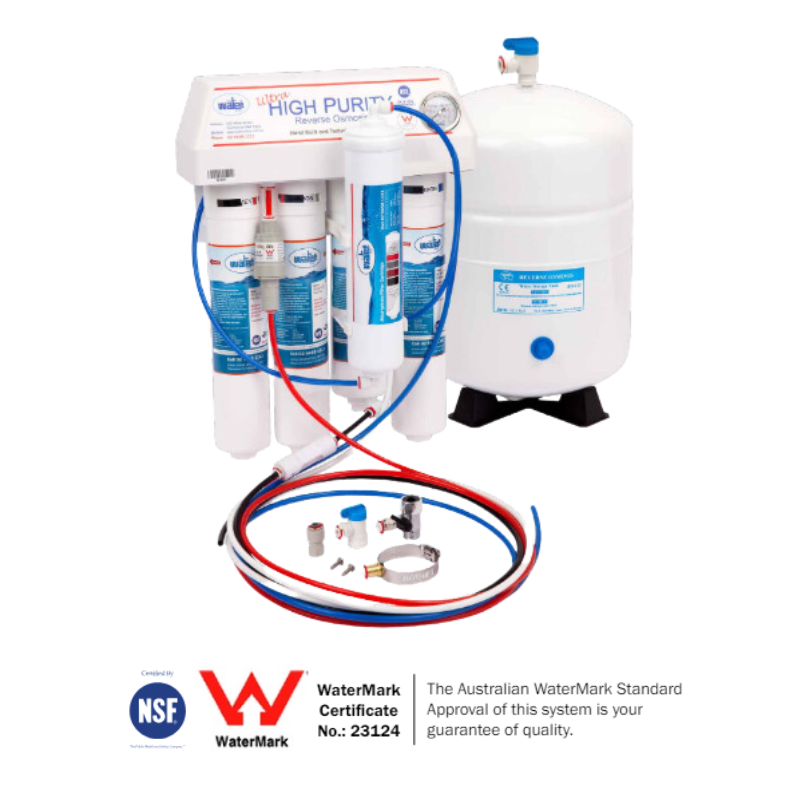
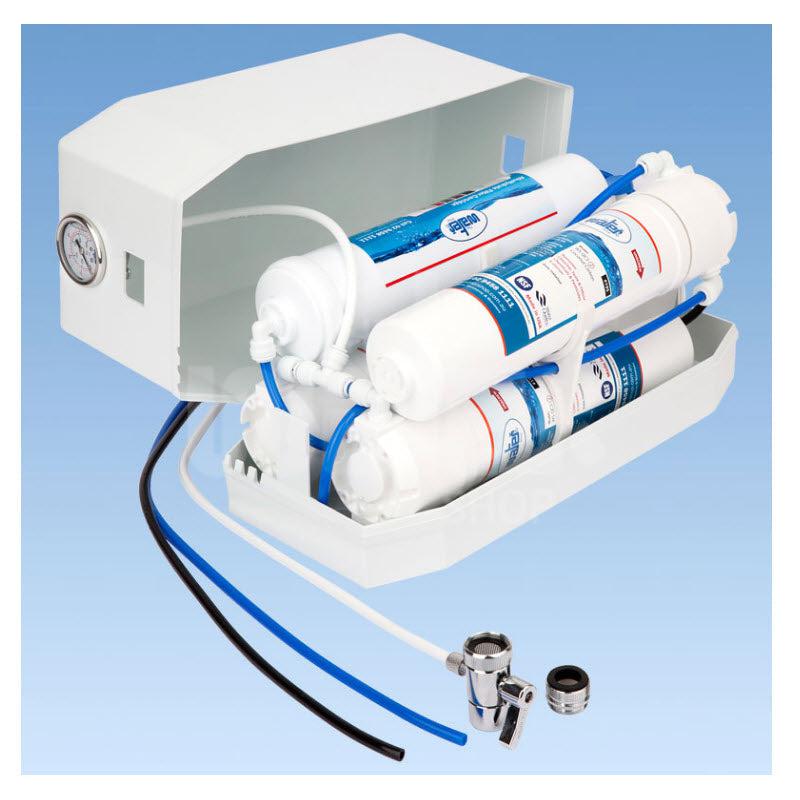
RO systems force water through a semi-permeable membrane with pores approximately 0.0001 microns in diameter — small enough to physically block fluoride ions. This is the most reliable and consistent method for fluoride removal, typically achieving 90–99% reduction.
The trade-off: RO systems produce some wastewater (typically 3–4 litres of wastewater per litre of filtered water, though modern systems are improving on this ratio). They also remove beneficial minerals, which is why some RO systems include a remineralisation stage. See our RO Guide.
Method 2: Activated Alumina — The Adsorption Approach
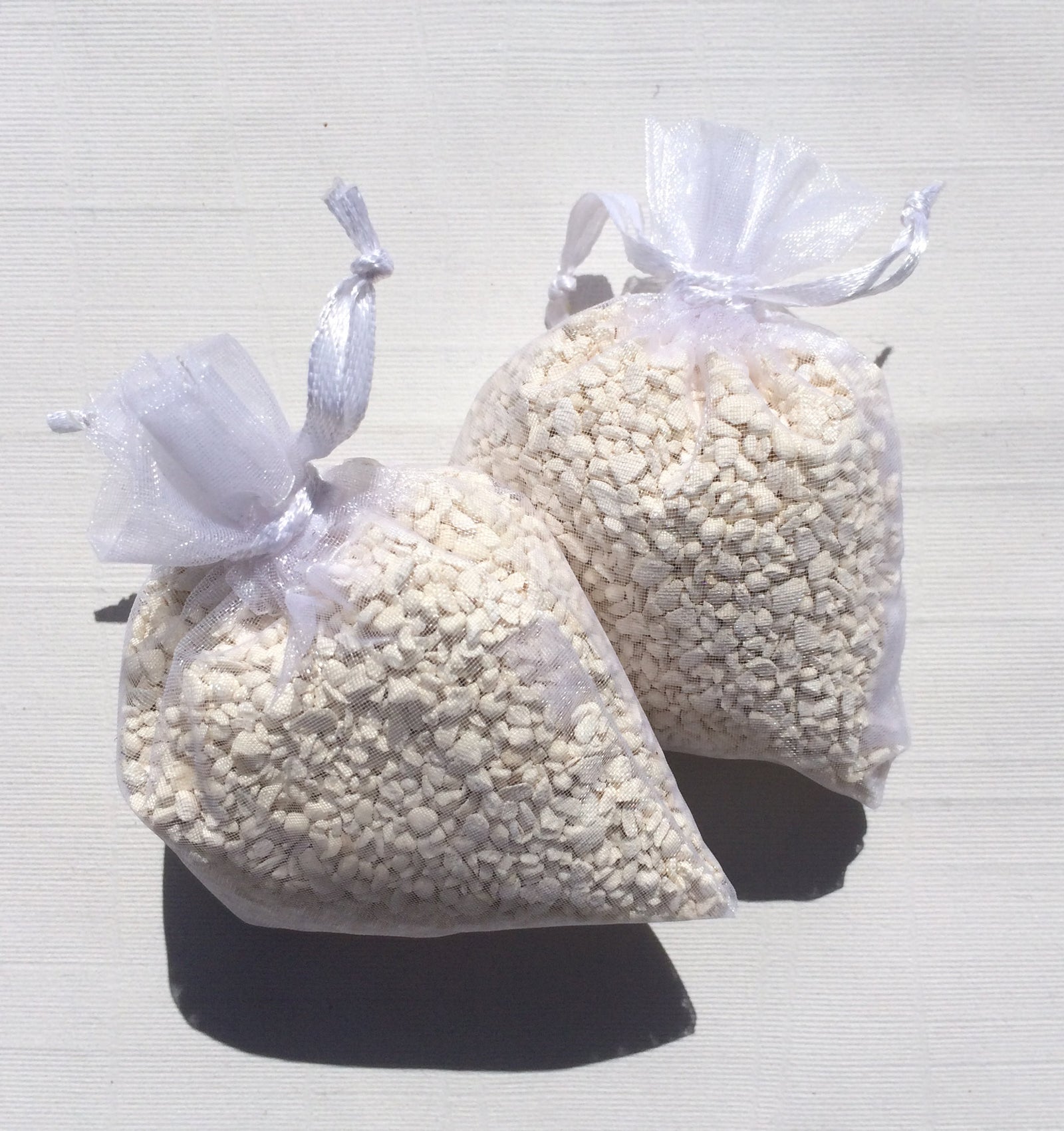
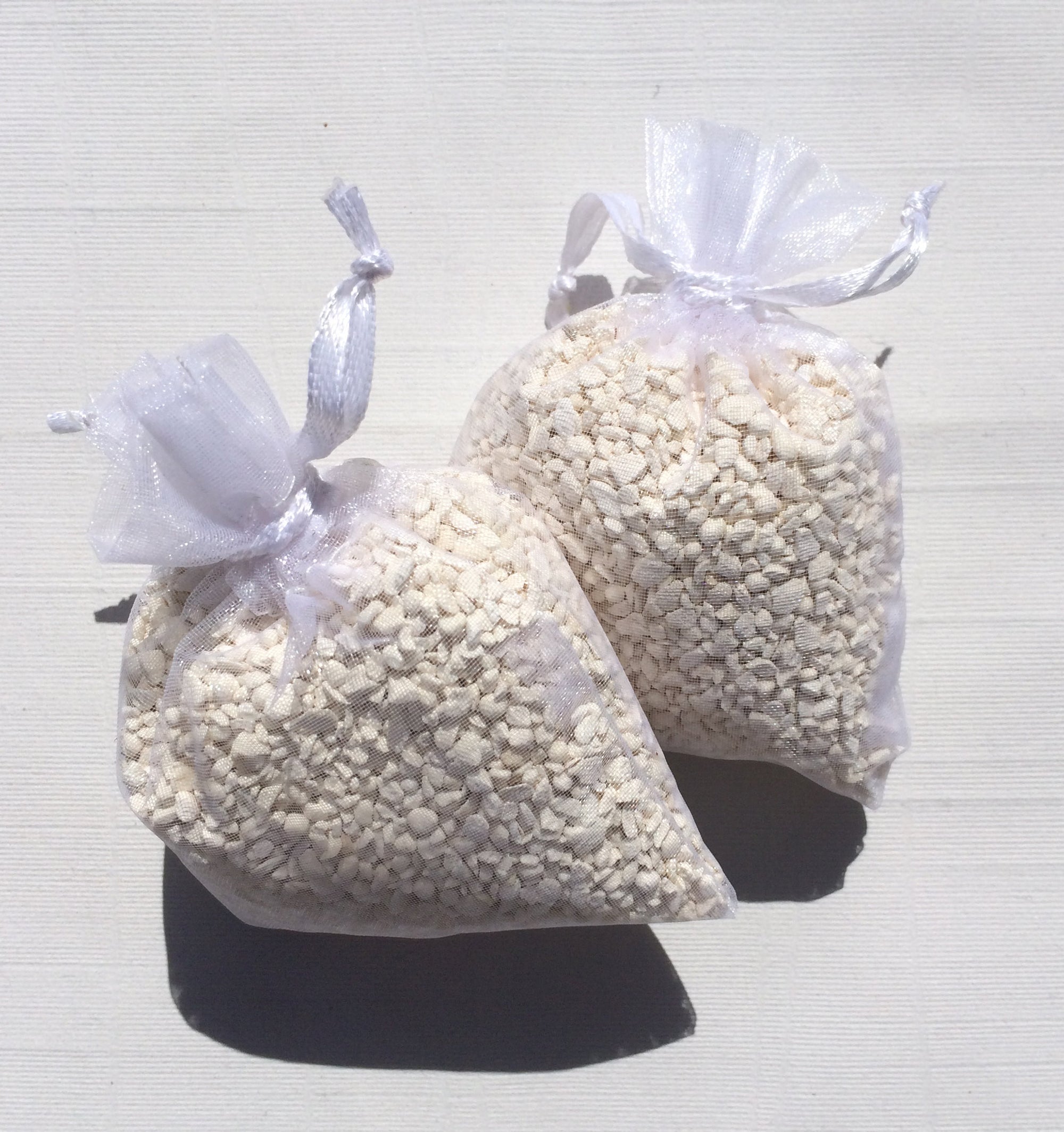
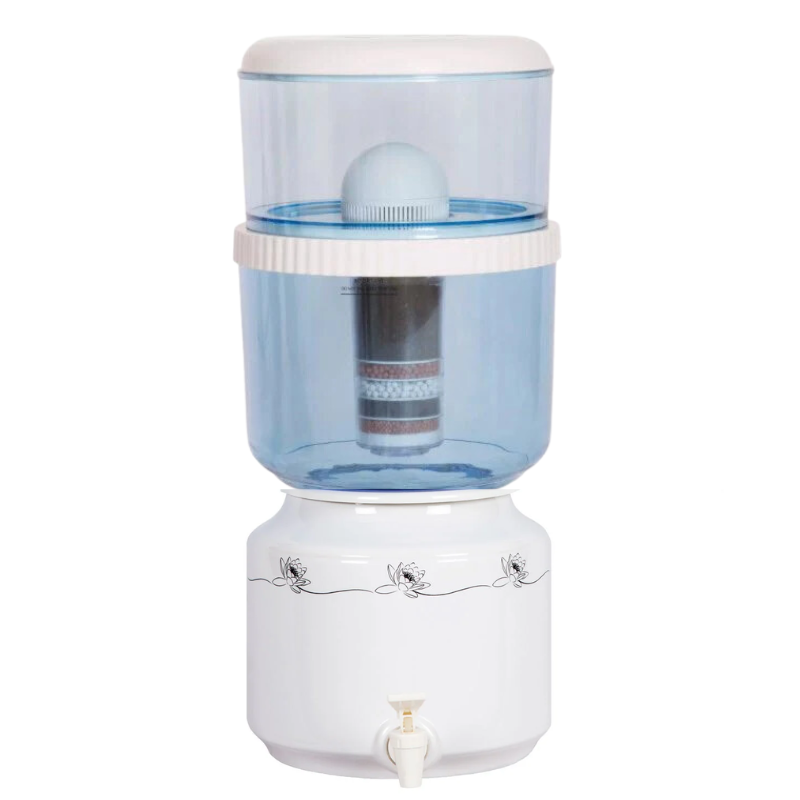
Activated alumina is a porous aluminium oxide material with an enormous surface area. As water passes through slowly, fluoride ions are chemically attracted to and bound by the alumina surface — a process called adsorption. Effective at up to 97% fluoride reduction when flow rate is slow and steady, as in gravity-fed benchtop systems.
Bone char is produced by charring animal bones at high temperature. The resulting porous carbon material adsorbs fluoride through a combination of ion exchange and adsorption. Less consistent than activated alumina or RO — effectiveness varies with water chemistry and flow rate — but it’s a natural, biodegradable option. Not suitable for vegans or those with dietary restrictions around animal products.
What Doesn’t Remove Fluoride
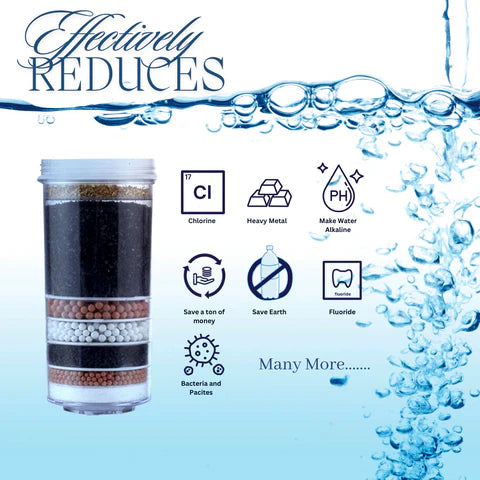
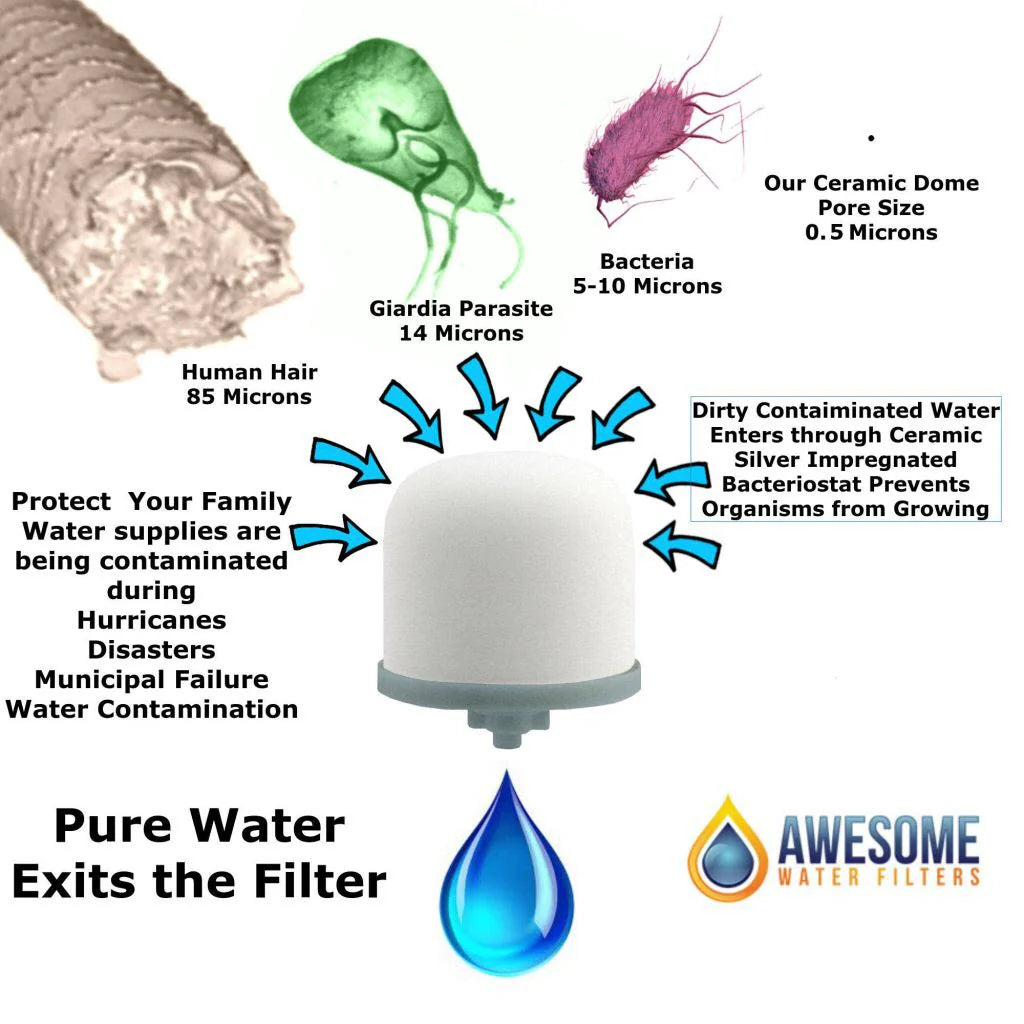
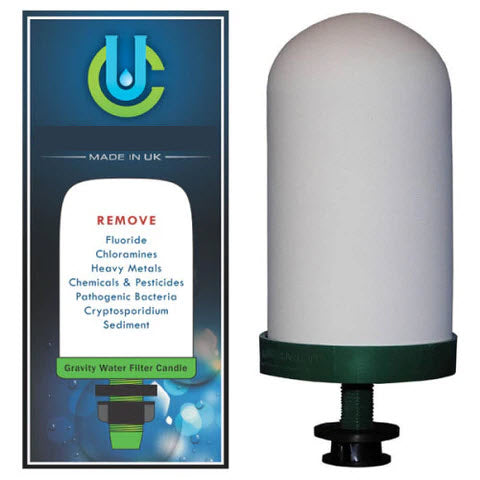
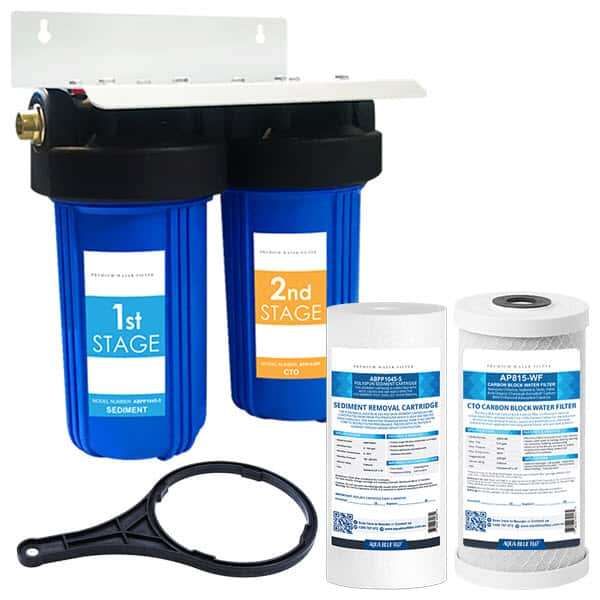
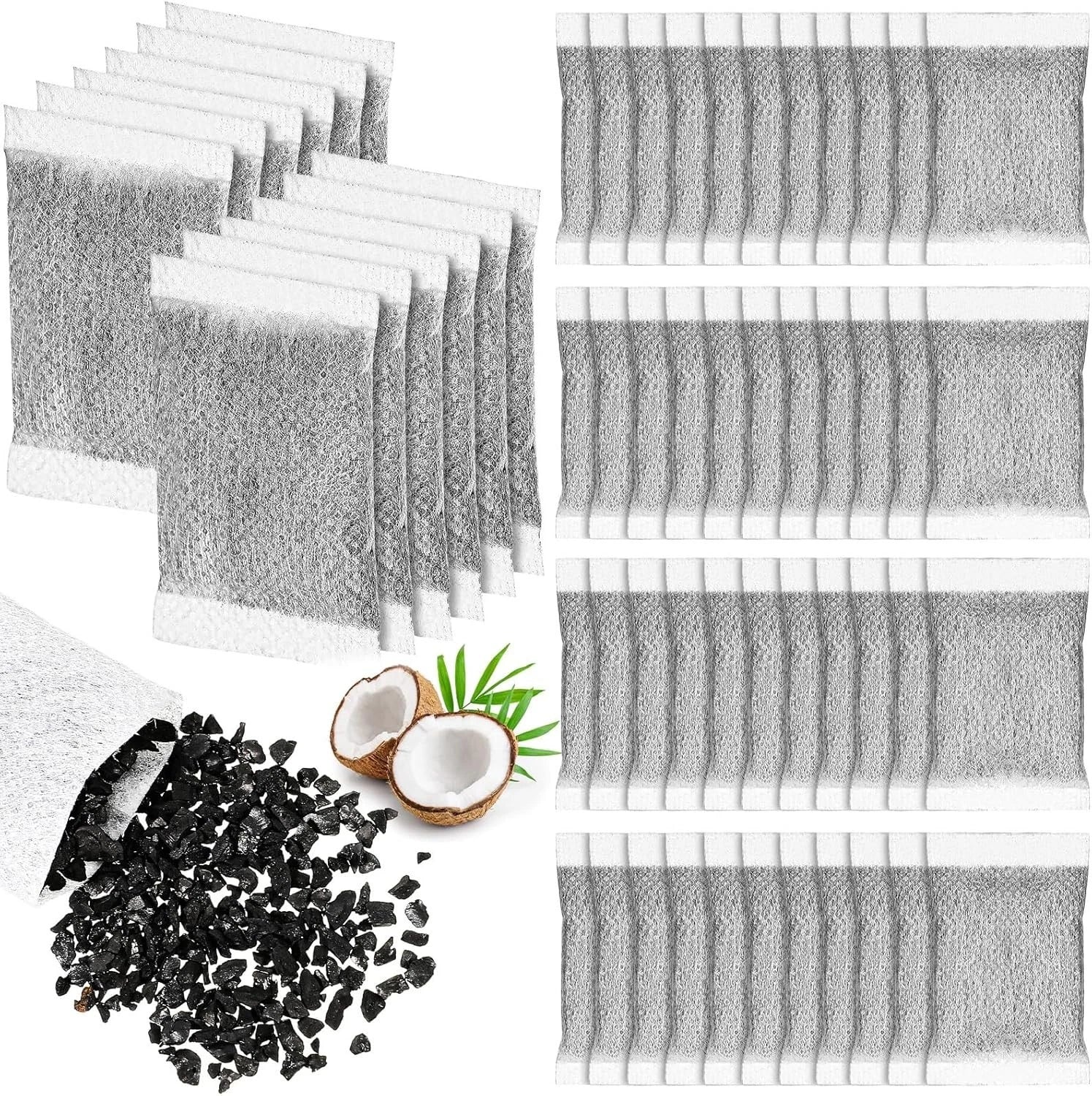
Activated carbon, KDF media, ceramic filtration, and sediment filters do not remove fluoride. This is a common point of confusion — if fluoride removal is your goal, you need one of the three methods above. Call us on 1800 789 781 if you’re unsure which system is right for you.
Frequently Asked Questions
How much fluoride is in Australian town water?
Most Australian states fluoridate town water to approximately 0.6–1.0 mg/L, within the range recommended by the Australian Drinking Water Guidelines for dental health. Check your local water utility’s annual water quality report for your specific area.
Which fluoride removal method is most effective?
Reverse osmosis is the most consistent and effective method, typically removing 90–99% of fluoride. Activated alumina is effective in gravity-fed systems. See our RO Guide or call us on 1800 789 781.
Subscribe
Sign up to get the latest on sales, new releases and more …