

















The Science Behind Water Coolers: How They Keep Your Water Refreshing
Exploring the world of water coolers and their amazing technology!

When you're thirsty, nothing is more satisfying than a cool, refreshing glass of water. Have you ever wondered how the water cooler in your school, office, or home manages to deliver that ice-cold water whenever you need it? Let's dive into the science behind water coolers and see how they work. We will also recommend some awesome water coolers available at the following links:
How Water Coolers Work

Water coolers are clever machines that use a combination of electricity, refrigeration, and insulation to keep your water cold. There are two main types of water coolers: bottled and bottleless. Bottled water coolers use a large plastic bottle filled with water, while bottleless coolers connect directly to your water supply.
Both types of coolers use a similar process to cool the water:
- The Refrigeration System: Water coolers have a small refrigeration unit inside them. This unit includes a compressor, a condenser, an evaporator, and refrigerant. The refrigerant is a special liquid that absorbs heat as it changes from a liquid to a gas. The refrigeration cycle begins when the compressor pumps the refrigerant through the system.
- The Cooling Process: The refrigerant first flows through the condenser, where it releases heat and turns back into a liquid. It then moves on to the evaporator, where it absorbs heat from the water, causing the water to cool down. As the refrigerant absorbs heat, it evaporates and turns into a gas again. This gas then flows back to the compressor, and the cycle repeats.
- The Insulation: Water coolers also use insulation to help keep the cold water at a low temperature. This insulation prevents heat from the surrounding environment from entering the cooler, which would cause the water to warm up.
Now that you know the basic science behind water coolers, let's take a look at some of the different features and options available when choosing a water cooler.
Choosing the Right Water Cooler
When selecting a water cooler, there are several factors to consider, such as size, type, and features. Here are some recommendations and tips to help you make the right choice:
-
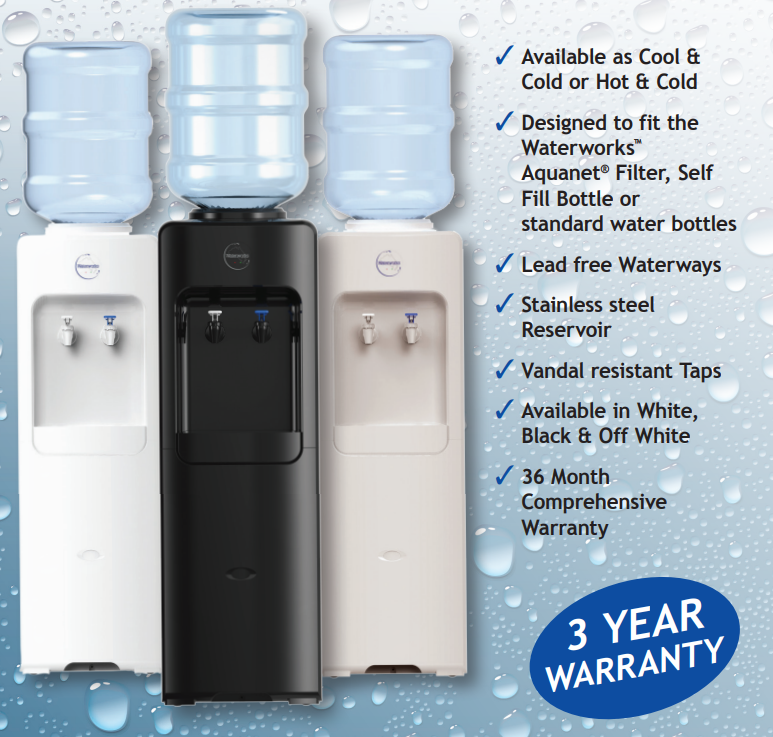
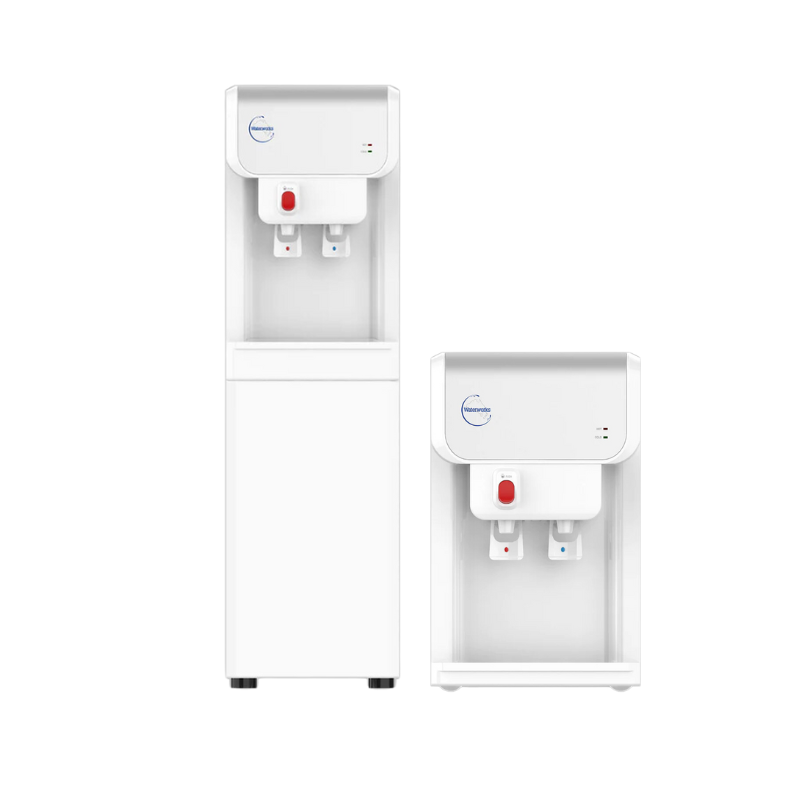
Water Coolers Collection: This link offers a wide variety of water coolers to choose from, including both bottled and bottleless options. Some water coolers also come with additional features, such as a hot water dispenser or a built-in water filter.
-
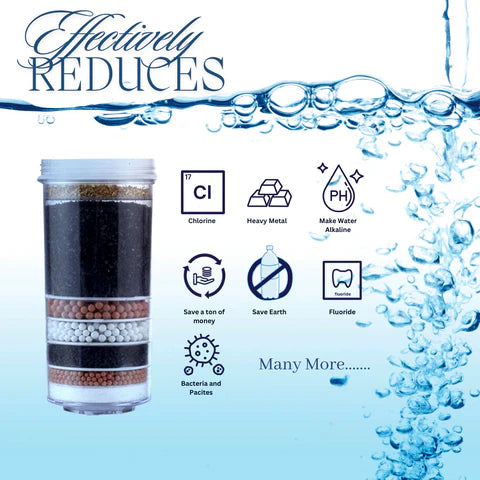
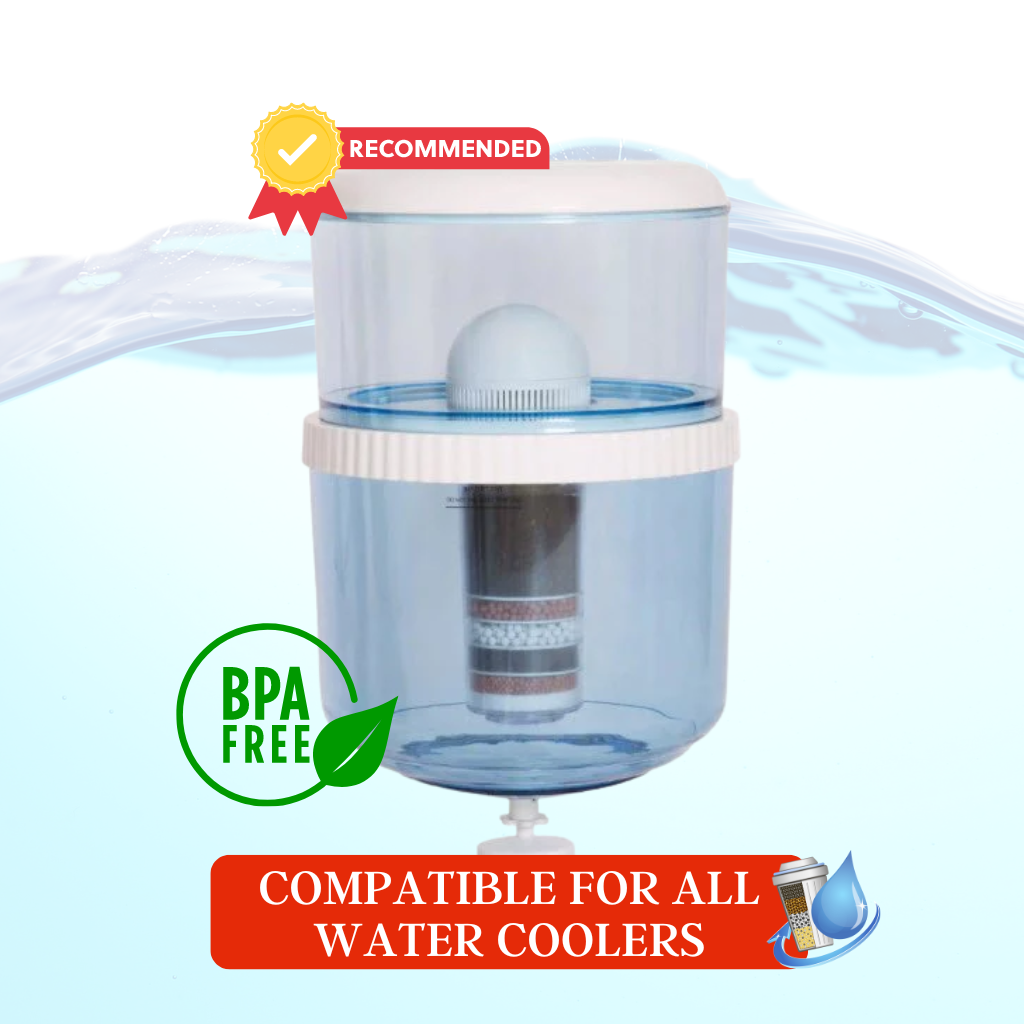
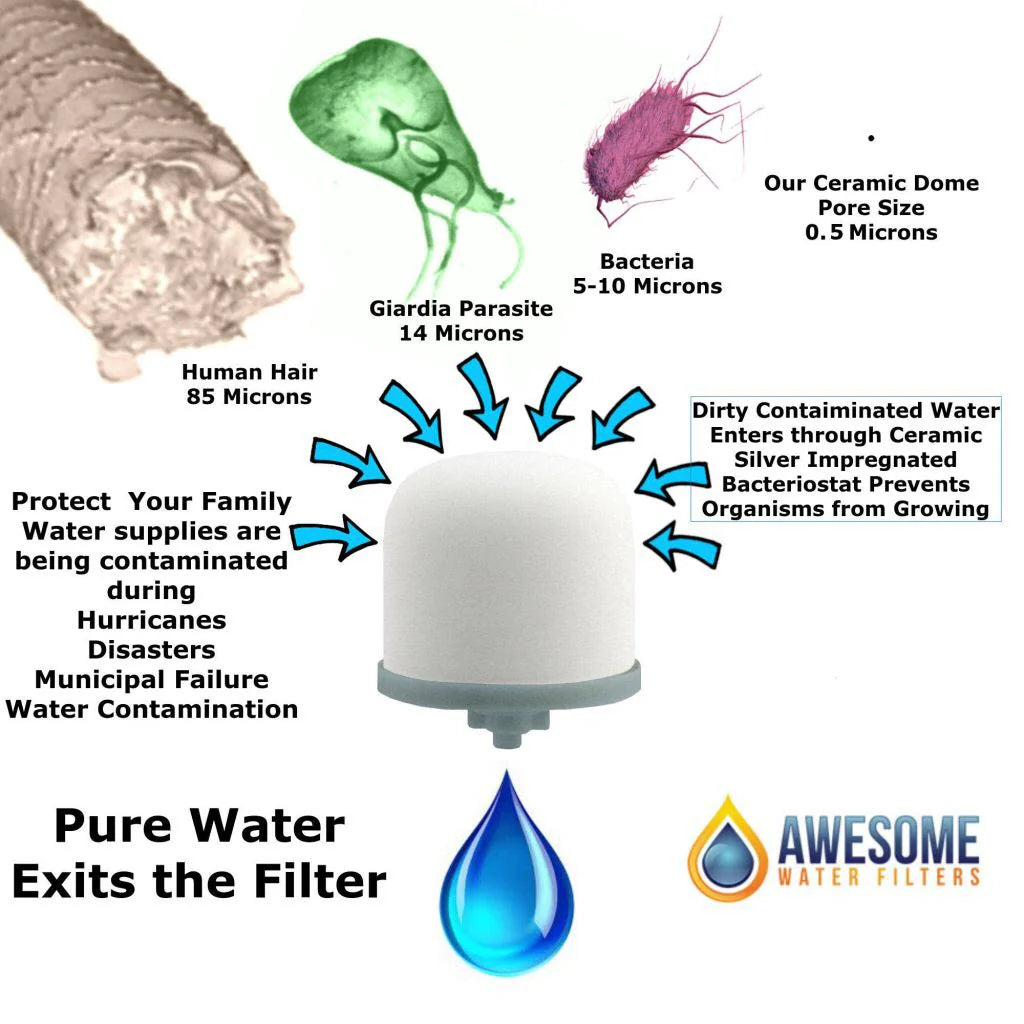
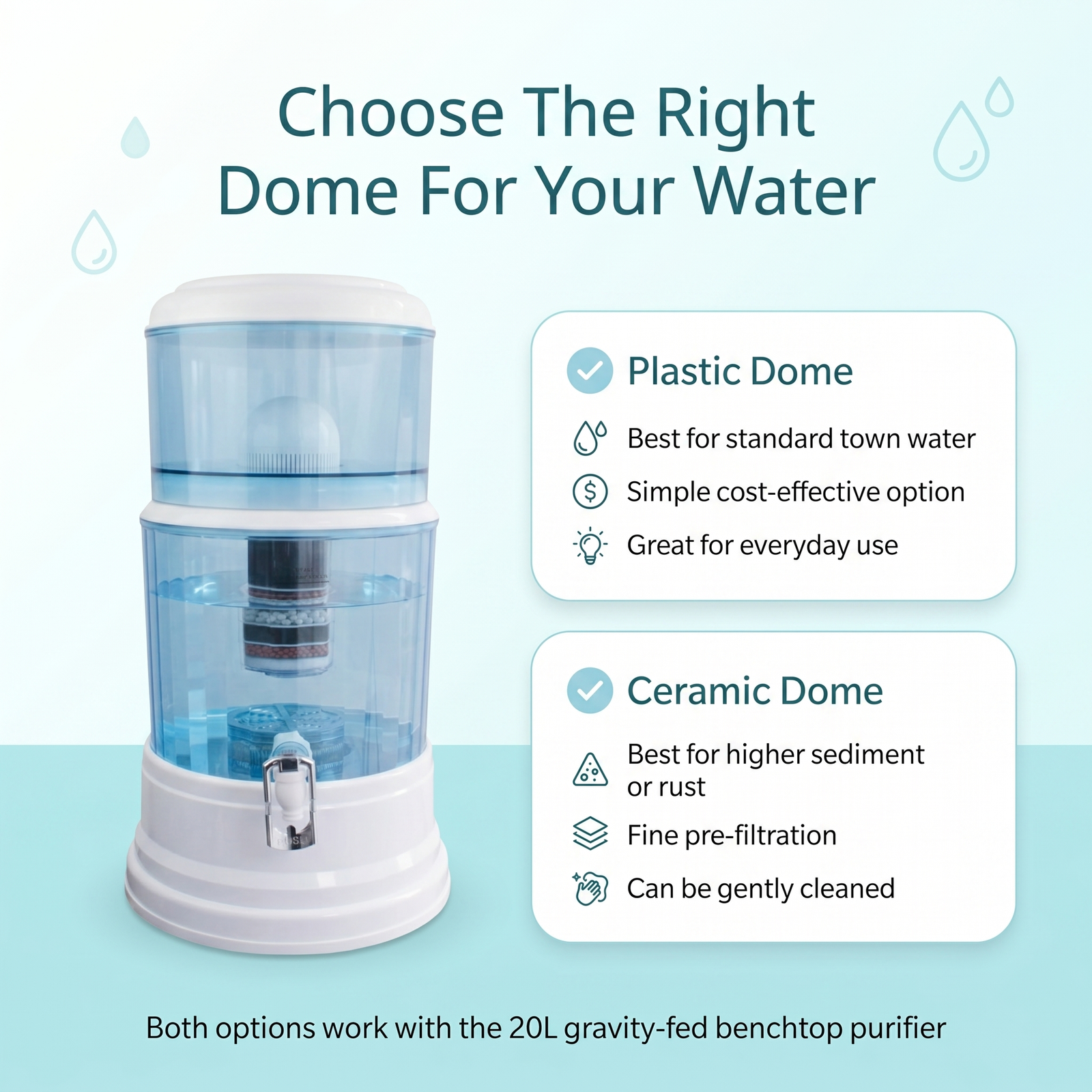
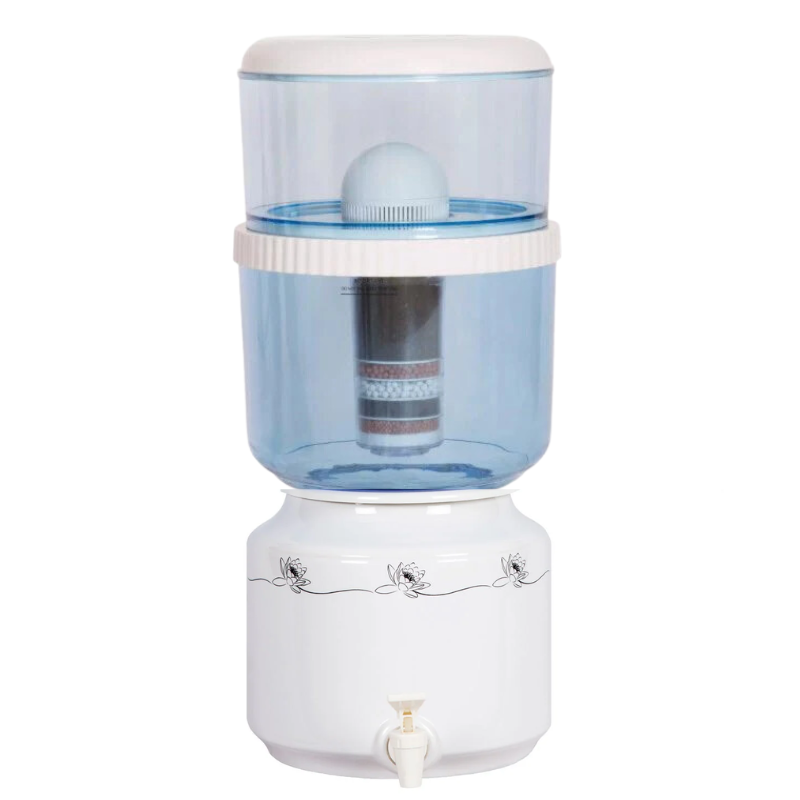
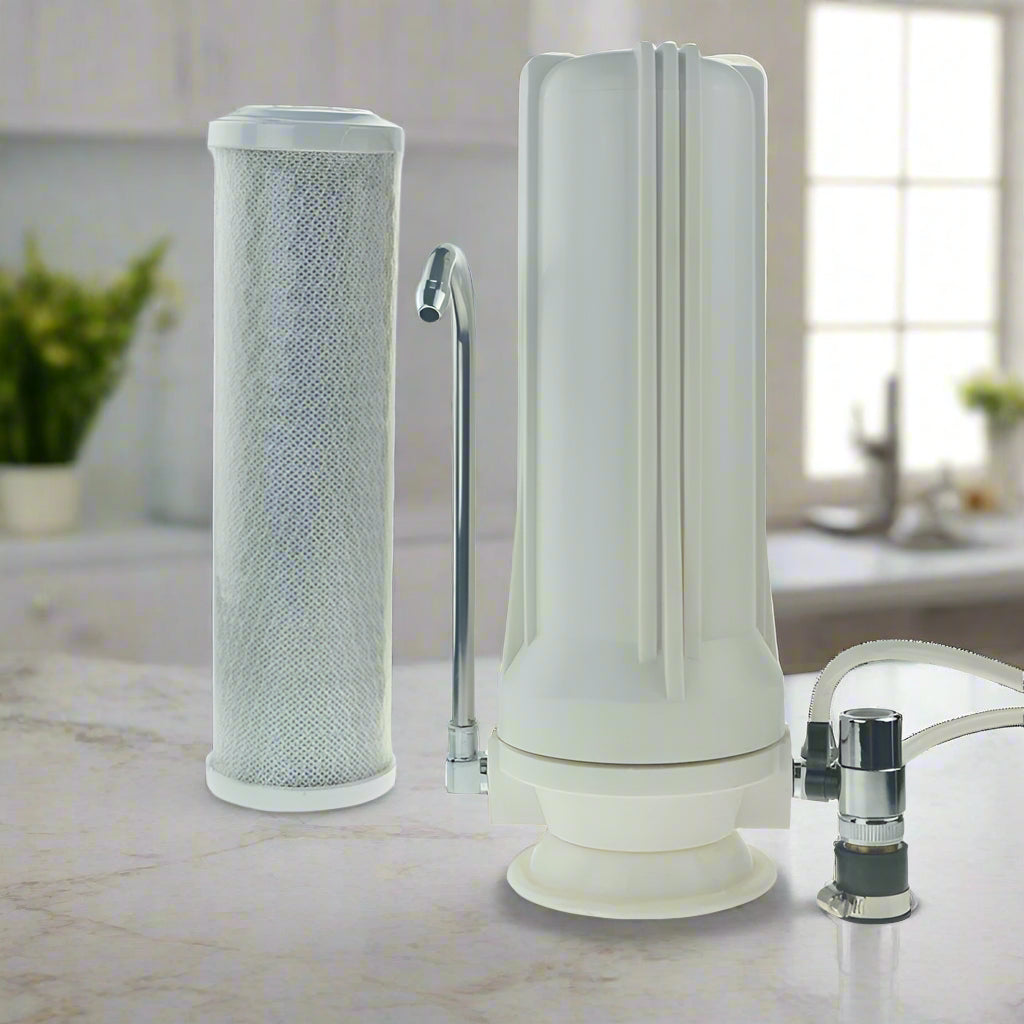
Awesome Water Filters: This website specializes in water filtration and purification products, including water coolers with built-in filtration systems. These coolers provide clean and refreshing water by removing contaminants like chlorine, sediment, and bacteria.
-
[Awesome Coolers Benchtop Water Cooler](https://www.awesomewaterfilters.com.au/a/s/products/awesome-coolers-benchtop-water-cooler): This particular model is a compact and stylish benchtop water cooler, perfect for small spaces like kitchens and offices. It offers both cold and room temperature water options, making it an excellent choice for those who want a simple and efficient water cooler.
Helpful Tips for Using and Maintaining Your Water Cooler

To get the most out of your water cooler and keep it running smoothly, follow these helpful tips:
-
Regular Cleaning: Clean your water cooler regularly to prevent the buildup of bacteria, mold, and other contaminants. For most water coolers, this involves removing the water bottle or disconnecting from the water supply, draining the reservoir, and wiping down all surfaces with a mild soap and water solution. Be sure to follow the manufacturer's instructions for proper cleaning procedures.
-
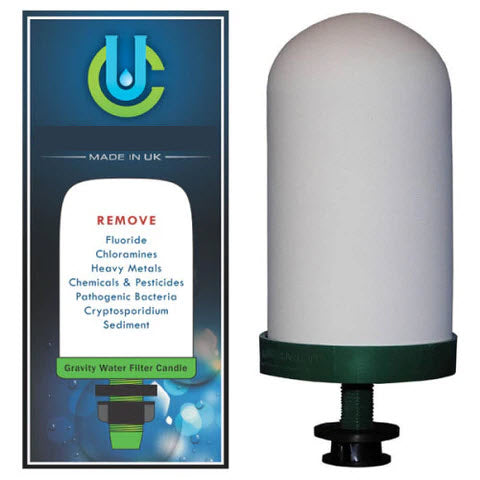
Replace Water Filters: If your water cooler has a built-in filtration system, make sure to replace the filter as recommended by the manufacturer. This will ensure your water remains clean and free of contaminants.
-
Proper Placement: Position your water cooler in a cool and shaded area, away from direct sunlight or heat sources. This will help the refrigeration system work more efficiently and keep your water cooler.
Conclusion

Understanding the science behind water coolers can help you appreciate the technology that goes into keeping your water cold and refreshing. When choosing a water cooler, consider factors like size, type, and features to find the perfect fit for your needs. Don't forget to keep your water cooler clean and well maintained to ensure it continues to provide you with fresh, clean water for years to come.
By selecting a high-quality water cooler and following proper care and maintenance practices, you can ensure that you and your family or coworkers always have access to cool, refreshing water. Stay hydrated and enjoy the benefits of a water cooler in your everyday life!