The Main Environmental Benefit: Eliminating Bottled Water
A household of 4 buying 8 litres/day of bottled water goes through approximately 2,920 single-use plastic bottles per year. An under-sink filter eliminates this entirely. This is the most significant environmental benefit — by a large margin.
Cartridge Waste: The Main Environmental Trade-Off
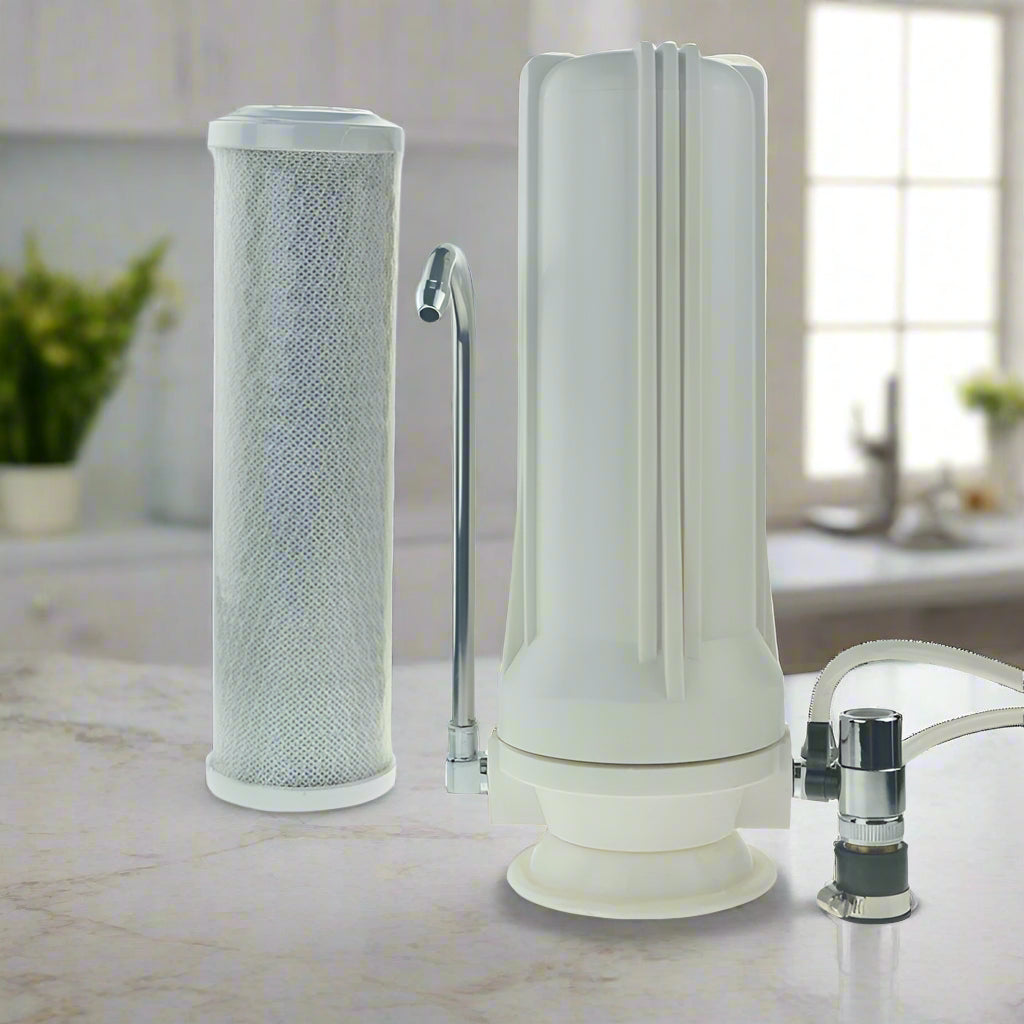
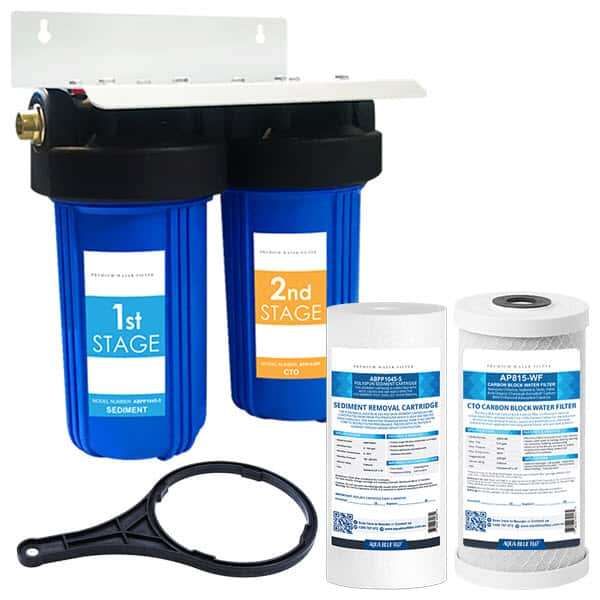
Cartridge replacement every 6–12 months generates some plastic waste. To minimise it:
Replace on schedule — an overdue cartridge is less efficient and wastes the energy used to pump water through a restricted filter
Check with your local council for hard plastics recycling options for the cartridge housing
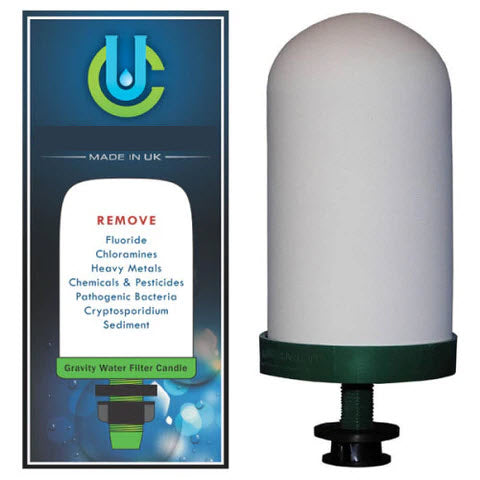
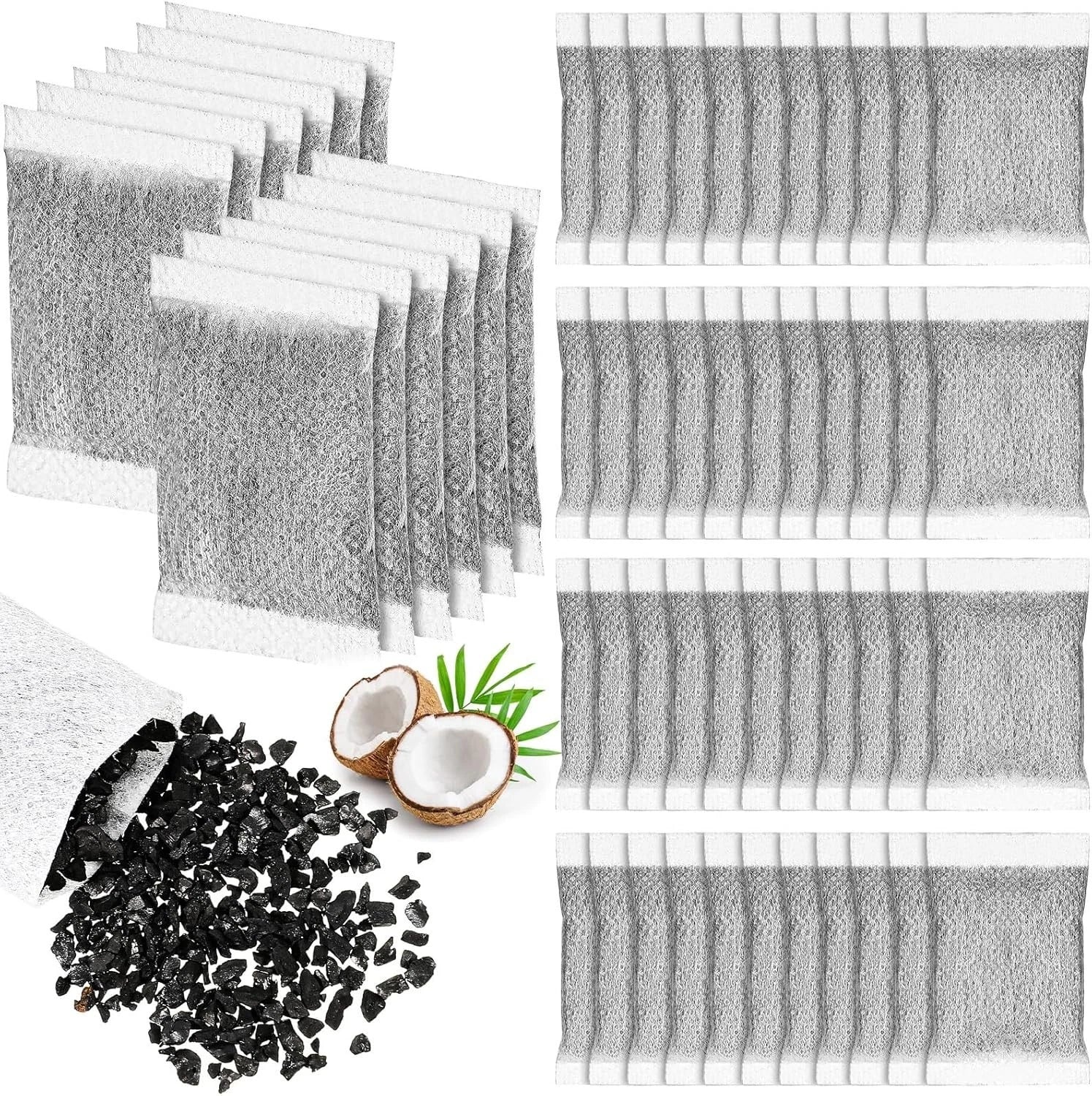
The filter media (carbon, ceramic) can go to general waste; some media can be added to garden soil
Water Efficiency
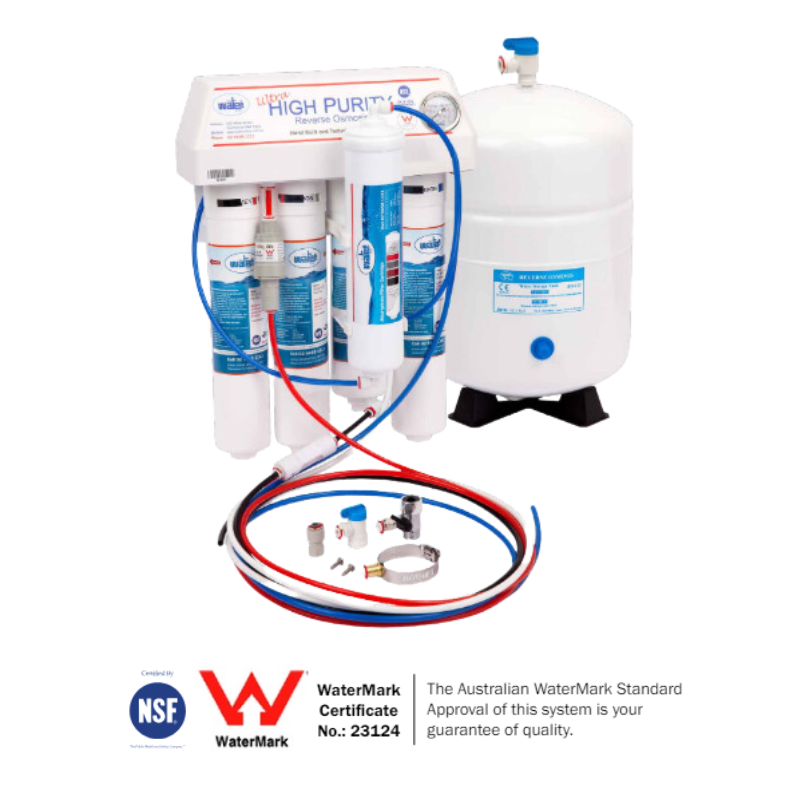
Standard under-sink carbon filters use all the water that passes through them — no wastewater. RO systems produce some wastewater (typically 3–4 litres per litre of filtered water, though modern systems are improving). If water efficiency is a priority, a standard multi-stage carbon filter is more water-efficient than RO.
Energy Use
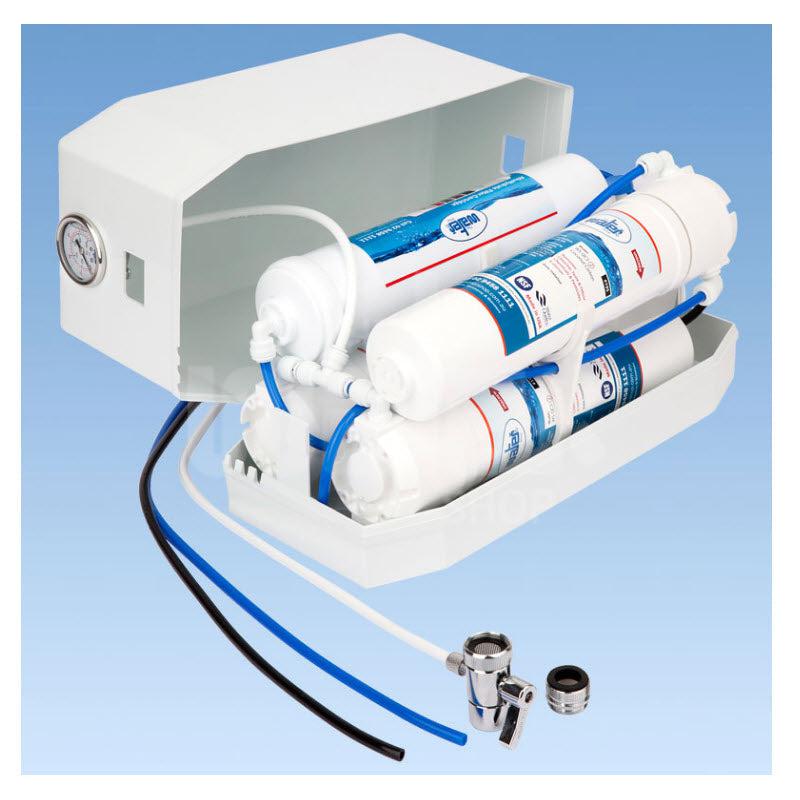
Standard under-sink filters use no electricity — they operate on mains water pressure. RO systems also use no electricity (they use water pressure to force water through the membrane). Neither system adds to your electricity bill.
Compared to a Benchtop Water Cooler
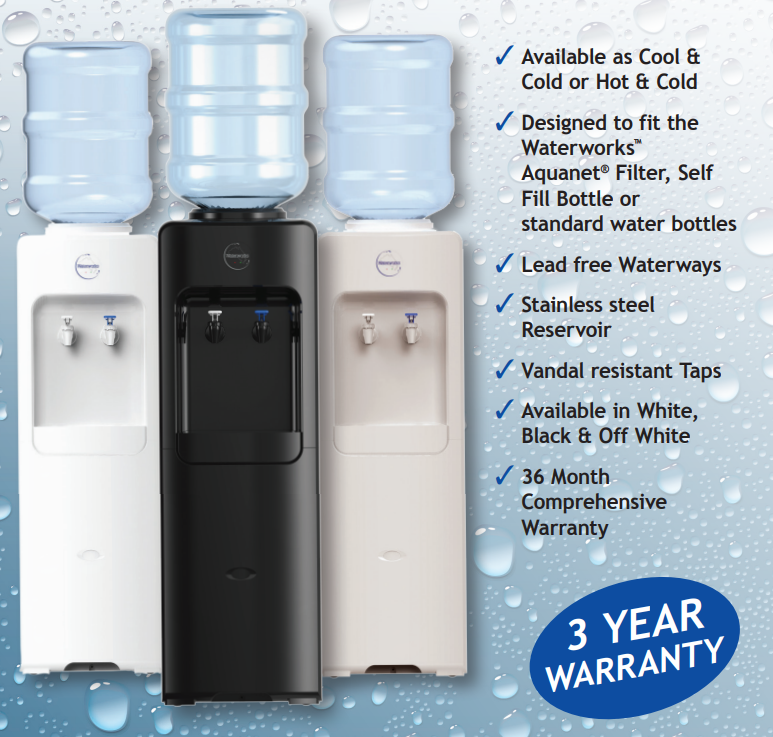
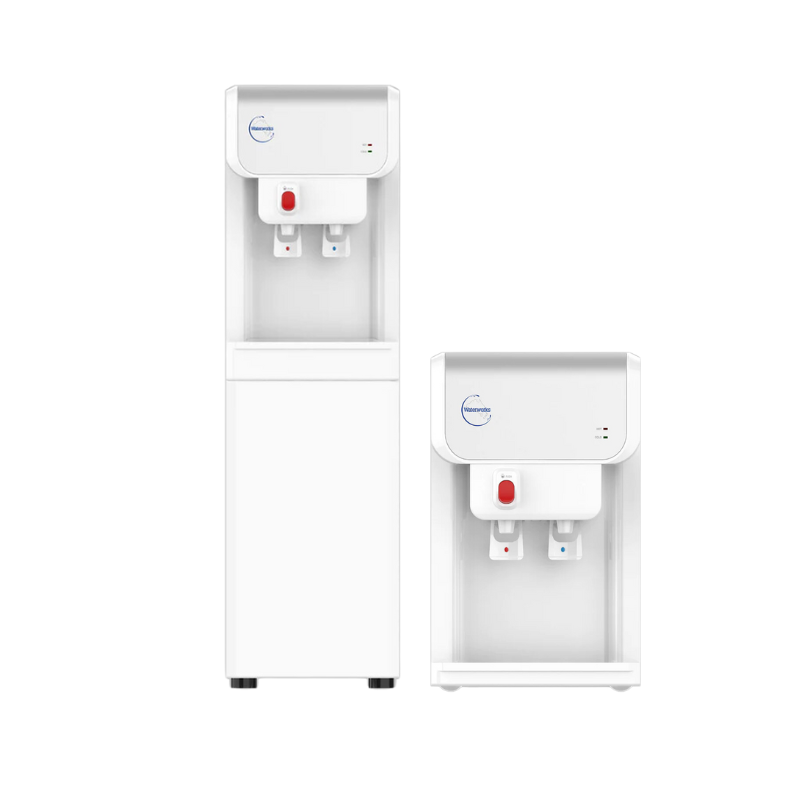
A bottle-fed water cooler uses electricity for heating and cooling. An under-sink filter uses none. For pure energy efficiency, an under-sink filter has a slight advantage. See our Water Coolers Guide for a full comparison.
Frequently Asked Questions
Can I recycle under-sink water filter cartridges in Australia?
The plastic housing can go to hard plastics recycling where accepted by your local council. The filter media goes to general waste. Call us on 1800 789 781 if you have questions.
Does an RO system waste a lot of water?
Traditional RO systems produce approximately 3–4 litres of wastewater per litre of filtered water. Modern high-efficiency RO systems are improving on this ratio. For most Australian households on town water, the environmental benefit of eliminating bottled water far outweighs the RO wastewater trade-off.
Subscribe
Sign up to get the latest on sales, new releases and more …