



















What Is the Purpose of Charcoal in a Water Filter?
Activated charcoal — or activated carbon — is one of the most widely used filtration materials in the world, and for good reason. It’s highly effective at removing the contaminants that most affect the taste, smell, and safety of Australian tap water. Here’s how it works and why it’s in almost every quality water filter.
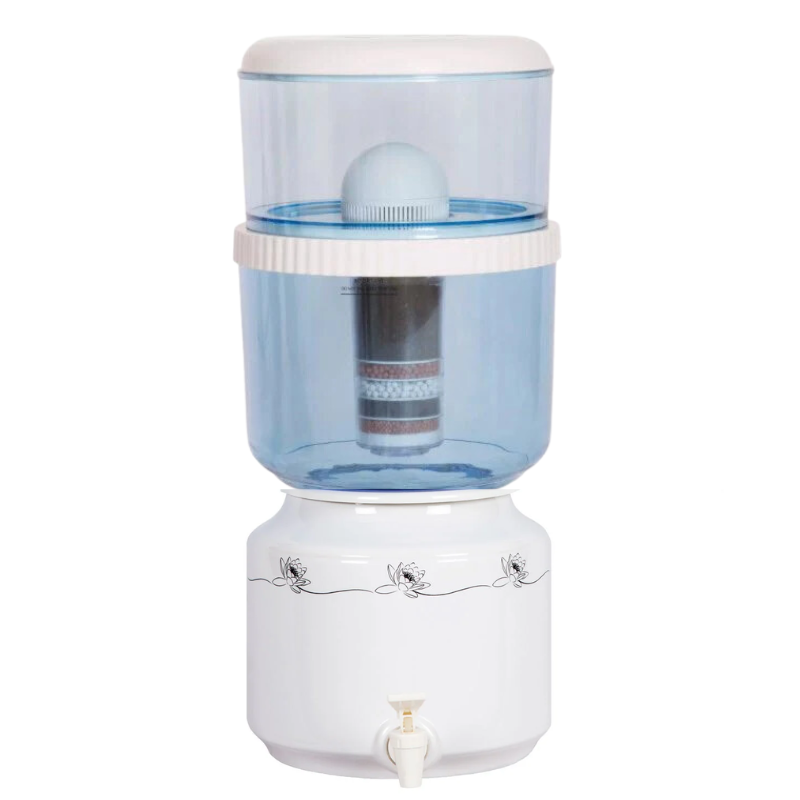
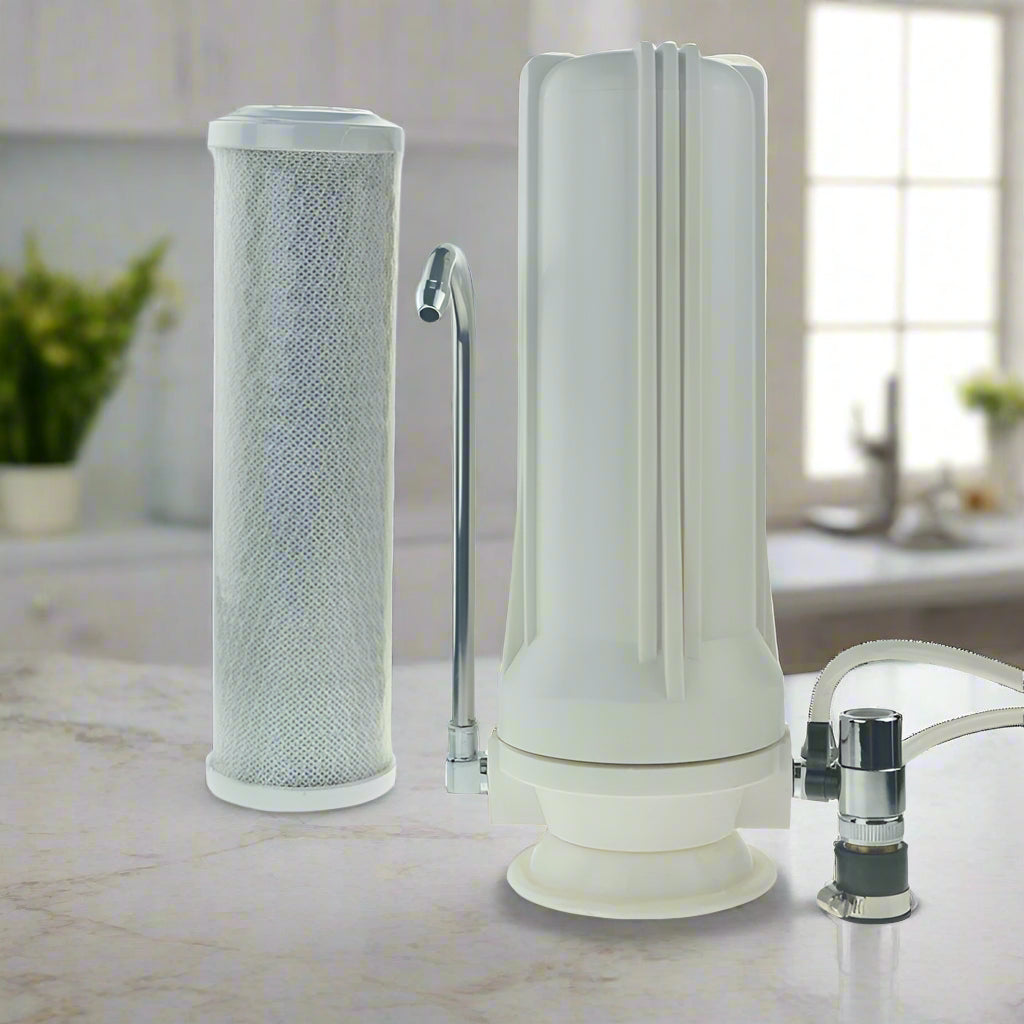
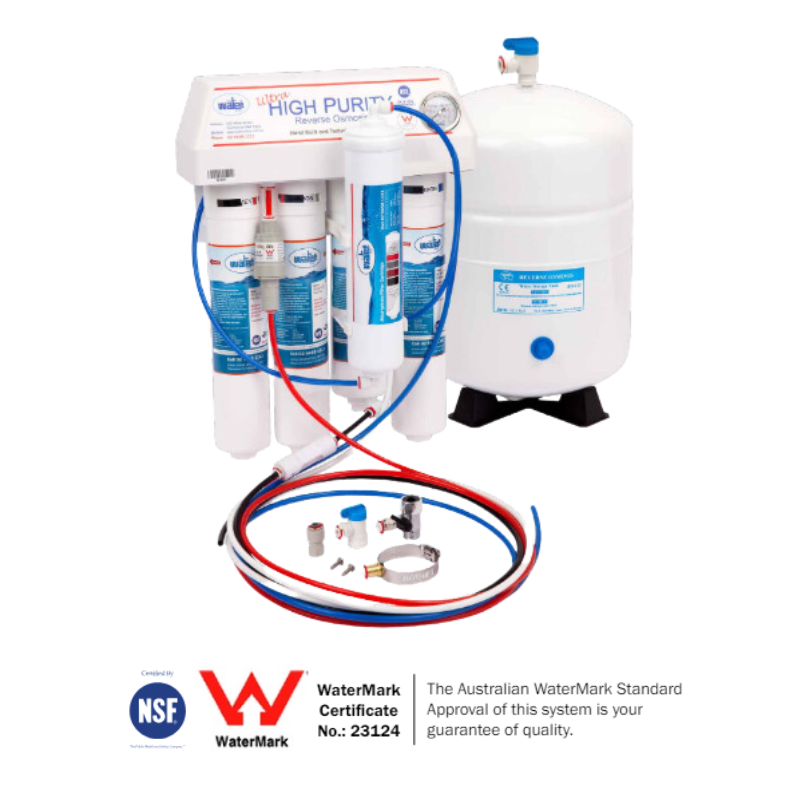
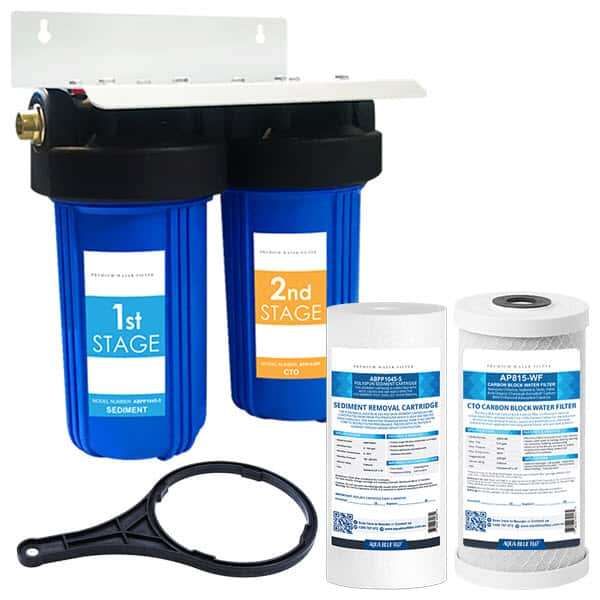
For more on filter types that use activated carbon, see our Benchtop Water Filters Guide, Whole House Filters Guide, and Under Sink Filters Guide.
What Is Activated Charcoal?
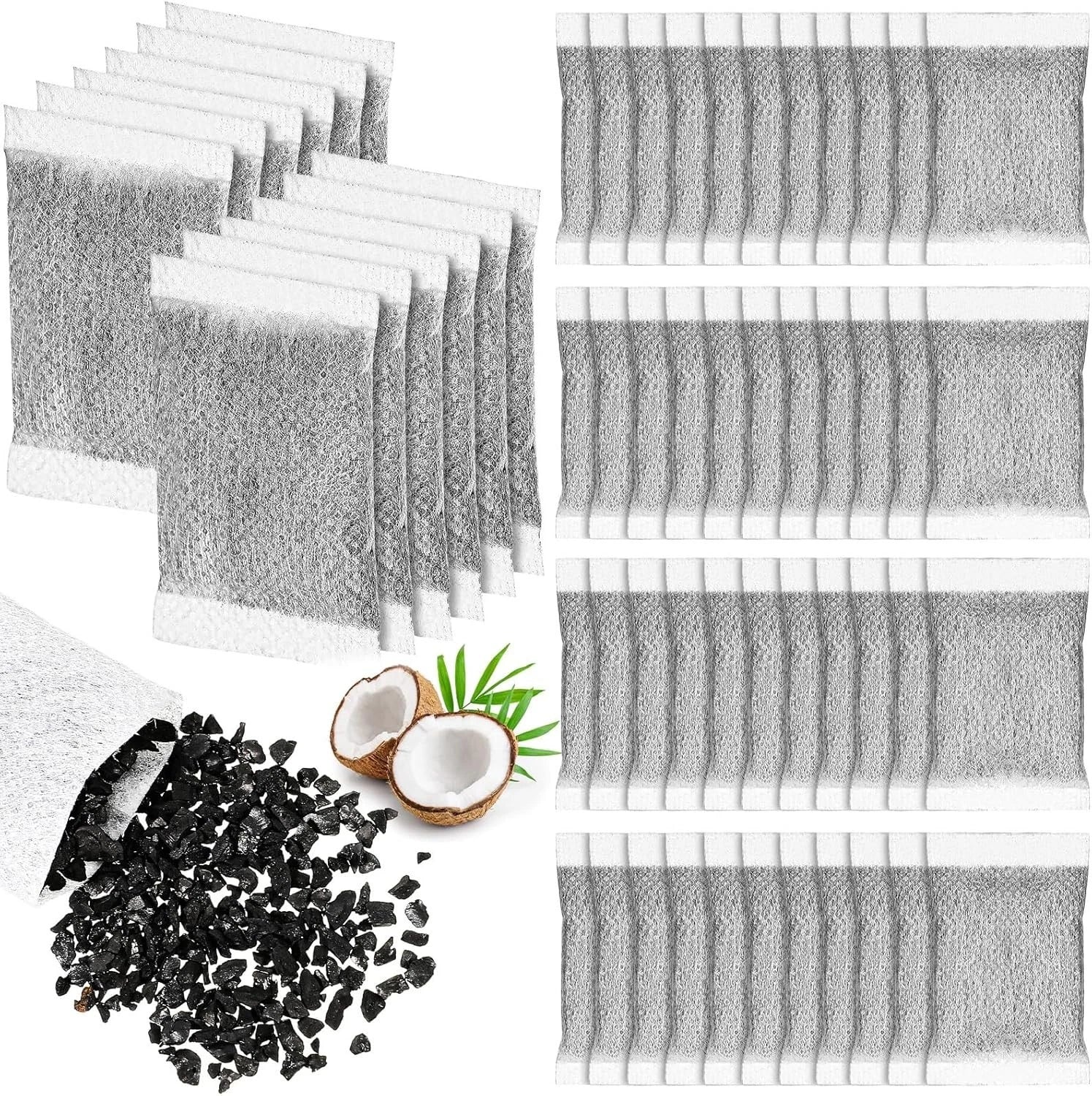
Activated charcoal (activated carbon) is carbon that’s been treated with oxygen at high temperatures to create millions of tiny pores. This gives it an enormous surface area — a single gram can have over 500 square metres of surface area. That surface area is what makes it so effective at trapping contaminants.
Note: activated charcoal used in water filters is not the same as BBQ charcoal. It’s a highly refined, food-safe material produced specifically for filtration.
How Does Activated Charcoal Filter Water?
Activated charcoal works through adsorption — contaminants are attracted to and held on the surface of the carbon as water passes through. It’s particularly effective at removing:
- Chlorine and chloramines — the main cause of that “pool water” taste in Australian tap water
- Volatile organic compounds (VOCs) — pesticides, herbicides, industrial chemicals
- Taste and odour compounds — hydrogen sulphide, musty or earthy smells
- Some heavy metals — particularly when combined with KDF media

What Activated Charcoal Doesn’t Remove
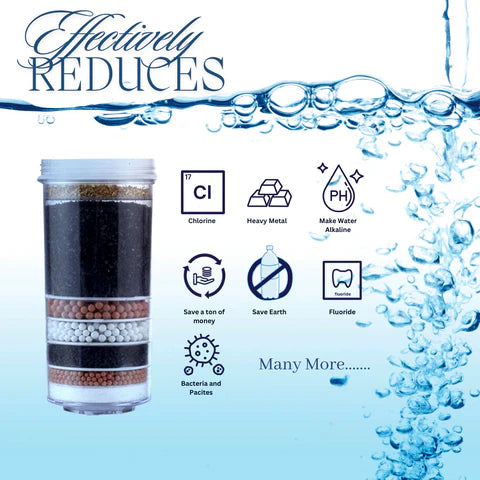
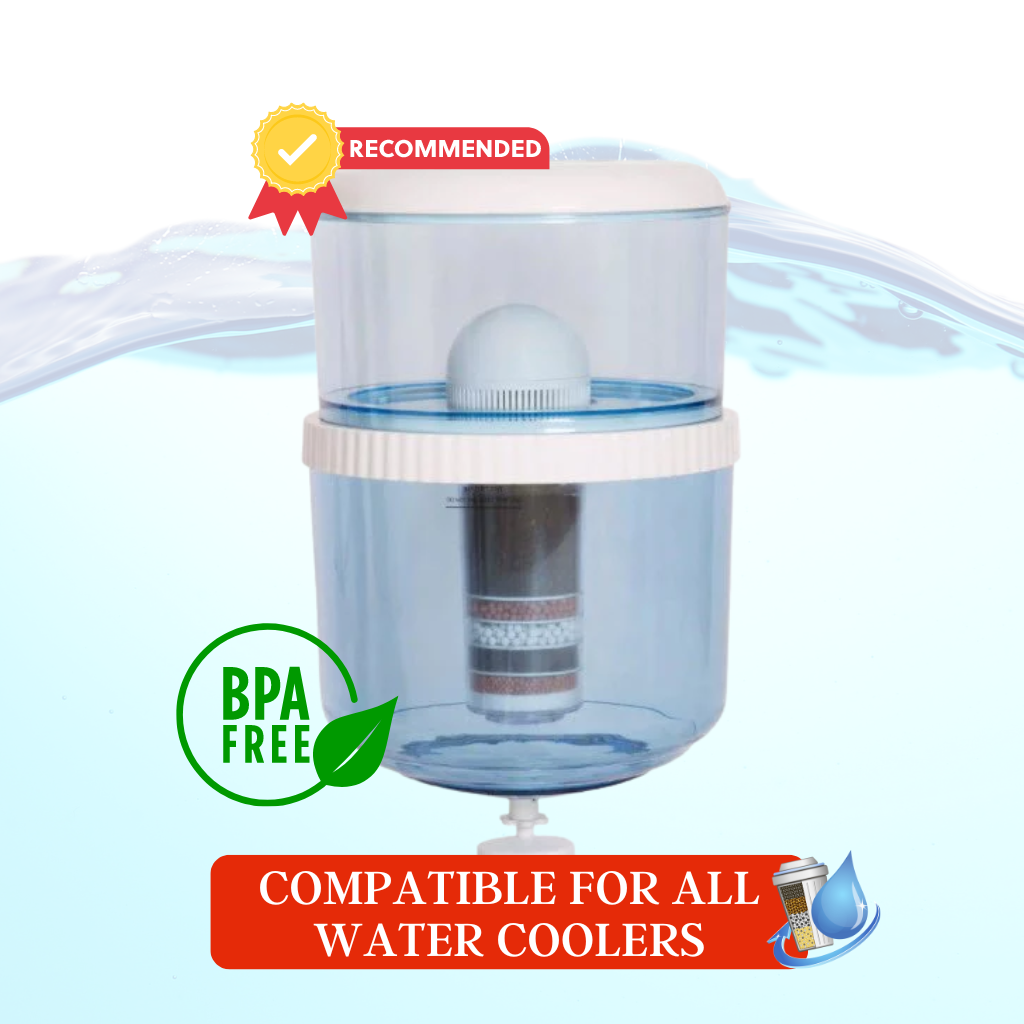
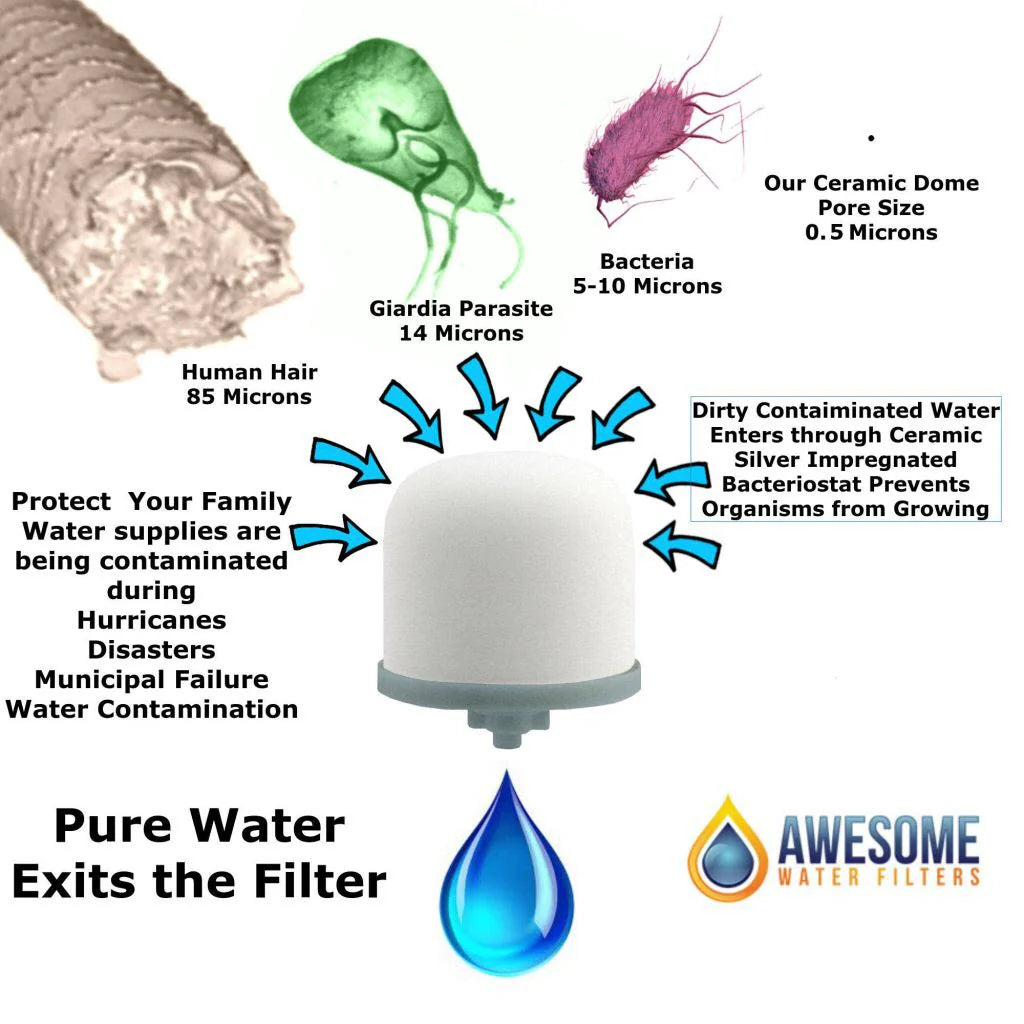
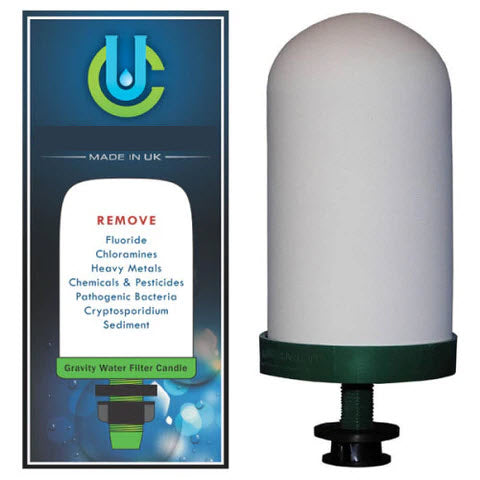
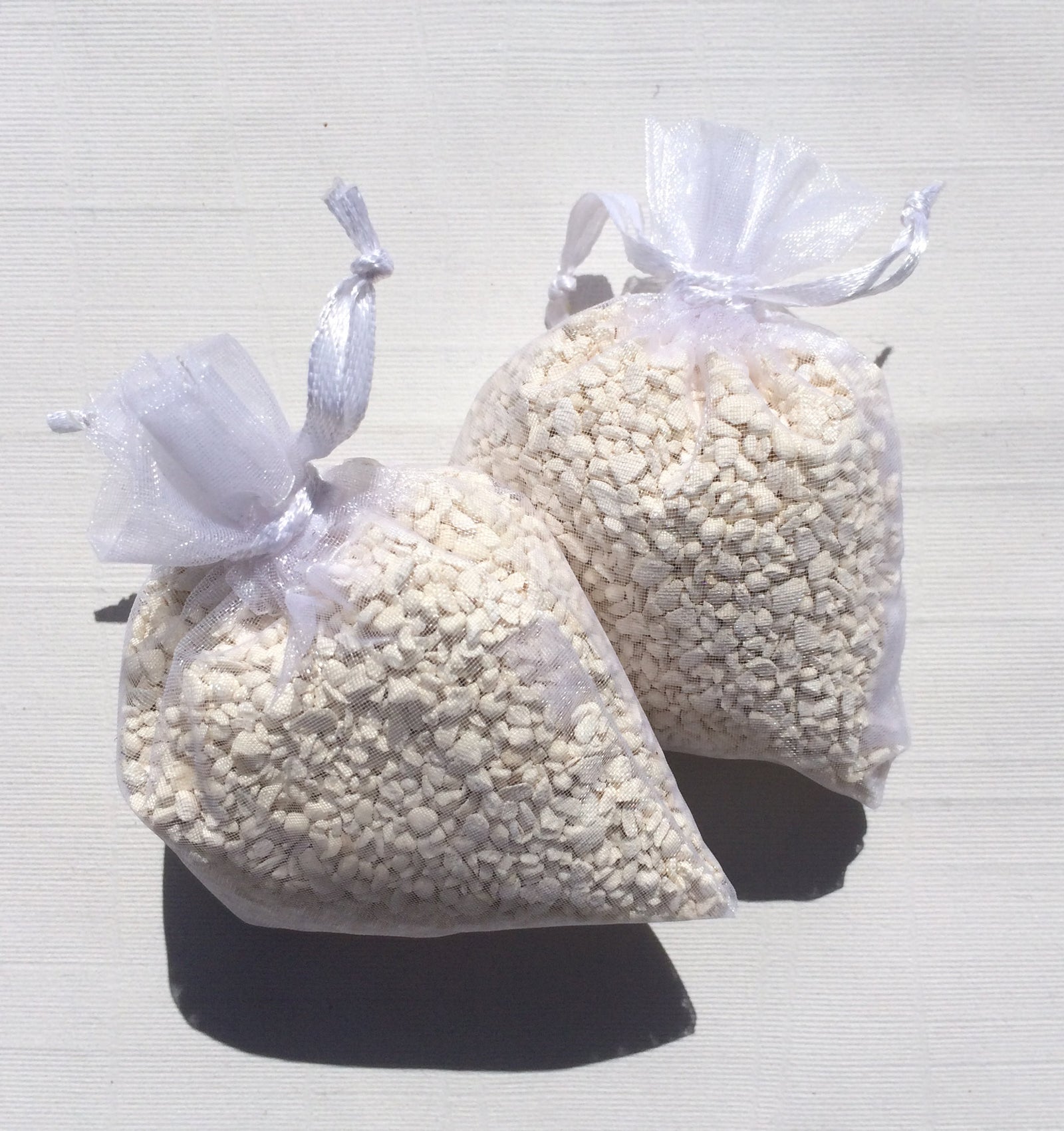
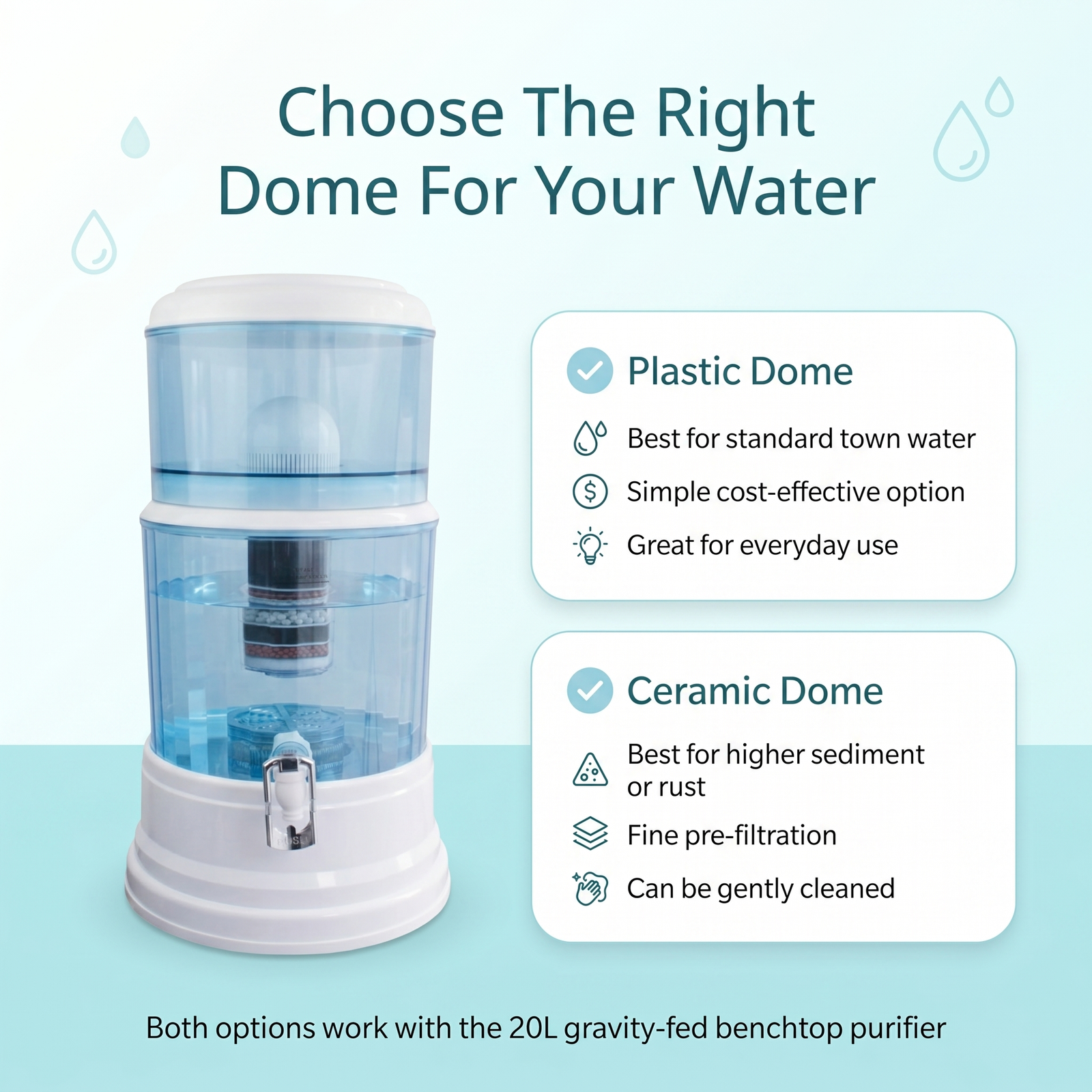
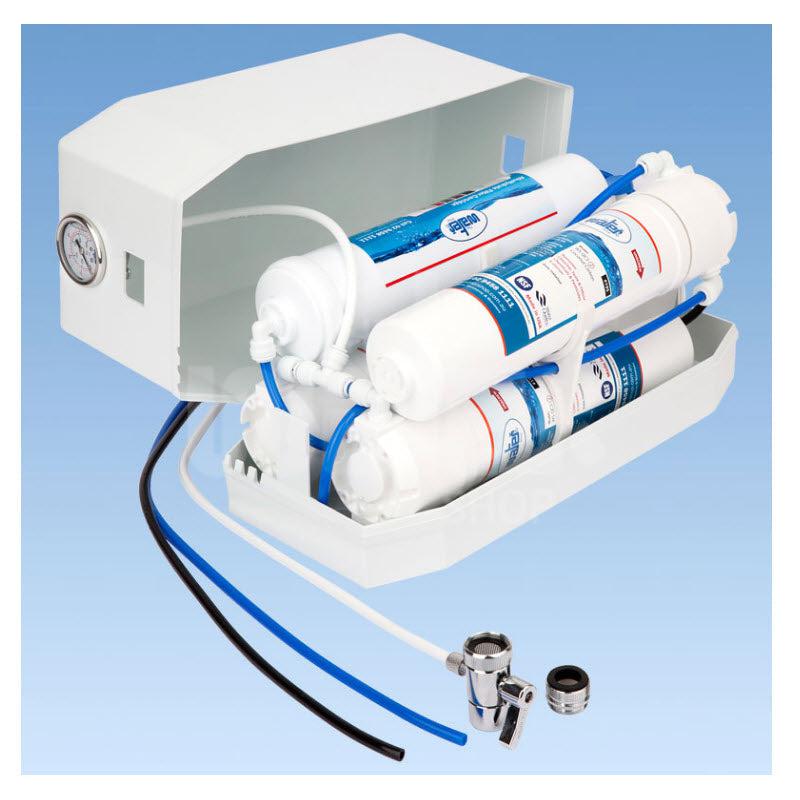
Activated carbon is not effective against dissolved minerals, nitrates, fluoride, or bacteria on its own. That’s why our 8-stage KDF filtration systems combine activated carbon with KDF media, ceramic filters, and mineral stones — each stage targeting different contaminants for comprehensive filtration.
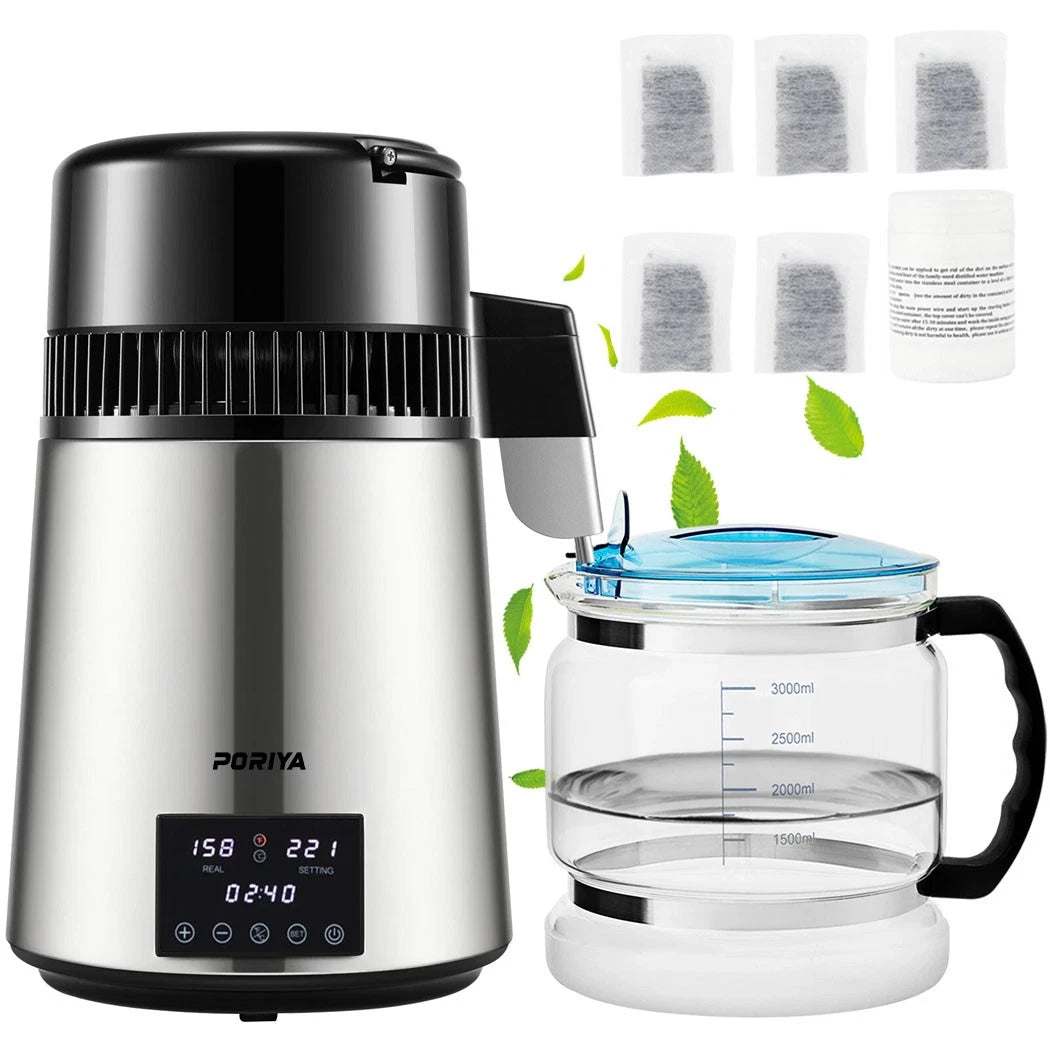
For fluoride removal, you need a reverse osmosis system or water distiller.
Types of Activated Carbon Used in Water Filters
- Granular Activated Carbon (GAC): Loose carbon granules — good flow rate, effective for chlorine and taste
- Carbon Block: Compressed carbon — finer filtration, better for removing smaller particles and some bacteria
- Coconut Shell Carbon: The highest quality activated carbon — used in our 8-stage KDF filters for superior chlorine and VOC removal
When to Replace Your Activated Carbon Filter
Activated carbon has a finite capacity — once saturated, it stops working and can even release trapped contaminants back into the water. Most cartridges need replacing every 6–12 months. Signs it’s time: returning chlorine taste or smell, or reduced flow rate.
Browse our replacement cartridge range to find the right one for your system, or call us on 1800 789 781.