


Great Awesome Deals! Fast Shipping Across Australia!

Water Filters & Purifiers

Whole House Water Filter Cost

August 03, 2021 5 min read

Protect Your Entire Home with a Whole House Water Filter

The purity of your home's water isn't always what it appears to be. In a glass of purportedly clean tap water, sneaky pollutants can easily find their way into your house and your body.

Common contaminants include chlorine, chloramines, and heavy metals from aging Aussie pipes. A Point-of-Entry (POE) whole-house water filtration system connects directly to your main water line, meaning every single tap—from your kitchen to your shower and laundry—delivers crystal-clear, filtered water. While it may seem like a large upfront investment, the long-term benefits for your family's health and your home's plumbing are absolutely priceless.

Why You'll Love It

  • 💧 Complete Protection: Enjoy pure, filtered water from absolutely every tap and showerhead in your home.
  • 💧 Appliance Longevity: Protects your washing machine, dishwasher, and plumbing from sediment and scale buildup.
  • 💧 Healthier Skin & Hair: Bathing in chlorine-free water is significantly gentler on sensitive skin and dry hair.
  • 💧 Cost-Effective: Eliminates the need for expensive bottled water and point-of-use replacement filters.
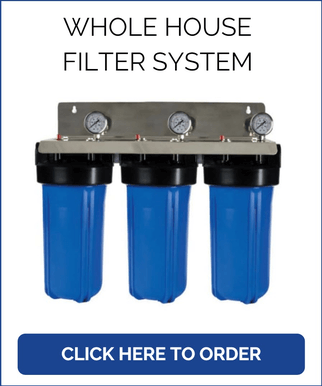
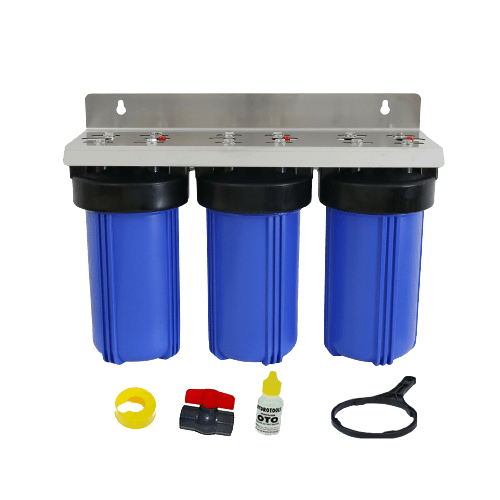
Big Blue Whole House Water Filter

How Much Does a Whole House Water Filter Cost?

The cost of whole-house water filtration systems varies greatly depending on your specific needs. The units themselves can cost anywhere from $1,000 for a basic carbon filter setup, to over $4,000 for a complex, high-capacity reverse-osmosis system.

Average Cost & Installation

You must also factor in the cost of professional installation. Plumber fees can range from roughly $300 to more than $3,000, depending on the complexity of the system you choose and any potential modifications required to your home's pipework.

On average, the total cost of having a whole-house water filtration system installed by a professional is around $1,765. This price typically covers the cost of the water filter system, the installation labor, and all the plumbing supplies required to finish the project.

Whole House Water Filtration Method Types

Whole House Water Filtration Methods

Reverse Osmosis (RO)

These systems are on the higher end of the price scale and require more maintenance, but they produce exceptional water quality and block the widest range of microscopic contaminants. Keep in mind that heavy RO systems may also deplete your water’s naturally occurring, valuable minerals unless a remineralizer is added.

Carbon-Based

The most popular and cost-effective alternative is a whole-house system with high-capacity carbon filters. These filters require minimal maintenance, usually last quite a long time, and excel at removing chlorine—instantly eliminating bad tastes and odors from your home's water.

Ionization & Water Softening

Ionization devices use a low-frequency electromagnetic pulse to ionize the water, reversing the charge of hard minerals so they can be eliminated or prevented from scaling. These specialized systems generally range in price from $1,000 to $2,000.

UV Disinfection

In this setup, water travels past powerful UV lights which effectively kill bacteria, viruses, and other microorganisms. Note that a UV disinfection system does not remove physical silt or sediment, so it is usually paired with a standard pre-filter. Expect to pay between $800 and $2,000 for UV integration.

Key Factors That Influence Cost

  • Filter Efficiency (Microns): Sediment filters measure particle removal in microns. The smaller the micron rating, the finer the filtration, which generally increases the cost of the filter cartridges.
  • Type of System: Basic sediment filters are the cheapest, but cannot remove dangerous chemicals. Activated carbon setups are mid-range and highly versatile. Salt-free water softeners and RO systems are the most premium options.
  • Capacity (GPM): The number of gallons a system can filter before needing replacement (normally in the 50,000 to 150,000 range) dictates price. Residential whole-house systems generally need to handle a flow rate of 8 to 15 Gallons Per Minute (GPM) so your shower pressure doesn't drop.
  • Number of Filtration Stages: Systems with three stages (e.g., a sediment pre-filter, an activated carbon filter, and a heavy metal filter) cost more upfront but provide vastly superior water quality.

The Advantages of Whole House Filtration

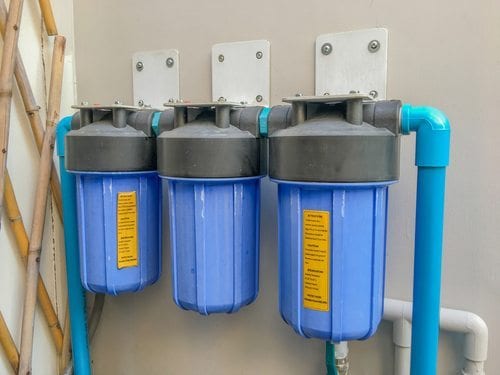
Whole House Water Filter Installation

Eco-Friendly Hydration

If you rely on bottled water because you dislike the taste of your tap water, a whole-house system will change your life. You will save a significant amount of money at the grocery store while drastically reducing your household's plastic waste.

Cleaner Clothes and Dishes

Unfiltered, hard water contains minerals that prevent soap from lathering properly, meaning your clothes and dishes aren't getting as clean as they could be. Filtered water allows detergents to work efficiently, protecting your washing machine and dishwasher in the process.

Kinder to Sensitive Skin

Harsh minerals and heavy chlorination in unfiltered municipal water can severely aggravate skin conditions like eczema, psoriasis, and dandruff. Showering in pure, filtered water is significantly gentler and more hydrating for your skin and hair.

Whole House System Guide

Specifications and Capacity

General performance benchmarks for standard residential POE (Point of Entry) Systems.

Flow Rate 8 - 15 GPM (Gallons Per Minute)
Filter Lifespan 6 to 12 Months (Depending on local water quality)
System Capacity 50,000 to 150,000+ Gallons
Port Size Typically 1" or 1.5" brass/PVC plumbing ports
Installation and Maintenance

Professional Installation Required: Because a whole-house system intercepts your property's main water line, installation should be performed by a licensed plumber to ensure compliance with local building codes and to prevent leaks.

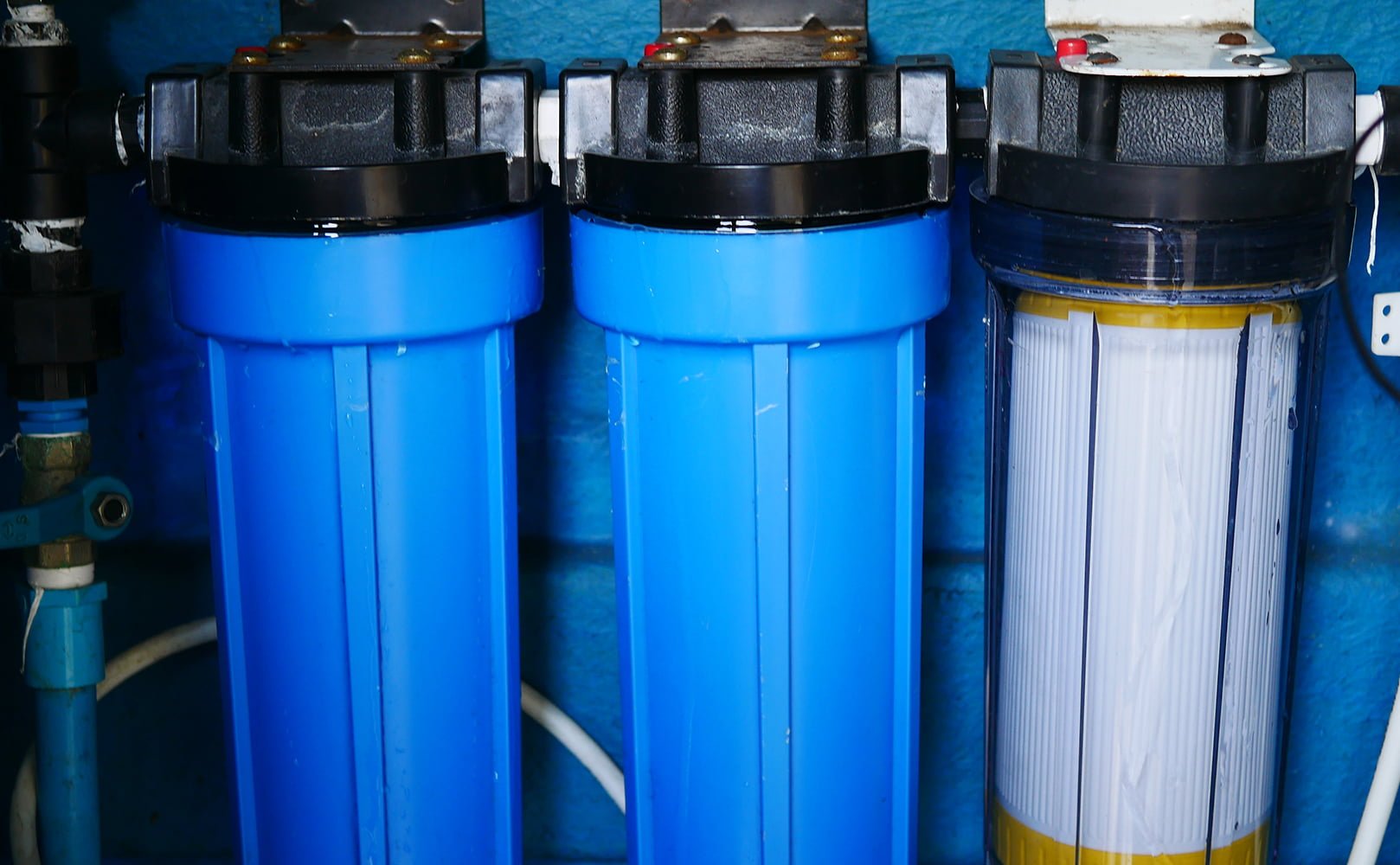
Maintenance: Once installed, maintaining the system is straightforward. You simply use the included housing wrench to unscrew the heavy-duty blue canisters and drop in fresh filter cartridges every 6-12 months.

Shipping and Delivery

We dispatch our heavy-duty Big Blue Whole House systems daily from our Australian warehouses. Due to the size and weight of these premium units, delivery is handled via courier. Tracking details will be provided the moment your system leaves our facility.

The upfront whole house water filter cost may be higher than standalone benchtop filters, but the total home protection is absolutely worth it. Knowing that you have pure, filtered water flowing from every tap in your house gives you incredible peace of mind. Whether you’re drinking, cooking, or bathing, whole-house filtered water makes a massive difference to your family's daily health. Contact Awesome Water Filters today to discuss the perfect setup for your property!

Common Questions

Question: How much does a whole house water filter cost to install? Answer: On average, Australians can expect to pay around $1,765 for a complete whole-house water filtration setup. This estimated average covers the cost of the unit itself, the replacement filter cartridges, and the labor fees of a licensed plumber.
Question: What is the most cost-effective whole house water filter? Answer: Carbon-based whole house systems (often utilizing multi-stage sediment and activated carbon filters) are widely considered the most cost-effective. They are significantly cheaper to install than Reverse Osmosis systems, yet they brilliantly remove chlorine, bad odors, and sediment.
Question: Does a whole house water filter help with sensitive skin? Answer: Yes! Unfiltered municipal water often contains high levels of chlorine and hard minerals which strip the skin of its natural oils. By filtering the water before it reaches your showerhead, you can drastically reduce the irritation associated with eczema, psoriasis, and dry scalp.
```html
```