Are Shower Filters Necessary? Here's the Honest Answer
September 17, 20213 min read
If you’ve been wondering whether a shower filter is actually necessary or just a wellness trend, here’s a straight answer: for most Australians showering in chlorinated town water, a shower filter makes a genuine, noticeable difference — particularly for skin and hair health. Here’s why.
Australian town water is treated with chlorine and chloramines to kill bacteria and pathogens — which is necessary and effective. The problem is that these same chemicals, when you shower in hot water daily, have a cumulative effect on your skin and hair.
Hot water opens your pores and causes chlorine to volatilise into steam, meaning you’re absorbing it through your skin and inhaling it simultaneously. Over time this contributes to:
Dry, tight skin after showering
Dry, brittle, or frizzy hair
Scalp irritation and dandruff
Aggravated eczema, psoriasis, or dermatitis
Faded colour-treated hair
What Does a Shower Filter Do?
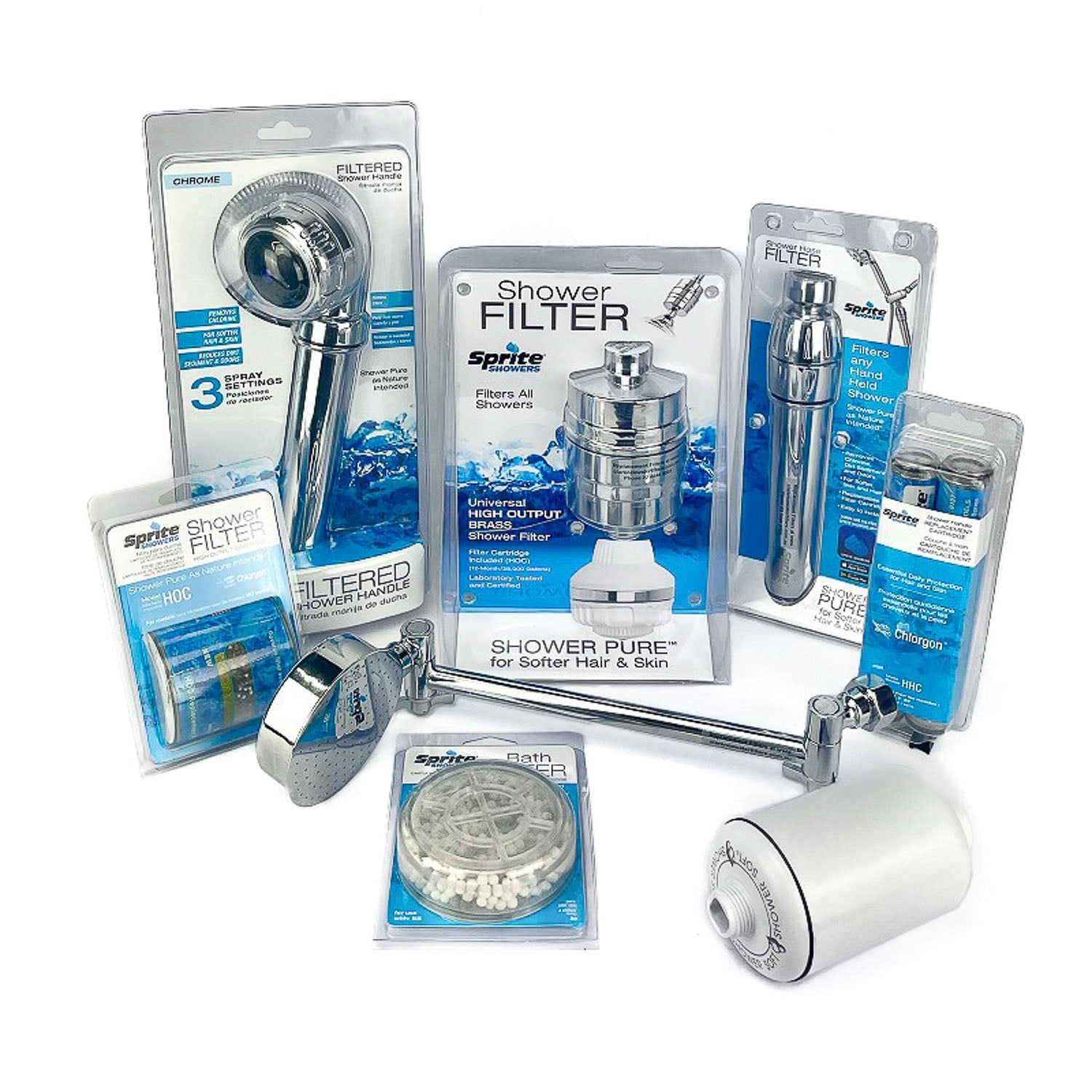
A shower filter removes or significantly reduces chlorine and chloramines from your shower water before it reaches your skin. Quality KDF-based filters (like our Sprite range) use a copper-zinc redox process that remains effective at hot water temperatures — unlike carbon filters, which lose effectiveness as water heats up.
What shower filters don’t do: they don’t soften hard water. If limescale is your main concern, you need a whole house water filter or water softener, not a shower filter.
Who Benefits Most from a Shower Filter?
People with eczema, psoriasis, or sensitive skin — chlorine is a known irritant that triggers and worsens flare-ups
People with colour-treated hair — chlorine lifts colour from the outer cuticle, accelerating fade
Babies and young children — their skin is more permeable and sensitive to chemical exposure
Anyone who notices dry skin or hair after showering — this is often the first sign of chlorine sensitivity
People in cities using chloramines (most major Australian cities) — chloramines are harder to remove than chlorine and require a filter with Chlorgon or Vitamin C media
Are Shower Filters Effective?
Yes — when you choose the right type. KDF-55 media is NSF-validated for chlorine removal and remains effective at shower temperatures. Our Sprite shower filters use KDF and Chlorgon media specifically engineered for hot water performance.
A quality shower filter reduces chlorine by up to 90–96%. Be sceptical of any filter claiming 99%+ removal — that’s not realistic in a shower environment where water contact time with the media is brief.
Frequently Asked Questions
Will a shower filter help my eczema?
Many people with eczema report significant improvement after switching to filtered shower water. Chlorine is a known skin irritant and removing it reduces one of the common triggers. Results vary — consult your dermatologist for personalised advice.
Do shower filters work for hard water?
No — shower filters remove chlorine and some minerals but don’t soften hard water. For hard water issues, you need a whole house water softener or filter. See our Whole House Water Filters Guide.
How long does a shower filter cartridge last?
Most Sprite cartridges last 3–6 months depending on household size and water quality. Browse our replacement cartridge range for compatible options.
Can I install a shower filter myself?
Yes — shower filters attach between your shower arm and showerhead with no tools or plumbing knowledge required. Installation takes under 5 minutes. See our shower filter installation guide.
Subscribe
Sign up to get the latest on sales, new releases and more …