Distilled Water vs Reverse Osmosis: What's the Difference?
September 16, 20212 min read
Both distillation and reverse osmosis produce very high purity water — but they work differently, cost differently, and suit different households. Here’s a clear comparison to help you decide which is right for your home.
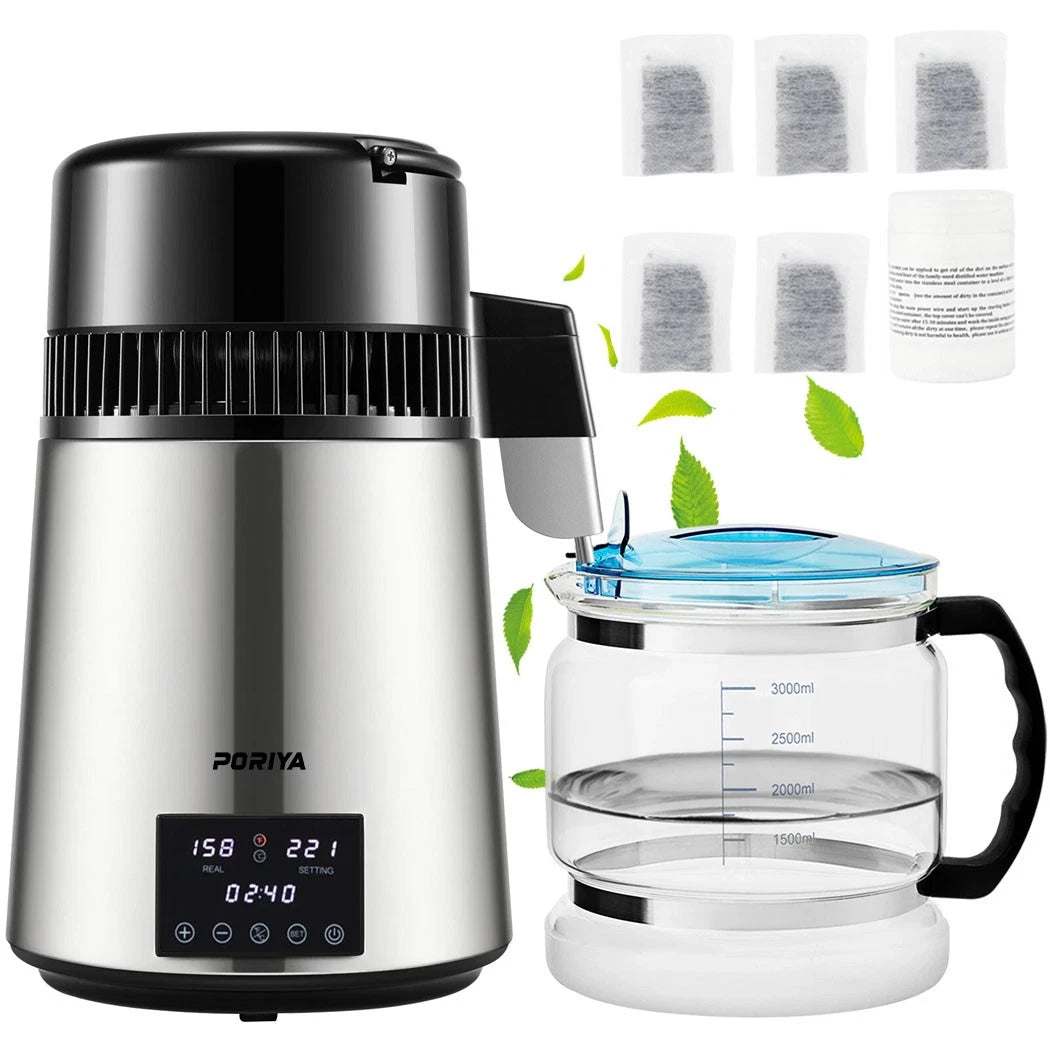
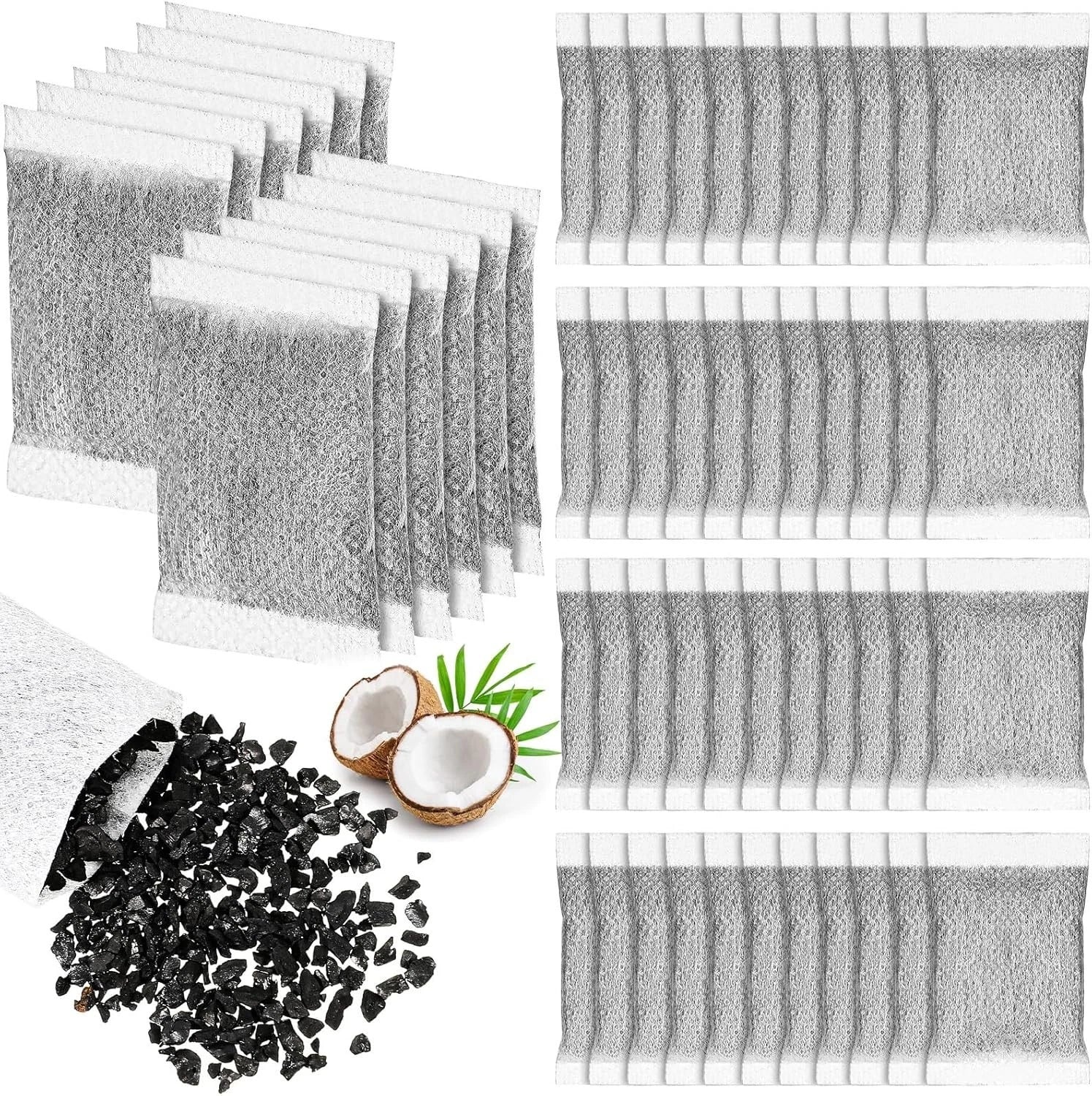
Water is boiled into steam, then condensed back into liquid in a separate clean container. Contaminants, minerals, bacteria, heavy metals, and most chemicals don’t evaporate with the water — they’re left behind in the boiling chamber. A carbon post-filter removes any volatile organic compounds (VOCs) that carry over with the steam.
Reverse Osmosis
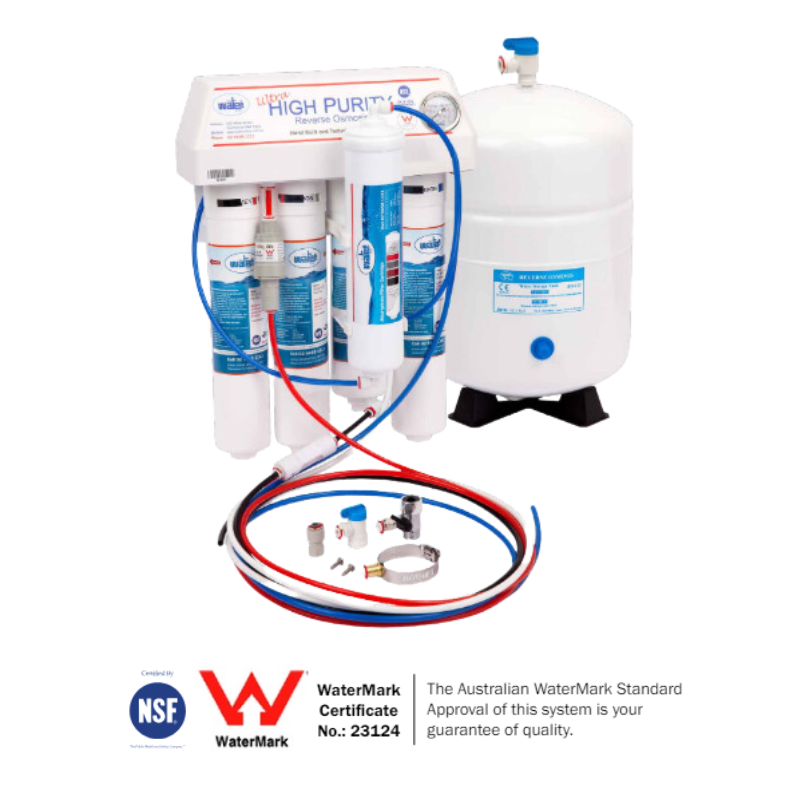
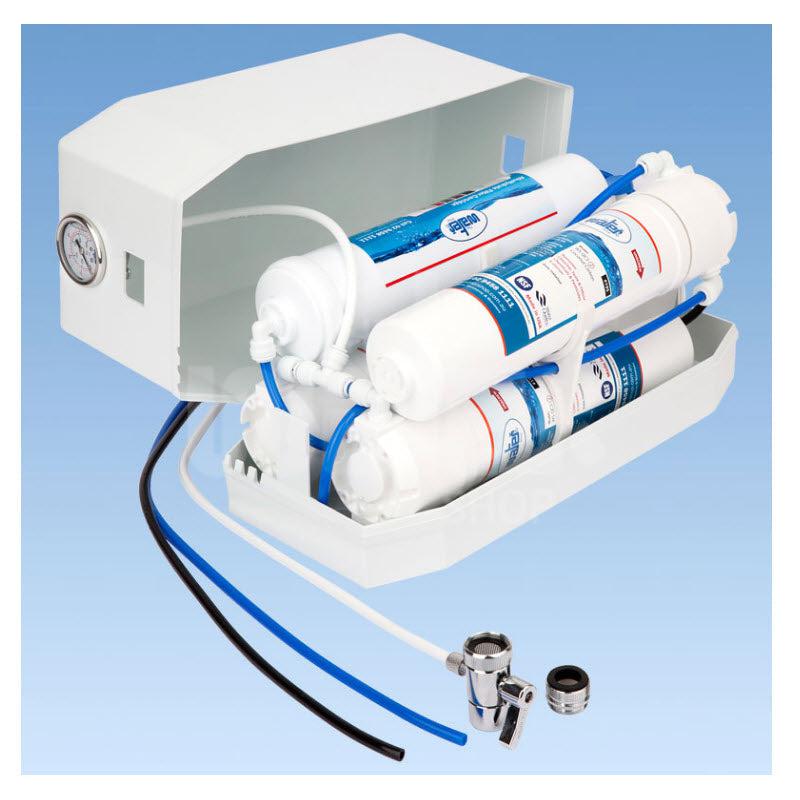
Water is forced under pressure through a semi-permeable membrane with pores small enough to block dissolved contaminants, heavy metals, bacteria, and viruses. Most RO systems include pre-filters (sediment and carbon) and many include a remineralisation stage that adds beneficial minerals back after filtration.
Side-by-Side Comparison
Feature
Distillation
Reverse Osmosis
Purity level
Extremely high — removes virtually everything
Very high — removes up to 99% of contaminants
Removes fluoride
Yes
Yes
Removes bacteria/viruses
Yes — killed by boiling
Yes — blocked by membrane
Removes VOCs
Yes (with carbon post-filter)
Partially
Minerals retained
No — remineralise separately
No — but many RO systems include remineralisation stage
Water on demand
No — 4–5 hours per 4L batch
Yes — instant from tap
Upfront cost
Lower
Higher
Running cost
Electricity to boil water (~$0.05–0.10/L)
Filter replacements every 6–12 months
Plumbing required
No — benchtop, plug-in
Yes — connects to mains water
Best for
Maximum purity, renters, CPAP use, no plumbing
Families wanting on-demand filtered water
Which Should You Choose?
Choose a water distiller if: you want the absolute highest purity, you’re renting and can’t install plumbing, you need distilled water for a CPAP machine, or you want a simple plug-in solution with no installation.
Choose a reverse osmosis system if: you want filtered water on demand from the tap, you have a family with higher daily water needs, or you want a system with a built-in remineralisation stage for better-tasting water.
Both are excellent choices for Australian households wanting to remove fluoride, chlorine, heavy metals, and other contaminants from their drinking water. Browse our water distiller range and reverse osmosis range, or call us on 1800 789 781 and we’ll help you choose.
Frequently Asked Questions
Is distilled water or RO water better for drinking?
Both are very high purity. RO water with a remineralisation stage is generally preferred for daily drinking as it has a better taste and retains beneficial minerals. Distilled water is ideal for maximum purity applications like CPAP machines or when you want to add your own minerals.
Does reverse osmosis remove fluoride?
Yes — a quality RO membrane removes up to 95–98% of fluoride. See our Reverse Osmosis Guide for more detail.
Can I use distilled water in my RO system?
There’s no need to — an RO system produces its own purified water from tap water. Distilled water is used as the output of a distiller, not as an input to another system.
Subscribe
Sign up to get the latest on sales, new releases and more …