Best Water Filters for Your Kitchen Sink in Australia
July 07, 20212 min read
A kitchen sink water filter gives you filtered water on demand for drinking and cooking — without the cost and waste of bottled water. Here’s a practical guide to the main options for Australian homes.
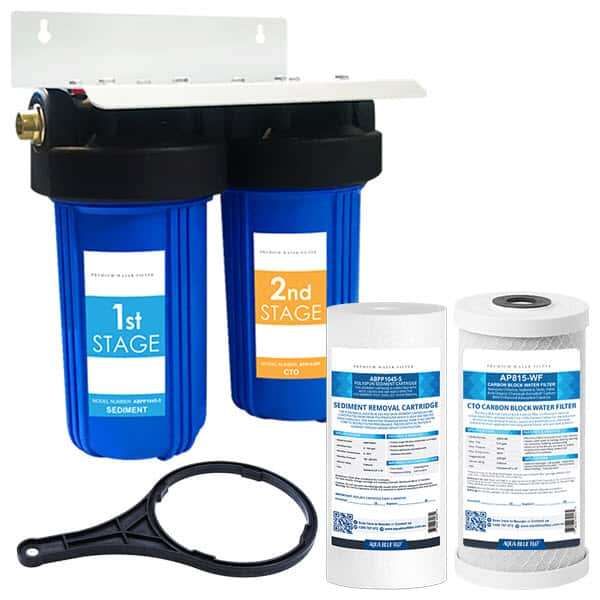
Installed under the kitchen sink and connected to a dedicated filtered water tap (or your existing tap). Provides filtered water on demand without taking up bench space. Most under sink systems use a twin or triple cartridge setup — sediment pre-filter + carbon block. Browse our under sink filter range.
Best for: households wanting a permanent, plumbed-in solution with no bench clutter.
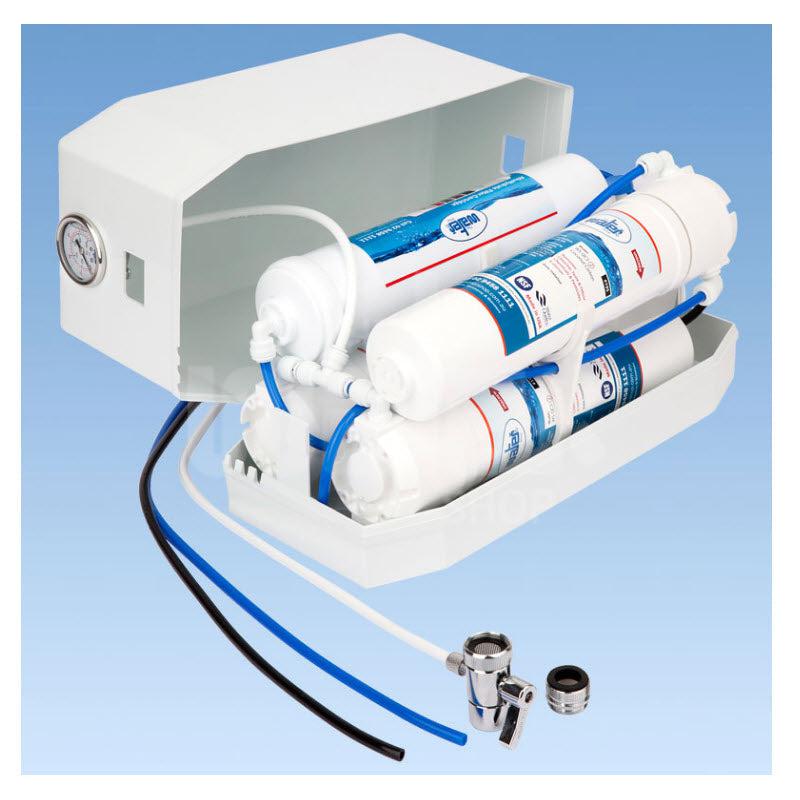
Reverse Osmosis Under Sink Systems
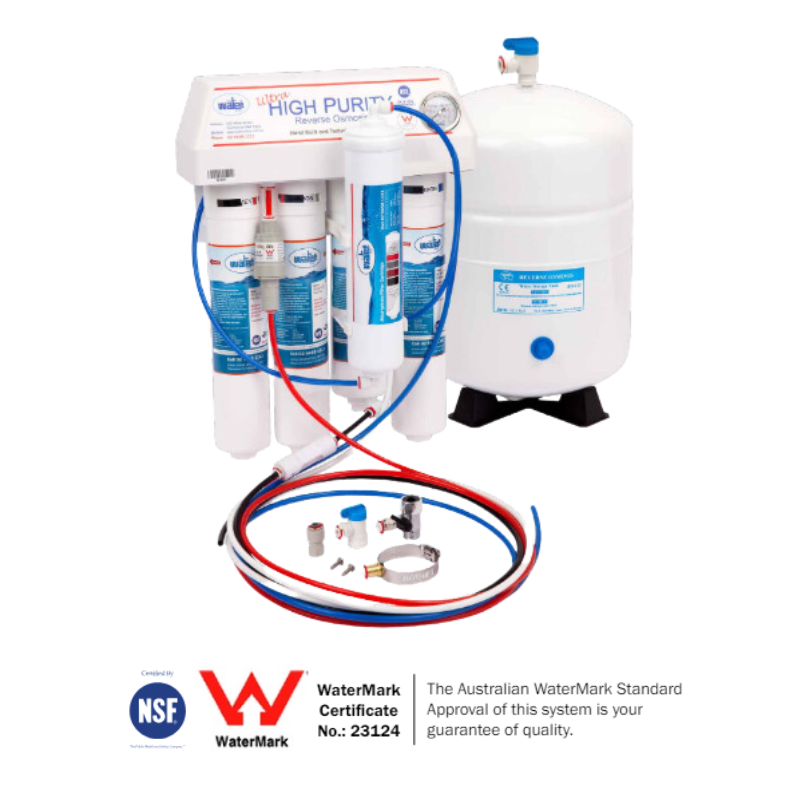
A more comprehensive under sink option that removes up to 99% of contaminants including fluoride, heavy metals, bacteria, and nitrates. Includes a storage tank and dedicated tap. Browse our RO range.
Best for: households wanting maximum purity, fluoride removal, or filtering bore/tank water.
Benchtop Filters
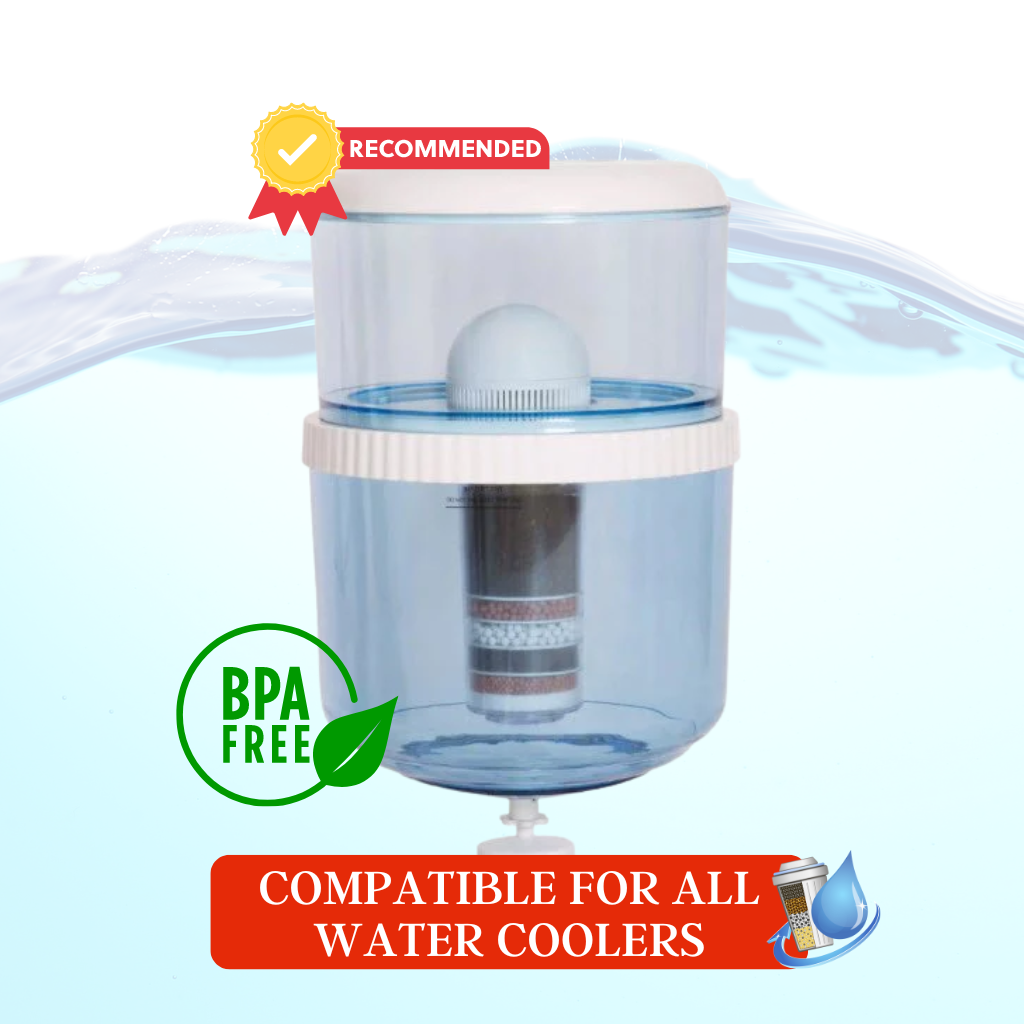
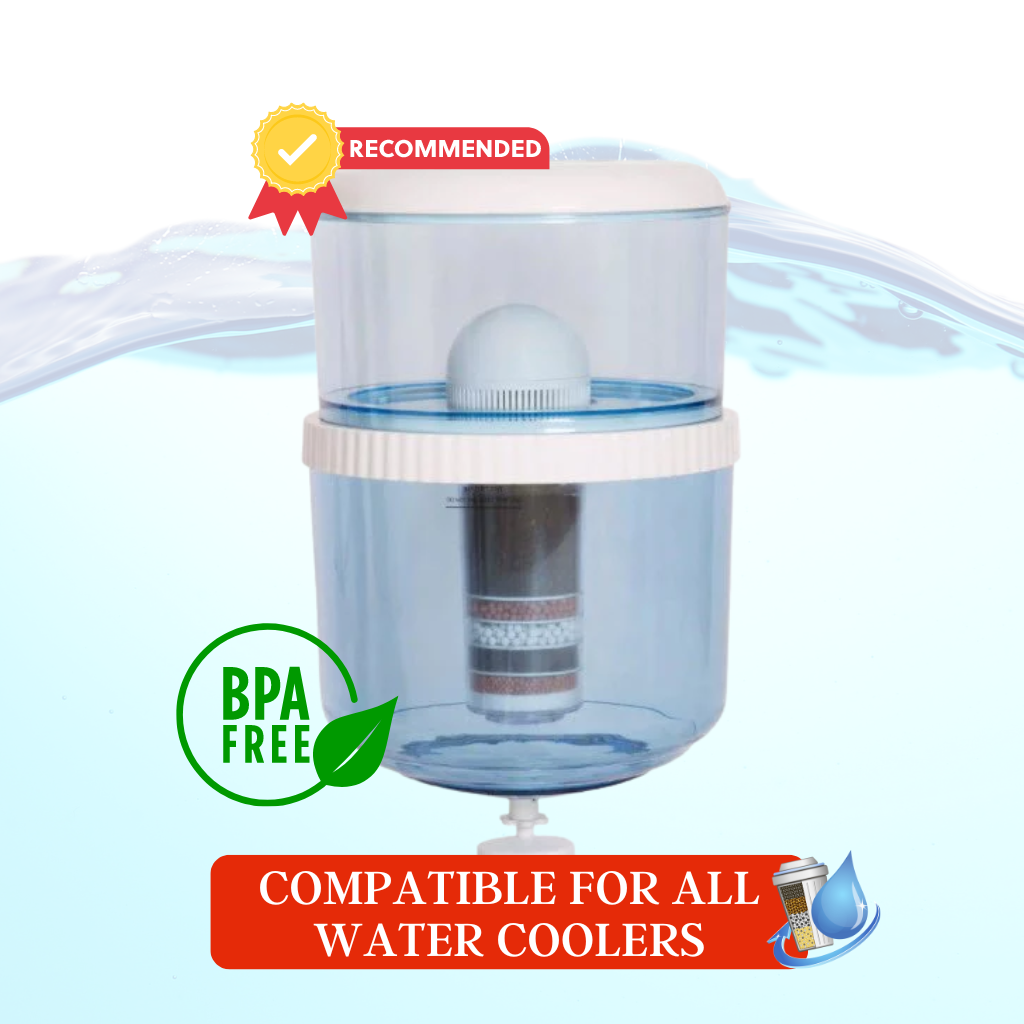
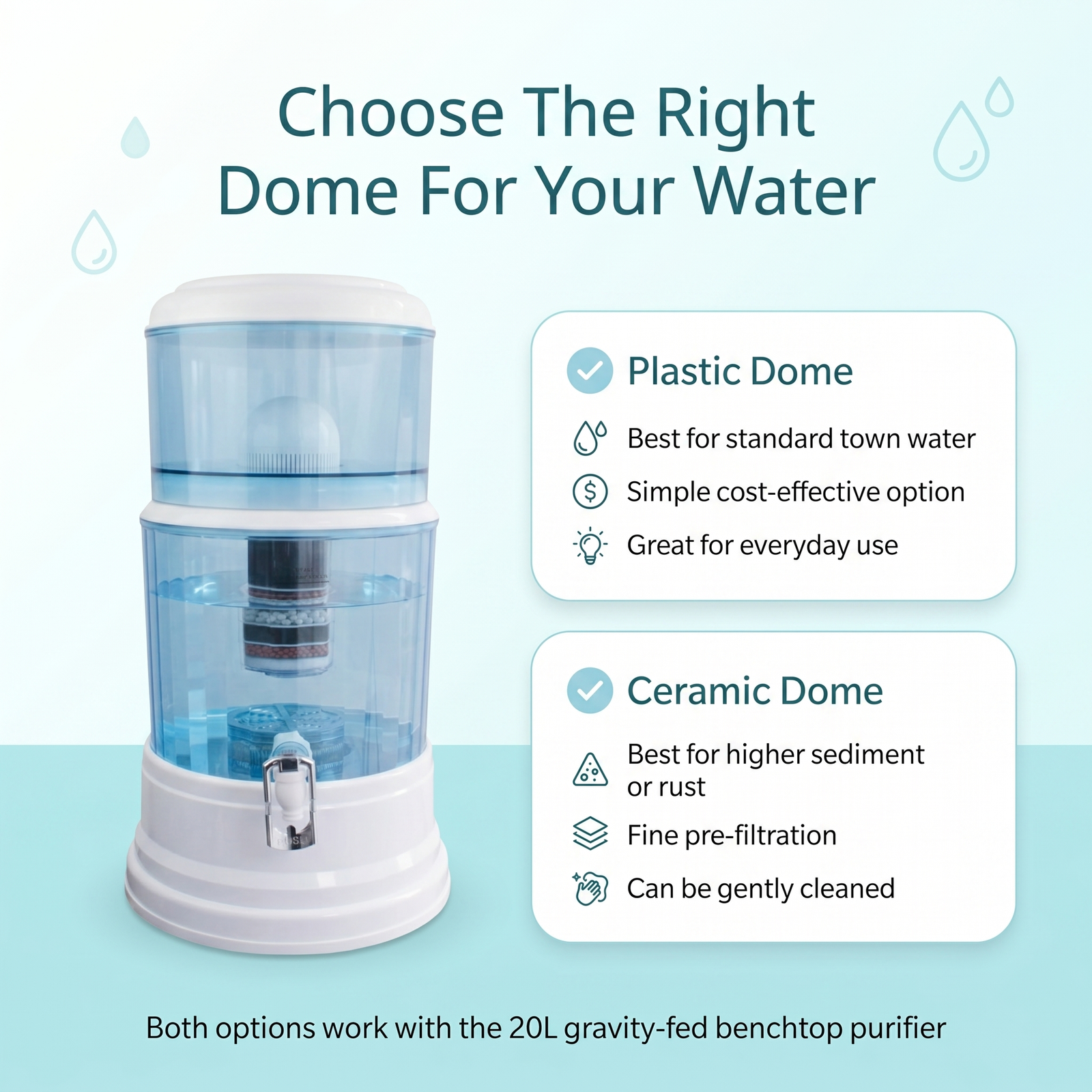
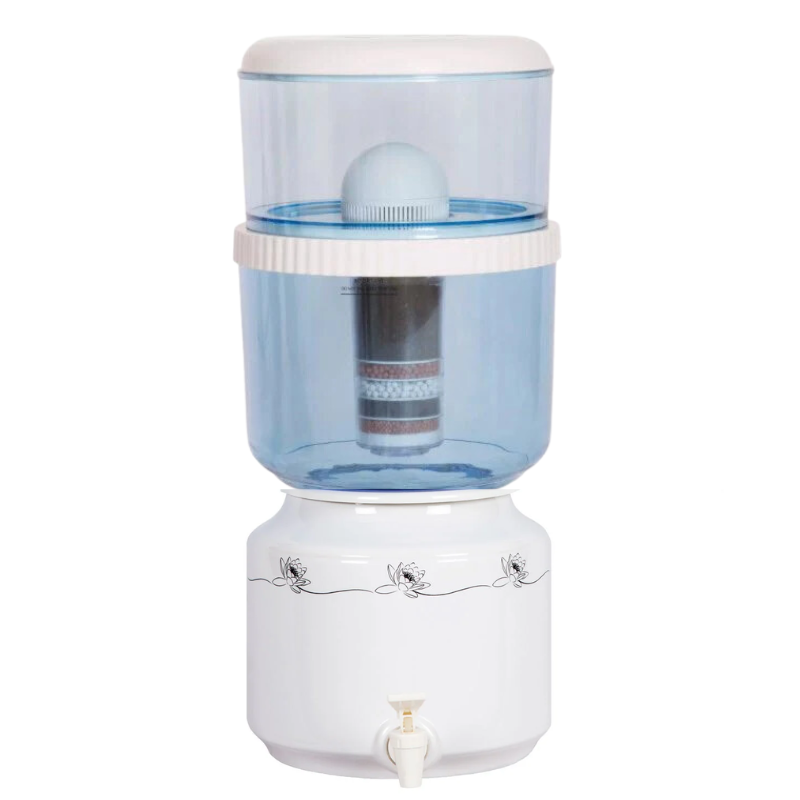
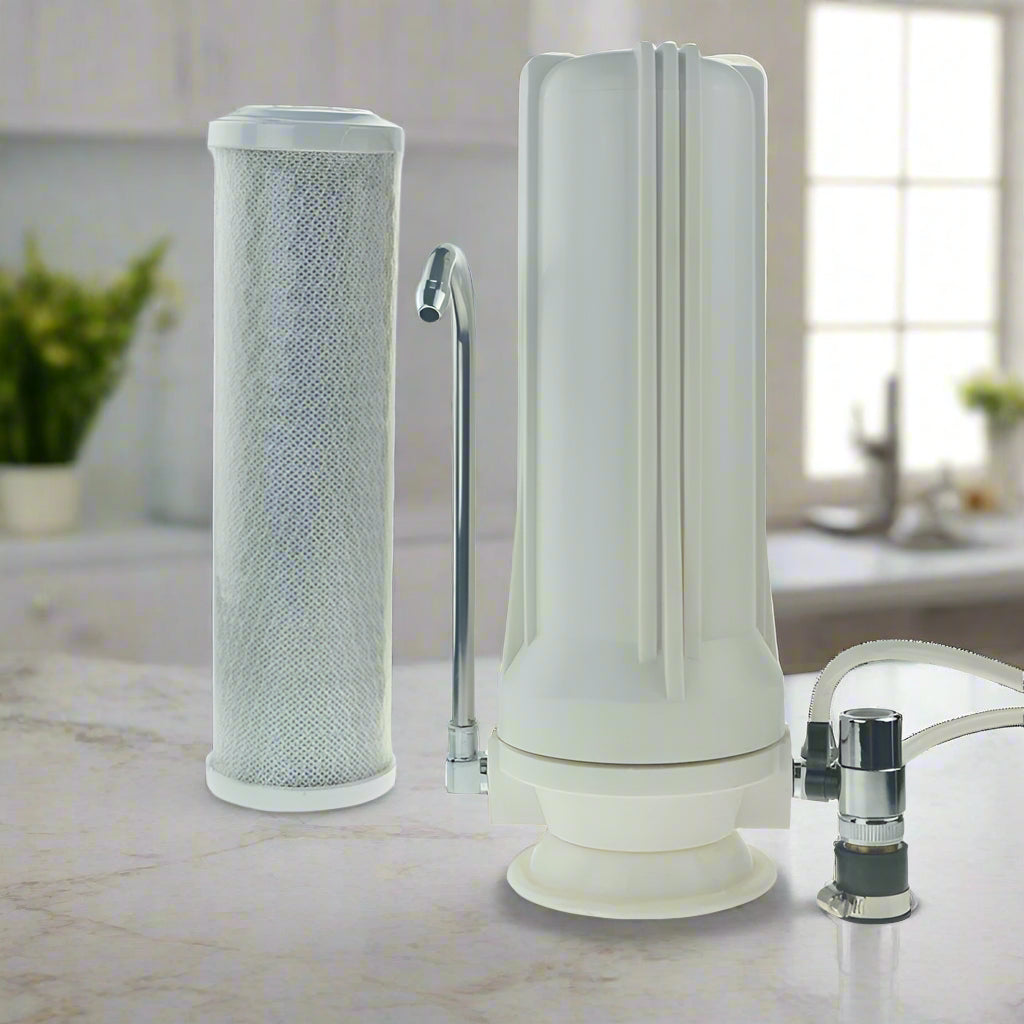
Gravity-fed or mains-connected units that sit on the bench. No plumbing required for gravity models. Our 8-stage KDF benchtop filters are the most popular option for renters and households who don’t want to modify their plumbing.
Best for: renters, smaller households, or anyone who wants filtered water without installation.
Key Buying Considerations
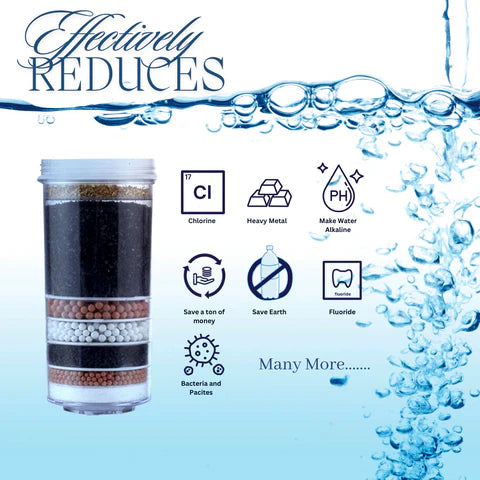
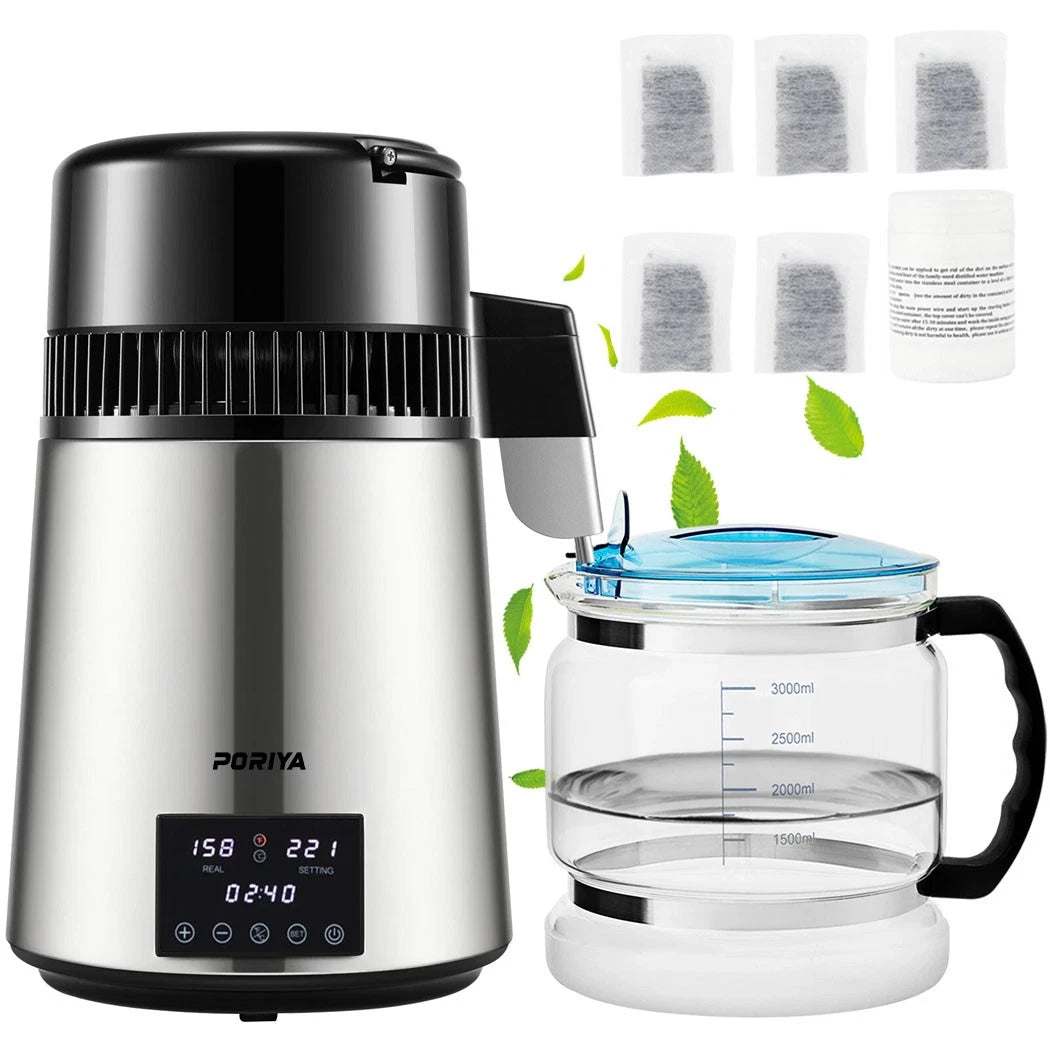
What do you want to remove? For chlorine, sediment, and taste/odour — a carbon-based under sink or benchtop filter is sufficient. For fluoride or heavy metals — choose reverse osmosis or distillation.
Plumbing required? Under sink and RO systems require a plumbing connection. Benchtop gravity filters don’t.
Cartridge replacement: every 6–12 months for most systems. Check cartridge availability and cost before buying.
Flow rate: under sink systems provide filtered water on demand; gravity benchtop filters produce water more slowly.
Budget: benchtop filters $200–$400; under sink systems $200–$500; RO systems $400–$800.
Frequently Asked Questions
What is the best under sink water filter for Australian homes?
For most Australian town water households, a twin under sink system (sediment + carbon) provides excellent drinking water quality. For fluoride removal, choose a reverse osmosis system. Call us on 1800 789 781 for a recommendation based on your water supply.
Do I need a plumber to install an under sink water filter?
Most under sink filters can be DIY-installed by a confident homeowner — they connect to the cold water supply line under the sink. RO systems are slightly more complex but still manageable for most DIYers. See our Under Sink Water Filters Guide for installation details.
Is filtered water better for cooking?
Yes — removing chlorine from cooking water improves the taste of food, particularly for dishes where water is a primary ingredient (pasta, rice, soups, coffee, and tea). The difference is most noticeable in areas with heavily chlorinated water.
Subscribe
Sign up to get the latest on sales, new releases and more …