How Often Should You Replace a Water Filter Cartridge?
June 26, 20267 min read
Why Regular Cartridge Replacement Matters
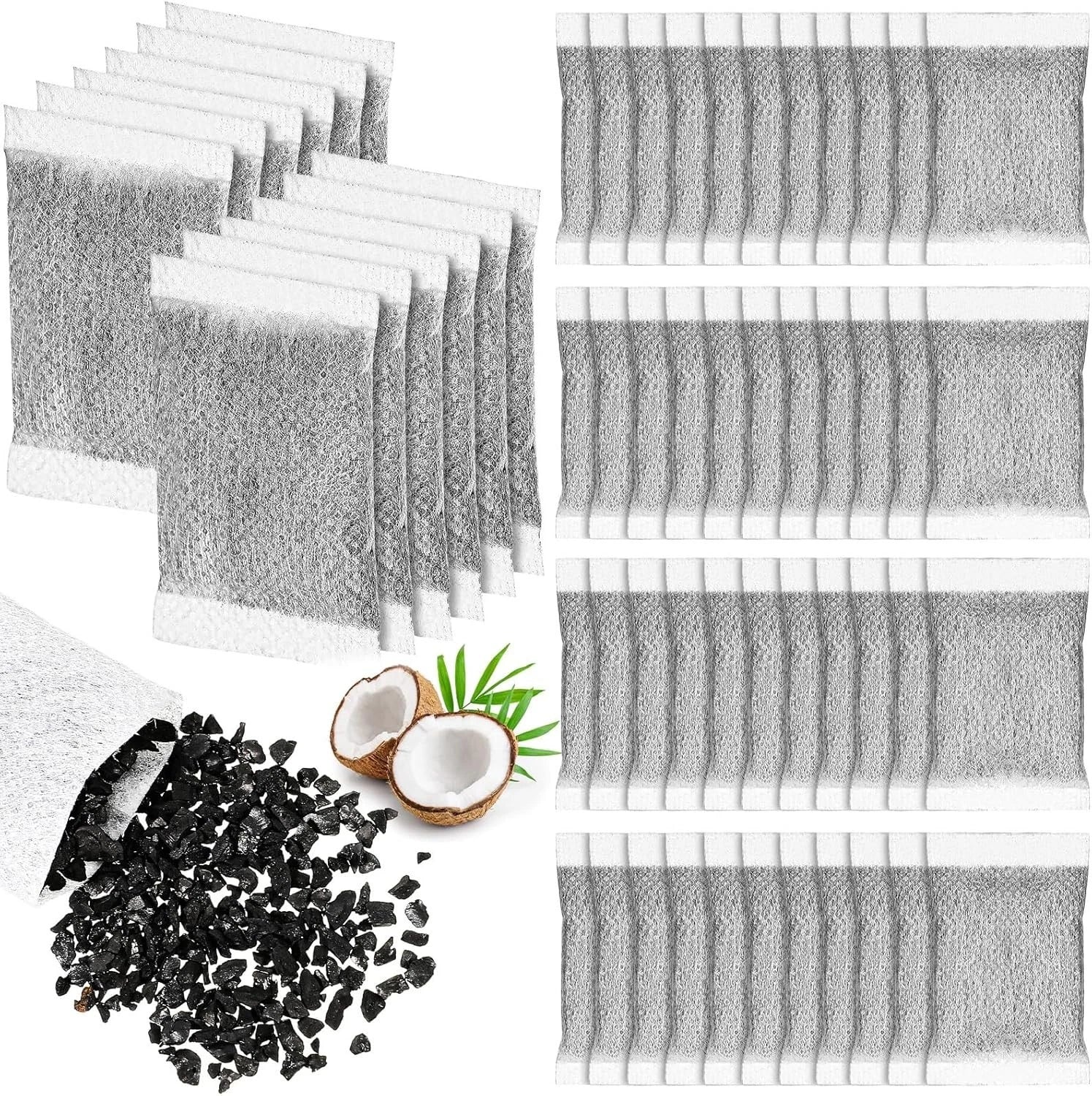
A water filter cartridge does not last forever. Over time, the filter media — whether activated carbon, ceramic, KDF, or a reverse osmosis membrane — becomes saturated with the contaminants it has been removing. Once the media is exhausted, the filter can no longer do its job effectively.
The consequences of leaving a cartridge too long include reduced flow rate, water that tastes or smells off, and in some cases, the release of previously trapped contaminants back into your drinking water. Regular replacement is the single most important maintenance task for any water filtration system.
Important note: Replacement schedules below are general guidelines based on typical filter designs. Your actual replacement interval will depend on your water source, household usage, and local water quality. Always check your specific product manual for the manufacturer's recommended schedule. [NEEDS VERIFICATION: confirm exact filter lifespans for each AWF product model before publishing these figures as product-specific claims]
Replacement Schedule by Filter Type
8-Stage Gravity-Fed Water Filter Cartridges
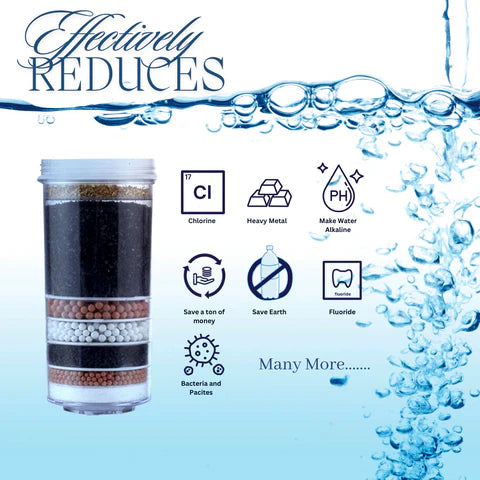
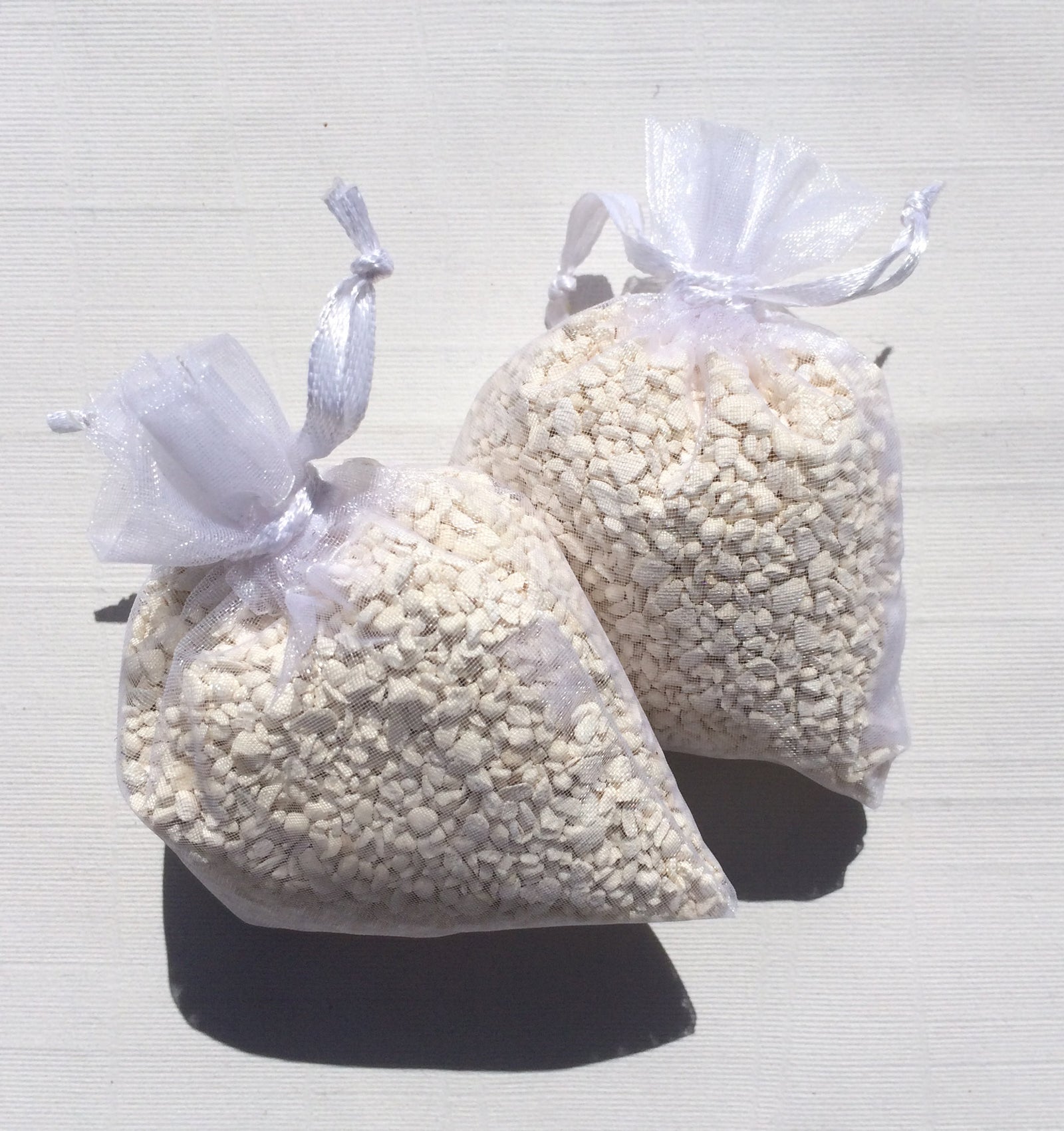
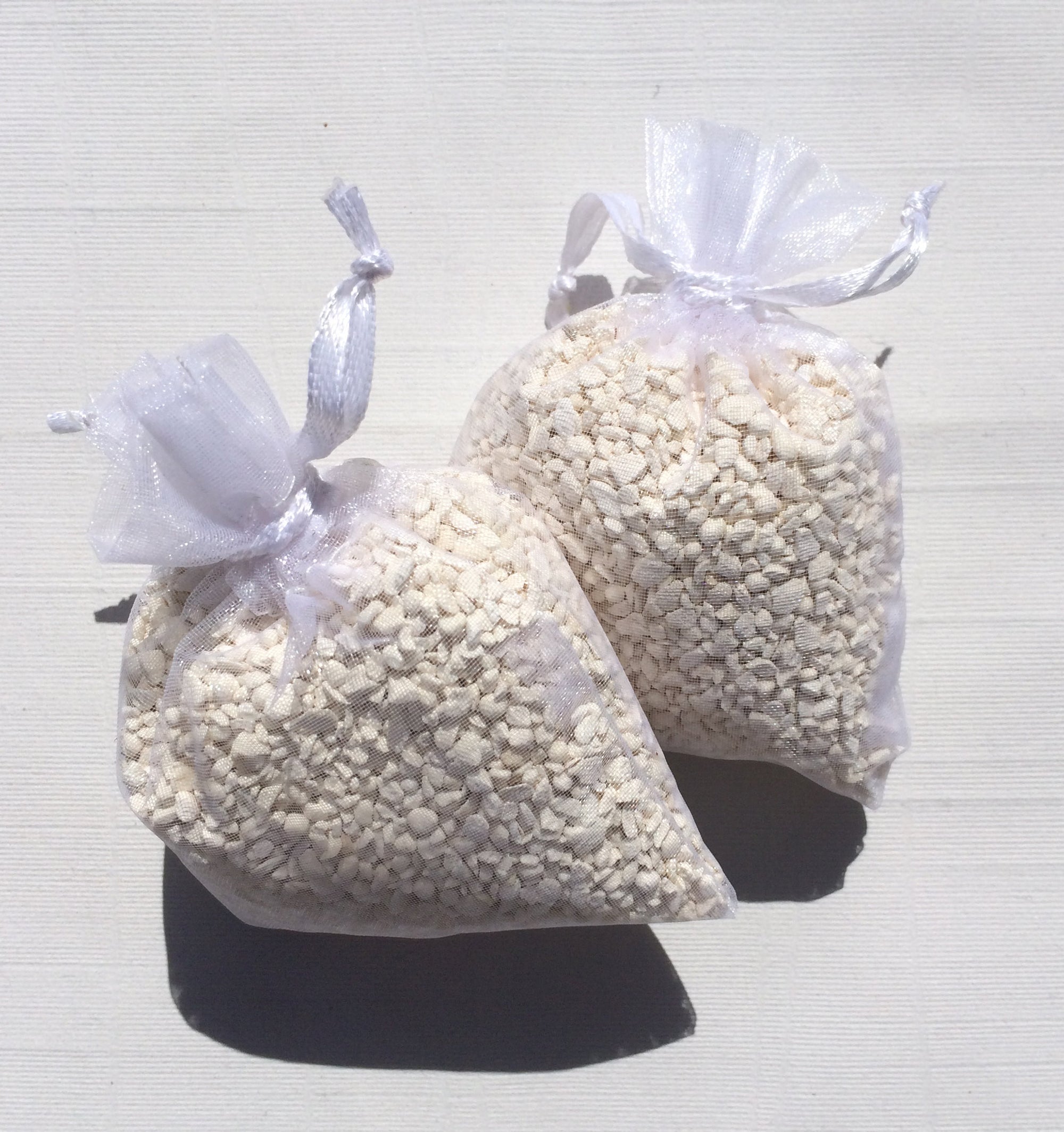
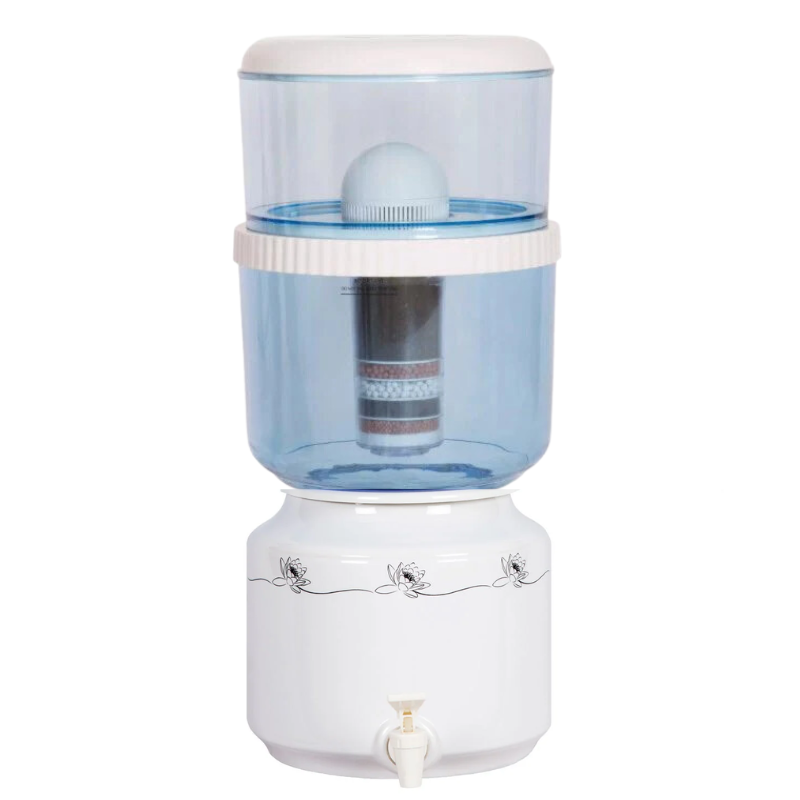
The 8-stage cartridge used in benchtop gravity-fed water filters typically contains multiple filter media layers including KDF, activated carbon, and mineral stones. Most 8-stage cartridges are designed for replacement every 6 to 12 months, or approximately 3,000 to 5,000 litres — whichever comes first.
If your household uses a lot of water or your source water contains higher levels of sediment or chlorine, err toward the shorter end of the range. A family of four will typically reach the volume limit before the time limit.
Ceramic Dome Filters
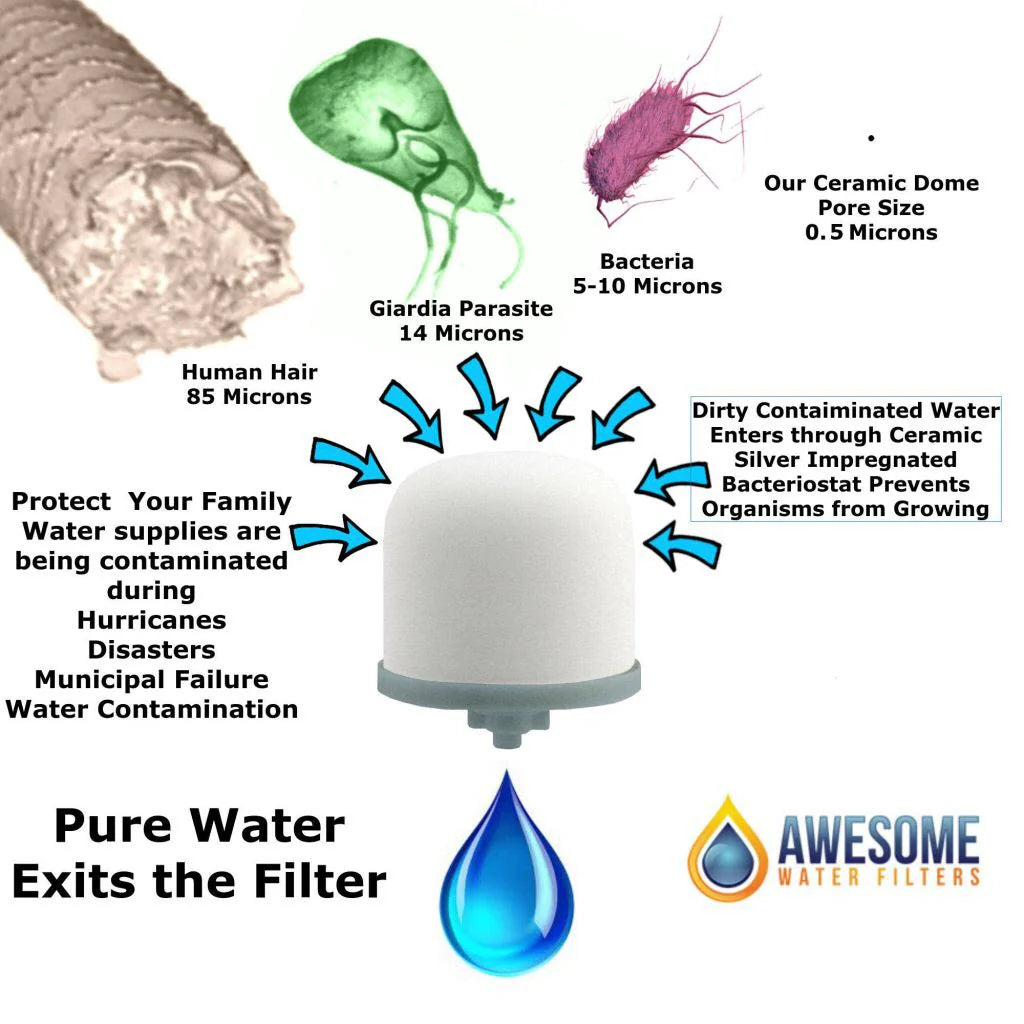
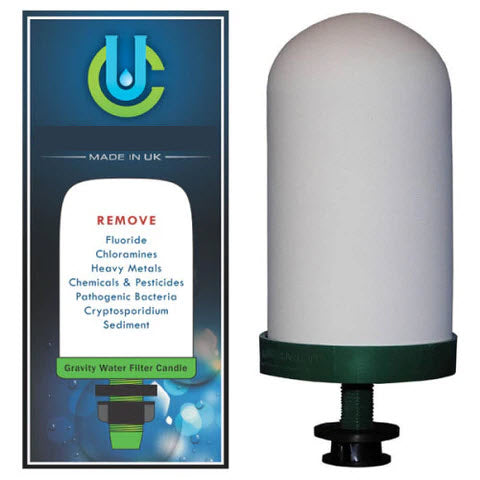
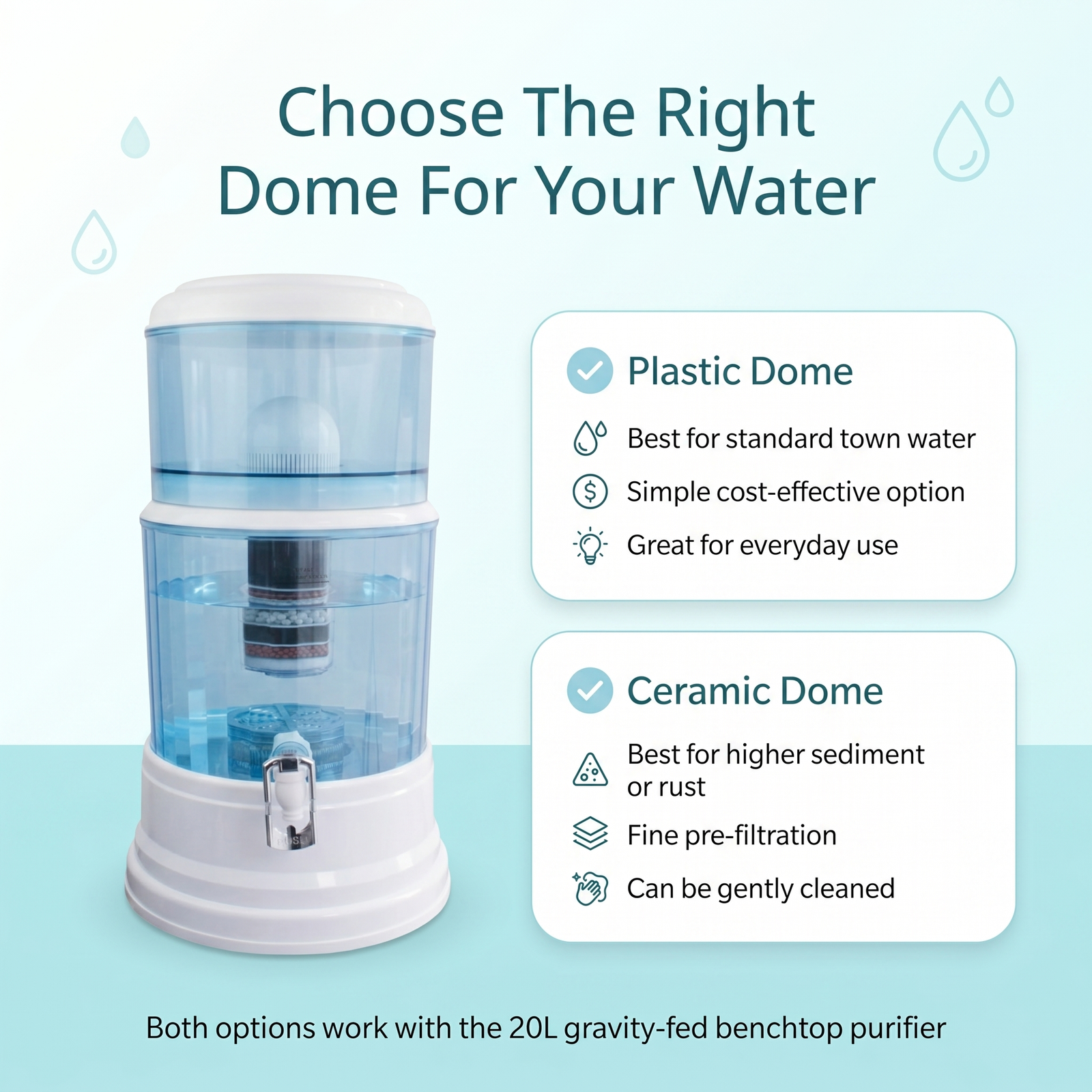
Ceramic dome filters work differently. The ceramic outer shell can be cleaned rather than replaced — typically every one to three months using a soft brush under running water to remove sediment buildup from the surface. However, the ceramic dome itself should be replaced every 12 to 24 months, as microscopic cracks and wear reduce its effectiveness over time even if it looks intact.
Always inspect the ceramic dome carefully for hairline cracks before and after cleaning. A cracked ceramic dome should be replaced immediately, regardless of age.
Reverse Osmosis Pre-Filters
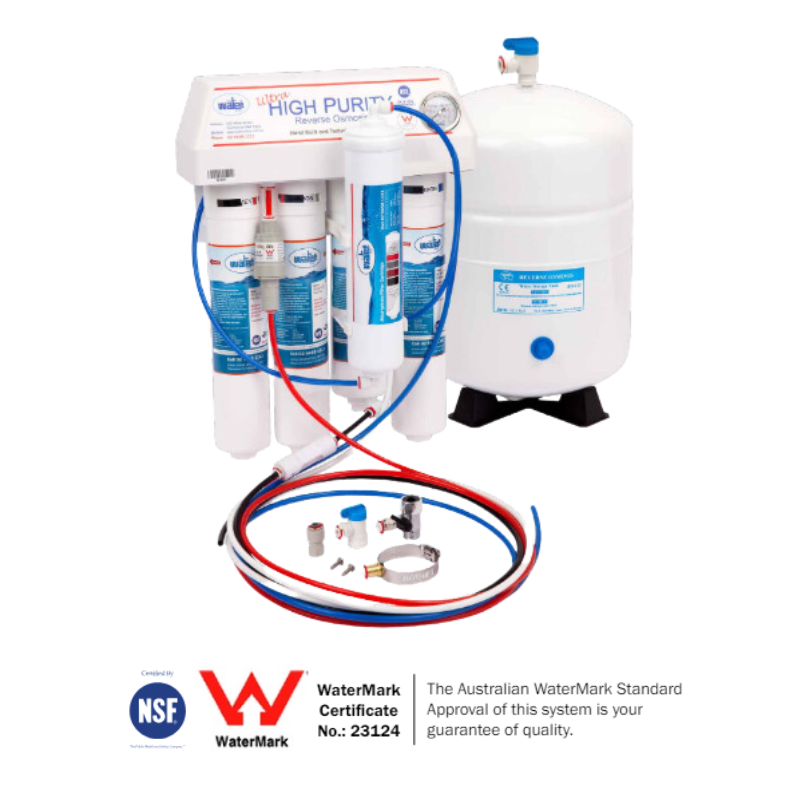
Reverse osmosis systems typically use two or three pre-filter stages before water reaches the RO membrane. These pre-filters — usually a sediment filter and a carbon block filter — protect the membrane from premature fouling. They should generally be replaced every 6 to 12 months, depending on your water quality.
Replacing pre-filters on time extends the life of the much more expensive RO membrane.
Reverse Osmosis Membranes
The RO membrane is the core of a reverse osmosis system and typically lasts considerably longer than pre-filters. Most RO membranes are rated for 2 to 3 years under normal residential use. [NEEDS VERIFICATION: confirm RO membrane lifespan for specific AWF RO models]
Signs that the membrane needs replacing earlier include a noticeable drop in the TDS rejection rate (measurable with a TDS meter) or a significant reduction in purified water output.
Under-Sink Water Filter Cartridges
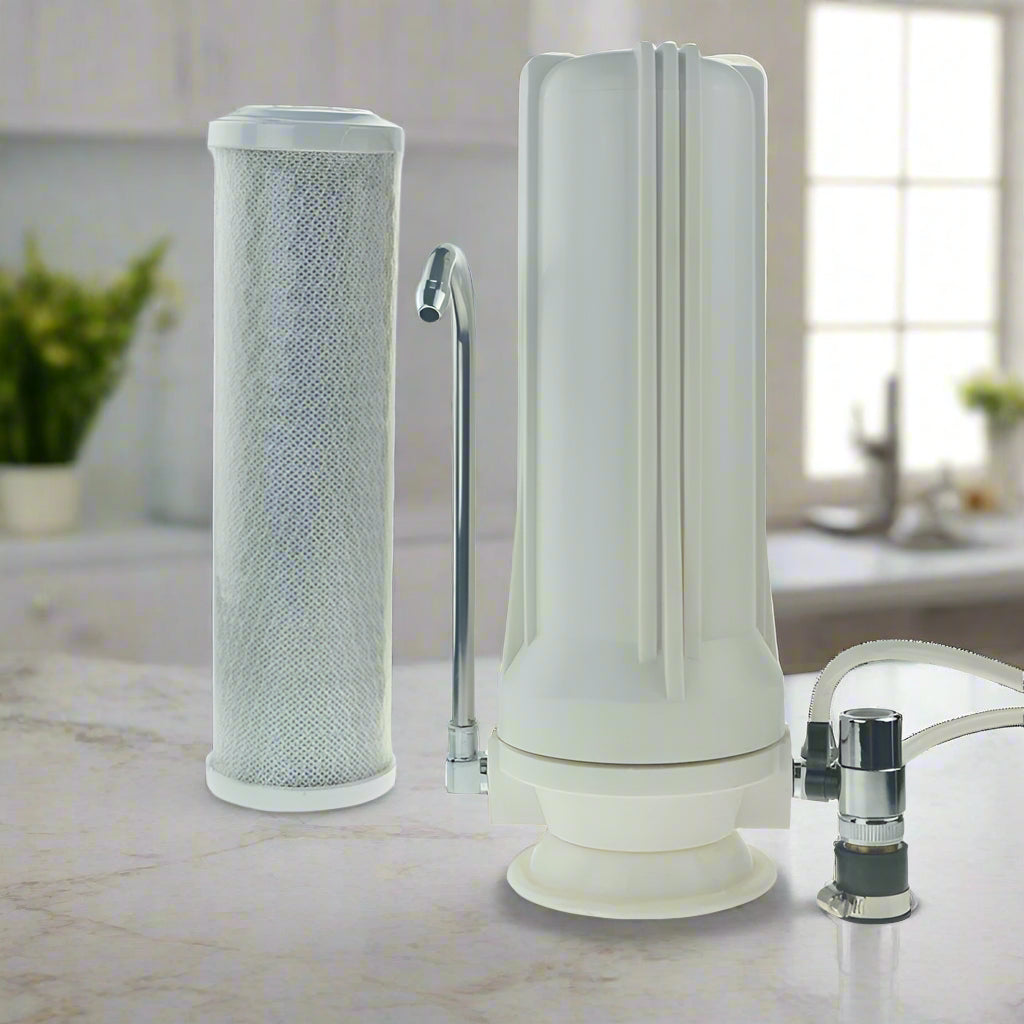
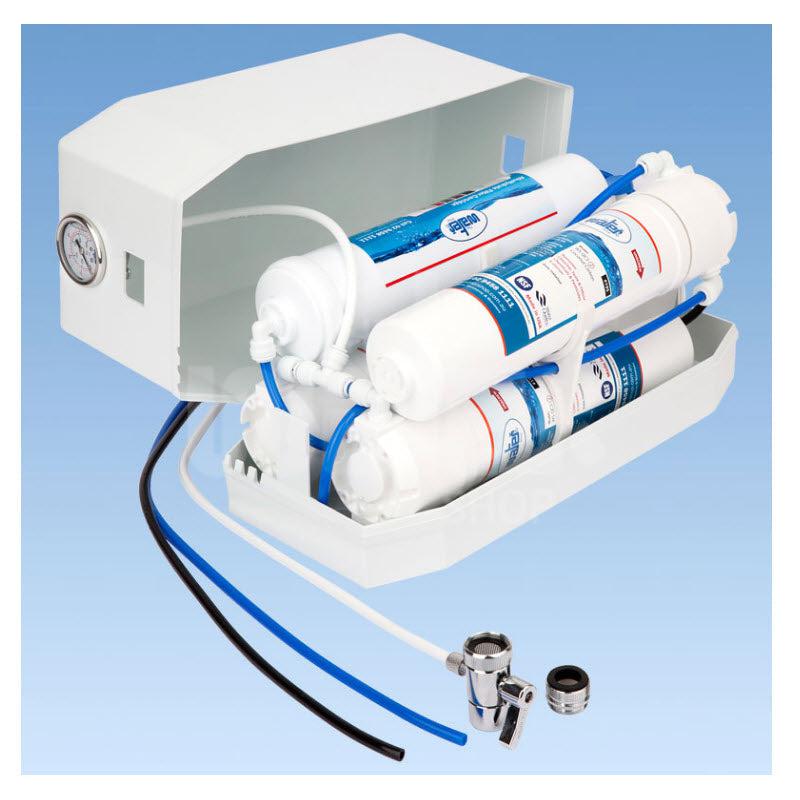
Under-sink water filter cartridges — typically single or multi-stage carbon block filters — are generally rated for 6 to 12 months or 10,000 to 15,000 litres of filtered water. Check your product manual for the specific rating for your filter housing and cartridge combination.
Whole House Sediment Filters
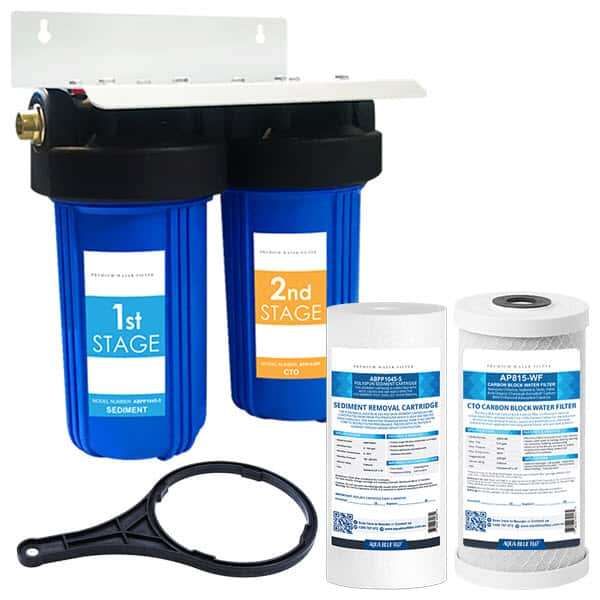
Whole house sediment pre-filters protect downstream equipment including hot water systems, appliances, and point-of-use filters from particulate matter. Because they handle all the water entering a property, they typically require replacement more frequently — approximately every 3 to 6 months — though heavily sediment-laden water supplies (bore water, tank water, or older infrastructure) may require more frequent changes.
Whole House Carbon Filters
Whole house activated carbon filters targeting chlorine, chloramine, and organic compounds typically have a longer service life than sediment filters — approximately 6 to 12 months — due to higher media volume. However, the replacement interval is heavily influenced by chlorine levels in your mains water supply, which varies by suburb and water authority.
7 Signs Your Cartridge Needs Replacing Sooner
Even if you are within the recommended replacement window, watch for these signs that your cartridge may need changing ahead of schedule:
Unusual taste or odour — If your filtered water starts to taste or smell like chlorine, earthy, or metallic, the filter media may be exhausted.
Noticeably reduced flow rate — A significant drop in water flow from your filter tap or dispenser often indicates a blocked or exhausted cartridge.
Discoloured water — Any visible cloudiness, yellowing, or brown tint in filtered water is a clear warning sign.
Filter housing looks discoloured — For transparent filter housings, heavy brown or black sediment buildup inside is a visual indicator.
Higher than normal TDS reading — If you use a TDS meter to monitor your filtered water, a rising TDS reading can indicate declining filter performance. (Note: TDS meters measure total dissolved solids, not specific contaminants. They are a useful general indicator, not a water safety test.)
Recent water quality event — If your local water authority issued a notice about water quality issues, changed disinfection methods, or you experienced flooding or plumbing work, consider replacing the cartridge earlier.
You have been away for an extended period — Stagnant water sitting in a filter system for several weeks can encourage bacterial growth. Flush the system thoroughly upon return and consider replacing the cartridge if it has been idle for more than two to four weeks.
Factors That Affect How Long Your Cartridge Lasts
No two households are the same. The following factors all influence how quickly your cartridge reaches the end of its effective life:
Water quality at source — Higher chlorine, sediment, or organic content loads the filter faster.
Household size and water usage — A single person and a family of six will exhaust the same cartridge at very different rates.
Filter system size — Larger filter housings typically hold more media and last longer between changes.
Water source type — Mains town water, rainwater tank water, bore water, and dam water each present different filtration challenges. Tank, bore, and dam water sources may reduce cartridge life considerably compared to mains water use.
Temperature — Higher ambient temperatures can accelerate bacterial growth and media degradation.
Pre-filtration — Systems with a dedicated sediment pre-filter protect downstream cartridges and extend their effective life.
How to Track Your Replacement Schedule
The simplest way to stay on top of cartridge replacement is to mark the installation date directly on the filter housing or cartridge with a permanent marker when you fit a new one. You can also set a reminder in your phone or calendar for the recommended replacement date.
If you want more precision, a water usage meter or a simple flow meter installed on your filtered water line can help you track litres used — particularly useful for households with highly variable usage. Some filter systems include a built-in filter life indicator.
Filter Type Replacement Summary
Filter Type
Typical Replacement Interval
Notes
8-Stage Gravity-Fed
6–12 months / 3,000–5,000 L
Whichever comes first
Ceramic Dome (cleaning)
Every 1–3 months
Clean, do not replace
Ceramic Dome (replacement)
12–24 months
Replace sooner if cracked
RO Pre-Filters
6–12 months
Protects the RO membrane
RO Membrane
2–3 years
Check TDS rejection rate
Under-Sink Filter
6–12 months / 10,000–15,000 L
Check product specifications
Whole House Sediment
3–6 months
More frequent for bore/tank water
Whole House Carbon
6–12 months
Depends on mains chlorine levels
Frequently Asked Questions
What happens if I don't change my water filter cartridge?
An exhausted cartridge loses its ability to filter effectively. Depending on the filter type, this may mean chlorine taste and odour return, sediment passes through, or in severe cases, previously trapped contaminants may be released back into the water. In systems that use carbon media, bacterial growth within a spent cartridge is also a concern. Replacing on schedule is important for consistent water quality.
Can I go longer than the recommended replacement interval to save money?
While it can be tempting to extend the interval, the costs of doing so — reduced water quality, potential damage to downstream appliances, or the need to replace the entire filter system earlier — typically outweigh the savings on one cartridge. Buying cartridges in multi-packs and setting a calendar reminder is the most cost-effective approach.
How do I know which replacement cartridge fits my system?
Check your filter system's model number, which is usually printed on the housing or in the original manual. Replacement cartridges are matched to the housing size (typically 10-inch or 20-inch standard sizing) and thread type. If you are unsure, contact our team with a photo of your existing housing and we can help identify the correct replacement.
Do I need a plumber to change a water filter cartridge?
For most benchtop, gravity-fed, and under-sink filter cartridges, replacement is a straightforward DIY task — usually just turning off the water supply, unscrewing the filter housing, swapping the cartridge, and flushing the system. However, for plumbed-in systems or whole house filter housings connected to mains water, consult a licensed plumber if you are unsure. Always follow the manufacturer's instructions for your specific system.
How do I flush a new cartridge after installation?
After fitting a new cartridge, run water through the filter for the time or volume specified in your product manual — typically two to five minutes or two to five litres. This flushes out any carbon fines or manufacturing residue from the new media. The first flush water should be discarded. Some cartridges may produce slightly grey-tinted water during the initial flush — this is normal carbon dust and is not harmful, but flush it away before drinking.
Ready to Replace Your Filter Cartridge?
Browse our full range of replacement water filter cartridges for benchtop dispensers, gravity-fed systems, reverse osmosis units, under-sink filters, and whole house systems.