

















The Complete Guide to Water Distillers in Australia
How to Choose a Water Distiller in Australia
Water distillation is one of the oldest purification methods known to humans — and one of the most thorough. If you want water that's as close to pure H₂O as you can get at home, a water distiller is hard to beat. This guide walks through how to pick the right one for your household. If you're ready to buy, browse our water distiller range.
What Is a Water Distiller?
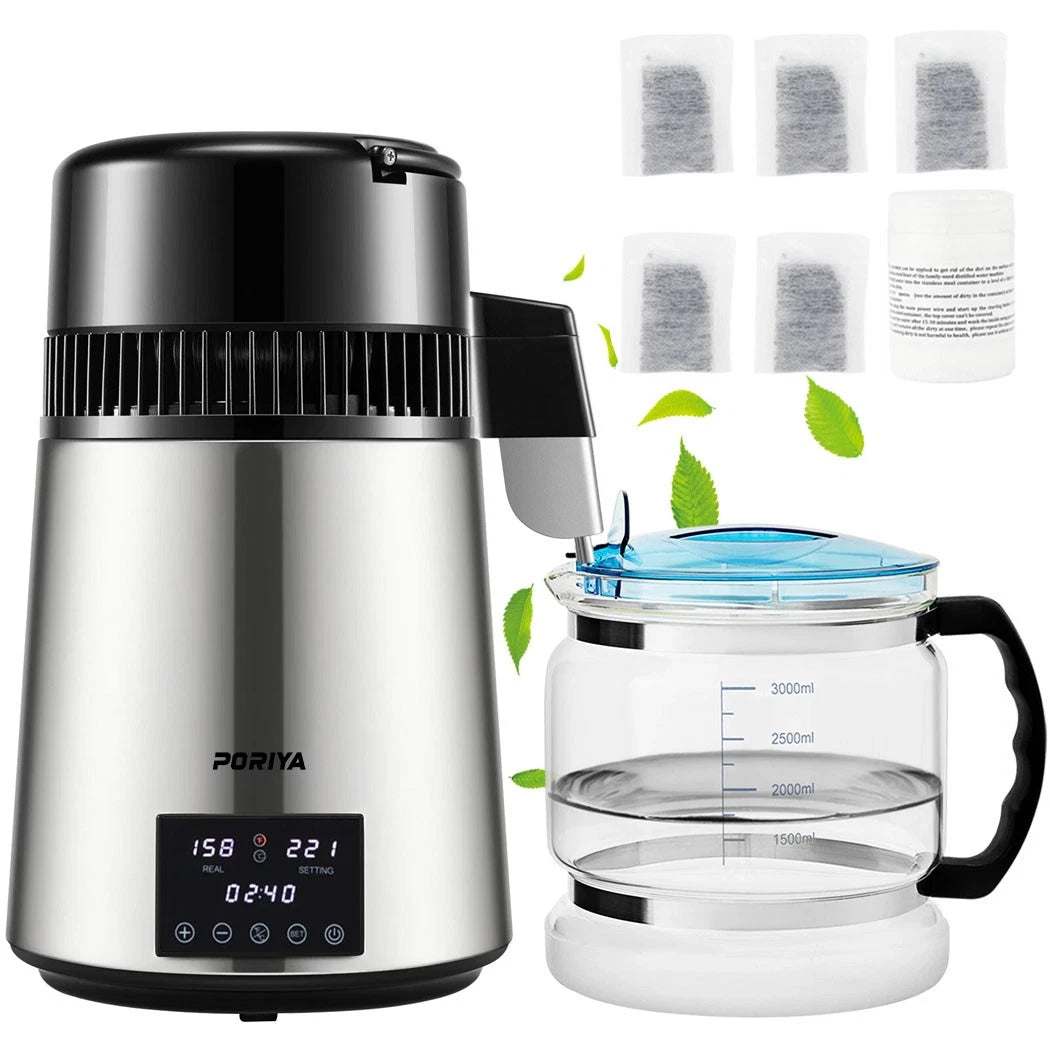
A water distiller works by heating water to boiling point, collecting the steam, and condensing it back into liquid in a separate chamber. Most contaminants don't evaporate with the water — they're left behind in the boiling chamber. Browse our full range of water distillers and steam purifiers.
What Does a Water Distiller Remove?
- Heavy metals — lead, arsenic, mercury, cadmium
- Bacteria, viruses, and cysts
- Nitrates and nitrites
- Fluoride
- Chlorine and chloramines
- Dissolved solids (TDS)
- Pesticides and herbicides
- VOCs — most are captured by the post-carbon filter
How Does a Water Distiller Work?
- Water is poured into the boiling chamber and heated to 100°C
- Steam rises and passes through a cooling coil or condenser
- The steam cools and condenses back into liquid water
- The purified water drips into a collection jug (usually glass)
- Contaminants remain in the boiling chamber as residue
Most countertop distillers produce around 4 litres per cycle, taking approximately 4–5 hours.
Distilled Water vs Filtered Water
Filtered water passes through a physical or chemical medium. Distilled water goes through a phase change, removing virtually everything. For most households, a reverse osmosis system or benchtop filter is sufficient. Distillers suit people wanting the highest possible purity.
Is Distilled Water Safe to Drink?
Yes. Distillation removes minerals along with contaminants. Some people remineralise with mineral drops; others drink it as-is and get minerals from food. Distilled water is also widely used in CPAP machines, steam irons, and medical equipment.
How to Choose a Water Distiller: What to Look For
- Capacity: most countertop units produce 4L per cycle
- Collection jug material: glass is preferable to plastic
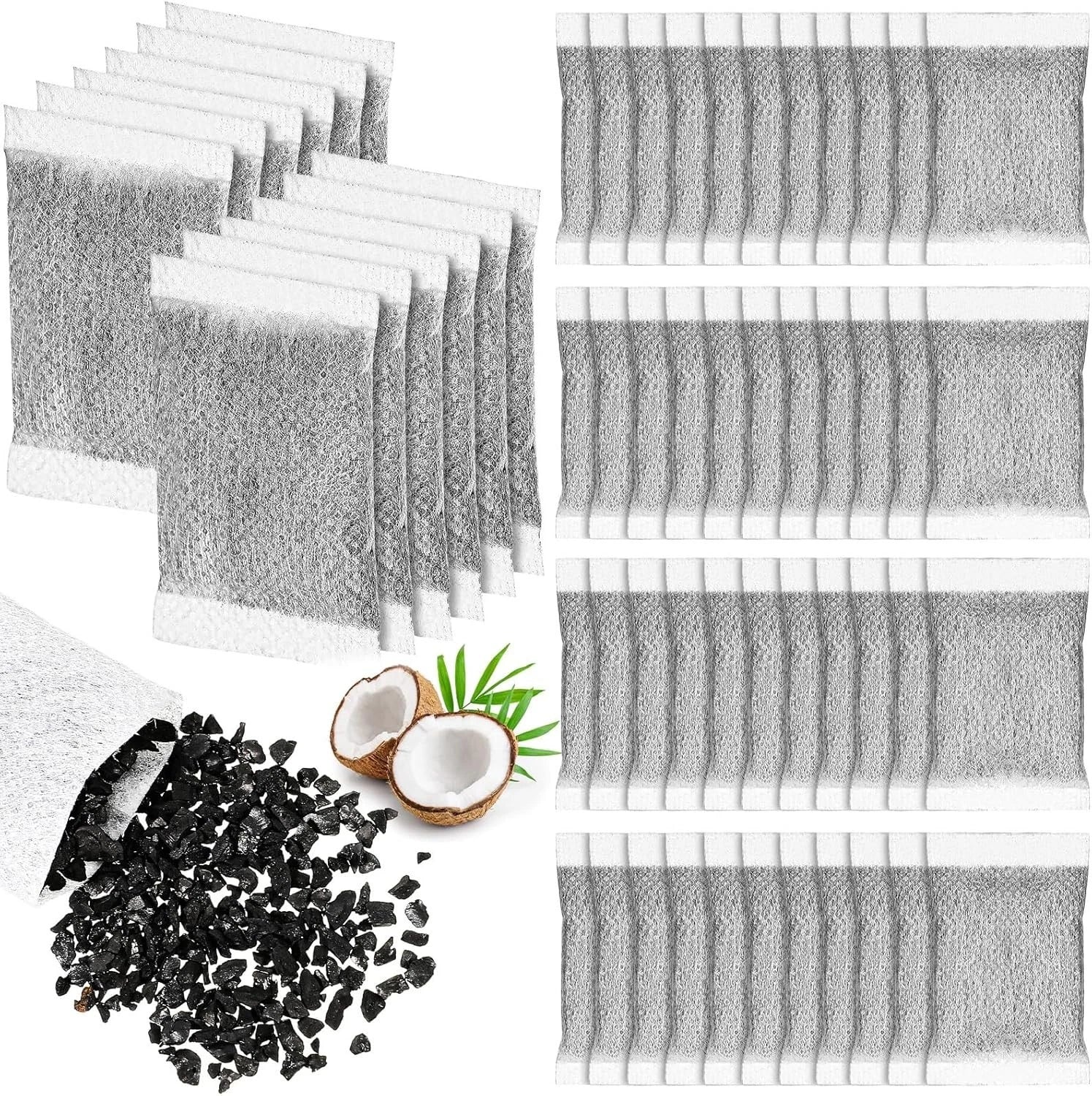
- Post-carbon filter: catches any VOCs that may carry over in the steam
- Auto-shutoff: most modern units shut off automatically when the cycle is complete
Compare these features across our water distiller range to find the right fit.
Maintaining Your Water Distiller
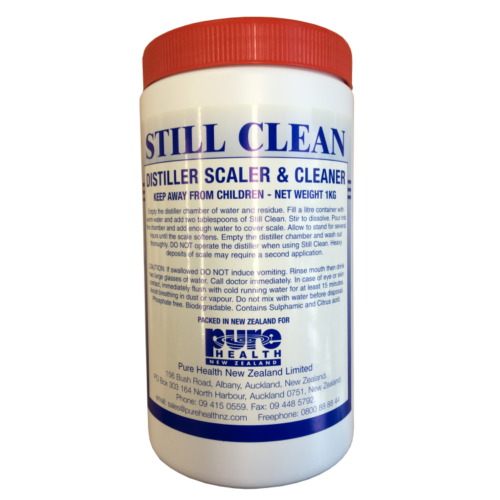
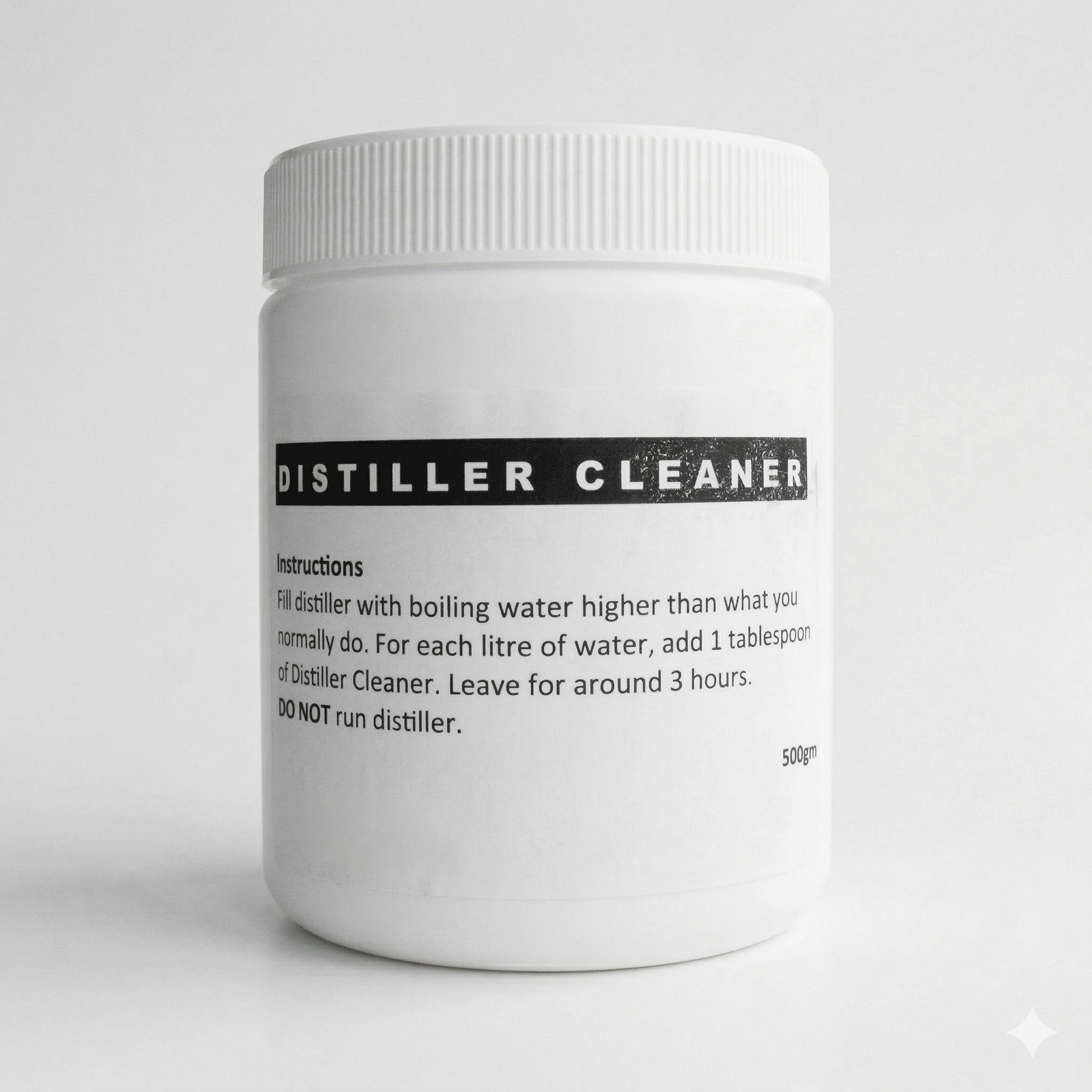
The boiling chamber will accumulate scale over time — clean regularly with citric acid or a food-safe descaling solution. The post-carbon filter needs replacing every 1–3 months depending on usage. See our descaling guide.
Frequently Asked Questions
How long does it take to distil water?
A standard 4-litre cycle takes approximately 4–5 hours. Most people run a cycle overnight so there's always distilled water ready.
Does distilled water taste different?
Yes — distilled water has a very clean, flat taste because it lacks the minerals that give tap water its characteristic flavour. Some people add mineral drops; others prefer it as-is.
Can I use a water distiller for my CPAP machine?
Absolutely — distilled water is the recommended water type for CPAP humidifiers. Using tap water causes mineral buildup in the chamber over time.
How much electricity does a water distiller use?
A typical countertop distiller uses around 580–750 watts and runs for 4–5 hours per cycle — roughly 2.5–3.5 kWh per 4-litre batch. At average Australian electricity rates, approximately 75 cents to $1.05 per batch.
Ready to Choose Your Water Distiller?
Browse our full range of water distillers and steam purifiers, or get in touch and we'll help you pick the right one.