

















The Complete Guide to Under Sink Water Filters in Australia
There's something satisfying about turning on your kitchen tap and knowing the water coming out is genuinely clean. Under sink water filters make that possible without taking up bench space, without bottles to manage, and without any visible clutter. The whole system sits quietly beneath your sink and just gets on with the job.
If you're a homeowner looking for a permanent filtration solution, this is probably the most practical option available. Here's everything you need to know before buying one.
How Do Under Sink Water Filters Actually Work?
The system connects directly to your cold water supply line under the sink. Water passes through one or more filter cartridges before it reaches your tap. Depending on the system, that might be a single cartridge doing one job, or a multi-stage setup where each stage targets something different.
Most systems feed filtered water through your existing cold tap. Some people prefer to install a separate dedicated filtered water tap — which means a small hole in the benchtop or sink — so there's never any confusion about which water is filtered and which isn't. Both approaches work well; it comes down to personal preference.
Browse our full range of under sink water filters.
What Do They Actually Remove?
This varies depending on the cartridge type and how many stages the system has, but a quality under sink filter will typically reduce or remove:
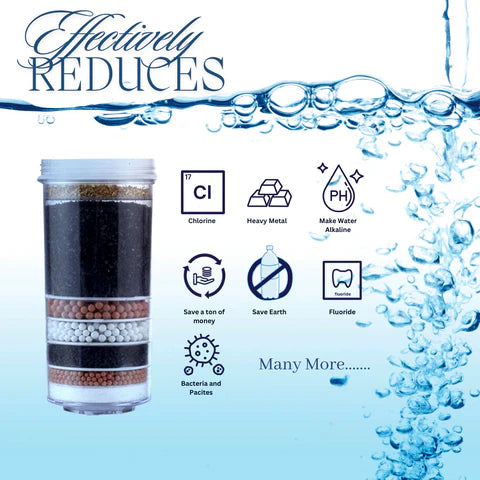
- Chlorine and chloramines — the main disinfectants used in Australian town water
- Sediment, rust, and fine particles
- Heavy metals including lead and copper, which can leach from older pipes
- Volatile organic compounds (VOCs)
- Unpleasant tastes and odours
Some systems — particularly those with a reverse osmosis membrane — also reduce fluoride, nitrates, bacteria, and dissolved solids. If fluoride removal is a priority for you, see our complete reverse osmosis guide for more detail on that.
For reference on Australian drinking water quality standards, the NHMRC Australian Drinking Water Guidelines are the authoritative source.
The Main Types of Under Sink Systems
Single Stage Filters
One housing, one cartridge. Usually a carbon block or sediment filter. Simple, affordable, and effective for basic chlorine and taste improvement. A good starting point if you're new to under sink filtration and want to keep things straightforward.
Twin Head Systems
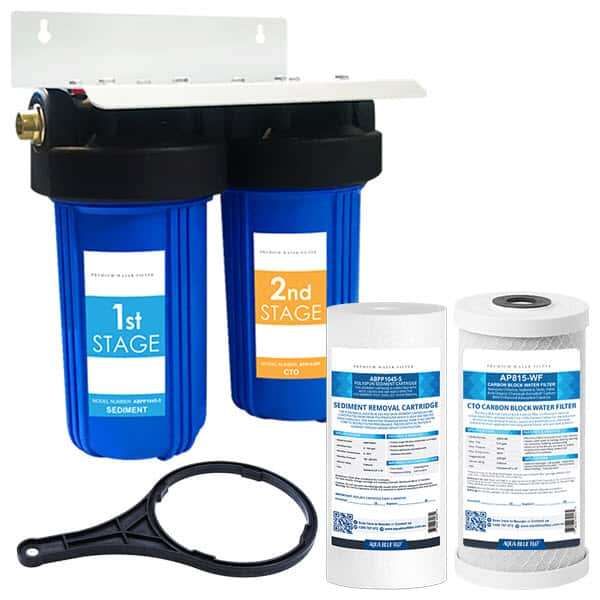
Two housings in sequence, each doing a different job. A typical setup runs sediment first to catch particles, then a carbon block to handle chlorine and chemicals. More thorough than a single stage, still compact enough to fit in most kitchen cabinets. Our PNP twin head undersink systems are popular for exactly this reason — they're effective without being complicated.
Under Sink Reverse Osmosis
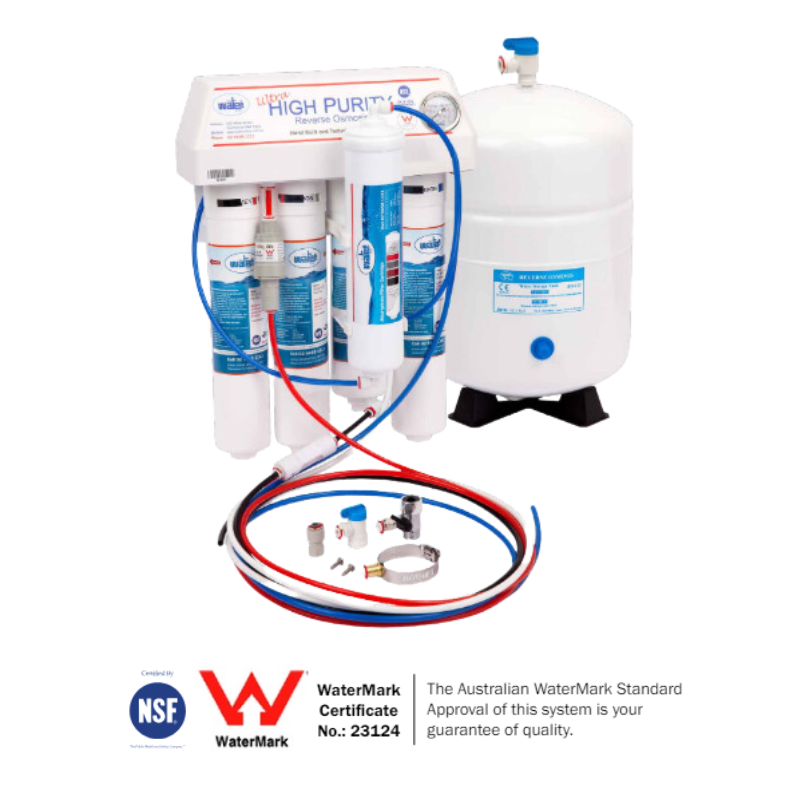
The most thorough option. An RO membrane filters at an extremely fine level, removing dissolved contaminants that standard carbon filters can't touch — including fluoride, heavy metals, nitrates, and bacteria. These systems typically include a small storage tank so filtered water is ready on demand. If you want the highest level of filtration available for a home kitchen, this is it. Full details in our reverse osmosis guide.
Cartridge Types — What You're Actually Buying
The cartridge is where the filtration happens, so it's worth understanding what you're getting:
- Sediment cartridges — physically block particles like dirt, rust, and sand. Usually the first stage in a multi-stage system. Available in different micron ratings depending on how fine you need the filtration.
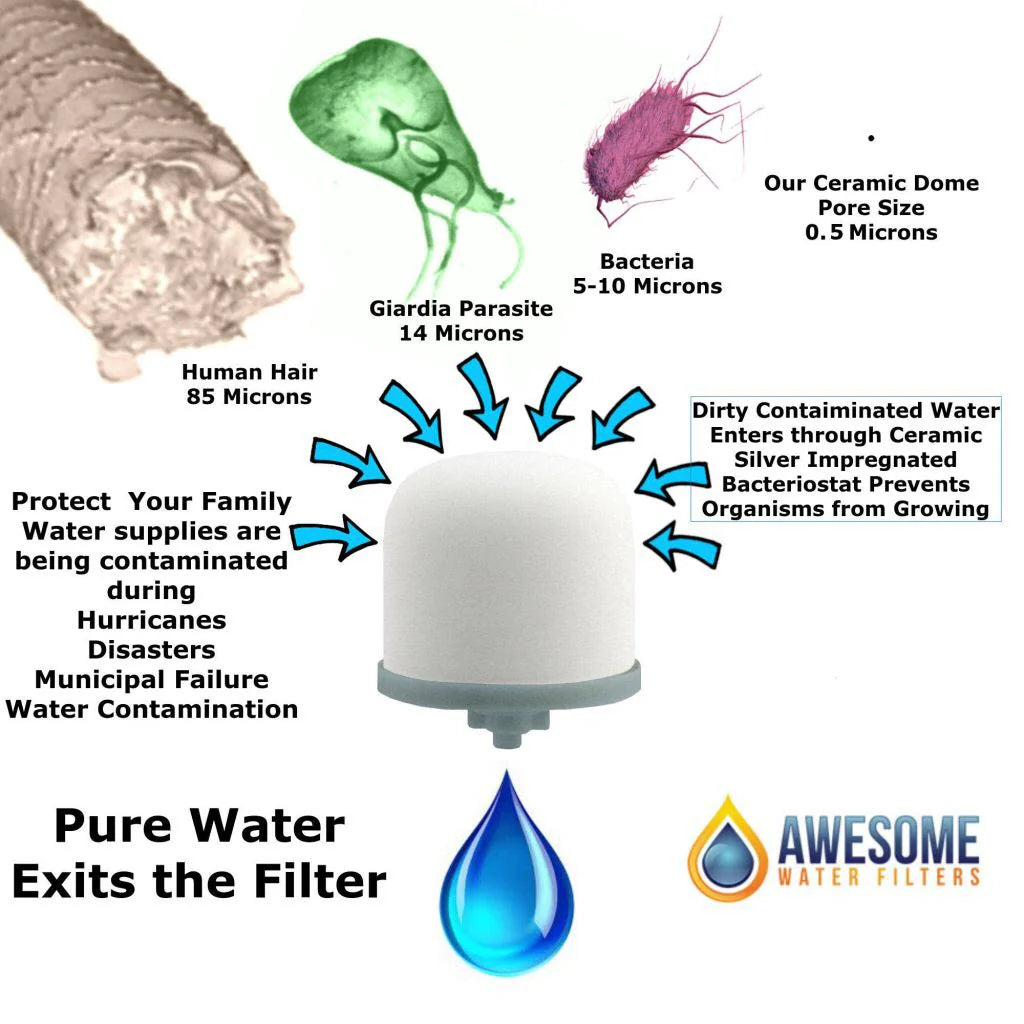
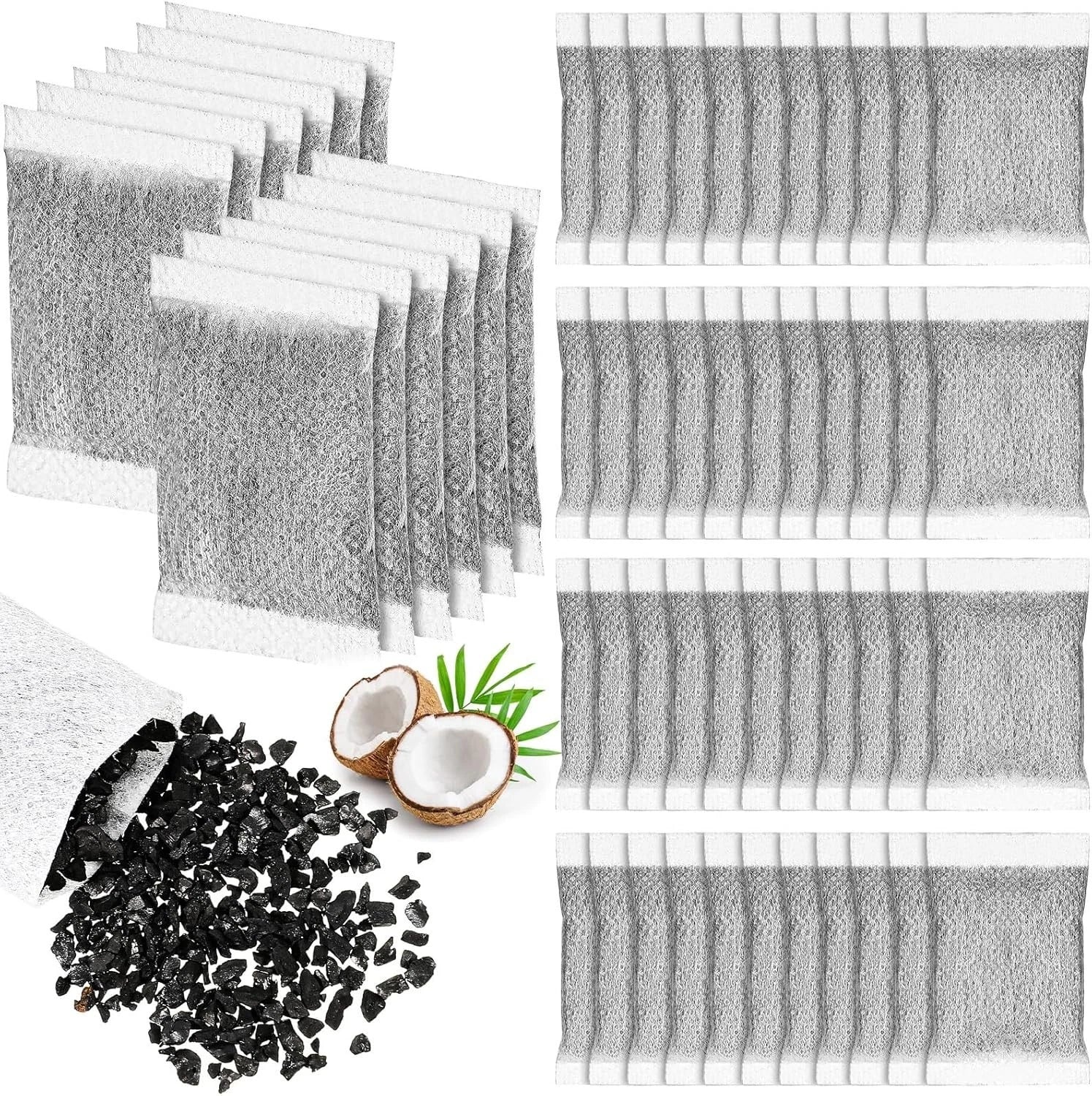
- Carbon block cartridges — adsorb chlorine, chemicals, and organic compounds. Available in 0.5, 1, and 5 micron ratings. The finer the rating, the more thorough the filtration — but the slower the flow rate.
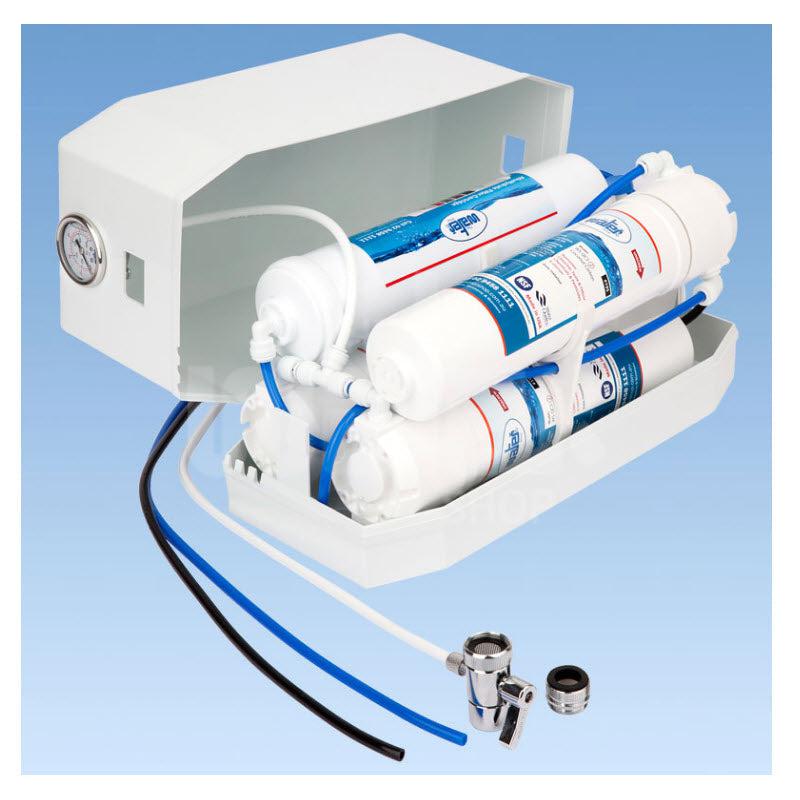
- Inline cartridges — compact units that connect directly in the water line without a separate housing. Easy to replace, minimal footprint.
- Swing-twist cartridges — a quick-change design that makes replacement faster and cleaner than traditional screw-off housings. No tools, no spills, done in a couple of minutes.
We stock a full range of under sink filter cartridges — including inline and swing-twist options compatible with all the systems we sell.
How Often Do Cartridges Need Replacing?
As a general guide for most Australian households:
- Sediment cartridges: every 3–6 months
- Carbon block cartridges: every 6–12 months
- RO membranes: every 2–3 years under normal conditions
Your local water quality and how much water your household uses will affect these timelines. If you notice a drop in flow rate or the water starts tasting different, replace the cartridge regardless of where you are in the schedule. See our Replacement Filter Cartridges Guide for system-specific intervals.
Do You Need a Plumber?
For the initial installation, yes — at least for most systems. Connecting to your cold water supply line and (if you're adding one) installing a dedicated tap involves basic plumbing work. Most plumbers will have it done in an hour or two. After that, cartridge changes are a DIY job that takes a few minutes.
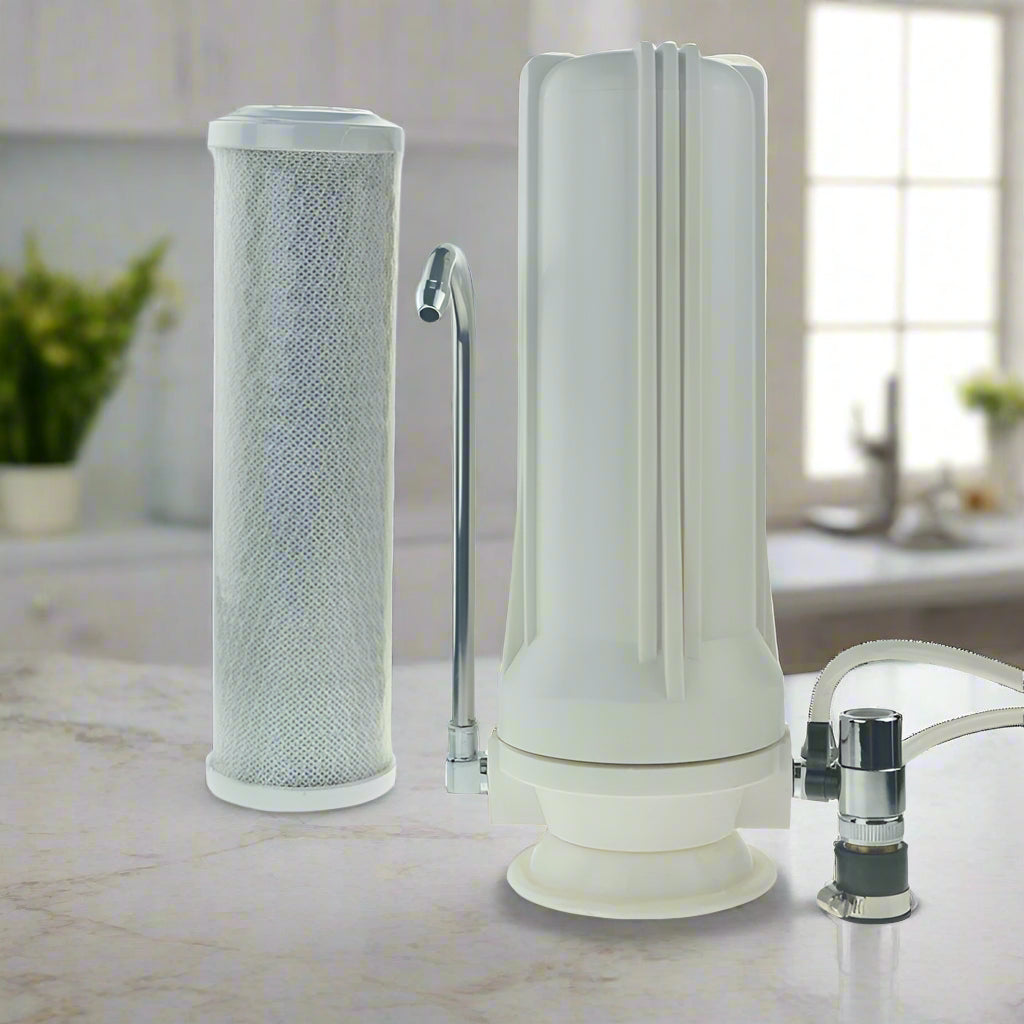
If you'd rather avoid any plumbing at all, a benchtop water filter connects directly to your existing tap with no installation required.
Under Sink vs Benchtop — Which Makes More Sense for You?
Honestly, it depends on your situation more than anything else. Under sink filters are the better choice if you own your home, want a permanent solution, and don't want anything sitting on your bench. Benchtop filters make more sense if you rent, move frequently, or want something you can set up yourself without any tools.
Both will give you genuinely good filtered water. The difference is really about convenience and commitment, not filtration quality.
Frequently Asked Questions
Will an under sink filter fit in my cabinet?
Most single and twin stage systems are compact enough to fit comfortably in a standard kitchen cabinet alongside your existing plumbing. Triple stage systems take up more room — worth measuring your available space before purchasing if things are tight under there.
Can I install it myself?
If you're comfortable turning off the water supply and working with compression fittings, some systems are manageable as a DIY install. If you're not confident with plumbing, a licensed plumber will have it done quickly and correctly.
Will it affect my water pressure?
A correctly sized system with a fresh cartridge should have minimal impact on pressure. A noticeable pressure drop is usually a sign the cartridge needs replacing — it's one of the most reliable indicators that it's time for a change.
What's the difference between inline and swing-twist cartridges?
Inline cartridges connect directly in the water line without a separate housing — compact and simple. Swing-twist cartridges use a quick-change mechanism that makes replacement faster and cleaner than unscrewing a traditional housing. Both filter equally well; swing-twist is just more convenient for regular maintenance.
Ready to Find the Right System?
Browse our full range of under sink water filters and replacement cartridges. If you're not sure which system suits your home, our FAQ page covers a lot of common questions — or just get in touch and we'll help you work it out.