

















The Complete Guide to Whole House Water Filters in Australia
Most water filters sit under your sink or on your benchtop and clean the water at one tap. A whole house water filter does something different — it treats every drop of water that enters your home, from the kitchen to the bathroom to the laundry. If you've ever wondered why your skin feels dry after a shower, or noticed a chlorine smell when you run the bath, a whole house system might be exactly what you need.
What Is a Whole House Water Filter?
A whole house water filter (also called a point-of-entry filter) is installed on your main water line, usually where it enters the house. Every tap, shower, toilet, and appliance in your home then receives filtered water. It's the most comprehensive approach to water filtration available for residential properties.
Browse our full range of whole house water filtration systems to see what's available.
What Does a Whole House Filter Remove?
This depends on the type of system and the cartridges you use, but a quality whole house filter will typically address:
- Sediment, dirt, rust, and sand
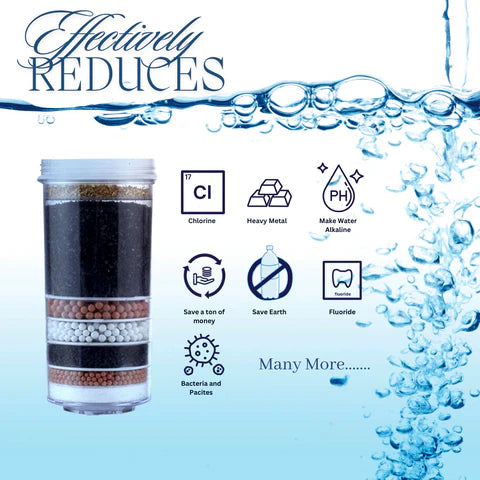
- Chlorine and chloramines (the main disinfectants used in Australian town water)
- Heavy metals including lead and copper
- Volatile organic compounds (VOCs)
- Unpleasant tastes and odours
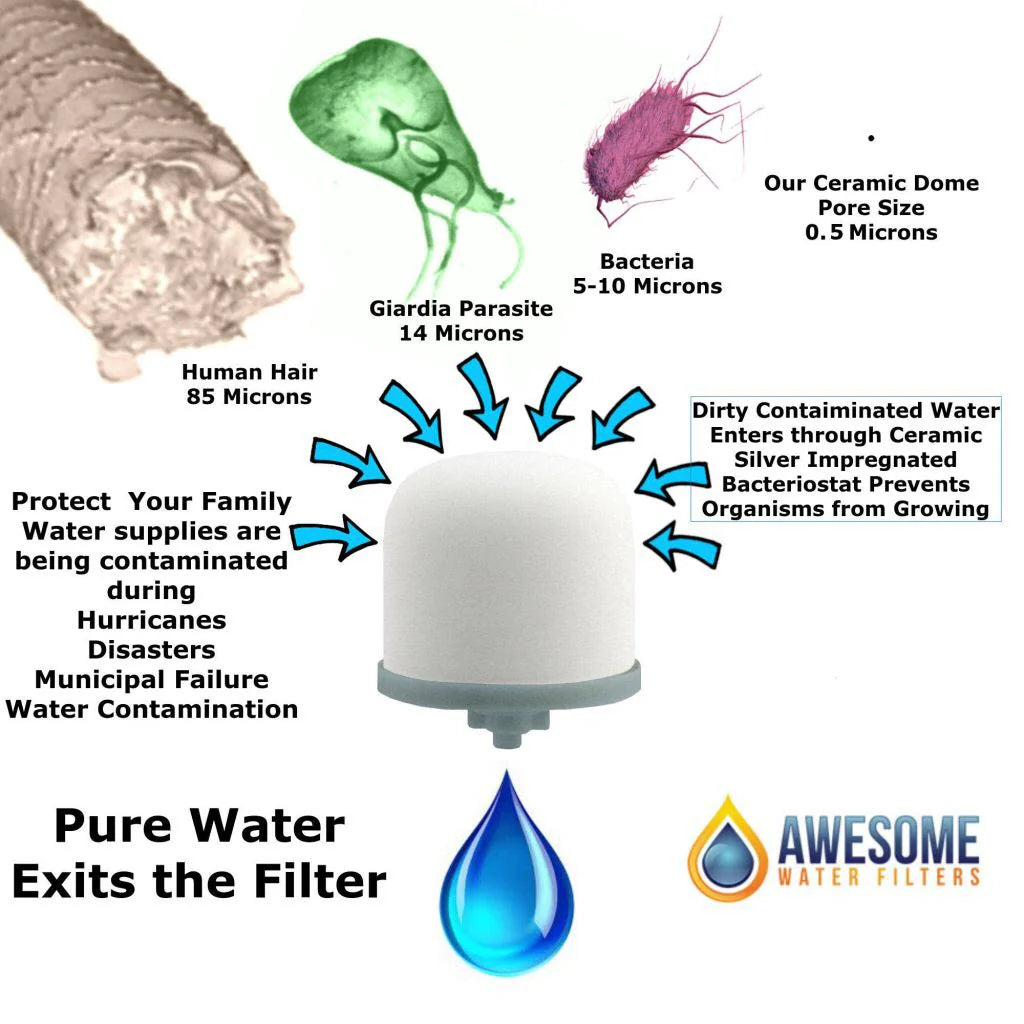
- Some systems also target bacteria and cysts
Types of Whole House Water Filter Systems
Single Stage Systems
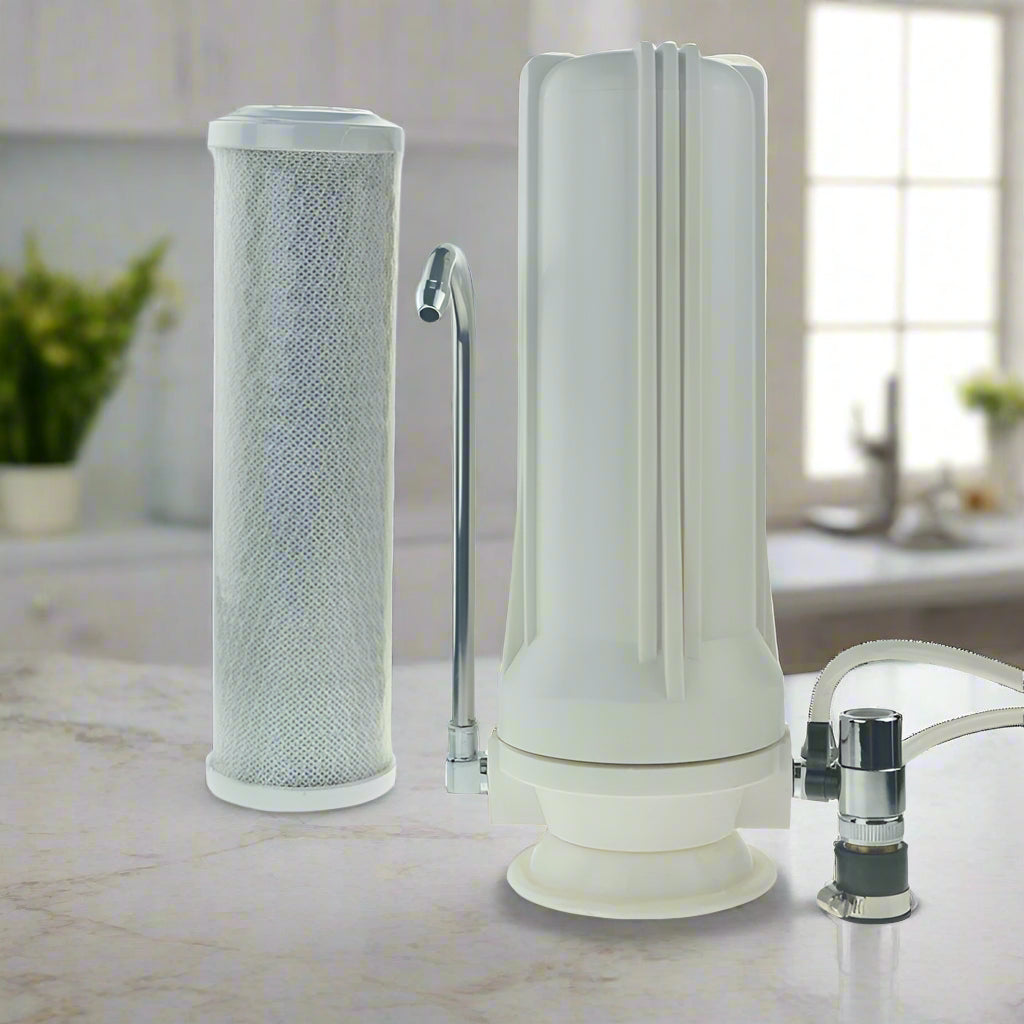
A single housing with one cartridge — typically a sediment or carbon filter. Good for basic filtration or as a pre-filter before a more specialised system.
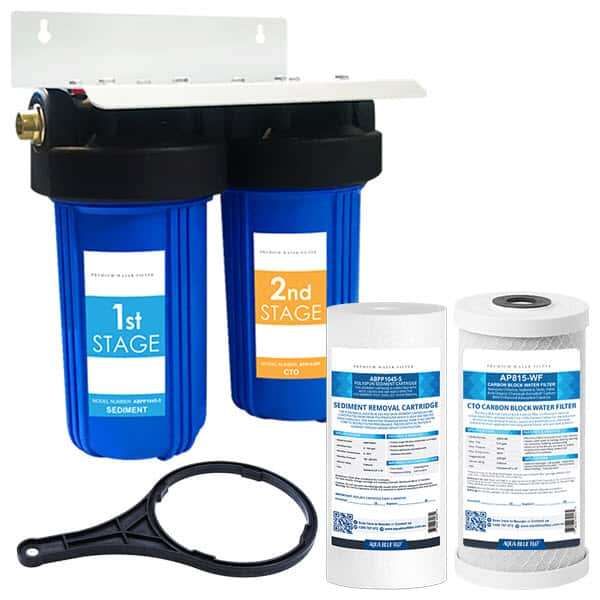
Twin and Triple Stage Systems
Multiple housings in sequence, each with a different cartridge targeting different contaminants. A common setup is sediment first, then carbon block, then a specialty filter.
Big Blue Systems
These use larger 4.5" diameter housings which means higher flow rates and longer cartridge life. Ideal for larger homes or properties with higher water usage. Our whole house filtration range includes Big Blue options.
Whole House Filter Cartridges
- Sediment cartridges — catch physical particles. Usually the first stage in any multi-stage system.
- Carbon block cartridges — remove chlorine, chemicals, and improve taste and odour.
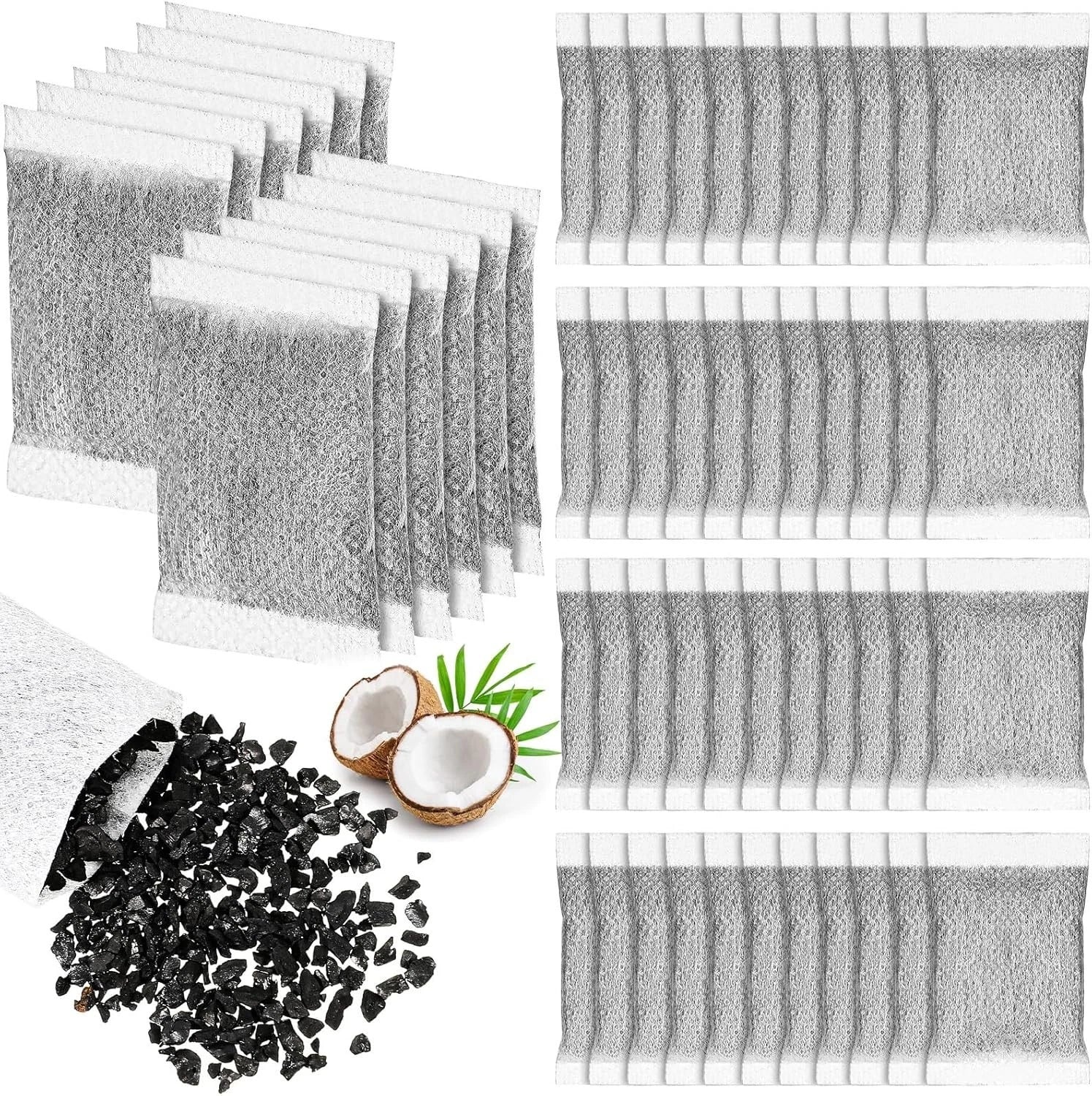
- Coconut carbon cartridges — a premium carbon option made from coconut shell.
- Anti-scale cartridges — help prevent limescale buildup in pipes and appliances.
We stock a comprehensive range of whole house replacement cartridges compatible with all major housing sizes.
How Often Do Cartridges Need Replacing?
- Sediment cartridges: every 3–6 months
- Carbon cartridges: every 6–12 months
- Big Blue cartridges: often 6–12 months for sediment, up to 12 months for carbon
Installation
Whole house systems are installed on the main water line. Most homeowners get a plumber to do the initial installation — usually a straightforward job that takes an hour or two. After that, cartridge changes are simple enough to do yourself.
Whole House Filter vs Benchtop or Under-Sink Filter
They solve different problems. A benchtop or under-sink filter gives you high-quality drinking water at one point. A whole house system protects your entire home. Many households run both.
Frequently Asked Questions
Do I need a plumber to install a whole house water filter?
For the initial installation, yes — it involves cutting into your main water line. Cartridge replacements after that are a DIY job most people can handle in under 10 minutes.
Will a whole house filter reduce my water pressure?
A well-sized system with a clean cartridge should have minimal impact on pressure. If you notice a significant pressure drop, it usually means the cartridge needs replacing or the system is undersized for your flow rate.
Can a whole house filter handle tank water?
Yes, and it's one of the best applications for them. Tank water often carries sediment, organic matter, and bacteria — a multi-stage whole house system with a sediment pre-filter and UV steriliser works very well.
Are whole house filters worth it?
If you're on town water and bothered by chlorine smell, dry skin after showering, or scale buildup on your appliances — yes, absolutely. The ongoing cost is mainly replacement cartridges, which is modest compared to the benefits across your whole home.
Ready to Find the Right System?
Browse our whole house water filtration systems and replacement cartridges, or get in touch — we're happy to point you in the right direction.