

















The Complete Guide to Reverse Osmosis Water Filters in Australia
If you've been looking into water filtration, you've probably come across reverse osmosis — and wondered whether it's actually worth it. Short answer? For most Australian homes, yes. But there's a bit more to it than that, so let's break it down properly.
What Is Reverse Osmosis?
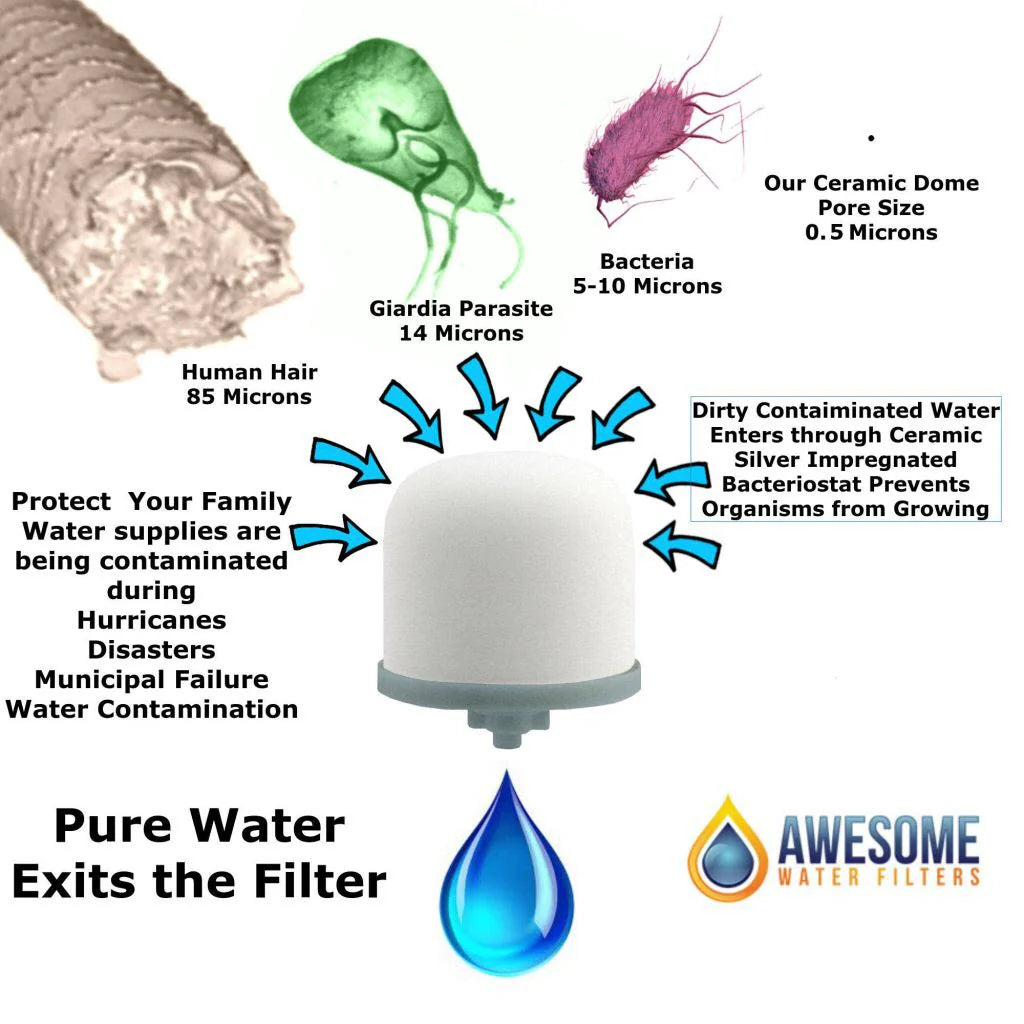
Reverse osmosis (RO) is a water purification process that pushes water through an incredibly fine semi-permeable membrane — one with pores so small they block contaminants at the molecular level. We're talking about removing particles as small as 0.0001 microns. To put that in perspective, a human hair is about 70 microns wide.
The result is water that's been stripped of the vast majority of dissolved solids, heavy metals, chemicals, and other nasties that can make their way through standard filtration.
What Does Reverse Osmosis Remove?
This is where RO really earns its reputation. A quality reverse osmosis system will remove or significantly reduce:
- Fluoride (up to 96%)
- Chlorine and chloramines
- Lead, arsenic, and heavy metals
- Nitrates and nitrites
- Bacteria and viruses
- Dissolved solids (TDS)
- Pesticides and herbicides
- Sediment and rust
It's worth noting that RO also removes beneficial minerals like calcium and magnesium. Some people add a remineralisation stage to put those back in — something to consider if you're drinking RO water exclusively.
How Does a Reverse Osmosis System Work?
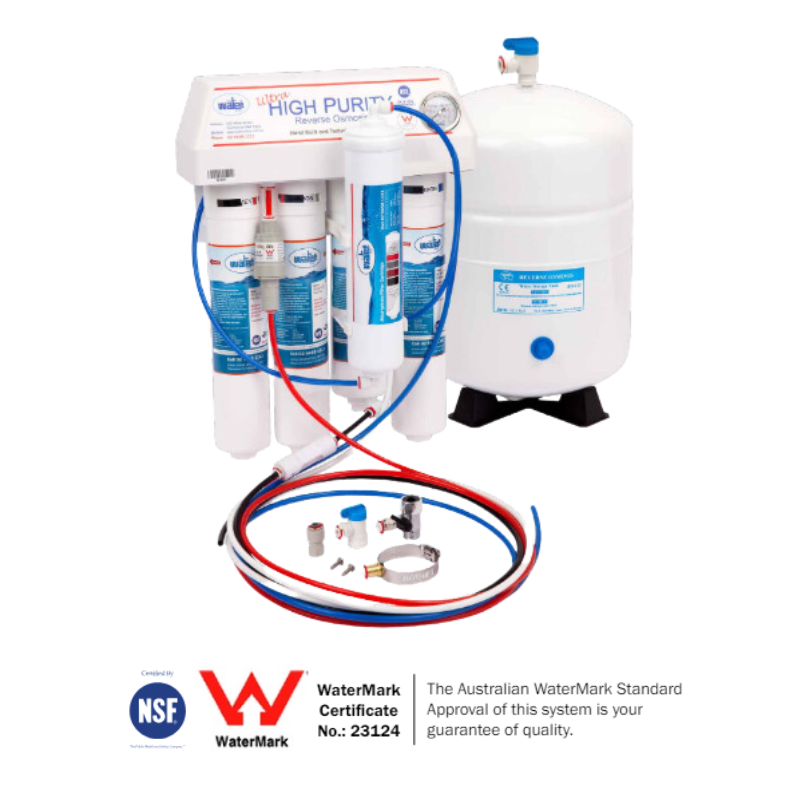
Most RO systems work in multiple stages, with each stage targeting different contaminants. Here's a typical flow:
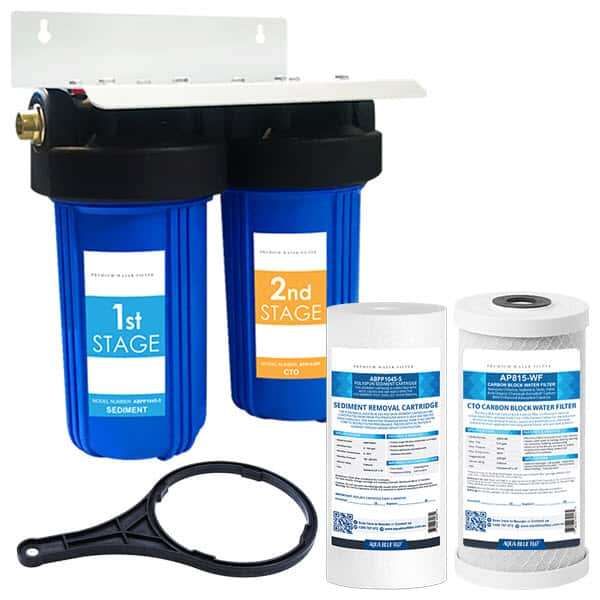
- Sediment pre-filter — catches larger particles like dirt, rust, and sand before they reach the membrane
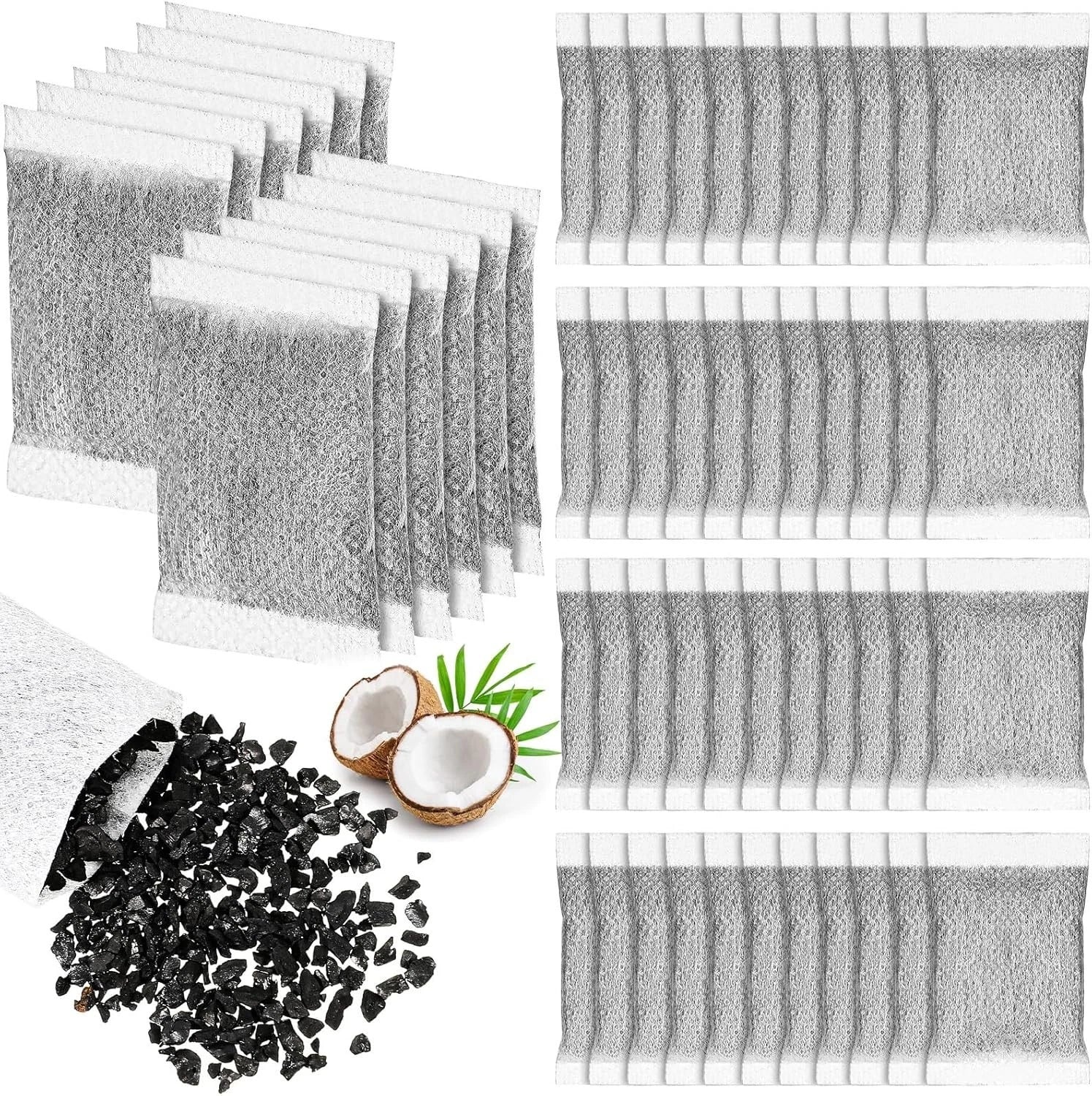
- Carbon block filter — removes chlorine, which can damage the RO membrane if left untreated
- RO membrane — the heart of the system, where the real filtration happens
- Post-carbon filter — polishes the water for taste before it reaches your tap
- Remineralisation stage (optional) — adds beneficial minerals back in for a more balanced, natural taste
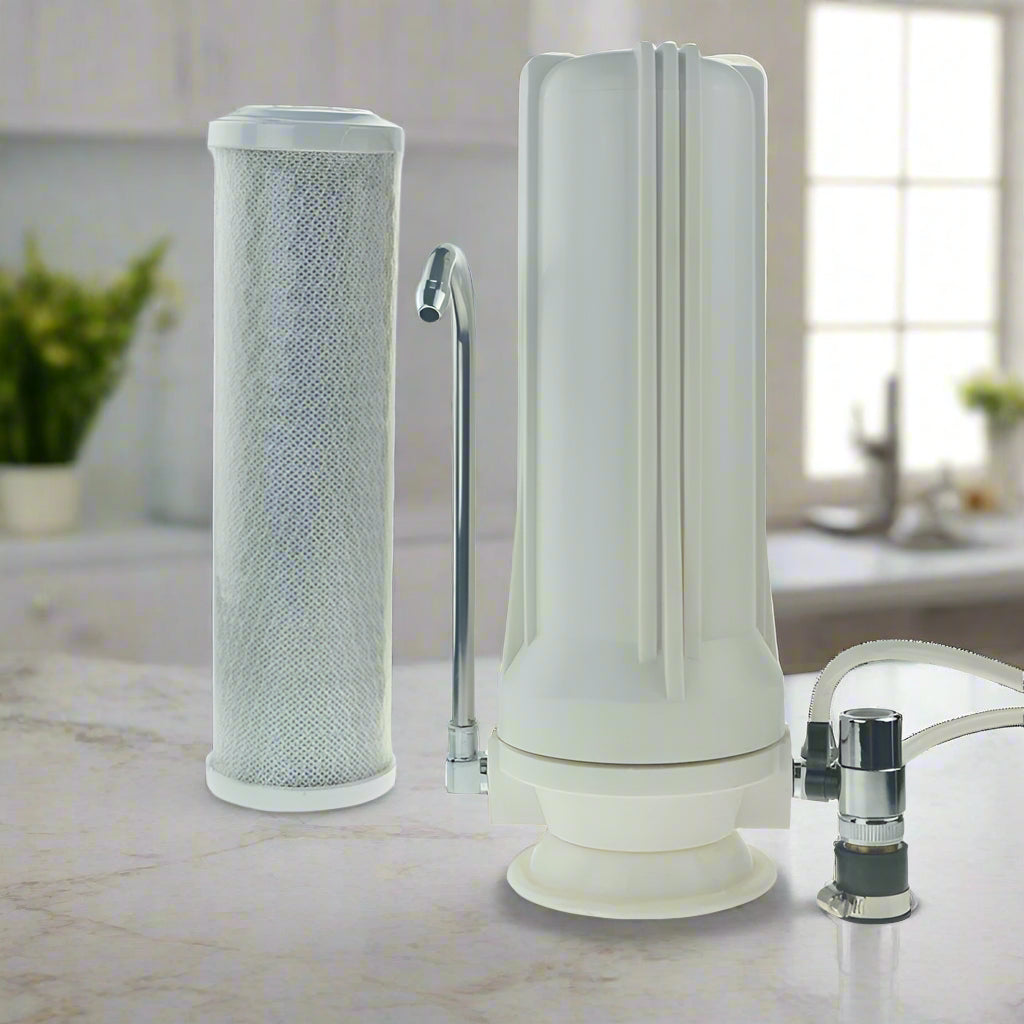
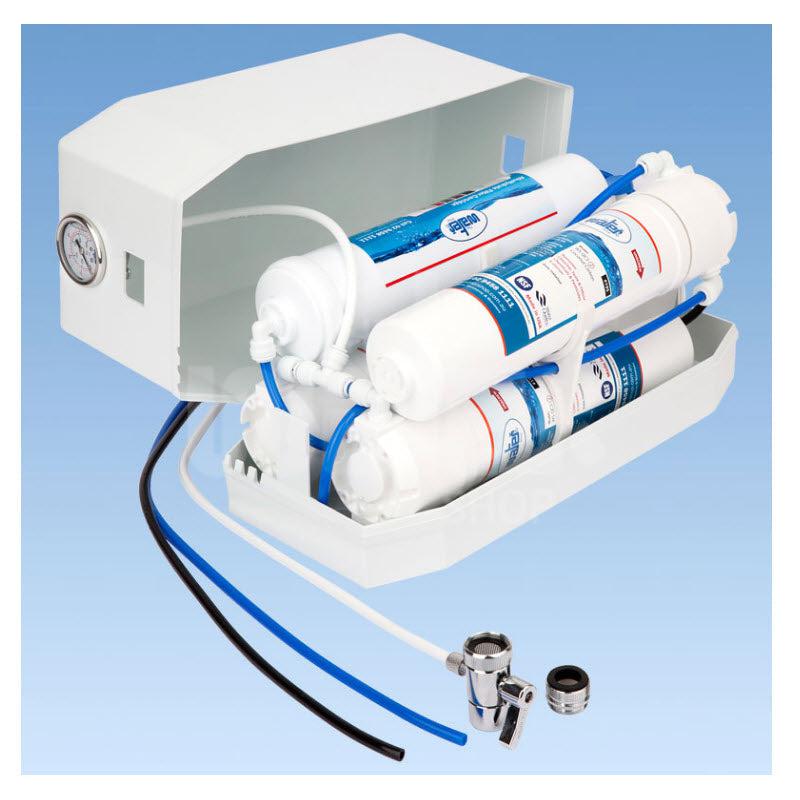
Our countertop reverse osmosis systems are designed to sit neatly on your benchtop without any plumbing — genuinely one of the easiest ways to get RO-quality water in an Australian home.
Countertop vs Under-Sink Reverse Osmosis — Which Is Right for You?
This comes down to your setup and how much you want to commit to installation.
Countertop RO systems connect directly to your existing tap, require no plumbing, and can be moved if you rent or shift house. They're ideal for most households and are what we specialise in. If you want clean water without calling a plumber, this is your answer.
Under-sink RO systems are permanently plumbed in beneath your kitchen sink and typically feed a dedicated filtered water tap. They're a great option if you want a seamless look and don't mind the installation. Check out our under-sink water filter range if that's more your style.
Do You Need to Replace RO Filters?
Yes — and this is something people sometimes overlook when budgeting for an RO system. The filters and membrane need to be replaced periodically to keep the system performing properly.
As a general guide:
- Pre and post filters: every 6–12 months depending on your water quality and usage
- RO membrane: every 2–3 years under normal conditions
We stock a full range of RO replacement cartridges — including genuine replacements for all the systems we sell, so you're never left hunting for compatible parts.
Is Reverse Osmosis Water Safe to Drink?
Absolutely. RO water is used in hospitals, laboratories, and food production facilities around the world. The concern some people raise about mineral removal is valid, but easily addressed — either through a remineralisation filter stage, or simply by eating a balanced diet (which is where most of us get our minerals anyway).
If you're on tank water, bore water, or in an area with known water quality issues, RO is one of the most effective solutions available.
How Much Does a Reverse Osmosis System Cost in Australia?
Entry-level countertop RO systems start from a few hundred dollars. The ongoing cost is mainly replacement filters — typically $50–$150 per year depending on the system and your water usage. Compared to buying bottled water, most households recoup the cost within the first year.
Frequently Asked Questions
Does reverse osmosis remove fluoride?
Yes. A quality RO membrane removes up to 96% of fluoride from tap water — making it one of the most effective methods available for fluoride reduction in Australian homes.
How long does an RO system last?
The system itself can last 10–15 years with proper maintenance. The filters and membrane need replacing periodically, but the housing and components are built to last.
Does RO waste a lot of water?
Traditional RO systems do produce some wastewater as part of the filtration process. Modern systems have improved significantly on this — many newer countertop units are far more efficient than older under-sink designs.
Can I use RO water in my coffee machine or kettle?
Yes, and many coffee enthusiasts prefer it. The low mineral content means you get a cleaner flavour profile, and you'll notice significantly less limescale buildup in your appliances.
Ready to Find the Right System?
Browse our full range of reverse osmosis water filters, or if you're not sure which system suits your home, check out our filter cartridge guide or FAQ page — or just get in touch and we'll point you in the right direction.