

















How To Clean Ceramic Dome Filter?
How to Clean a Ceramic Dome Water Filter
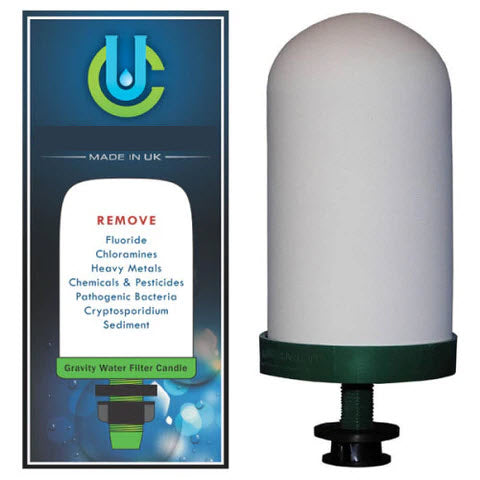
A ceramic dome water filter is designed to trap fine sediment, rust, grit and suspended particles before the water reaches the next filter stage. Over time, the surface of the dome can become coated with trapped particles, which may slow down the water flow.
The good news is that many ceramic dome filters can be gently cleaned to refresh the surface and improve flow. The key is to clean them carefully. Harsh chemicals, detergents, boiling water or rough scrubbing can damage the ceramic surface or the plastic base.
Quick answer: To clean a ceramic dome filter, remove it from the upper tank, rinse it under cool running water and gently wipe the ceramic surface with a soft sponge or non-abrasive pad. Do not use detergent, bleach, steel wool or harsh scourers.
If cleaning no longer restores the flow, it may be time to replace it with a compatible ceramic dome water filter.

What Does a Ceramic Dome Filter Do?
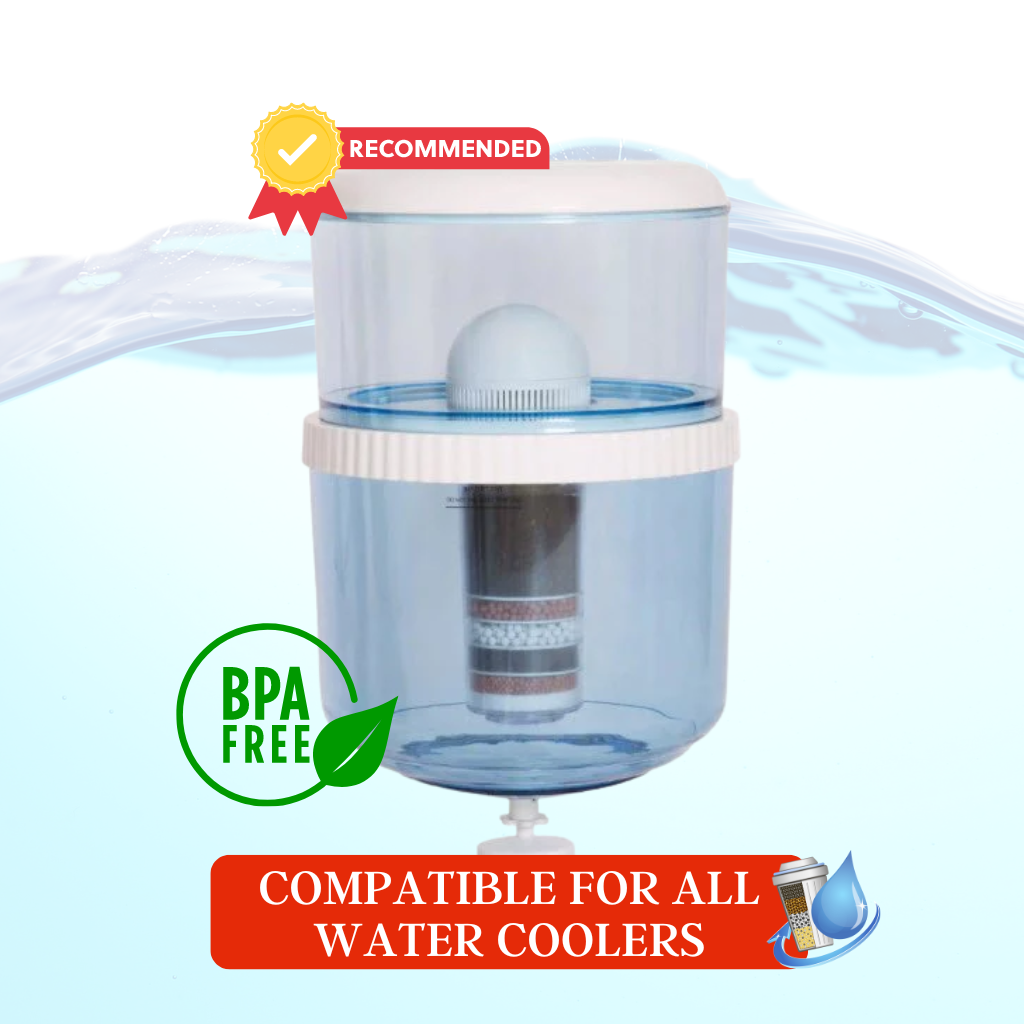
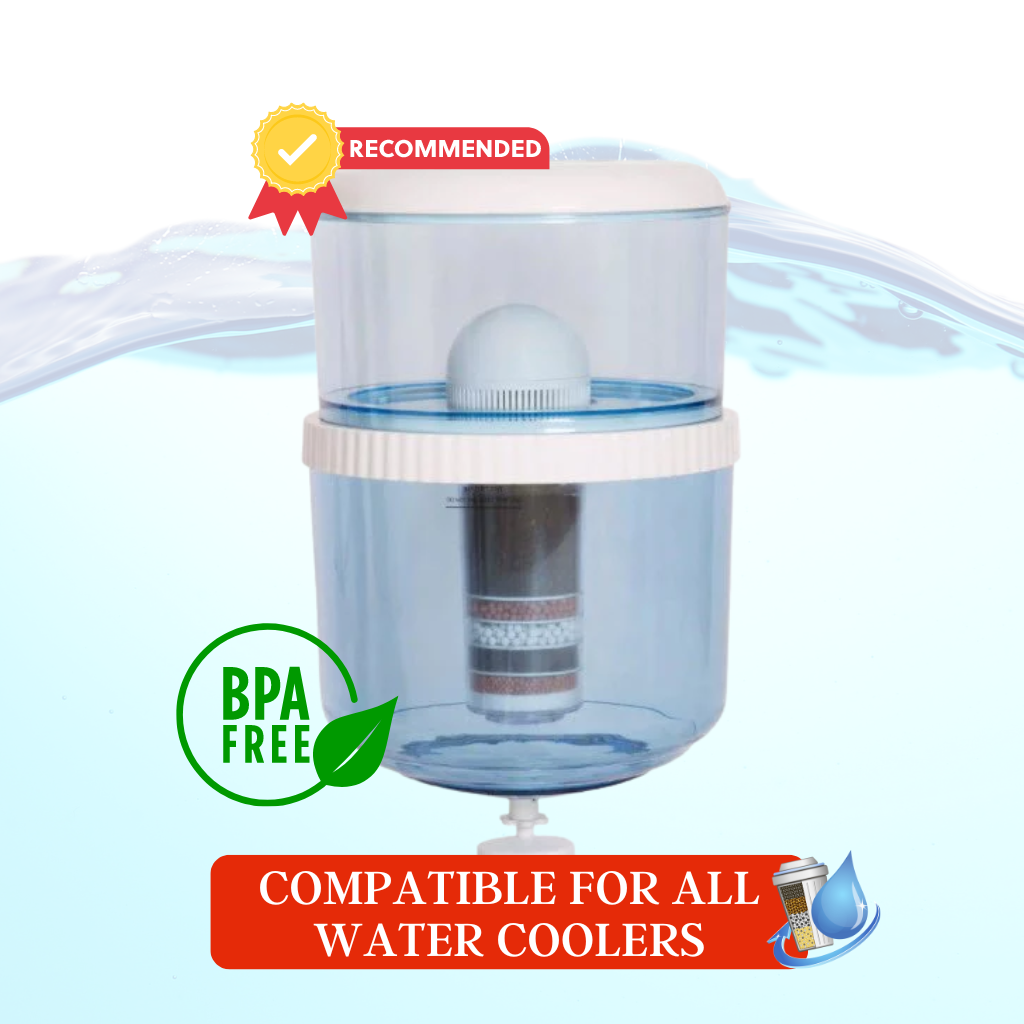
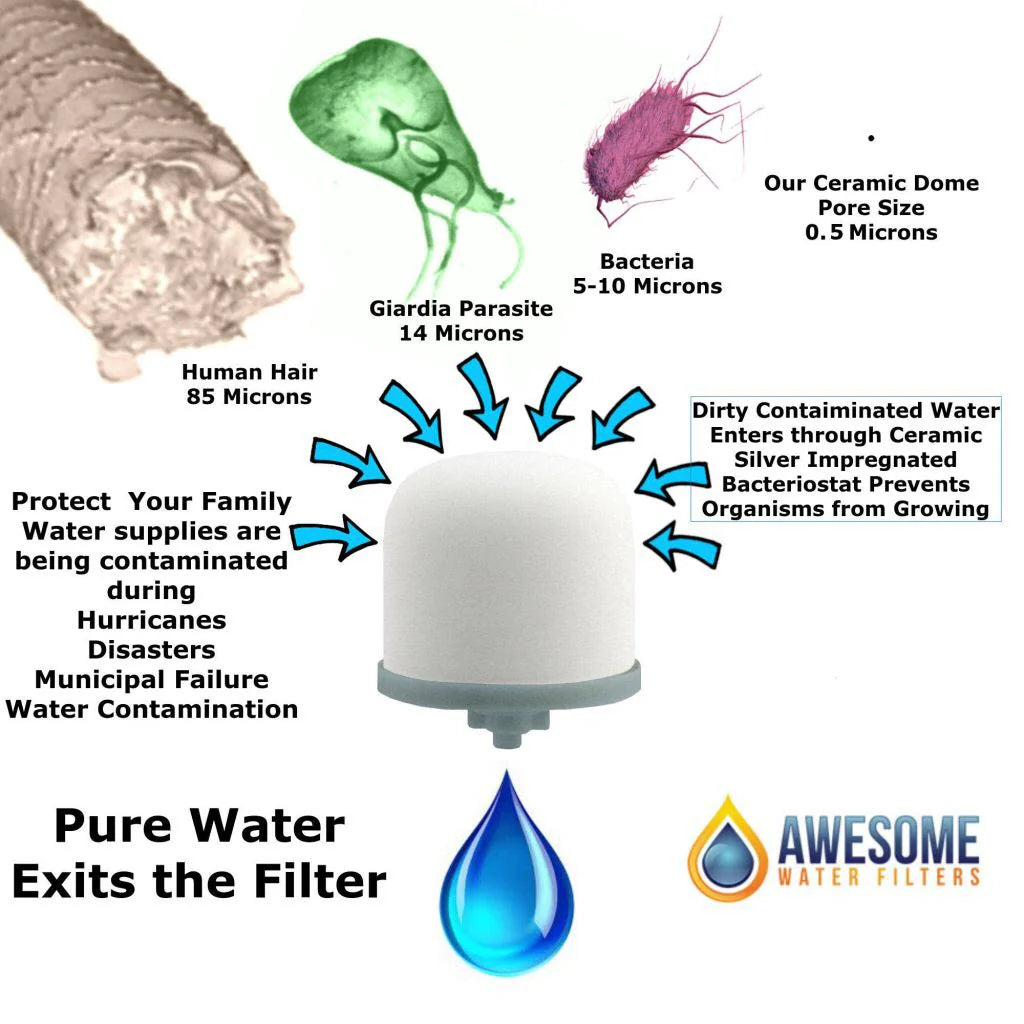
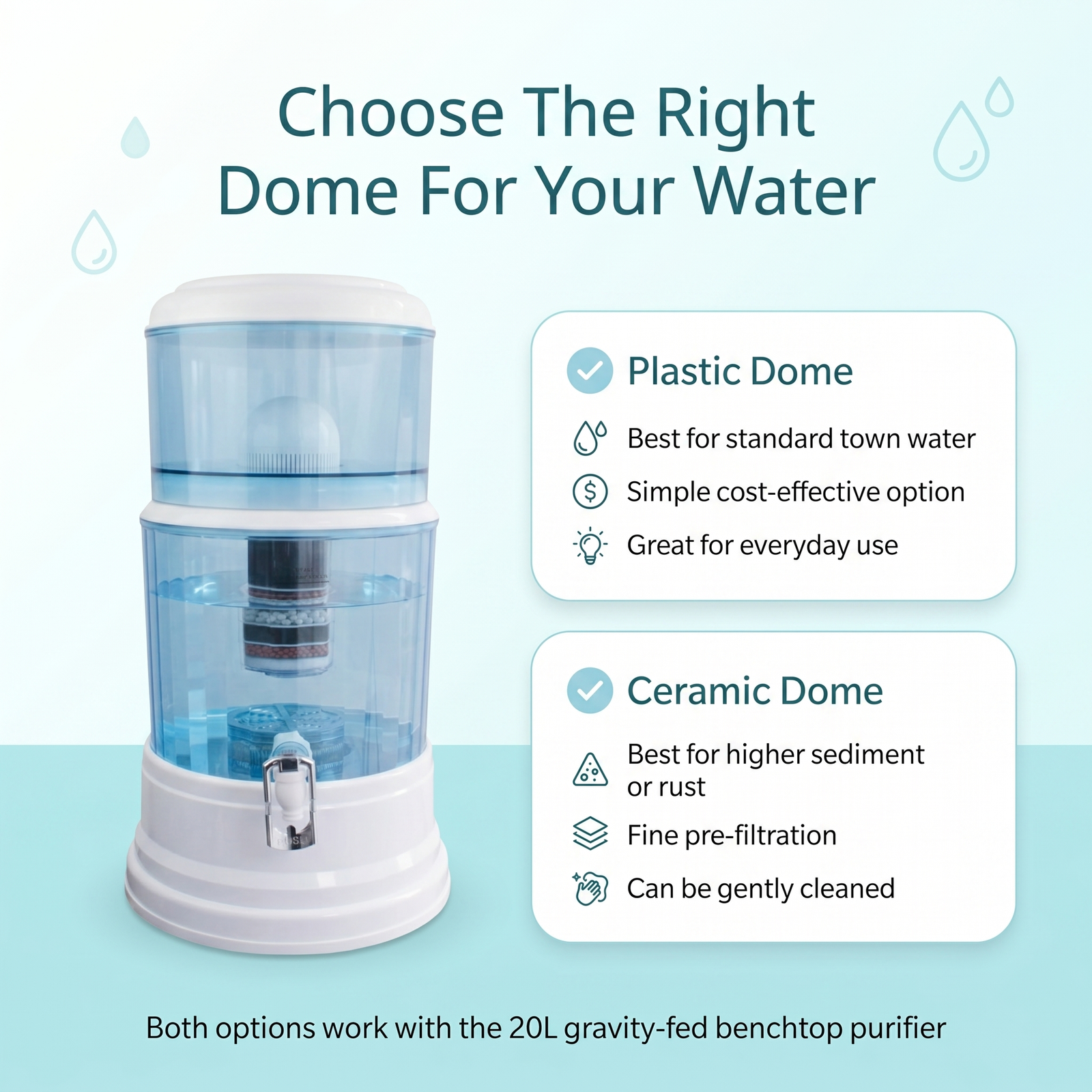
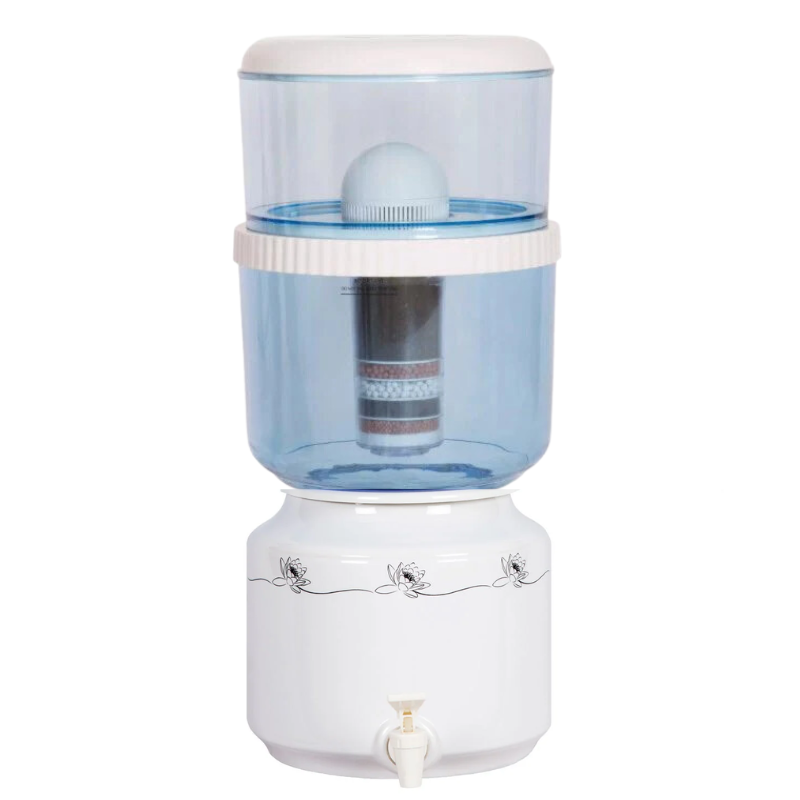
A ceramic dome filter is commonly used in gravity-fed benchtop water purifiers. It sits in the upper chamber and allows water to pass slowly through tiny ceramic pores before it moves into the lower chamber or next filtration stage.
This style of filter is useful for reducing visible sediment, rust, grit and fine particles. It also helps protect the main filter cartridge by catching larger material before it reaches the later stages.
If you are using a benchtop or countertop purifier and want to understand how the full system works, our Benchtop Water Filters Guide explains the main system types and when each one makes sense.

Why Does a Ceramic Dome Filter Slow Down?
A ceramic dome filter slows down when the outer surface becomes coated with trapped sediment and fine particles. This is normal. In fact, it usually means the filter is doing its job.
Because ceramic filtration uses very small pores, water naturally passes through more slowly than it would through a basic plastic dome or open pad system. If your water has more sediment, rust or fine particles, the dome may clog faster and need cleaning more often.
Slow flow can also happen if air is trapped inside the dome, if the dome was not rinsed properly before installation, or if the filter has reached the end of its service life.
How to Clean a Ceramic Dome Water Filter Safely
Cleaning should be simple and gentle. The goal is to remove the dirty outer layer without damaging the ceramic body or plastic base.
- Remove the ceramic dome from the system. Empty the upper tank first, then carefully unscrew or remove the dome according to your system design.
- Rinse under cool running water. Hold the ceramic surface under clean running water to remove loose sediment and surface debris.
- Gently wipe the surface. Use a soft sponge, non-abrasive pad or soft brush to clean the outside of the ceramic dome.
- Do not use detergent. Soap, detergent, bleach or cleaning chemicals can soak into the ceramic and affect the water taste or damage the filter.
- Rinse again thoroughly. Make sure any loosened particles are washed away before reinstalling the dome.
- Reinstall and test the flow. Fit the rubber seal correctly, secure the dome and refill the upper chamber to check whether flow has improved.

What Should You Avoid When Cleaning a Ceramic Dome?
Ceramic dome filters are sturdy enough for normal use, but they can be damaged by rough handling or the wrong cleaning method. Avoid anything that may crack the dome, damage the surface or loosen the plastic base.
- Do not use detergent or soap. Cleaning chemicals can affect taste and may soak into the ceramic surface.
- Do not use bleach unless the manufacturer specifically allows it. Follow the instructions for your exact filter model.
- Do not scrub with steel wool. Heavy abrasion can damage the ceramic surface.
- Do not drop or knock the dome. Ceramic can crack if mishandled.
- Do not boil the dome unless your product manual clearly says it is safe. Heat may damage plastic parts, seals or adhesive components.
If your existing filter is cracked, heavily stained, loose at the base or still too slow after cleaning, replacement is usually the safer option.
Should You Boil a Ceramic Dome Filter?
For most households, boiling is not the recommended cleaning method. A ceramic dome filter can include plastic fittings, seals or bonded parts that may be affected by high heat. Boiling may also increase the risk of cracking if the ceramic is heated or cooled too quickly.
Instead, clean the dome under cool running water with a soft sponge or non-abrasive pad. This is usually enough to remove the surface layer of trapped particles and improve flow.
Only use boiling, sanitising tablets or chemical cleaning if the instructions for your exact filter model specifically recommend it.
How Often Should You Clean a Ceramic Dome Filter?
There is no single cleaning schedule that suits every home. The right timing depends on your water source, sediment level, system type and how much water your household uses.
As a simple guide, clean the dome whenever you notice the flow rate slowing down or when the outer surface looks dirty. Homes using tank water, bore water or water with visible sediment may need to clean the dome more often than homes on treated town water.
If you find yourself cleaning the dome constantly and the flow still drops quickly, the dome may be near the end of its life or your water may need a different pre-filtration setup.
When Should You Replace a Ceramic Dome Filter?
Cleaning can help restore flow, but it does not make the filter last forever. A ceramic dome should be replaced when it no longer performs properly, even after careful cleaning.
Replace your ceramic dome if:
- the flow stays very slow after cleaning
- the ceramic is cracked, chipped or damaged
- the plastic base is loose or leaking
- the surface remains heavily stained or clogged
- the filter has reached the recommended replacement period
- the water taste, clarity or system performance has changed
Need a new dome?
If cleaning no longer improves the flow, replace the dome with a compatible ceramic dome water filter replacement. For other filter stages, browse our water filter replacement cartridges.
Cleaning vs Replacing: Quick Guide
| What You Notice | What to Do |
|---|---|
| Slightly slower flow | Rinse and gently wipe the ceramic surface |
| Dirty or discoloured outer surface | Clean under cool running water with a soft sponge |
| Flow stays slow after cleaning | Replace the ceramic dome |
| Crack, chip or loose base | Stop using the dome and replace it |
| Used for 6 to 12 months | Check the condition and replace if cleaning no longer restores flow |
Does a Ceramic Dome Filter Purify All Water?
A ceramic dome filter is useful as a physical pre-filter, especially for fine sediment and grit. However, it should not be treated as a complete solution for every water source or every contaminant.
If you use untreated tank water, bore water or rainwater, it is worth testing the water before relying on any single filter stage. You may need extra treatment depending on the results and your intended use.
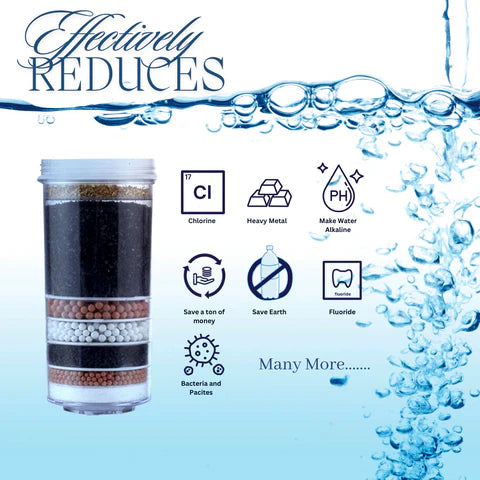
For everyday benchtop filtration, a ceramic dome often works best as part of a multi-stage system. If your system uses an 8-stage KDF cartridge below the ceramic dome, make sure both the dome and the main cartridge are maintained on schedule.
If your main cartridge also needs replacing, our 8-stage KDF water filter cartridges are designed for compatible gravity-fed systems.
Frequently Asked Questions
Can I clean a ceramic dome filter with soap?
No. Do not use soap, detergent or dishwashing liquid on a ceramic dome filter. These products can affect taste and may be absorbed into the ceramic surface. Use cool running water and a soft sponge or non-abrasive pad instead.
Can I scrub a ceramic dome filter?
Yes, but only gently. Use a soft sponge, soft brush or non-abrasive pad. Avoid steel wool, harsh scourers or anything that may damage the ceramic surface.
Why is my ceramic dome filter so slow?
Ceramic filtration is naturally slower because water passes through tiny pores. If the flow has become much slower than usual, the outer surface may be clogged with sediment and needs gentle cleaning. If cleaning does not help, replace the dome.
How long does a ceramic dome filter last?
Many ceramic dome filters are replaced every 6 to 12 months, but this depends on water quality, usage and cleaning frequency. Replace sooner if it is cracked, clogged, damaged or no longer restores flow after cleaning.
Can I use a ceramic dome filter for tank water?
A ceramic dome can help reduce visible sediment and fine particles, but untreated tank water may need additional testing and treatment. Do not rely on a single filter stage for unknown or untreated water quality.
If you need help choosing the right dome or replacement cartridge, contact Awesome Water Filters on 1800 789 781 or email sales@awesomewaterfilters.com.au.