

Great Awesome Deals! Fast Shipping Across Australia!

Water Filters & Purifiers

Is Demineralised Water The Same As Distilled Water?

September 10, 2021 4 min read

Demineralized vs Distilled Water: What Is the Difference?

Water classification can be confusing. Two terms often used interchangeably are "distilled" and "demineralized" (DM water), yet they are not the same thing. Understanding the dm water and distilled water difference is crucial — it determines whether the water is safe for your car battery, your medical equipment, or your drinking glass. In this guide, we break down the science, the uses, and the safety of both.

Water pouring into glass

1. What is Demineralized (DM) Water?

As the name suggests, demineralized water has had its mineral ions (calcium, sulfate, magnesium, and sodium) removed. It is typically created through chemical processes like ion exchange or membrane filtration — an effective method of purifying water of dissolved ionic minerals, but not of biological contaminants.

The Catch: While the process removes trace elements and mineral ions, it does not necessarily remove particles organic materials bacteria or viruses. It targets magnetically charged ions, often leaving suspended particles organic materials and biological contaminants behind. This is the key demineralized vs distilled water distinction.

Common Uses:

  • Industrial machinery (to prevent scale buildup)
  • Car batteries and radiators
  • Steam irons and aquariums
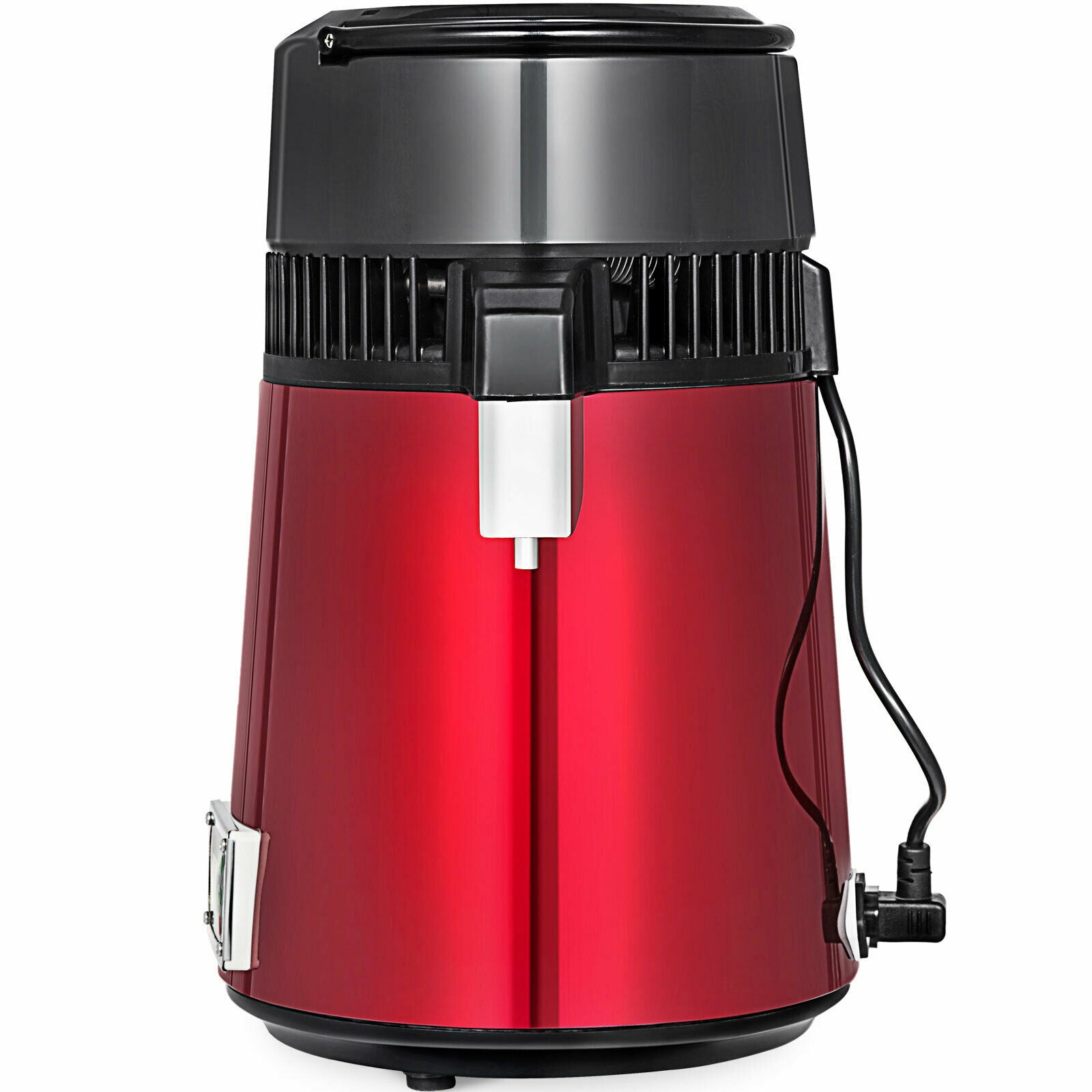
Premium Countertop Water Purifier

2. What is Distilled Water?

Distillation is a physical process and one of the most effective method of purifying water of virtually all contaminants. The distillation process works by boiling water into steam and then condensing it back into liquid in a clean container.

The Advantage: Because the distillation process converts water to steam, it leaves behind minerals, organic materials bacteria viruses, heavy metals, and suspended particles organic materials. This makes distilled water exceptionally pure — a true method of purifying water that addresses biological as well as chemical contamination. It also removes trace elements that demineralization alone may miss.

Common Uses:

  • Medical procedures and sterilization
  • CPAP machines (to prevent bacterial growth)
  • Laboratory experiments
  • Crystal clear ice cubes
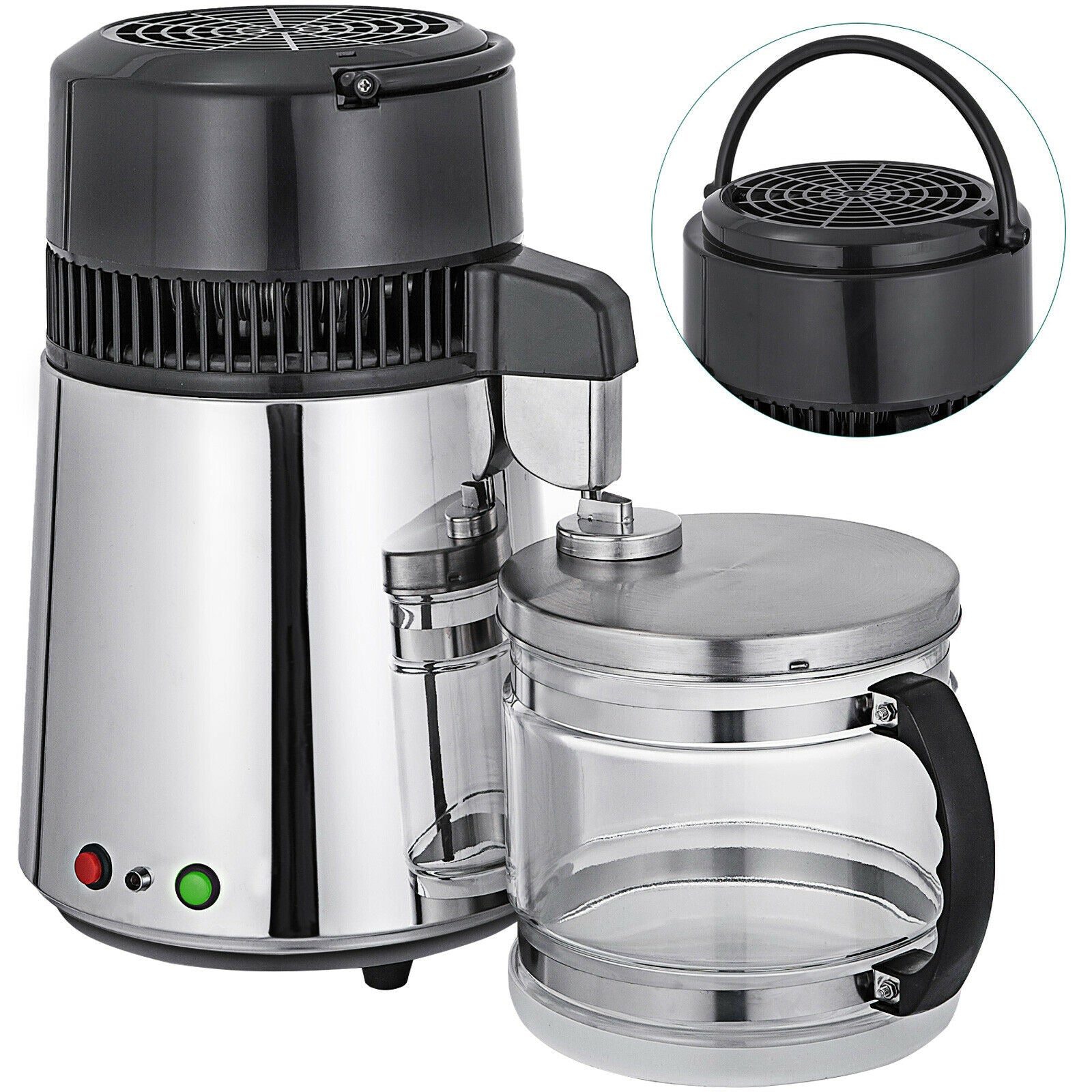
Medical Grade Water Distiller

The Distillation Process Explained

Understanding the distillation process helps clarify the demineralized vs distilled water debate. Here’s how it works step by step:

  1. Heating: Water is heated to boiling point in a sealed chamber.
  2. Evaporation: Pure water molecules evaporate into steam, leaving behind suspended particles organic materials, minerals, and organic materials bacteria viruses.
  3. Condensation: The steam travels through a cooling coil and condenses back into liquid water.
  4. Collection: The resulting distilled water is collected in a clean container — free from virtually all contaminants.

This method of purifying water is considered one of the most thorough available for home use, as it removes trace elements, biological contaminants, and heavy metals in a single pass.


DM Water and Distilled Water Difference: Side-by-Side Comparison

Feature Demineralized (DM) Water Distilled Water
Process Ion exchange / membrane filtration Boiling & condensation (distillation process)
Removes minerals Yes Yes
Removes bacteria/viruses Not reliably Yes — kills organic materials bacteria viruses
Removes trace elements Partially Yes — removes trace elements effectively
Safe to drink? Not recommended Safe, but remineralise for long-term use
Produces quality water? Moderate — mineral-free but not sterile High — quality water for medical & drinking use

The Verdict: Are They The Same? NO.

Distilled water is demineralized, but demineralized water is NOT necessarily distilled.

The dm water and distilled water difference lies in purity. The distillation process removes 99.9% of minerals plus particles organic materials bacteria and viruses. Demineralization removes trace elements and minerals but may not remove biological contaminants. Never substitute one for the other in medical or sterile applications.


Is It Safe to Drink? (Health Guide)

While both types of water are technically "clean," there are important health considerations according to the World Health Organization (WHO).

Drinking Demineralized Water

Not Recommended. Because the process does not guarantee removal of organic materials bacteria viruses or suspended particles organic materials, it is generally unsafe for human consumption unless explicitly treated for drinking purposes. It does not produce quality water suitable for regular drinking.

Drinking Distilled Water

Safe, but not ideal long-term. The distillation process produces sterile, high-quality water that is safe to drink. However, because it removes trace elements including essential minerals like calcium and magnesium, long-term consumption without remineralisation is not recommended by the WHO.

  • The WHO Warning: Long-term consumption of demineralized or distilled water can leach minerals from your body and may be linked to increased risks of cardiovascular issues or bone density loss.
  • The Solution: Use a remineralisation filter or add mineral drops to restore the health benefits and produce genuinely quality water for daily drinking.

Final Thoughts

The demineralized vs distilled water debate comes down to purity and intended use. The distillation process is the most effective method of purifying water for home use — it removes trace elements, suspended particles organic materials, and organic materials bacteria viruses in one step. Demineralization is useful for industrial applications but should not be relied upon for drinking quality water.

Choose the right water for the right job. Use DM water for your car battery, but choose distilled (or remineralized distilled) water for your health and medical equipment.

Looking for pure water at home? Explore our range of high-quality distillers and purifiers:

Shop Water Distillers & Purifiers

```html
```