Is Filtered Water Better Than Tap Water? An Honest Answer
July 16, 20212 min read
For most Australians, tap water is safe to drink — but filtered water is genuinely better in several practical ways. Here’s an honest look at what filtration actually does and whether it’s worth it.
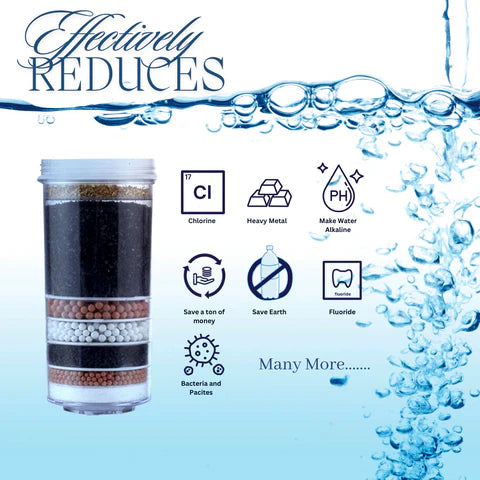
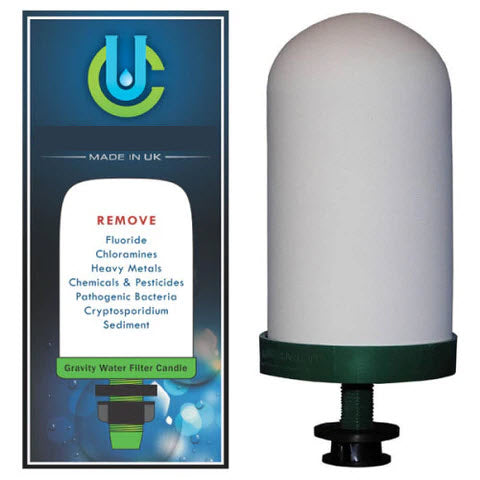
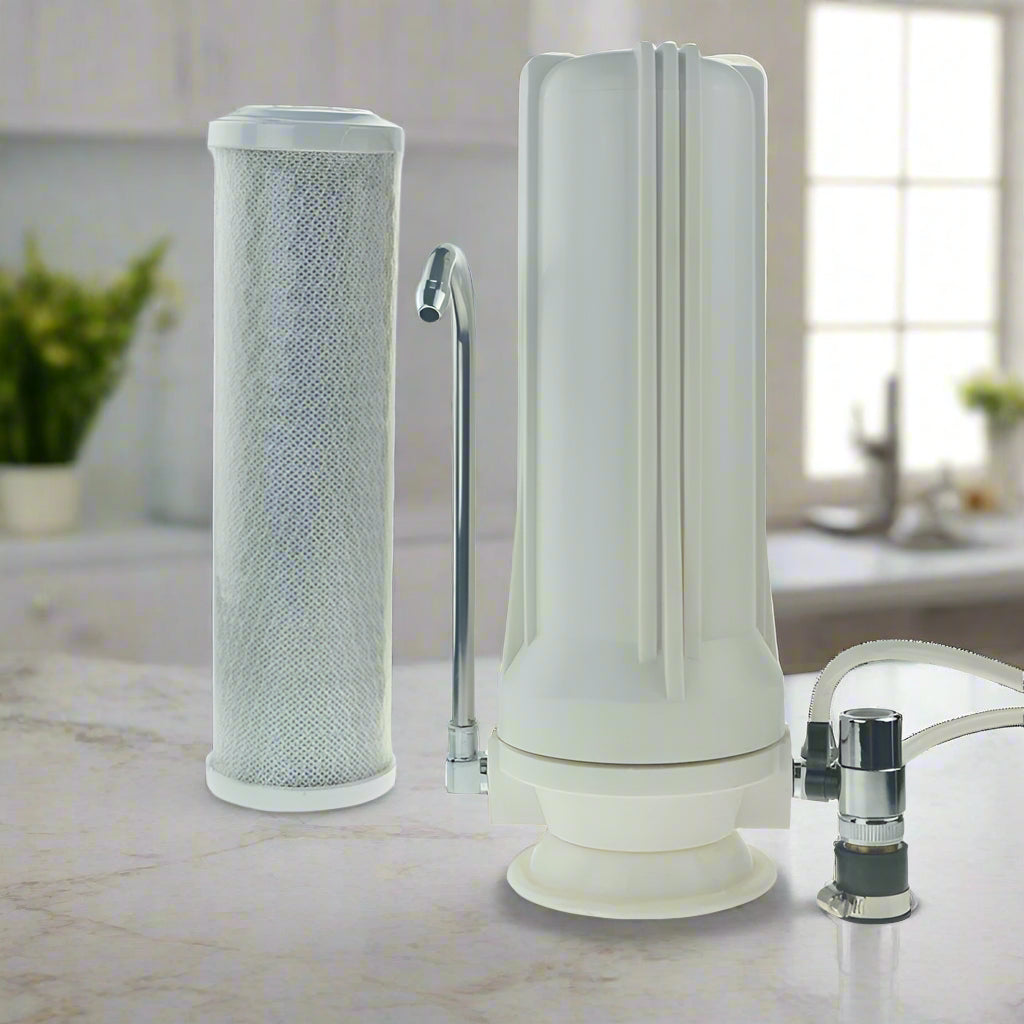
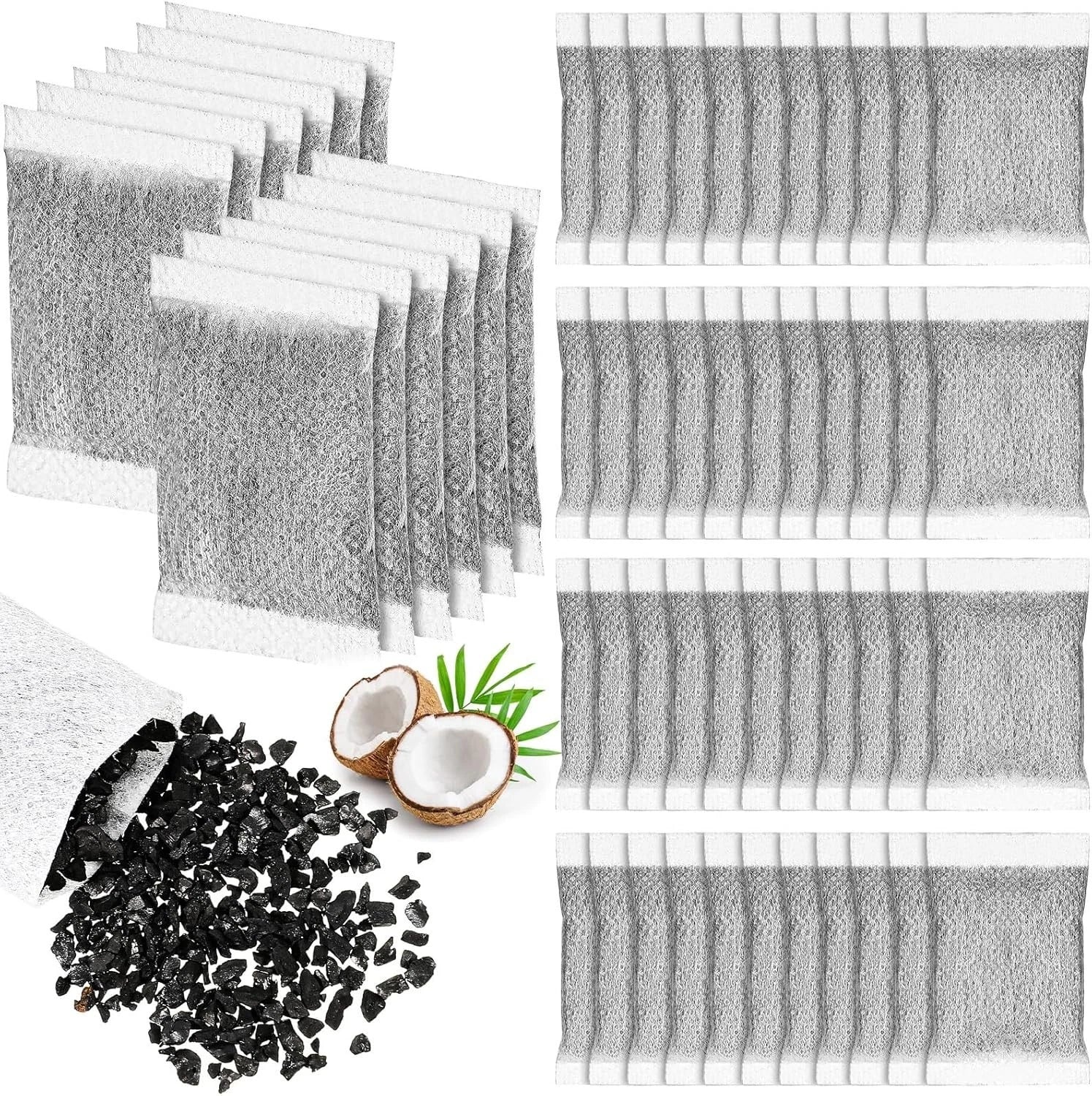
Australian town water is treated to safe drinking standards before it reaches your tap — but treatment introduces its own compounds. A quality carbon-based filter removes:
Chlorine and chloramines — added during treatment; responsible for the characteristic tap water taste and smell
Disinfection by-products (DBPs) — formed when chlorine reacts with organic matter in the water
Sediment and rust — particularly relevant in older homes with ageing pipes
Heavy metals — lead, copper, and mercury can leach from plumbing
Pesticides and VOCs — present in some water supplies, particularly in agricultural areas
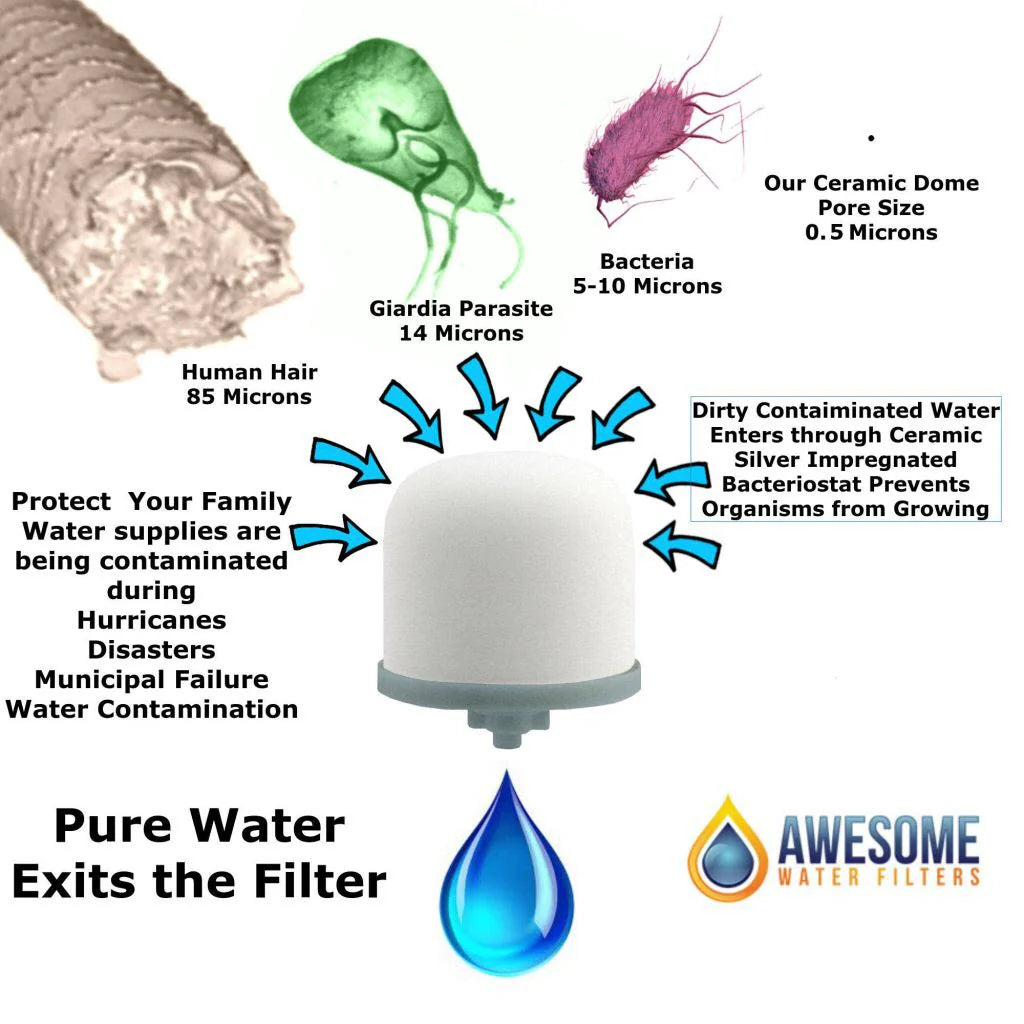
What standard carbon filters don’t remove: fluoride, bacteria, viruses, or nitrates. For those, you need reverse osmosis or distillation.
The Real Benefits of Filtered Water
Better Taste and Smell
The most immediately noticeable benefit. Removing chlorine and chloramines eliminates the chemical taste and smell that puts many people off tap water. Most people who switch to filtered water drink more water as a result — which is a genuine health benefit in itself.
Reduced Exposure to Contaminants
While Australian tap water meets safety standards, those standards set maximum allowable levels — not zero. Filtering reduces your daily exposure to chlorine by-products, heavy metals, and other compounds that accumulate over time.
Better Than Bottled Water
Filtered tap water is a better choice than bottled water on almost every measure: it’s cheaper, produces no plastic waste, and is typically fresher. Most bottled water is simply filtered municipal water anyway.
Cost-Effective
A quality benchtop filter costs $200–$400 upfront with $50–$150/year in cartridge replacements — a fraction of the cost of bottled water for a household.
Is Australian tap water safe to drink without filtering?
Yes — Australian tap water meets national drinking water quality standards and is safe to drink. Filtering improves taste, removes chlorine, and provides additional protection against contaminants, but it’s not a safety necessity for most town water supplies.
Does filtered water remove fluoride?
Standard carbon filters don’t remove fluoride. Reverse osmosis removes 95–98% of fluoride. Distillation removes virtually all fluoride. See our guide on fluoride removal.
What’s the most cost-effective water filter for an Australian home?
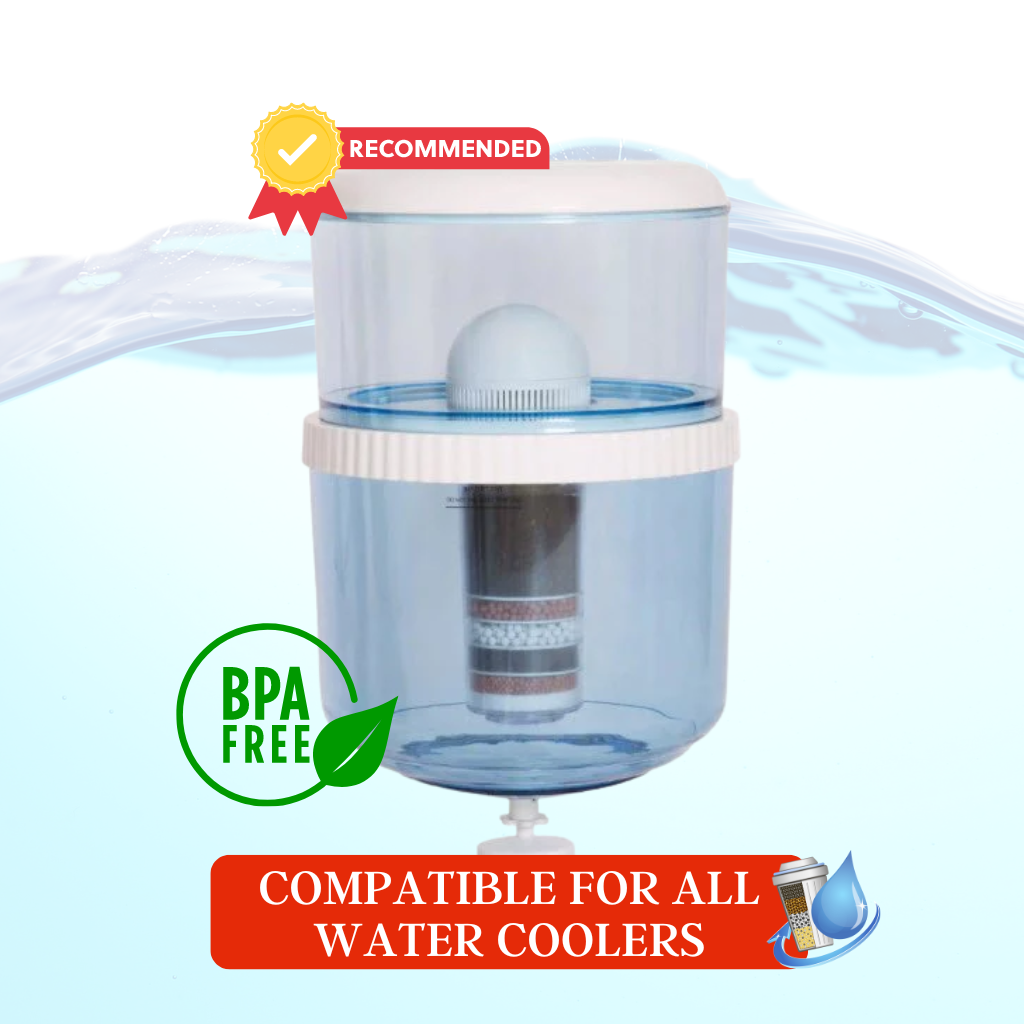
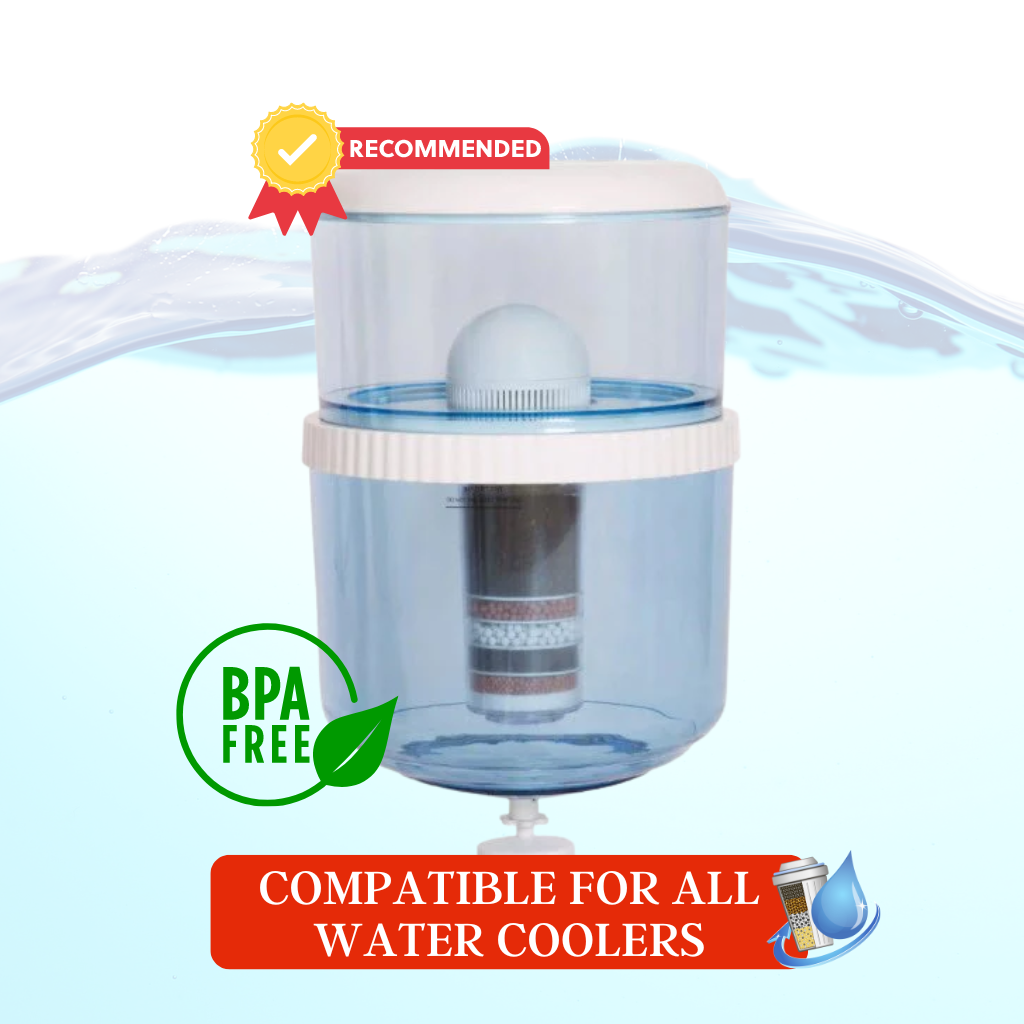
A benchtop 8-stage KDF filter is the most cost-effective entry point — no plumbing required, excellent contaminant removal, and low ongoing cartridge costs. Call us on 1800 789 781 for a recommendation.
Subscribe
Sign up to get the latest on sales, new releases and more …