

Water Filters & Purifiers

Ceramic Water Filters in Australia: How They Work and Why They’re Worth Considering

September 25, 2024 2 min read

Ceramic filtration is one of the oldest and most reliable water purification methods — and it’s still one of the best for removing bacteria and sediment without electricity. Here’s how it works and where it fits in an Australian home.

See our Benchtop Water Filters Guide or browse our ceramic filter range.


How Ceramic Filtration Works

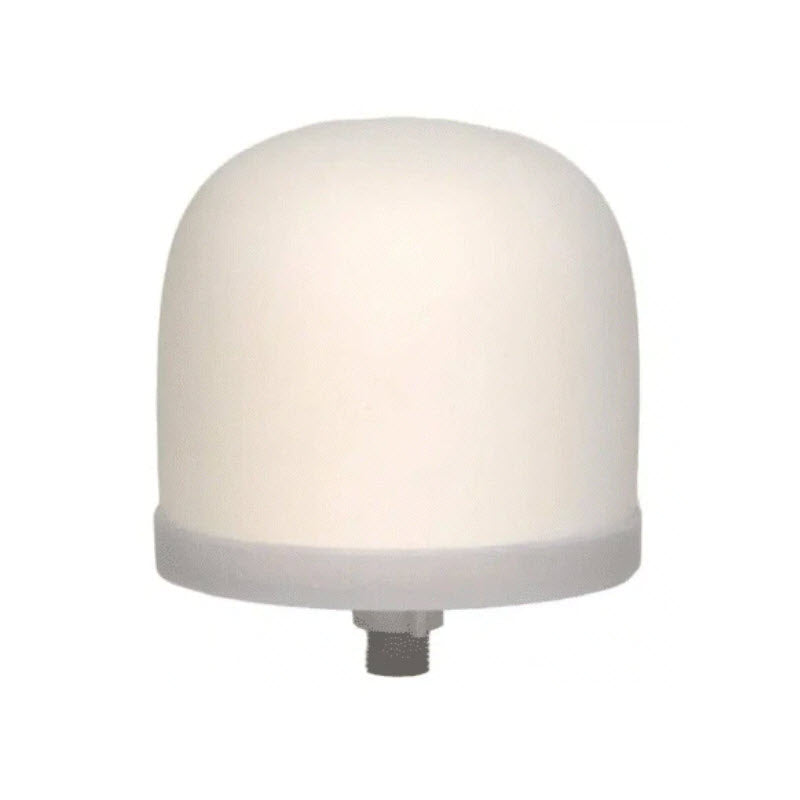
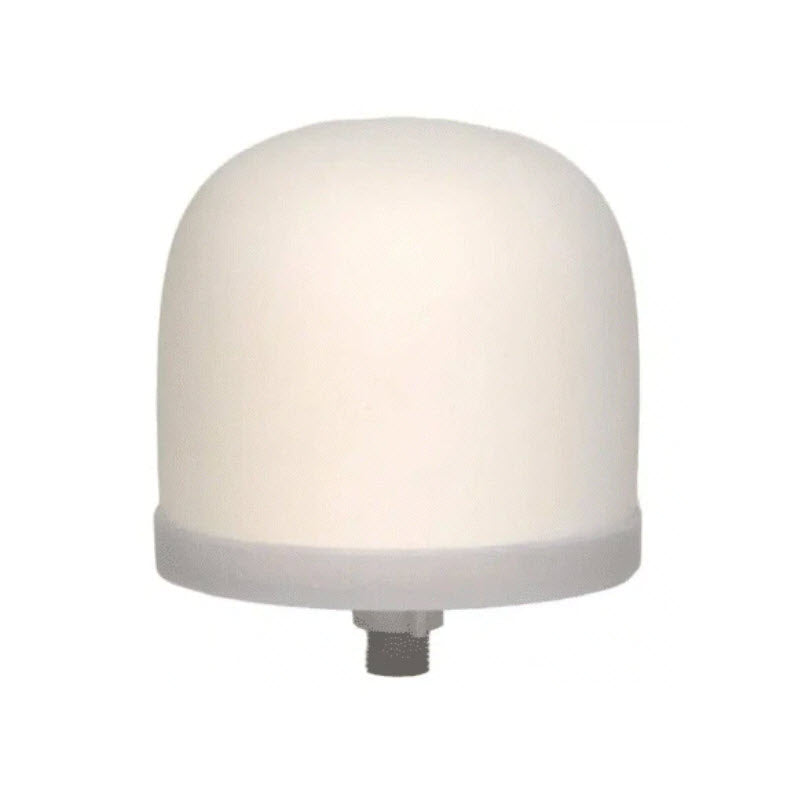
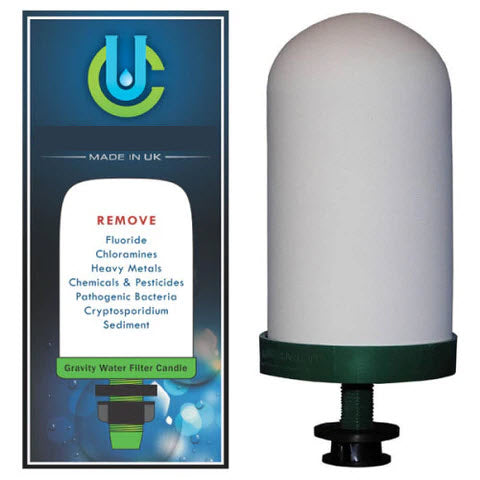
Ceramic filters work by passing water through a porous ceramic matrix with pore sizes typically between 0.2 and 0.9 microns. At this scale, bacteria (typically 0.5–5 microns), Giardia cysts (8–12 microns), and Cryptosporidium oocysts (4–6 microns) are physically blocked and cannot pass through.

The ceramic material itself is inert — it doesn’t add anything to the water and doesn’t degrade chemically over time. It’s a purely mechanical filtration process.

What Ceramic Filters Remove

  • Bacteria (E. coli, Salmonella, etc.): ✅ Effectively removed at 0.9 micron
  • Giardia and Cryptosporidium: ✅ Effectively removed
  • Sediment and rust: ✅ Effectively removed
  • Turbidity: ✅ Effectively removed
  • Chlorine: ❌ Not removed by ceramic alone — requires an activated carbon stage
  • Fluoride: ❌ Not removed by ceramic — requires RO or activated alumina
  • Heavy metals: ❌ Not removed by ceramic alone — requires KDF or carbon stage

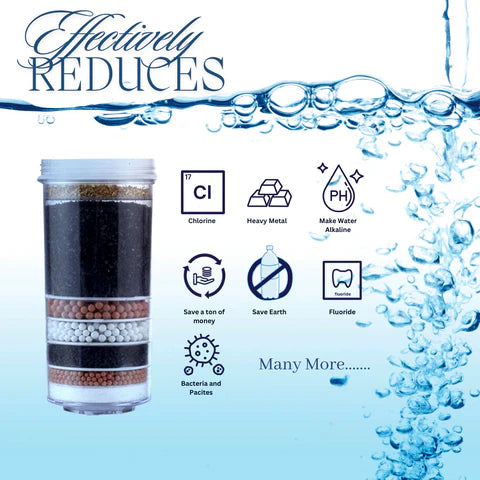
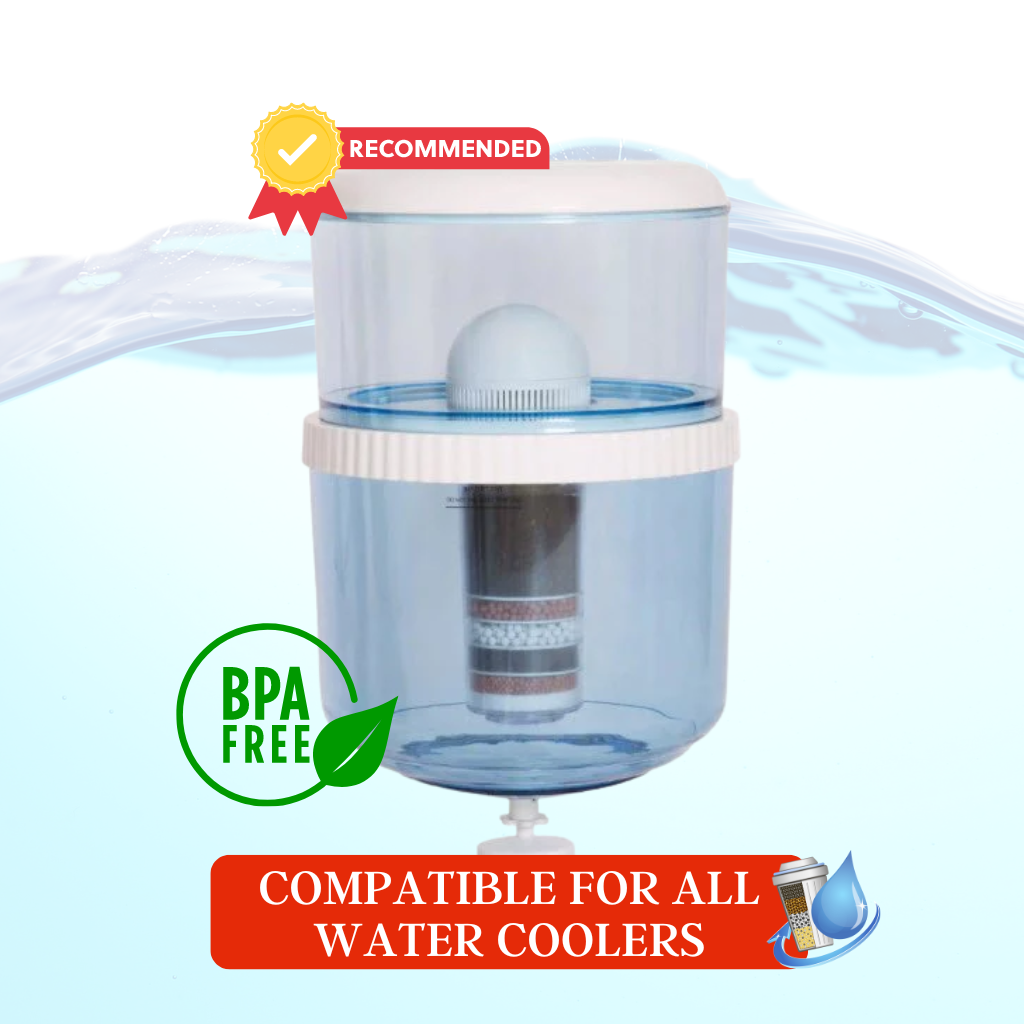
This is why our benchtop water coolers combine a ceramic outer shell with activated carbon, KDF media, and other stages in the 8-stage cartridge — ceramic handles bacteria and sediment; the other stages handle chemical contaminants.

Ceramic vs Carbon vs RO

Method Removes Bacteria Removes Chlorine Removes Fluoride Electricity Needed
Ceramic No
Activated carbon No
Reverse osmosis No (uses pressure)
8-stage KDF (ceramic + carbon + KDF) No

Maintenance

Scrub the outer ceramic surface monthly with a soft brush under running water to restore flow rate. Replace when scrubbing no longer restores adequate flow, or every 6–12 months. Browse our replacement ceramic filter range.


Frequently Asked Questions

Does a ceramic filter remove fluoride?

No — ceramic filtration removes bacteria and sediment but not fluoride. For fluoride removal, you need a reverse osmosis system. See our Reverse Osmosis Guide.

Is ceramic filtration suitable for bore or tank water in Australia?

Yes — ceramic filtration is well suited to bore and tank water where bacteria and sediment are the primary concerns. For bore water with high TDS or chemical contamination, additional filtration stages are needed. Call us on 1800 789 781 for advice.

```html
```