Energy Efficiency and Hot Water Dispensers: What You Need to Know
June 20, 20232 min read
One of the most common questions we get is whether a hot water dispenser uses more electricity than a kettle. The honest answer: it depends on how you use it. Here’s what you actually need to know.
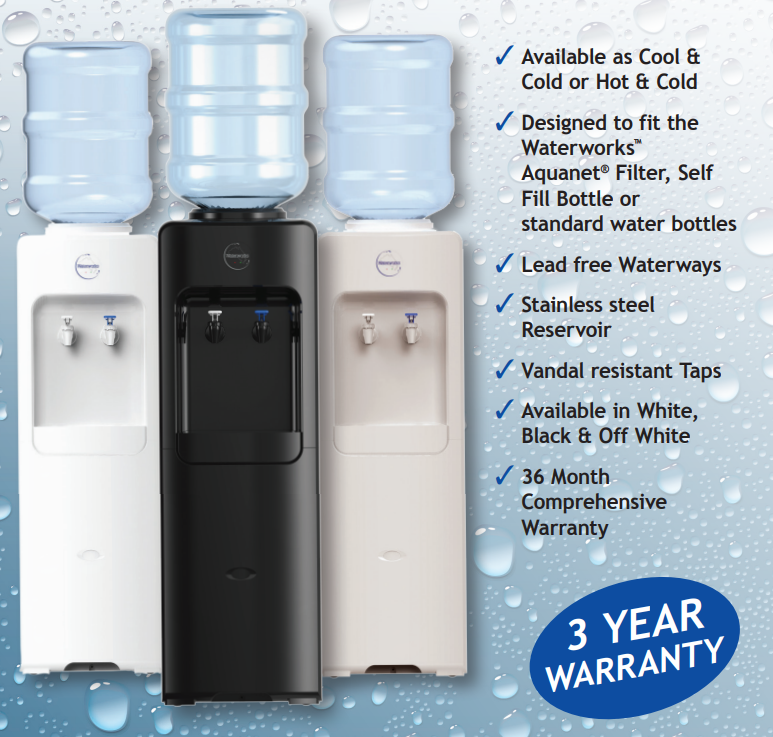
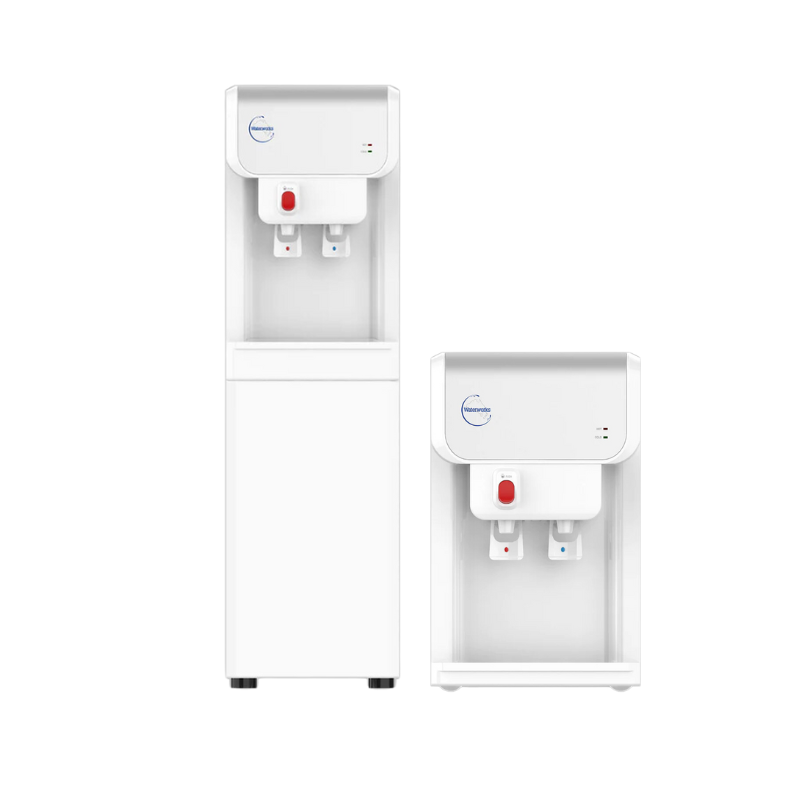
A hot water dispenser uses two separate systems: a heating element for the hot tank (typically 500–700W) and a refrigeration compressor for the cold tank (typically 80–120W). The heating element cycles on and off to maintain the hot tank at approximately 92°C. The compressor does the same for the cold tank at 4°C.
The key point: the dispenser maintains temperature continuously rather than heating from cold each time. This is more efficient than repeatedly boiling a full kettle from cold — but less efficient than a kettle if you only boil water once or twice a day.
Dispenser vs Kettle: When Each Wins
Dispenser wins on energy if your household boils a kettle 4+ times per day, or if multiple people are making hot drinks throughout the day. The dispenser’s continuous maintenance uses less total energy than repeatedly heating a full kettle from cold.
Kettle wins on energy if you only boil water once or twice a day. A kettle that’s off between uses draws zero standby power.
For most Australian households with 2+ people who drink tea or coffee regularly, a dispenser is the more energy-efficient choice over a full day’s use.
Practical Tips to Reduce Running Costs
Use the night switch — if your model has one, turn off the hot tank overnight. The cold tank can stay on if you want chilled water in the morning.
Keep the unit away from heat sources — direct sunlight and nearby appliances make the compressor work harder to maintain cold water temperature.
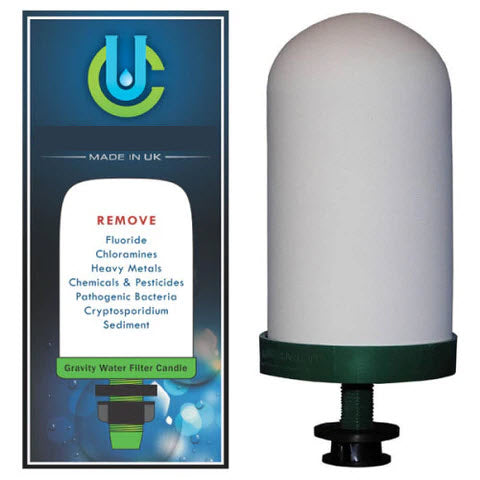
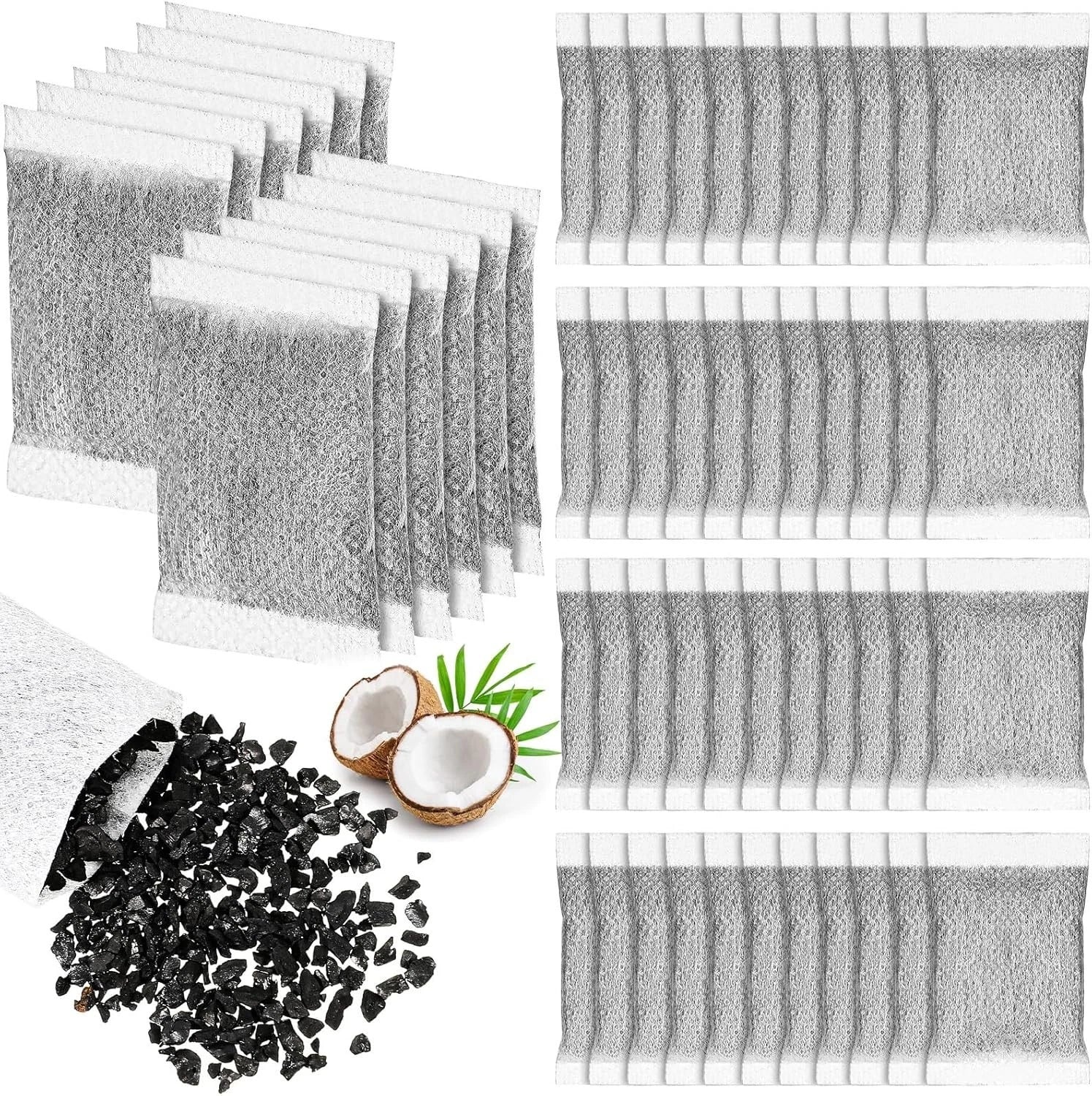
Replace the filter on schedule — a clogged filter restricts flow and makes the system work harder. Browse our replacement cartridge range.
Don’t overfill the bottle — fill to the recommended level for optimal efficiency.
Frequently Asked Questions
How much does it cost to run a hot water dispenser in Australia?
Running costs vary by model and usage, but a typical hot and cold dispenser costs approximately $0.50–$1.50 per day in electricity at average Australian electricity rates. This is comparable to or less than boiling a kettle 4–6 times per day.
Should I turn my water dispenser off at night?
If your model has a night switch, yes — turning off the hot tank overnight saves energy. The cold tank can stay on if you want chilled water available in the morning. Call us on 1800 789 781 for model-specific advice.
Subscribe
Sign up to get the latest on sales, new releases and more …