Under-Sink Water Filter Maintenance: A Practical Guide for Australian Households
August 18, 20232 min read
An under-sink water filter is largely maintenance-free day-to-day — but cartridge replacement on schedule is non-negotiable. Here’s what to do and when.
Close the inlet shut-off valve on the filter’s water supply line.
Open the filtered water tap to relieve pressure.
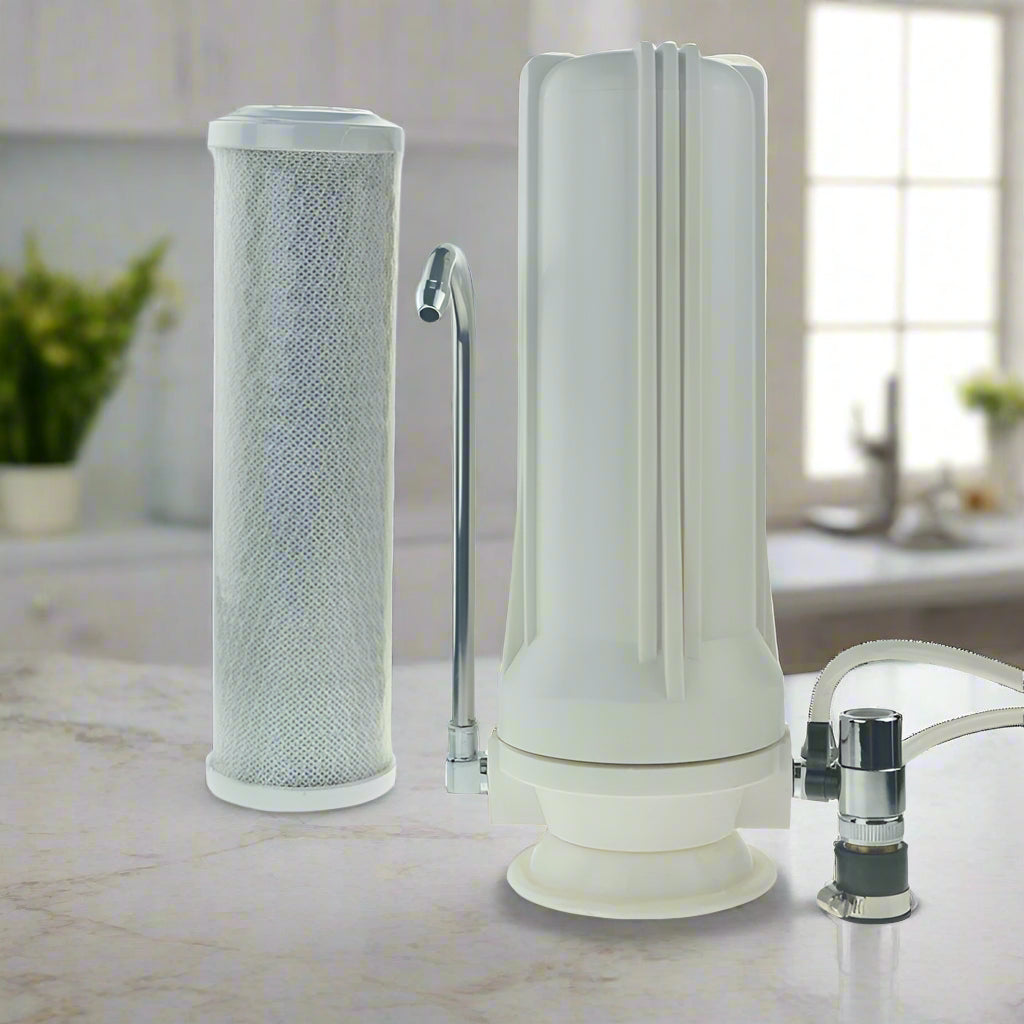
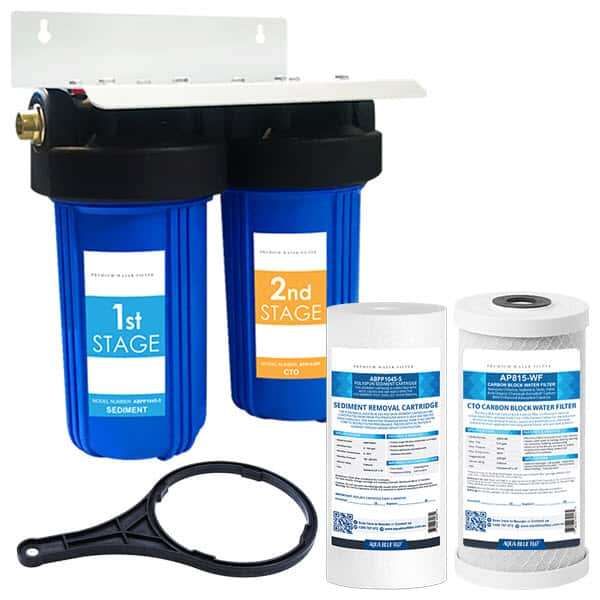
Unscrew the filter housing using the housing wrench (supplied). Turn anticlockwise.
Remove the old cartridge and dispose of it. Rinse the housing with clean water.
Check the O-ring — clean and apply a small amount of food-grade silicone grease. Replace if cracked or damaged.
Insert the new cartridge and hand-tighten the housing. Do not overtighten.
Open the inlet valve and check all connections for leaks.
Flush for 3–5 minutes before use to clear any residual media from the new cartridge.
Key Warning Signs
Reduced flow rate: The first sign a cartridge is clogging. Replace on schedule to avoid this.
Change in taste or odour: Indicates the carbon stage is exhausted. Replace immediately.
Dripping under the sink: Check all connection points and the housing O-ring. Call us on 1800 789 781 if you can’t identify the source.
Frequently Asked Questions
Do I need a plumber to replace my under-sink filter cartridge?
No — cartridge replacement is DIY-friendly. Use the inlet shut-off valve to isolate the filter, swap the cartridge, and restore flow. Call us on 1800 789 781 if you need guidance.