

Water Filters & Purifiers

Understanding 9.5 pH Water Meaning: Distilled vs. Tap Water Insights

July 29, 2024 3 min read

What Is the pH of Distilled Water and Tap Water?

When it comes to water quality, understanding pH levels is essential. A common question is: is distilled water acidic? The answer lies in how distilled water interacts with its environment.

In its purest state, water has a pH of 7 — perfectly neutral. But most drinking water sits between 6.5 and 8.5 depending on what's dissolved in it. So what's the actual pH of distilled water and tap water — and does it matter?

For a deeper look at distillation and how it works, see our Water Distillers Guide. If you're comparing purification methods, our Reverse Osmosis Guide is also worth reading.


What Is pH?

pH is a scale from 0 to 14 that measures how acidic or alkaline a solution is. Below 7 is acidic, above 7 is alkaline, and 7 is neutral. It's used across chemistry, medicine, agriculture, food production, and water purification.


The pH of Distilled Water

Distilled water should theoretically have a pH of exactly 7.0 — pure H₂O with nothing else in it. In practice, it's usually slightly acidic, with a pH between 5.5 and 6.9.

Why? Because as soon as distilled water is exposed to air, it absorbs carbon dioxide (CO₂), which dissolves to form carbonic acid:

CO₂ + H₂O → H₂CO₃ (carbonic acid) → HCO₃⁻ + H⁺

This mild acidification is natural and harmless — it's the same process that makes rainwater slightly acidic. It doesn't make distilled water unsafe to drink.

pH of distilled water

The pH of Tap Water

Australian tap water typically has a pH between 6.5 and 8.5 — the range considered safe for drinking by Australian Drinking Water Guidelines. The exact pH varies by city and water source:

  • Sydney and Melbourne: Generally 7.0–8.0 (soft, mountain catchment water)
  • Adelaide and Perth: Can be higher due to harder, more alkaline source water
  • Bore and tank water: Highly variable — testing recommended

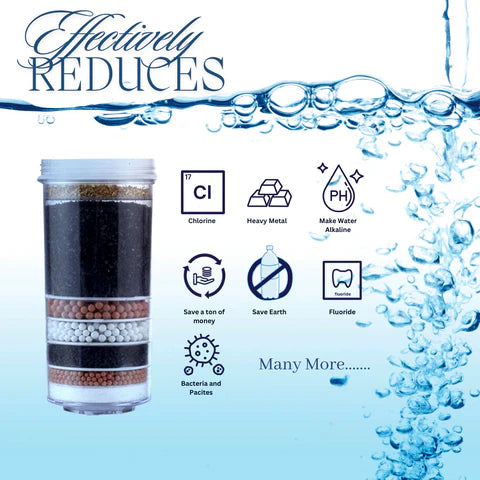
Chlorine is added during treatment, which can affect both pH and taste. An 8-stage KDF water filter removes chlorine and improves taste without significantly altering pH.


What Happens If pH Isn't Balanced?

Water that's too acidic (below 6.5) can corrode pipes and leach lead or copper into your water. Water that's too alkaline (above 8.5) can taste flat or bitter and may affect how your body absorbs certain minerals.

For most Australians on town water, pH is within safe range. If you're on bore or tank water, it's worth testing. A reverse osmosis system or water distiller will produce the most consistent, neutral-pH water.


How to Improve Your Water's pH


Frequently Asked Questions

Is distilled water safe to drink?

Yes. The slightly acidic pH of distilled water is harmless. Some people drink it regularly. The main consideration is that it lacks minerals — which is fine if you get minerals from food, but worth noting for long-term exclusive use.

What pH is best for drinking water?

Australian Drinking Water Guidelines recommend 6.5–8.5. Most people find water in the 7.0–8.0 range tastes best. Alkaline water (8.0–9.5) is popular with some health-conscious drinkers, though the evidence for specific health benefits is mixed.

Does a water filter change pH?

Most standard filters (carbon, KDF) don't significantly change pH. Reverse osmosis slightly lowers pH. Alkaline filter stages and mineral stones raise pH. Our 8-stage KDF filters include an alkaline stage that mildly raises pH.

```html
```