Is Demineralised Water the Same as Distilled Water?
September 10, 20215 min read
Is Demineralised Water the Same as Distilled Water?
Demineralised water and distilled water are often talked about as if they are the same thing, but they are not identical. Both can have very low mineral content, but the way they are made and the contaminants they target are different.
This matters because the right choice depends on the use. Water for a CPAP humidifier, car battery, steam iron, laboratory task or drinking glass may not need the same type of purification. If you want a deeper explanation of the steam purification process, our Water Distillers Guide explains how distillation works at home.
Quick answer: Distilled water is a type of highly purified water made by boiling water into steam and condensing it back into liquid. Demineralised water has had mineral ions removed, but it is not necessarily distilled and may not remove the same range of non-mineral contaminants.
Demineralised water, sometimes called DM water, is water that has had mineral ions removed. These may include calcium, magnesium, sodium, chloride, sulfate and other dissolved minerals that contribute to hardness and scale.
Demineralisation is commonly done through ion exchange, deionisation or membrane-based treatment. These methods are effective for reducing dissolved mineral ions, but they do not automatically make the water suitable for every use. Depending on how it is produced and stored, demineralised water may still contain non-mineral contaminants, organic compounds or microorganisms.
Common uses: Demineralised water is often used in car batteries, radiators, steam irons, industrial machinery, aquariums and other applications where mineral scale is the main concern.
Is it suitable for drinking? Not usually, unless it is specifically produced, packaged and labelled as drinking water. General-purpose demineralised water is normally made for appliances, machinery or industrial use, not everyday drinking.
What Is Distilled Water?
Distilled water is made through a physical process. Water is heated until it turns into steam, then the steam is cooled and condensed back into liquid in a clean container. Because most minerals, salts and many contaminants do not travel with the steam, they are left behind in the boiling chamber.
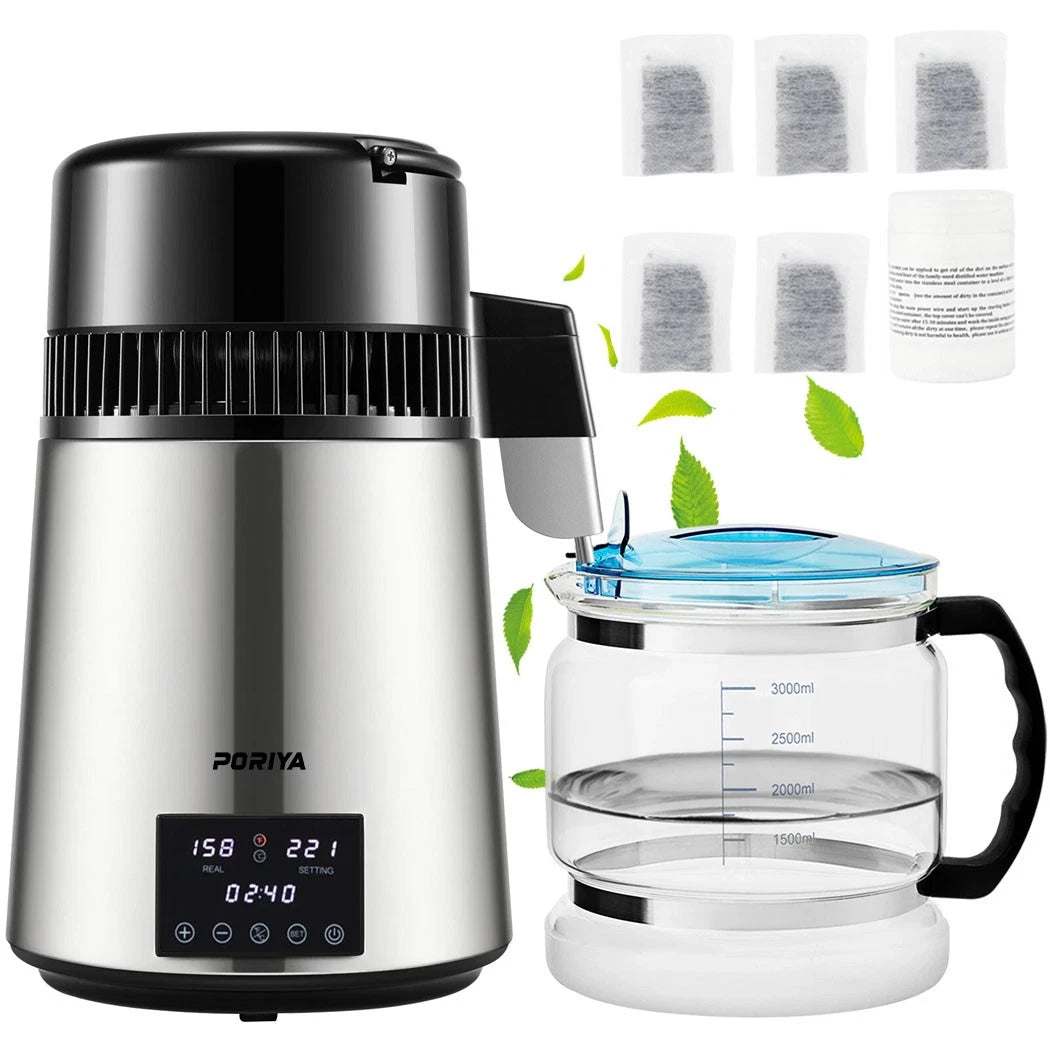
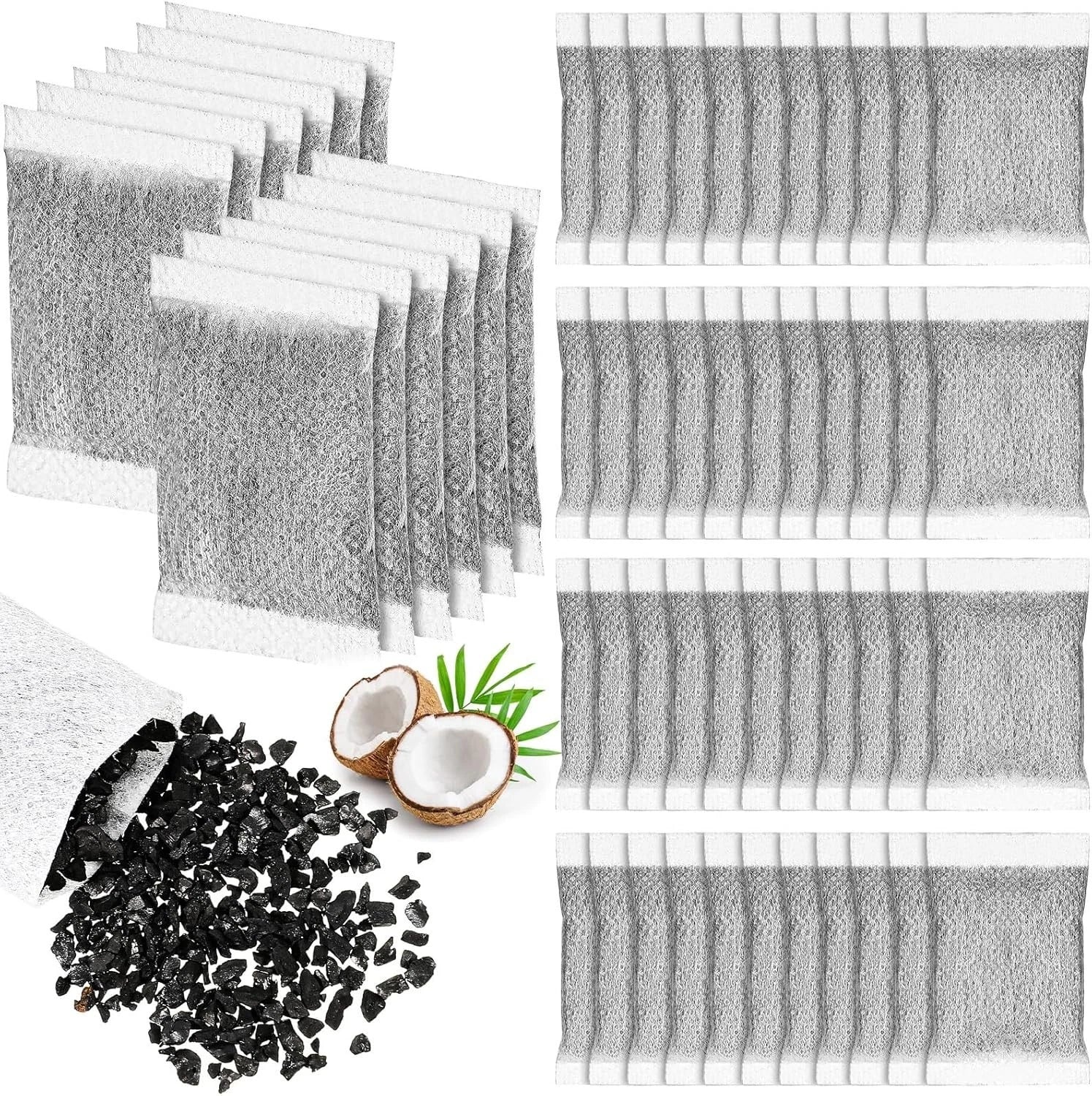
Distillation can reduce minerals, heavy metals, many microorganisms and dissolved solids. Some volatile compounds may require extra treatment, which is why many home distillers use a carbon post-filter to help polish taste and reduce certain carry-over odours.
Common uses: Distilled water is commonly used for CPAP humidifiers where recommended by the machine manufacturer, laboratory tasks, medical-related equipment, steam appliances and drinking water when the user wants very low dissolved solids.
Is it suitable for drinking? Yes, distilled water can be used for drinking. For long-term daily use, some people choose to remineralise it for taste and mineral balance.
Choosing purified water at home? Distillation is a practical option when your goal is very low TDS water made through boiling, steam collection and condensation.
For household use, you can compare our home water distiller range to find a model that suits your needs.
Demineralised Water vs Distilled Water
Feature
Demineralised Water
Distilled Water
Process
Ion exchange, deionisation or membrane filtration
Boiling, steam collection and condensation
Removes minerals
Yes
Yes
Targets microorganisms
Not reliably unless combined with another treatment
Can reduce many microorganisms through boiling and condensation
Best suited to
Appliances, batteries, industrial use and scale reduction
CPAP humidifiers where recommended, laboratories, steam appliances and low TDS drinking water
Drinking use
Only if made and labelled for drinking
Suitable for drinking, with remineralisation optional for taste and long-term use
The key point: distilled water is usually demineralised because distillation removes minerals, but demineralised water is not necessarily distilled. Demineralisation mainly targets mineral ions, while distillation uses heat and steam separation to produce a broader form of purified water.
Which Should You Use for Drinking?
For drinking water at home, distilled water is generally the better choice than general-purpose demineralised water because it is produced through a broader purification process. If you want to make purified water at home instead of buying bottles, a home distiller can be a practical long-term option.
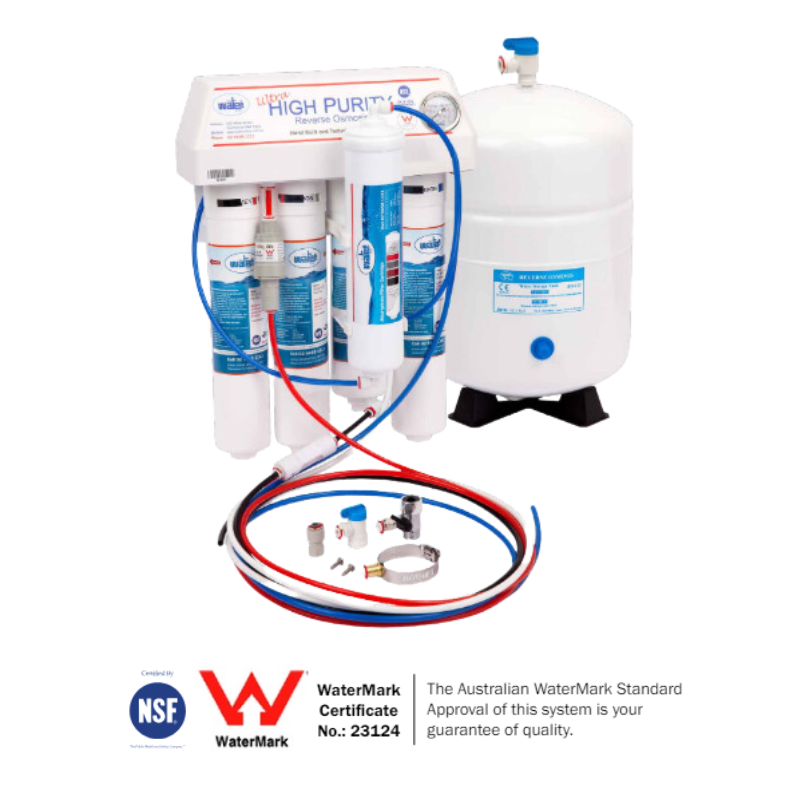
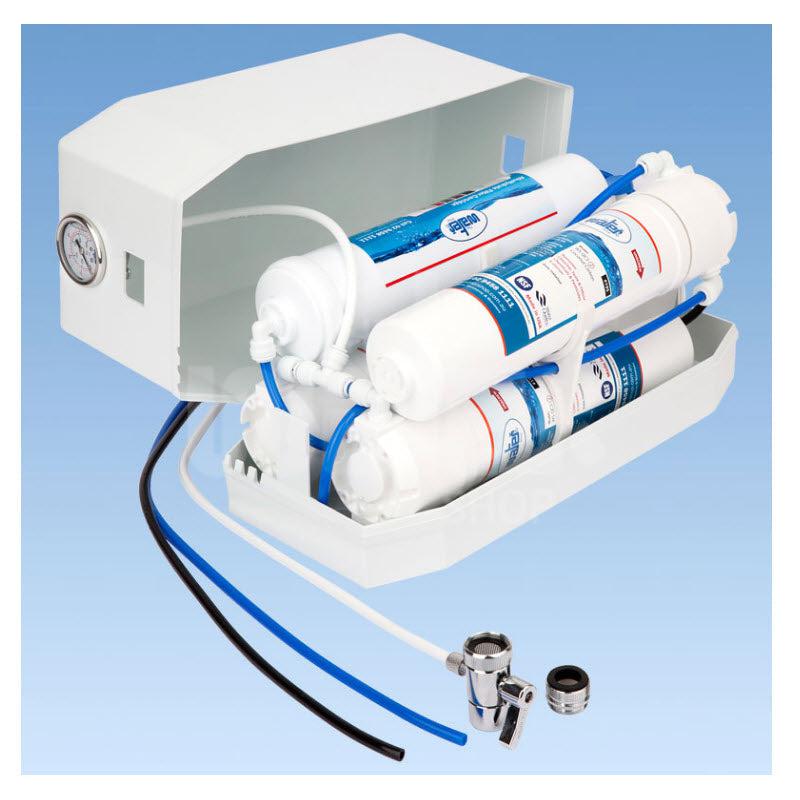
Some households prefer a distiller because it is simple, countertop-friendly and does not need to be plumbed in. Others prefer a reverse osmosis system because it connects under the sink and produces filtered water through a dedicated tap. If you are comparing the two methods, our Reverse Osmosis Guide explains how RO differs from distillation.
If your main goal is a plumbed-in system for reducing dissolved solids, fluoride and a wide range of common contaminants, you may prefer to browse our reverse osmosis water filter systems. If your goal is steam-purified, very low TDS water without plumbing, a distiller is usually the more direct option.
Can You Use Demineralised Water Instead of Distilled Water?
Sometimes, but only when the application allows it. For a steam iron, radiator or certain cleaning uses, demineralised water may be suitable because the main concern is mineral scale. For drinking, CPAP humidifiers or sensitive equipment, you should follow the product manual and use the type of water specifically recommended.
Do not assume that demineralised water is a direct substitute for distilled water in medical, laboratory or drinking applications. The label, manufacturing process and storage conditions all matter.
Not sure which water type suits your household?
For most home drinking setups, the choice is usually between a water distiller and reverse osmosis. You can compare our water distillers with our reverse osmosis systems to decide which option fits your kitchen, budget and water goals.
Frequently Asked Questions
Can I use demineralised water in my CPAP machine?
Use the water type recommended by your CPAP machine manufacturer. Many CPAP manufacturers recommend distilled water because it helps reduce mineral buildup in the humidifier chamber. General-purpose demineralised water is not always the same as distilled water and may not be made for this use.
Is demineralised water the same as deionised water?
They are closely related. Deionised water is water treated through ion exchange resins to remove ions. Demineralised water is a broader term that can include deionisation and other methods that remove dissolved minerals. Neither term automatically means the water has been distilled.
Is distilled water better than demineralised water?
It depends on the use. Distilled water is usually better when you want very low dissolved solids from a steam purification process. Demineralised water may be suitable for appliances or industrial use where mineral removal is the main goal.
Where can I buy a water distiller in Australia?
You can browse our water distiller range for home distillers and steam purifiers with Australia-wide delivery. If you are still comparing options, the Water Distillers Guide linked earlier in this article can help you choose the right setup.
Subscribe
Sign up to get the latest on sales, new releases and more …