

















Maximising Your Water's Potential: Tips on Installing Your Counter Top Reverse Osmosis System
Let's be honest — most of us don't think much about our tap water until something tastes off or we read something that makes us a little uneasy. But the quality of the water you drink every day has a real impact on how you feel. That's exactly why so many Aussie households are making the switch to counter top reverse osmosis systems.
Today we're walking you through everything you need to know — what these systems actually do, how to pick the right one, and how to get it set up without any dramas. Let's get into it.
What is a Counter Top Reverse Osmosis System?
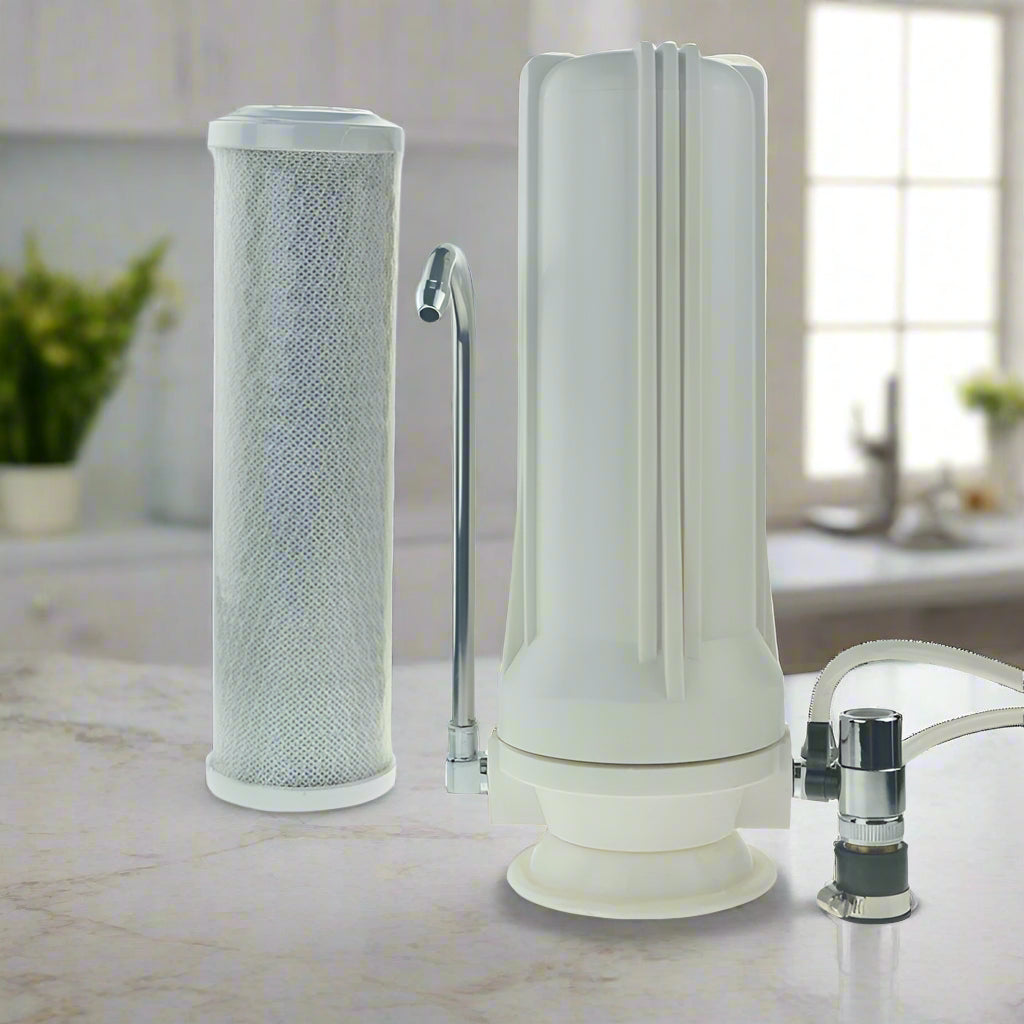
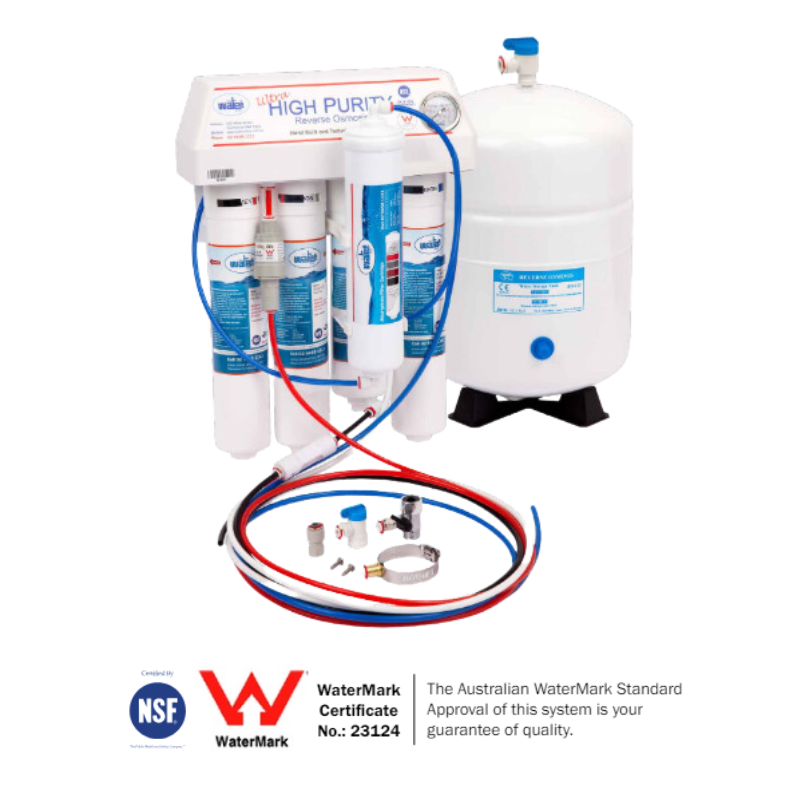
A counter top RO system is a compact, portable water purifier that sits right on your kitchen bench. It connects to your tap and pushes water through a semipermeable membrane, stripping out impurities like chemicals, heavy metals, and bacteria. The result? Cleaner, better-tasting water — without the need for a plumber or any major renovations.
Choosing the Right RO System for Your Home

There are a fair few options out there, so it's worth taking a moment to think about what matters most to you — space, filtration stages, budget, or whether you want minerals added back in. Our honest advice? Don't cut corners on quality. A good system will pay for itself quickly when you stop buying bottled water.
If you want a solid all-rounder, the RO-4000 Benchtop Reverse Osmosis Water Filter System with American Alkaline is a great place to start — it's efficient, easy to use, and adds beneficial minerals back into your water. For something more compact and portable, the RO-3000 Benchtop Reverse Osmosis Portable Alkaline Filtered Water Unit is a popular choice for smaller kitchens and renters.
Getting Ready for Installation
Before you start, make sure you've got everything on hand:
- Your RO system
- The instruction manual (seriously, read it!)
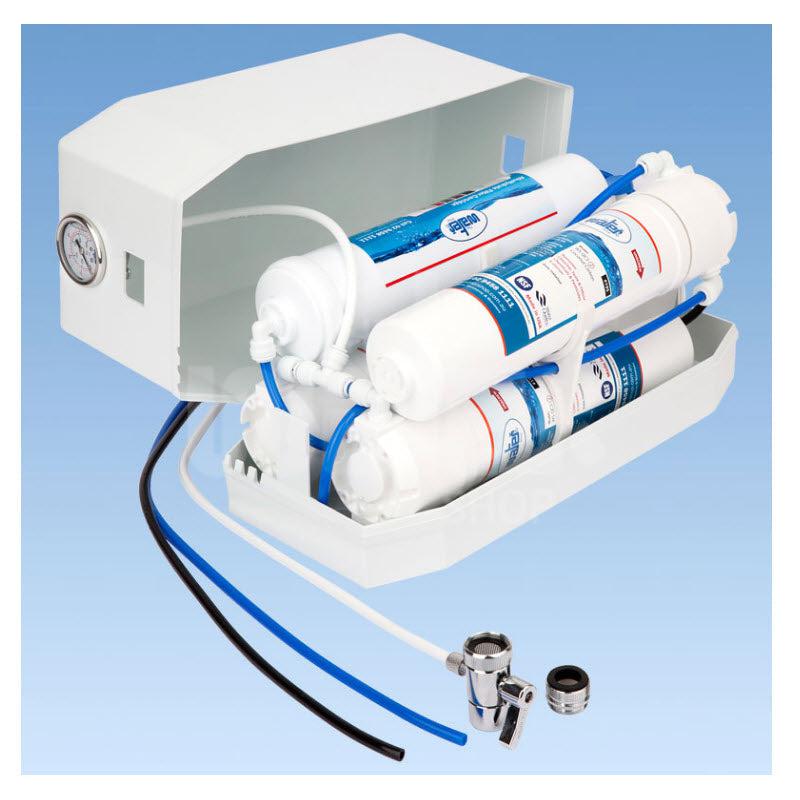
- Faucet and drain clamps
- Tubes and connectors (usually included)
Installation Process

Every system is a little different, but here's the general process to give you a feel for what's involved:
Step 1: Position the system. Find a stable spot on your bench where it's easy to access. The RO-3000 is a great example of a system designed to fit neatly without taking over your whole kitchen.
Step 2: Connect to the faucet. Use the diverter valve provided to connect the system to your tap. It's usually a straightforward twist-and-click job.
Step 3: Connect to the drain. Attach the drain tube to your sink's drain using the drain clamp — this is where the wastewater exits during filtration.
Step 4: Check for leaks. Turn on the water and inspect every connection. If anything's dripping, tighten it up and check again.
Step 5: Flush the system. Run the system for a few hours initially and discard that first batch of filtered water. This clears out the membrane and filters so you're starting fresh.
Step 6: Enjoy. That's it — clean, purified water straight from your bench.
Always follow the specific instructions that come with your system. The steps above are a general guide, not a substitute for your manual.
Maintenance Tips

The good news is that RO systems are pretty low-fuss once they're up and running. Here's what to keep on top of:
- Check the system periodically for any leaks or wear
- Replace pre-filters every 6–12 months depending on your water quality
- Disinfect the system at least once a year
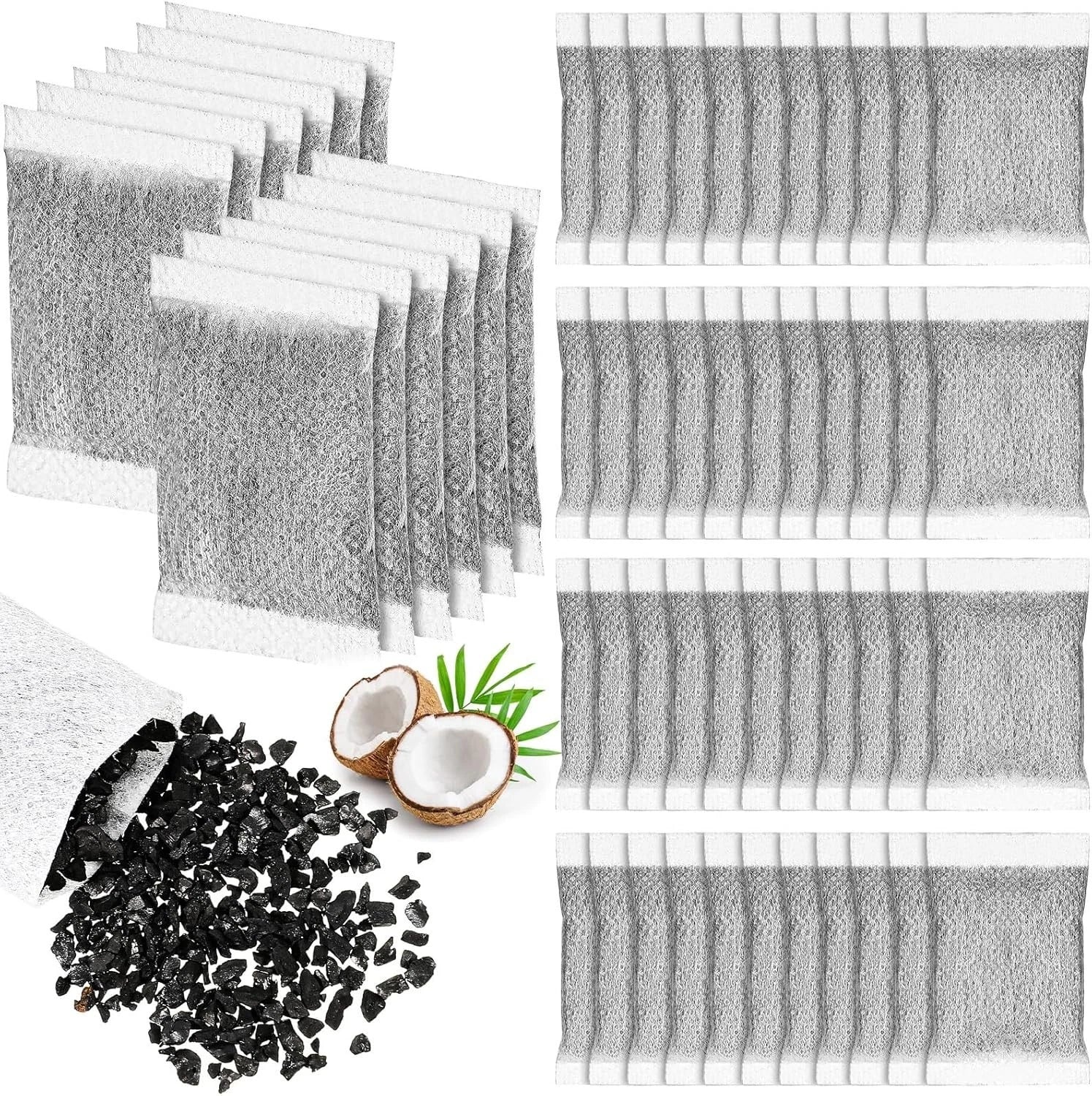
When it's time for a filter change, the RO K-Series Cartridge Pack is the go-to replacement set for most countertop RO systems. And when the membrane needs replacing (usually every 2–3 years), the Global 75 TFC Residential RO Membrane is a reliable, Australian-suited option.
Benefits of Using a Counter Top RO System
Still on the fence? Here's what you're actually getting:
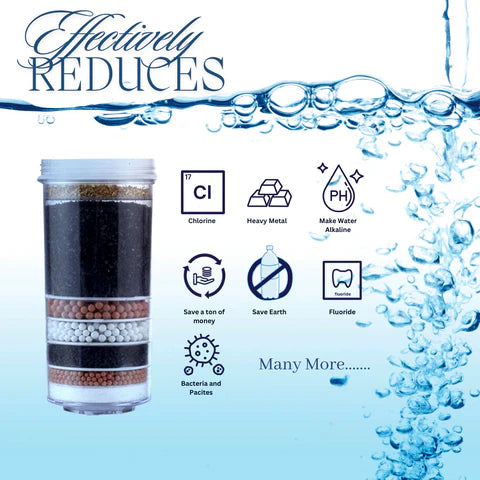
- Cleaner water — removes up to 99% of dissolved solids, chlorine, fluoride, and other nasties
- Better taste — once the impurities are gone, the difference is noticeable
- Real cost savings — no more buying cases of bottled water every week
- Better for the planet — less plastic waste, full stop
- Flexibility — counter top systems are portable, so you can take them with you if you move
Frequently Asked Questions
1. How does a counter top reverse osmosis system work?
It pushes water through a semipermeable membrane under pressure, which filters out impurities. The clean water comes out one side, and the contaminants are flushed out through a separate waste line.
2. How often do I need to replace the filters?
Pre-filters generally need replacing every 6–12 months, while the RO membrane itself can last 2–3 years. It depends on your water quality and how much you use the system — always check the manufacturer's recommendations.
3. Can I install it myself?
Yep, most counter top RO systems are designed for DIY installation and come with clear instructions. If you're not confident, there's no shame in getting a hand — but most people manage it just fine on their own.
4. Will it remove beneficial minerals?
The RO process does filter out some minerals along with the bad stuff. That's why systems like the RO-4000 with American Alkaline include a remineralisation stage — so you get pure water that's also nutritionally balanced.
5. Will it take up too much bench space?
Counter top RO systems are designed to be compact. Most sit comfortably on a standard kitchen bench without getting in the way.
6. Does it waste water?
All RO systems produce some wastewater as part of the filtration process, but modern systems have come a long way in minimising this. You can also repurpose the wastewater for plants or cleaning.
Wrapping Up
Getting a counter top RO system set up is one of those home upgrades that just makes sense — better water, less plastic, and real savings over time. Once it's in, you'll wonder how you went without it.
If you're ready to take the plunge, check out our full range of counter top reverse osmosis systems and find the one that fits your home and budget..
Further Reading
- Myths & Facts: Debunking Misconceptions about Counter Top Reverse Osmosis
- Clean Water at Your Fingertips: A Review of Counter Top Reverse Osmosis Products
- Investing in Your Health: The Science Behind Counter Top Reverse Osmosis
- How Counter Top Reverse Osmosis Is Changing the Water Filtration Game
- Exploring the Benefits of Counter Top Reverse Osmosis Systems
- The Future of Drinking Water: Uncovering the Power of Counter Top Reverse Osmosis
- Elevate Your Hydration: A Comprehensive Guide to Counter Top Reverse Osmosis
- Revolutionise Your Water Quality with Counter Top Reverse Osmosis
- Counter Top Reverse Osmosis: A Step-By-Step Guide for Maintenance and Care