

Water Filters & Purifiers

What Is the pH of Distilled Water and Tap Water? A Practical Australian Guide

September 19, 2021 3 min read

What Is the pH of Distilled Water and Tap Water?

pH measures how acidic or alkaline a liquid is on a scale of 0 to 14. Pure water sits at exactly 7.0 — perfectly neutral. In practice, both distilled water and tap water sit either side of that number, and understanding why matters if you're making decisions about your home or office drinking water.

The pH of Distilled Water

Freshly distilled water has a theoretical pH of 7.0 — but in reality it almost always measures lower, typically between 5.5 and 6.9. Here's why.

The moment distilled water is exposed to air, it begins absorbing carbon dioxide (CO₂). That CO₂ dissolves into the water and forms carbonic acid — the same weak acid responsible for acid rain. The reaction looks like this:

CO₂ + H₂O → H₂CO₃ (carbonic acid) → HCO₃⁻ + H⁺

The released hydrogen ions (H⁺) lower the pH below 7. This is not a contamination problem — it's a natural chemical reaction. The water is still pure. But it does mean distilled water is mildly acidic by the time you drink it.

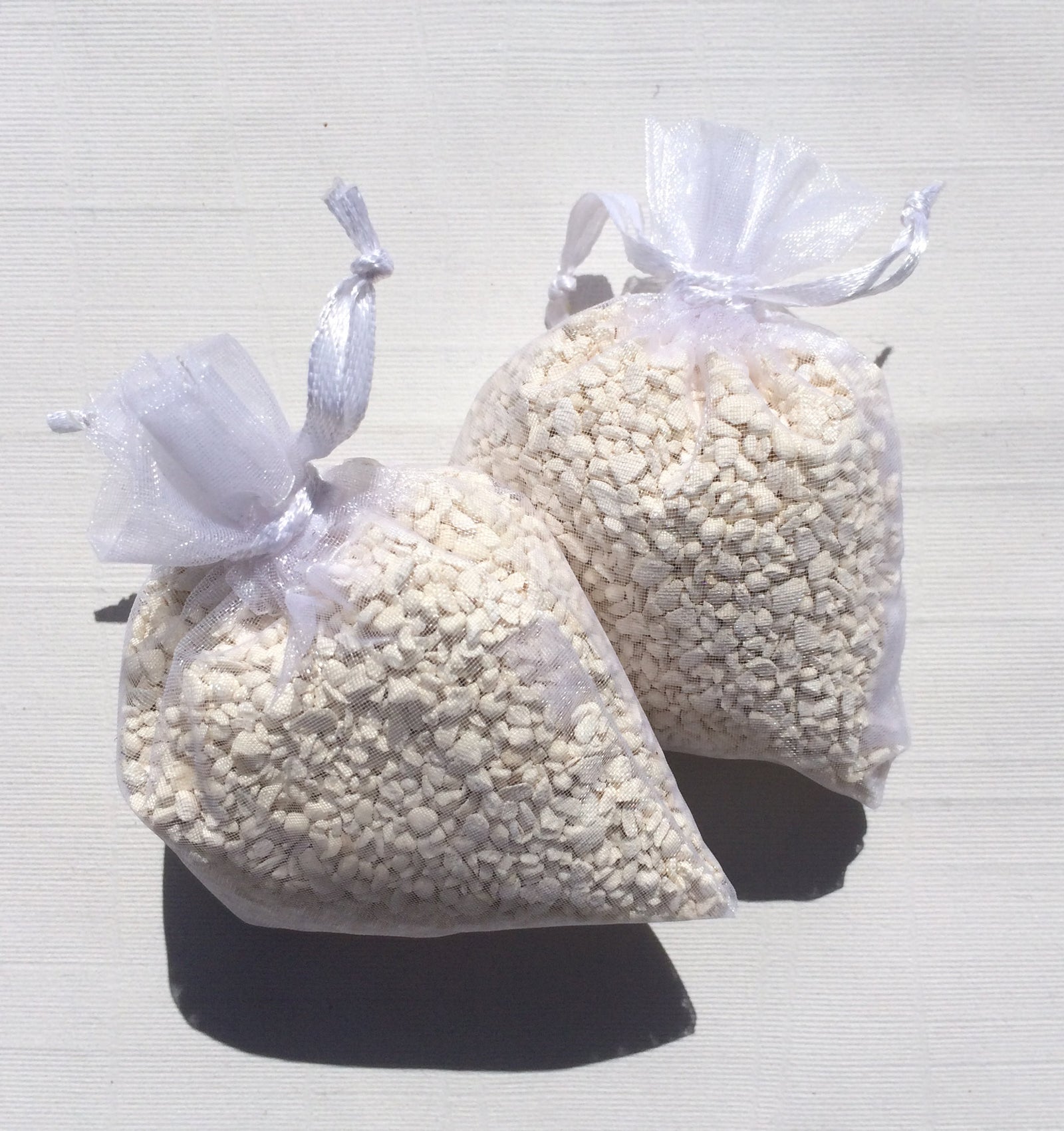
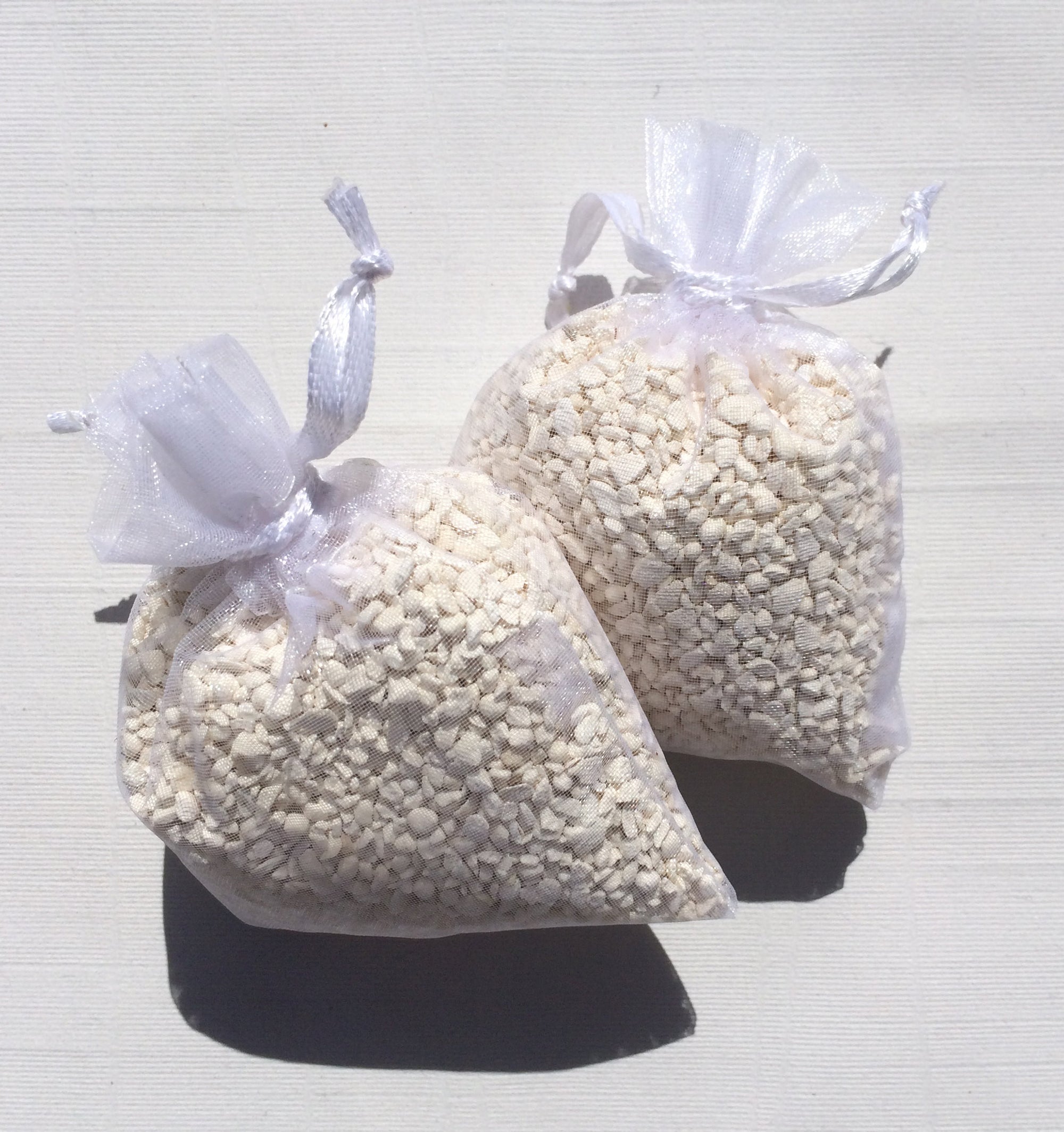
If you want to raise the pH of distilled water for drinking, adding magnesium prill beads or Maifan mineral stones will naturally restore alkalinity and add beneficial minerals. Browse our water distillers if you're considering distillation at home.

The pH of Tap Water in Australia

Australian tap water is regulated under the Australian Drinking Water Guidelines (ADWG), which recommend a pH range of 6.5 to 8.5 for safe drinking water. Most metropolitan water supplies target a pH of 7.0 to 8.0 at the treatment plant.

However, pH can shift as water travels through distribution pipes and household plumbing. Factors that affect tap water pH include:

  • Pipe material and age (older copper or lead pipes can lower pH)
  • Local geology and source water chemistry
  • Seasonal variation in rainfall and catchment runoff
  • Chlorination and other treatment chemicals

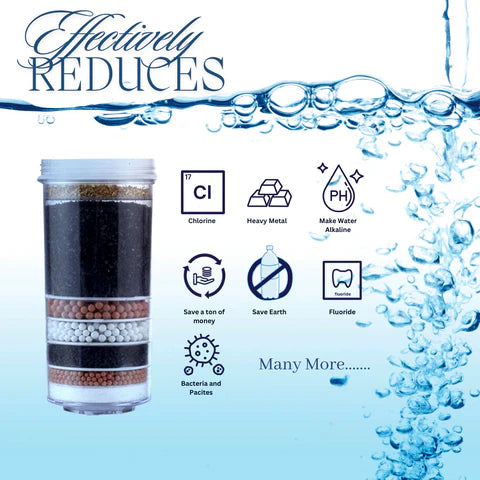
If your tap water tastes metallic, has an unusual odour, or you're concerned about pipe corrosion, filtering your tap water is the most practical first step. Our under-sink water filters and benchtop water filters remove chlorine, sediment, heavy metals and other contaminants while retaining beneficial minerals.

pH Comparison: Distilled vs Tap vs Filtered Water

Water Type Typical pH Range Notes
Distilled water (fresh) 5.5 – 6.9 Drops due to CO₂ absorption
Australian tap water 6.5 – 8.5 Varies by location and season
Reverse osmosis water 5.0 – 7.0 Similar to distilled; remineralise for drinking
8-stage KDF filtered water 7.0 – 8.5 Mineral stages raise pH naturally
Alkaline water 8.0 – 9.5 Ionised or mineral-enriched

What Happens When pH Is Too Low or Too High?

Low pH (Acidic Water — Below 6.5)

  • Can corrode copper and lead pipes, leaching metals into your water
  • May cause a metallic or sour taste
  • More likely to be associated with contamination
  • Can damage hot water systems and appliances over time

High pH (Alkaline Water — Above 8.5)

  • Can cause scale buildup in pipes and appliances
  • May taste bitter or leave residue on fixtures
  • Not inherently dangerous, but worth monitoring
  • Some people seek mildly alkaline water (pH 8–9) for perceived health benefits — evidence is limited but ongoing

How to Improve the pH of Your Drinking Water

If you're concerned about the pH of your tap or filtered water, here are practical options:

Frequently Asked Questions

What is the ideal pH for drinking water?

The Australian Drinking Water Guidelines recommend a pH of 6.5 to 8.5. Most health authorities consider water in the 7.0 to 8.0 range optimal for daily drinking.

Why does distilled water have a low pH?

Distilled water absorbs CO₂ from the air as soon as it's exposed, forming carbonic acid and lowering the pH below 7. This is a natural process, not a sign of contamination.

Is alkaline water better for you?

The evidence for specific health benefits of alkaline water is limited. For most people, well-filtered water in the 7.0–8.5 pH range is perfectly adequate. If you have specific health concerns, consult your GP.

How do I test the pH of my tap water?

pH test strips or a digital pH meter are the easiest options for home testing. Both are widely available online and from laboratory supply stores.

For more water quality questions, visit our Awesome Water Filters FAQ or browse our full range of Awesome Water Filters for home and office.

```html
```