Pure Water Made Simple: The Benchtop Alkaline Purifier Guide
Access to clean, safe drinking water is the foundation of good health. While there are many ways to filter water, benchtop water purifiers stand out as the ultimate renter-friendly solution.
Requiring no plumbing or electricity, these units deliver premium filtration for offices, apartments, and homes where permanent modifications aren't an option.
How Your Benchtop Alkaline Water Purifier Works
To truly appreciate your benchtop water filter, it helps to understand the science inside. Our multi-stage system uses three distinct technologies to transform tap water into pure, mineral-rich hydration.
1. Activated Carbon Filters
The Toxin Trapper.
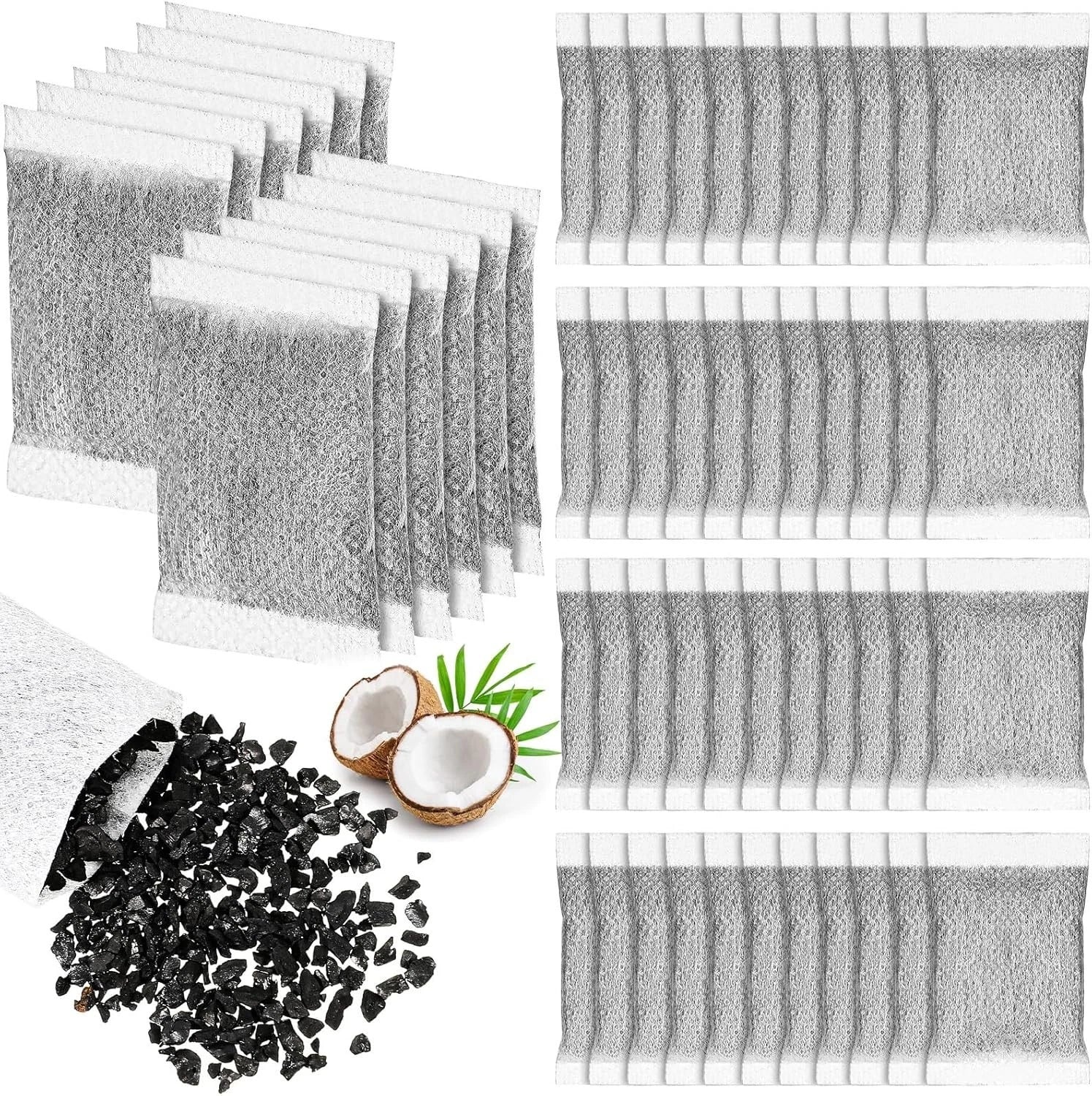
Made from carbon-dense materials like coconut shells, activated carbon filters are incredibly porous. This vast surface area acts like a magnet for contaminants.
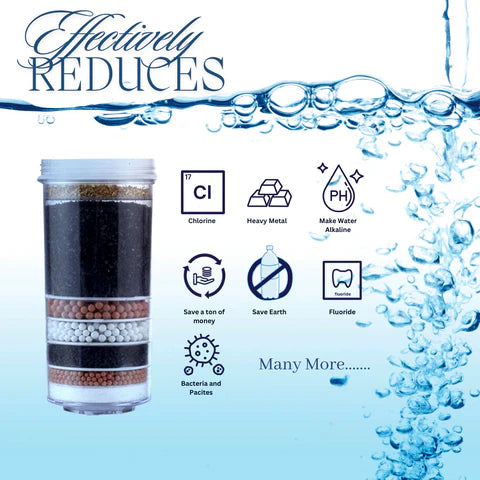
- Removes: Chlorine, pesticides, industrial solvents, and Volatile Organic Compounds (VOCs).
- Improves: Taste and odor, making water crisp and pleasant to drink.
Diagram: How activated carbon traps contaminants.
2. Ceramic Filters
The Bacteria Blocker.
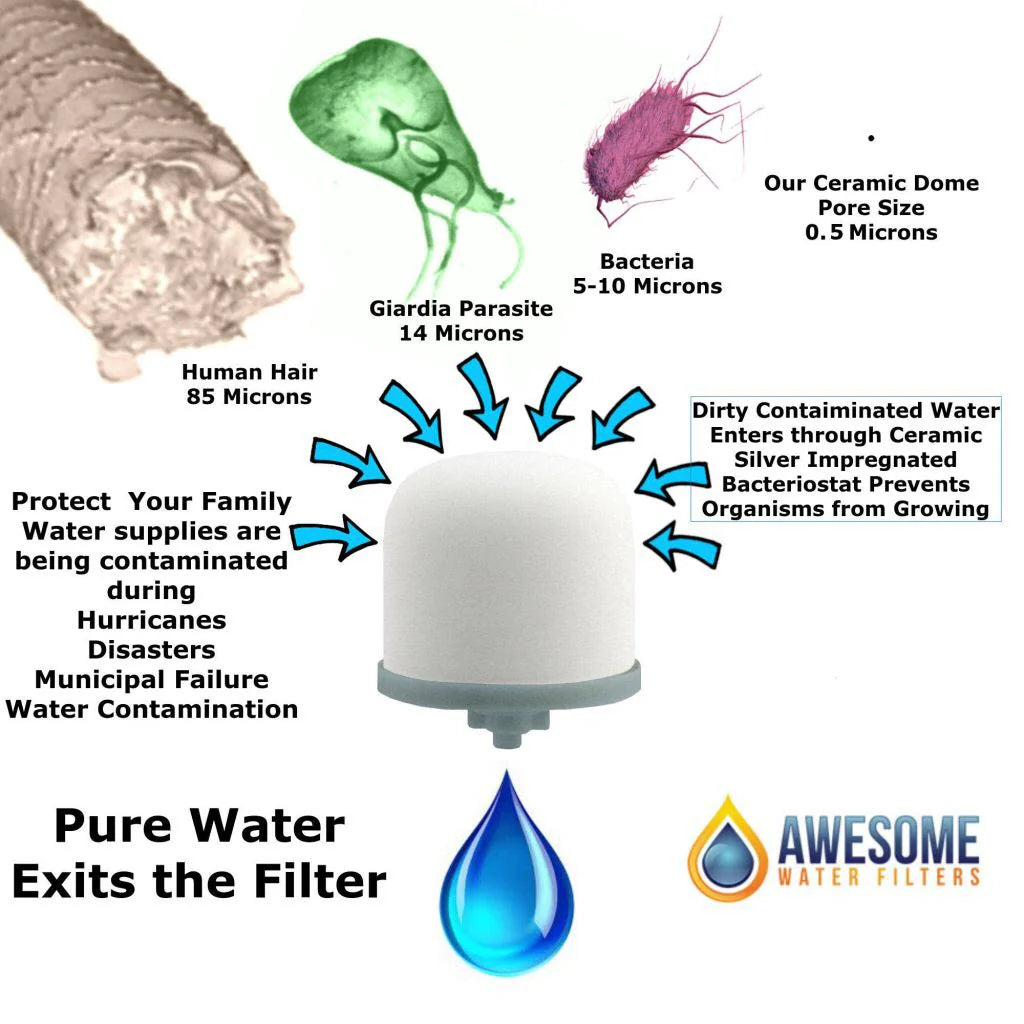
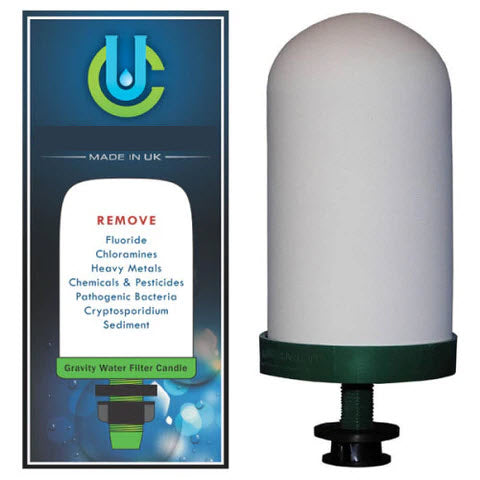
Moulded ceramic provides a physical barrier against microscopic threats. Water is forced through tiny pores that trap pathogens, sediment, and bacteria.
- Filters Out: Protozoa, harmful bacteria, and suspended solids.
- Long-Lasting: Durable and reusable—simply clean the surface to extend its life.
Diagram: Ceramic pores blocking bacteria.
3. Mineral Stones
The Health Booster.
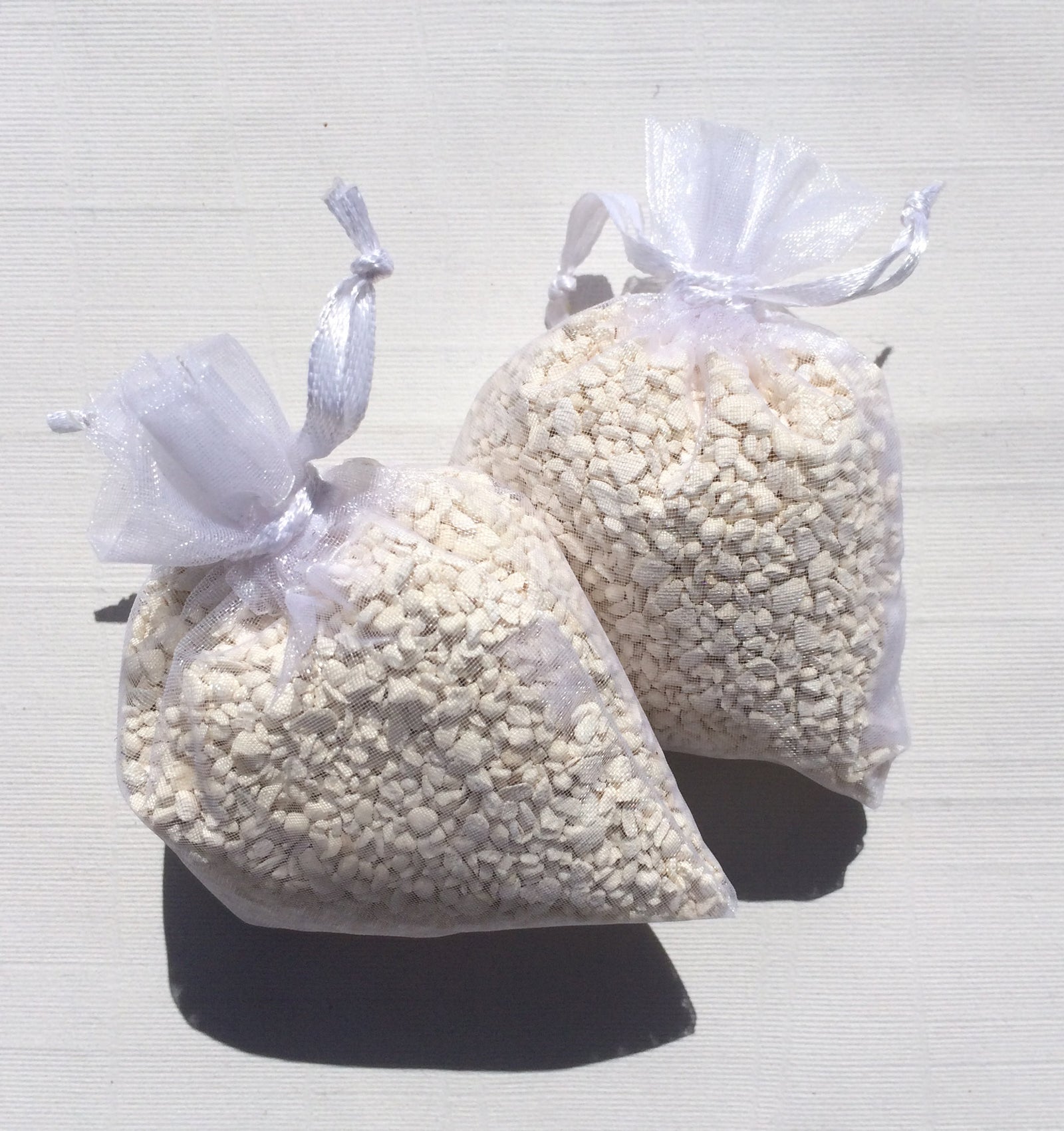
Filtration removes bad stuff, but mineral stones put the good stuff back in. They remineralize your water, ensuring it isn't "empty."
- Adds: Essential Calcium, Magnesium, and Potassium.
- Balances pH: Naturally raises alkalinity to help neutralize acidity in the body.
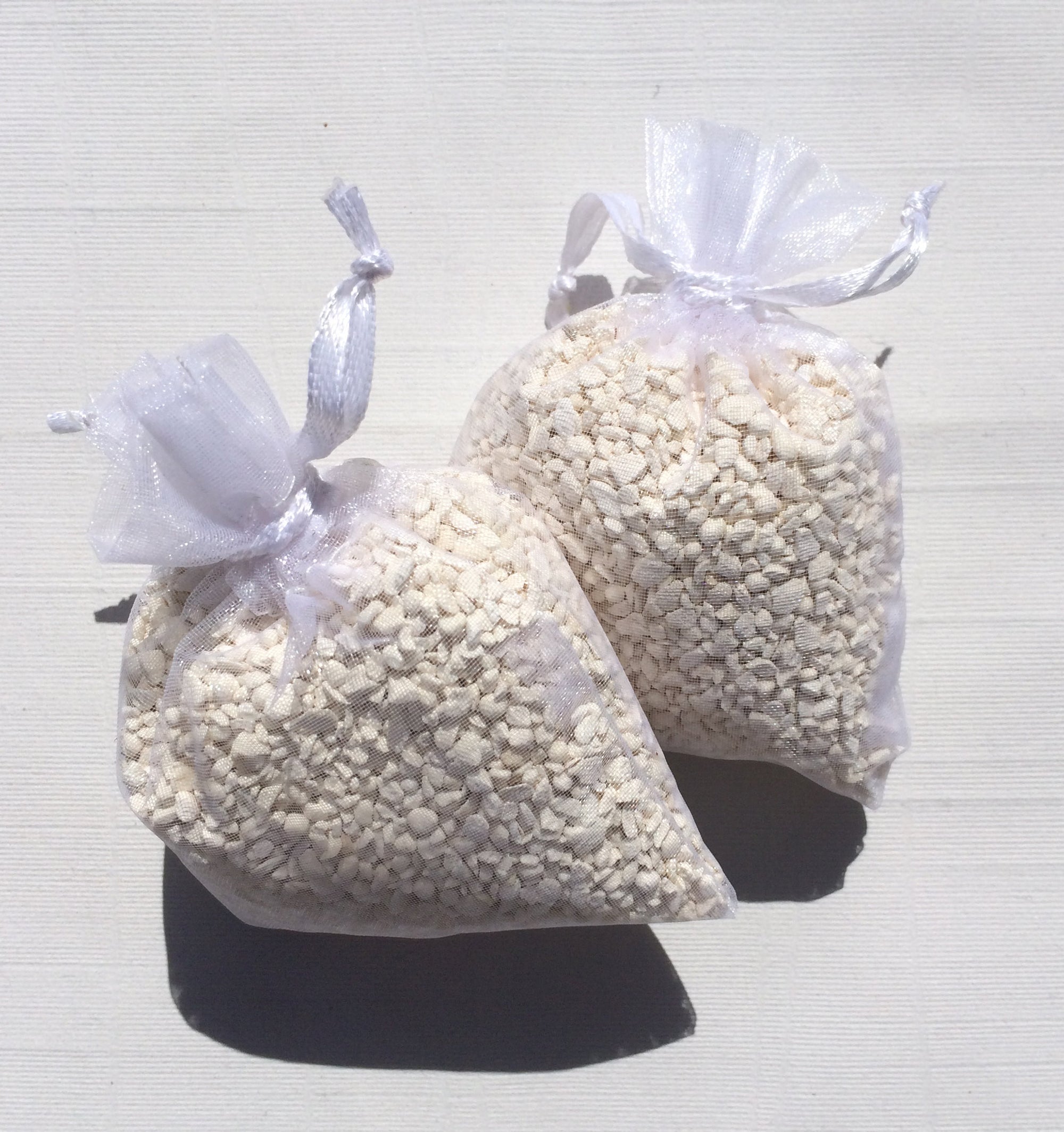
Maifan Stones: The key to alkaline water.
Step-by-Step Setup Guide
Setting up your benchtop purifier is tool-free and takes just minutes. Follow these simple steps:
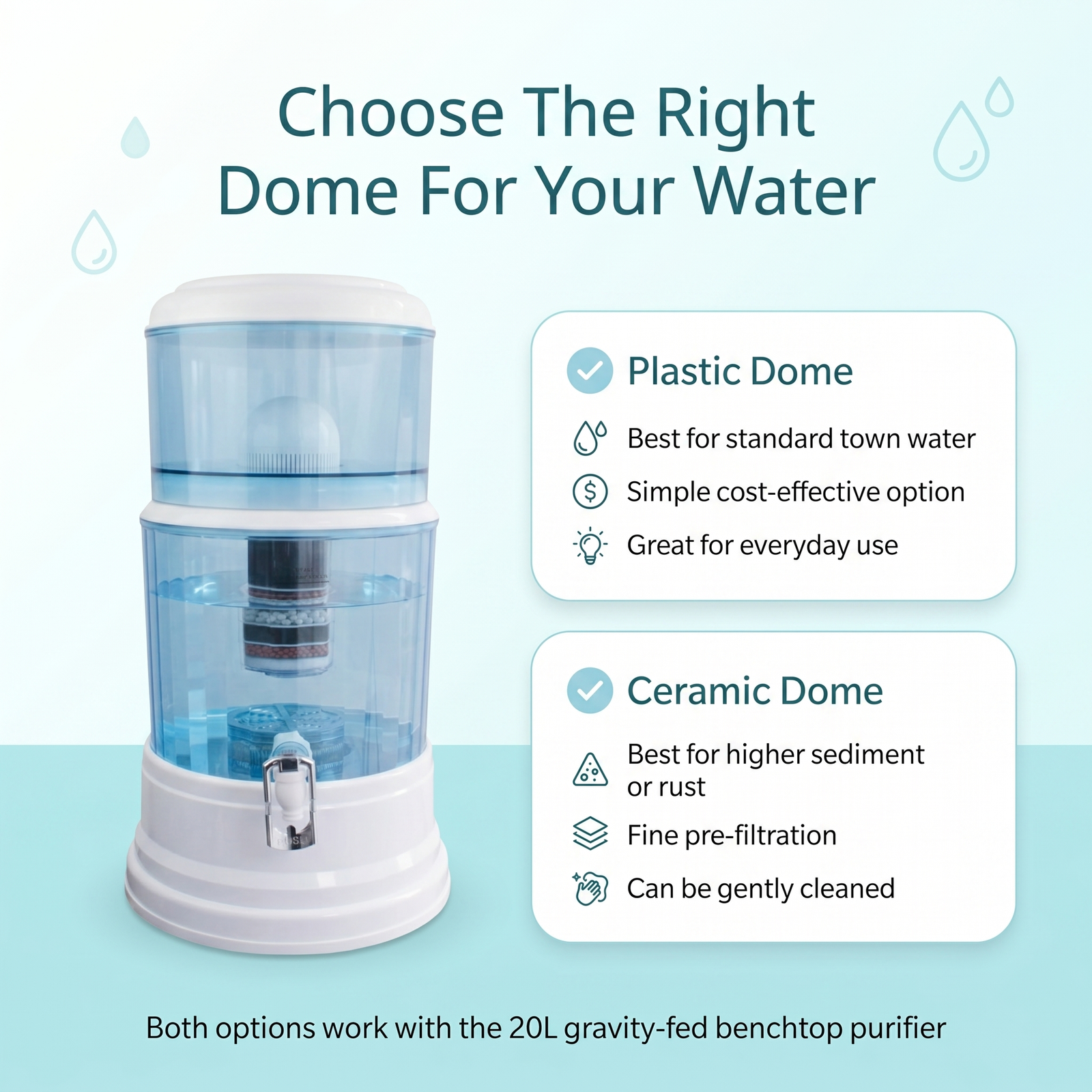
- Prep Filters: Soak your new ceramic and carbon filters in clean water (as per instructions) to activate them and rinse away loose dust.
- Assemble: Place the filters into their designated chambers. Ensure all seals and O-rings are tight to prevent leaks.
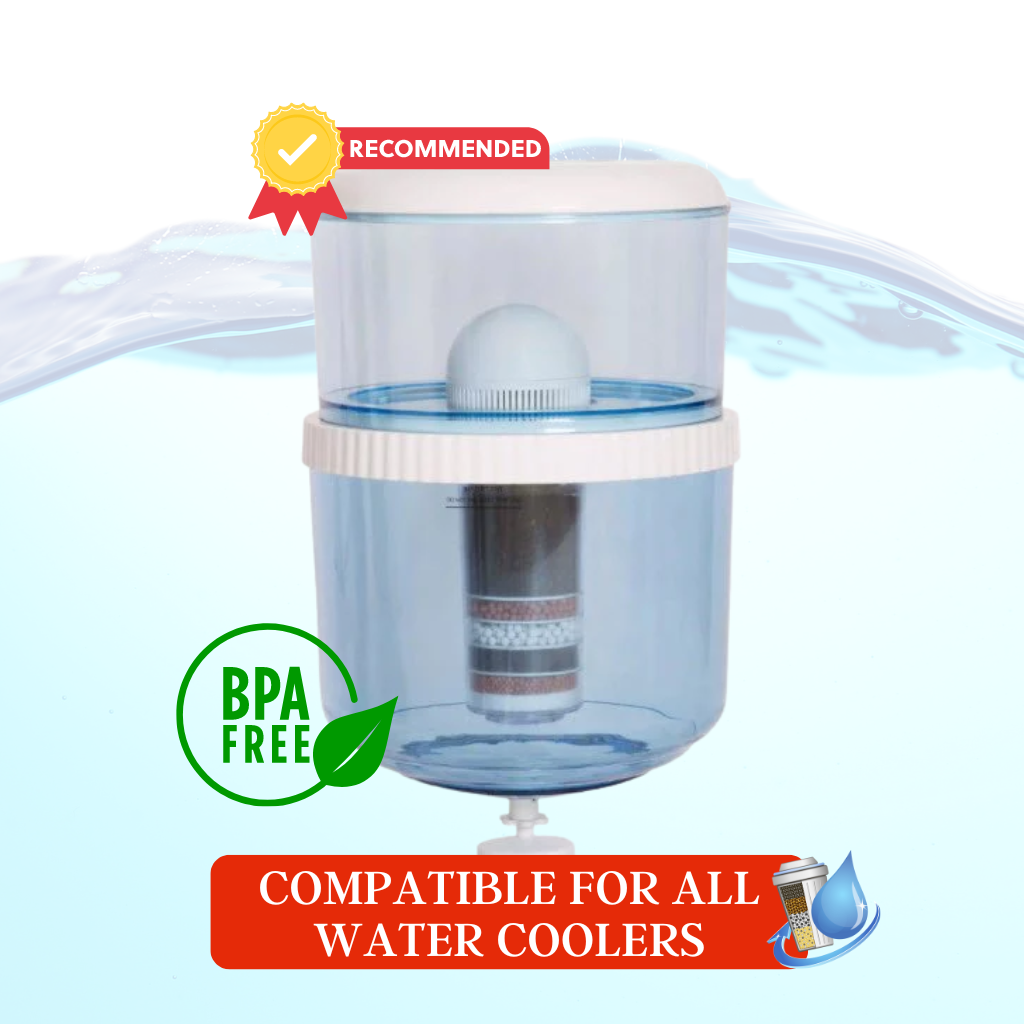
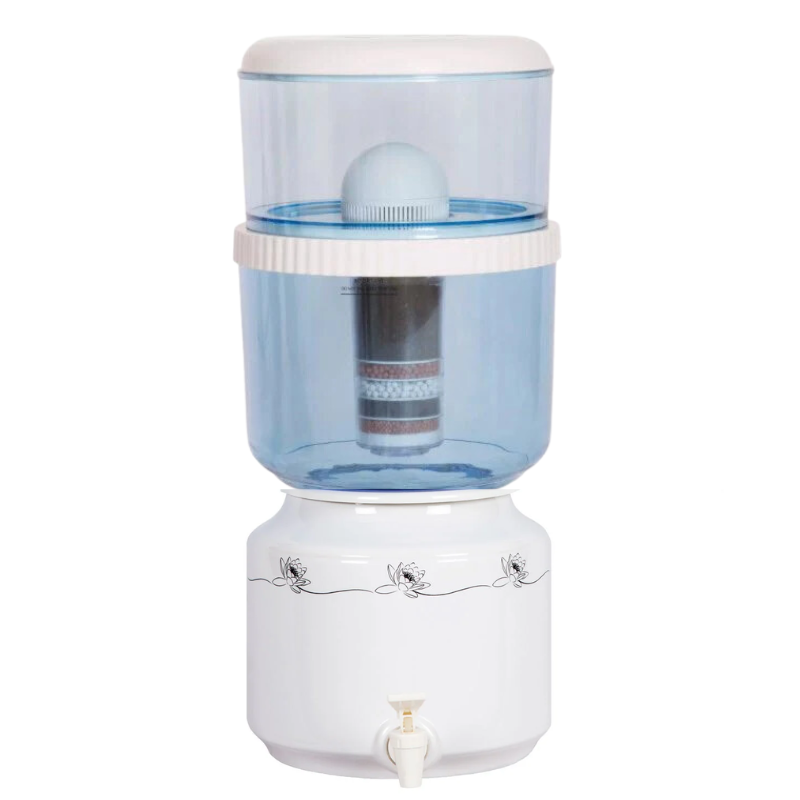
- Fill: Pour tap water into the top reservoir. Gravity will pull it through the filtration system.
- Flush: Discard the first filtered batch to ensure the system is primed and clean.

⚠️ Common Setup Mistakes to Avoid
- Ignoring Filter Lifespan: Mark your calendar! Expired filters can harbor bacteria.
- Loose Seals: If water leaks between chambers, double-check that your filter cartridges are screwed in tightly.
- Neglecting Cleaning: Wash the tanks with mild soap once a month to prevent algae or buildup.

Placement Tips for Small Spaces
- Stability is Key: Ensure the surface is flat and level to prevent tipping.
- Accessibility: Place it where you can easily refill the top tank, but away from high-traffic elbows!
- Sunlight: Avoid direct sunlight to prevent algae growth inside the clear tanks.
Why Choose an 8-Stage Filtration System?
Is "8 stages" overkill? Not when it comes to your health. Each layer targets specific impurities that single-stage filters miss.
- Superior Taste: Removes chlorine odors for water that tastes like a mountain spring.
- Maximum Safety: Targets invisible threats like lead, fluoride, and pesticides.
- Cost-Effective: One unit replaces thousands of plastic bottles, saving you money for years.

Final Thoughts
Go back to basics with benchtop water purification. Investing in a purifier means securing clean, healthy drinking water and peace of mind for your future.