Water Filter Facts: What Most People Don’t Know About Home Filtration
June 29, 20203 min read
Most people know water filters improve taste — but there’s a lot more to understand about how different filter types work and what they actually remove. Here are the key facts.
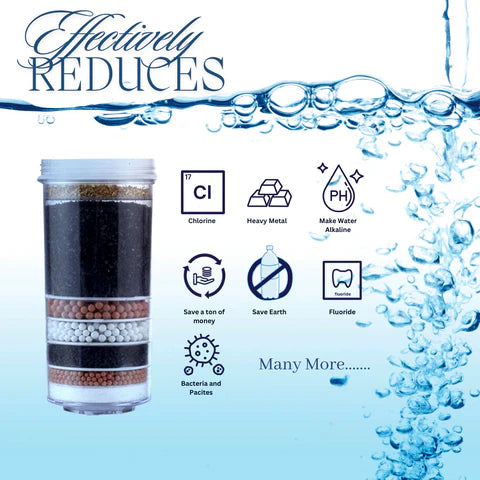
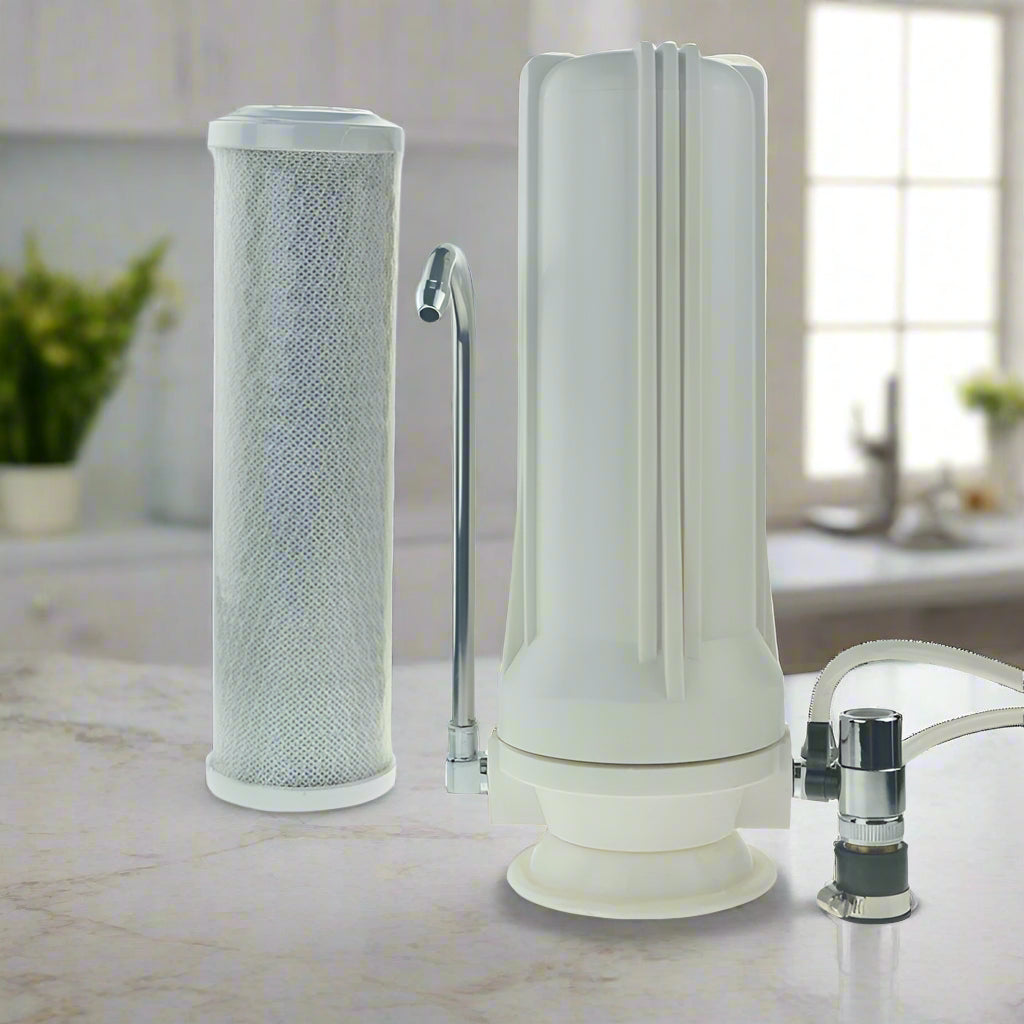
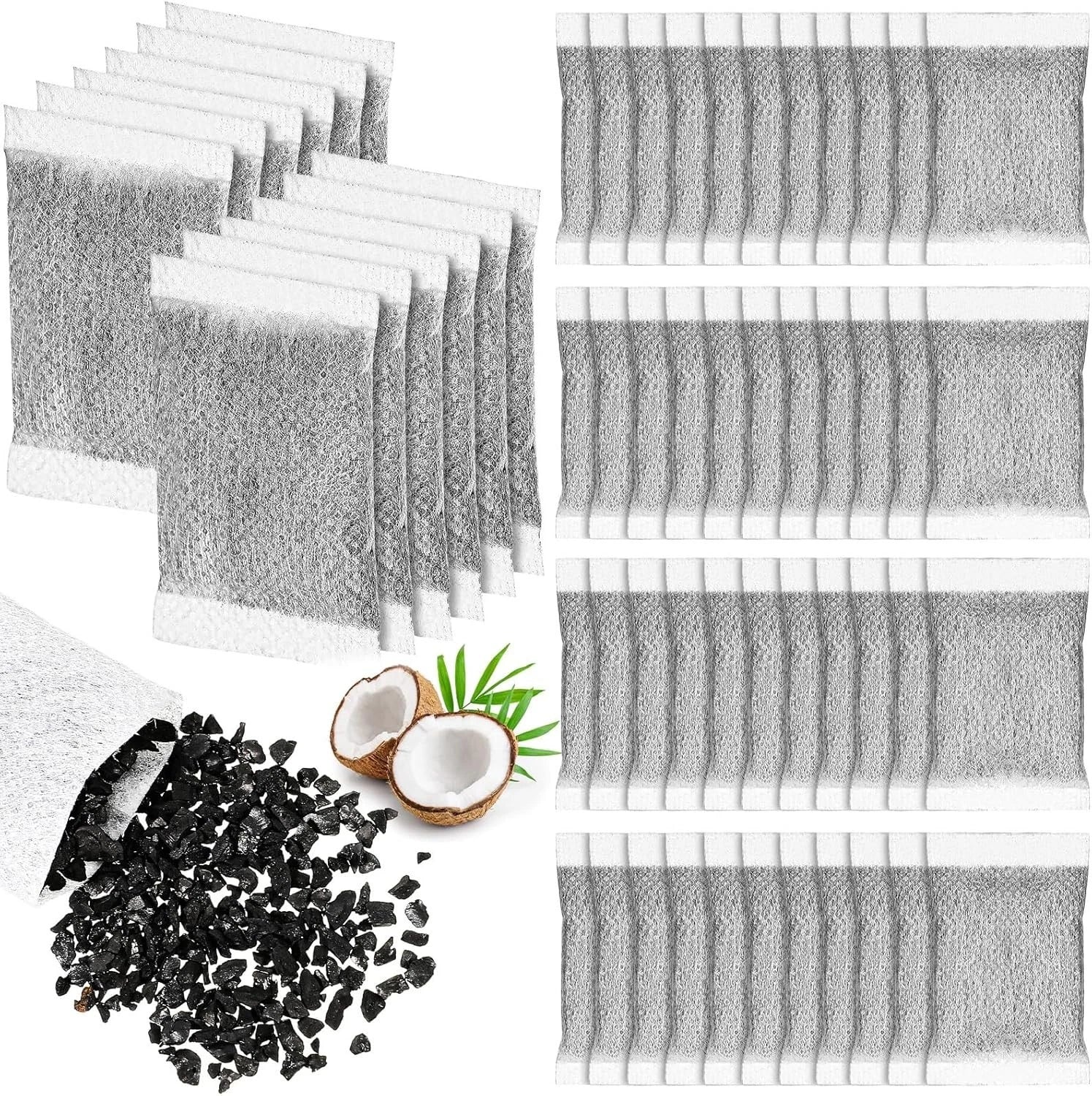
The most widely used filtration media in home filters. Activated carbon removes chlorine, chloramines, VOCs, pesticides, and taste/odour compounds through adsorption — contaminants bond chemically to the carbon surface. It retains beneficial minerals. It does not remove fluoride, bacteria, or nitrates. See our guide: Why Activated Charcoal Water Filters Are Effective. Browse our 8-stage KDF filters.
KDF Media
Kinetic Degradation Fluxion (KDF) media removes heavy metals (lead, mercury, copper) and reduces chlorine through a redox (electrochemical) reaction. Used alongside activated carbon in multi-stage systems for broader contaminant removal. See: How an Activated Carbon Filter Water Purifier Works.
Ceramic Filtration
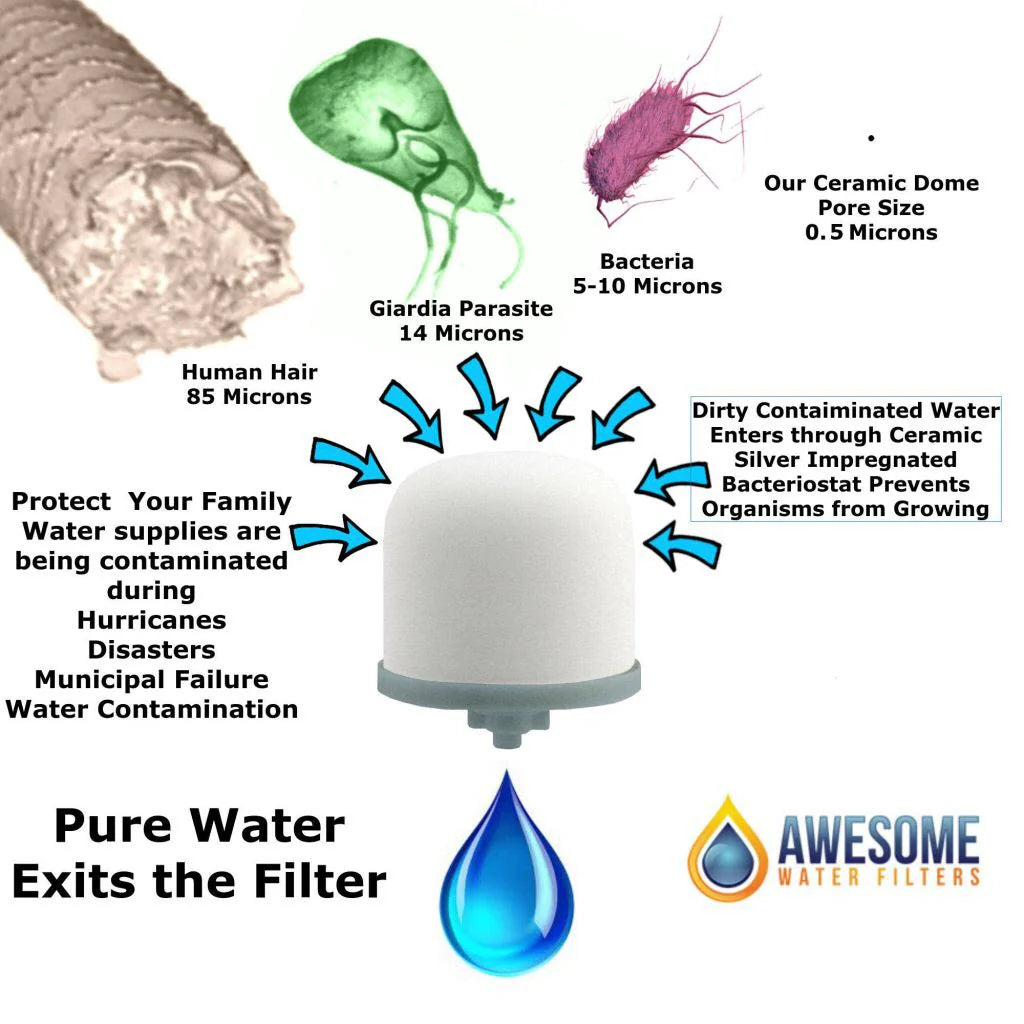
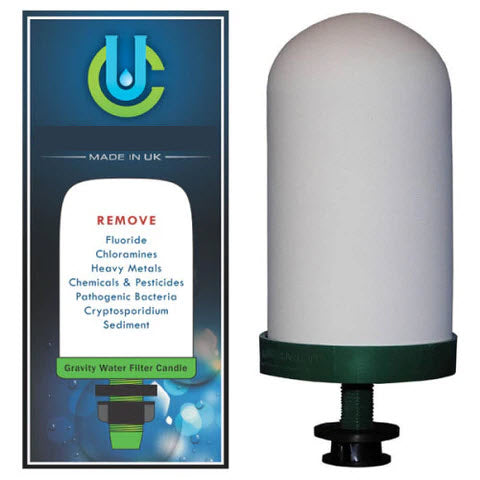
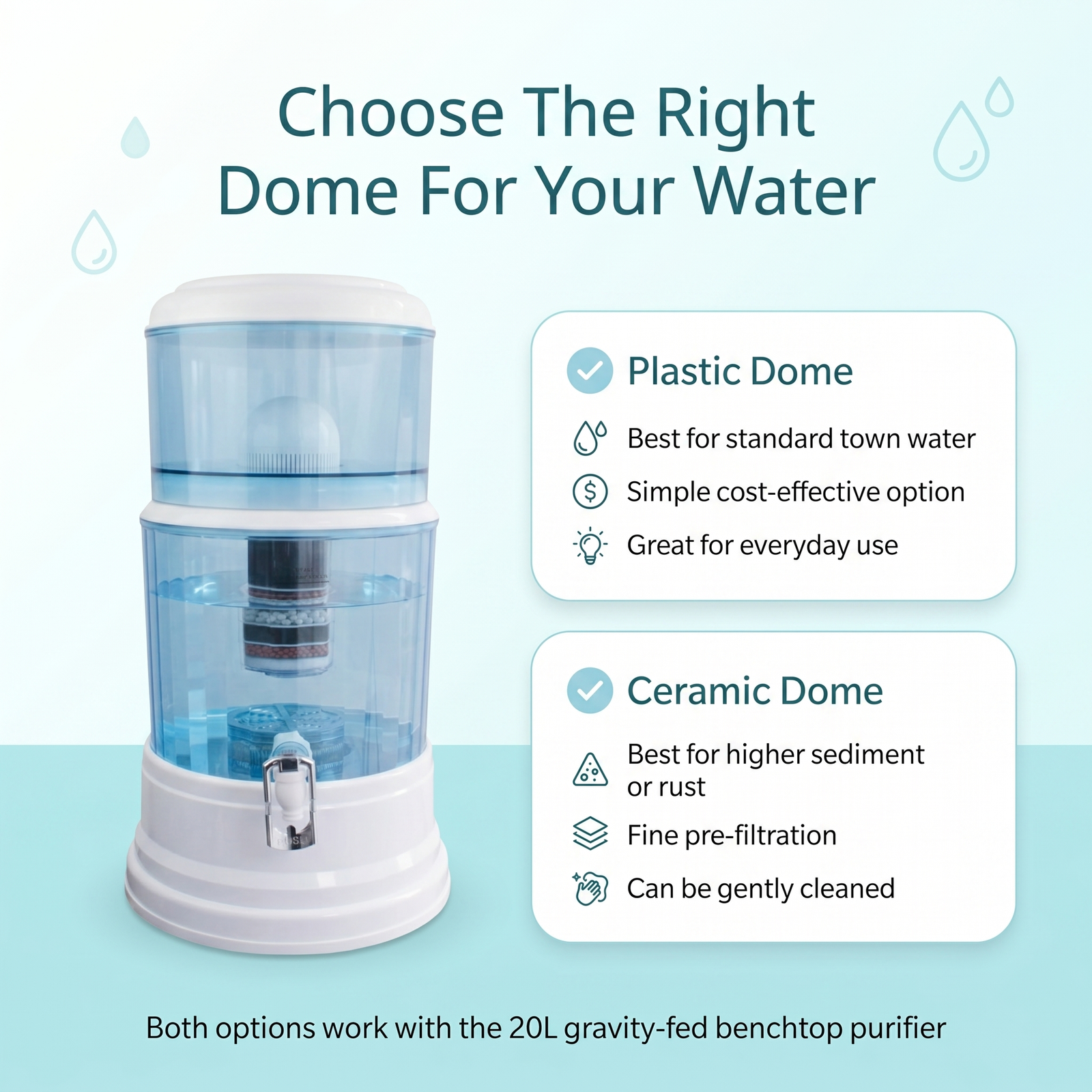
Microporous ceramic filters remove bacteria and protozoa through mechanical filtration — the pores are too small for microorganisms to pass through. When clogged, ceramic filters can be cleaned by backflushing. Often combined with carbon for broader contaminant removal.
Reverse Osmosis
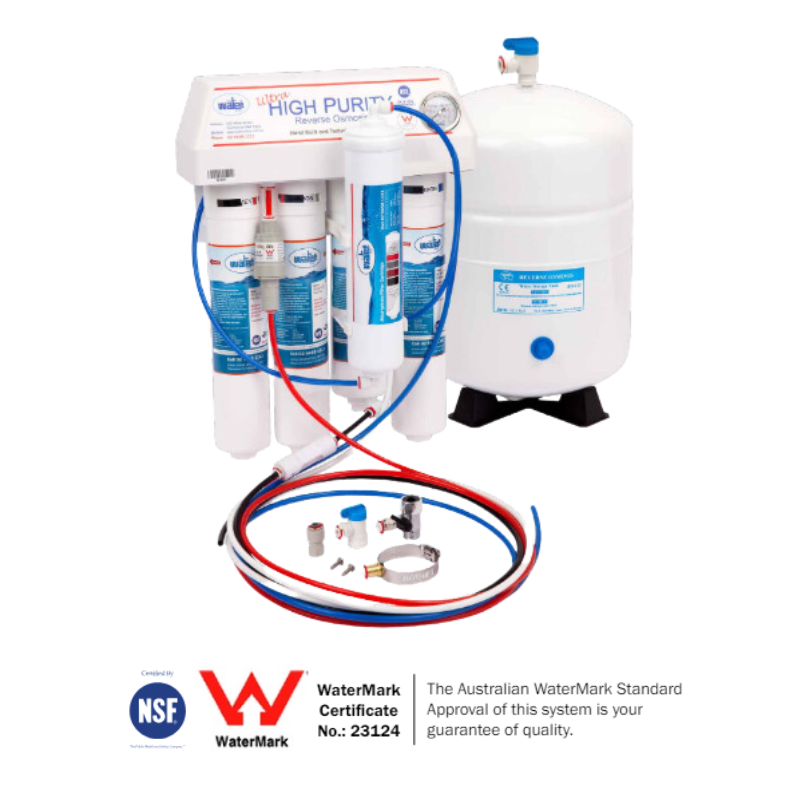
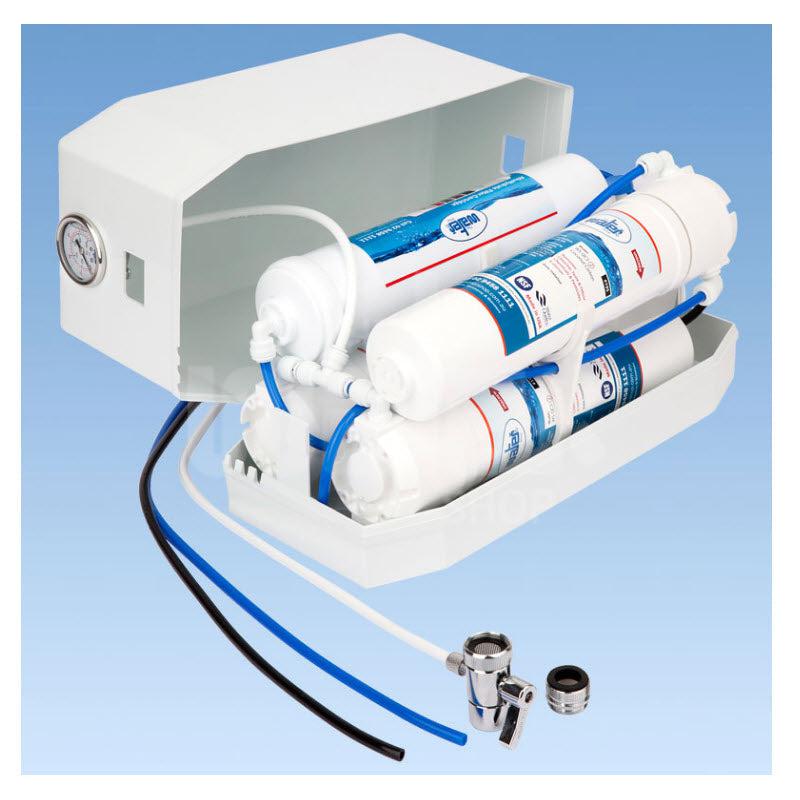
Forces water through a semi-permeable membrane, removing up to 99% of dissolved contaminants including fluoride, heavy metals, bacteria, nitrates, and TDS. Produces very high purity water but generates wastewater (3–4L per 1L filtered) and removes beneficial minerals. Our RO systems include an alkaline remineralisation stage to restore minerals. See: Reverse Osmosis Guide.
Distillation
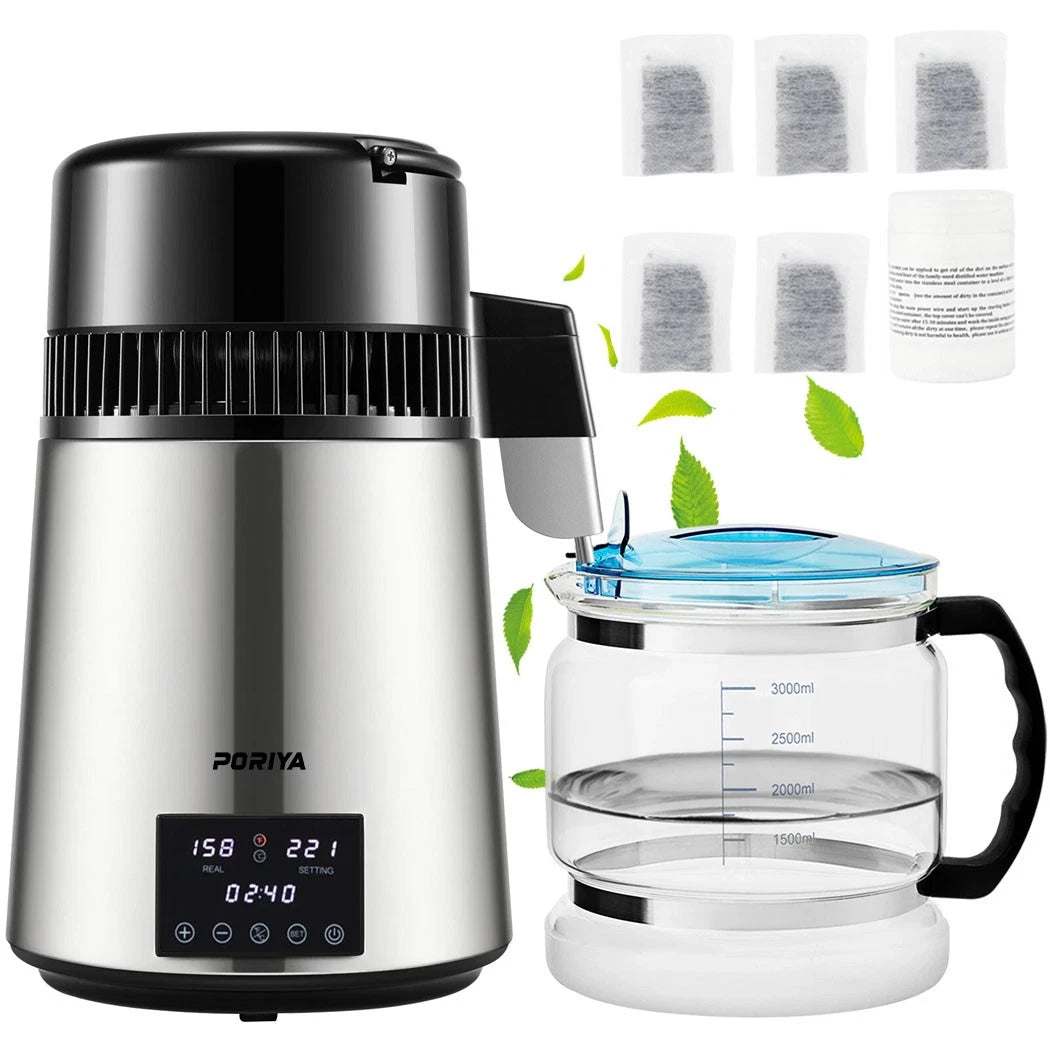
Boils water into steam and condenses it back into liquid, leaving virtually all contaminants behind. Produces very high purity water in batches. No plumbing required. Browse our water distiller range. See: Water Distillers Guide.
UV Sterilisation
Destroys the DNA of bacteria, viruses, and other microorganisms using ultraviolet light. Does not remove chemical contaminants or sediment — must be used after sediment and carbon filtration for best results. Essential for bore and tank water with biological contamination risk.
Key Facts Most People Don’t Know
Not all filters remove fluoride. Standard carbon filters don’t remove fluoride. Only reverse osmosis and distillation do. See: Do Water Filters Remove Fluoride?
Filtered water is not the same as purified water. Purified water meets a specific purity standard (under 10 ppm TDS). Most filtered water retains minerals and has a higher TDS. See: Purified Water vs Filtered Water.
An exhausted filter can be worse than no filter. A heavily fouled cartridge can harbour bacteria and restrict flow. Replace on schedule. See: How Often Should You Change a Water Filter?
Filtered water is cheaper than bottled water. A quality home filter costs a fraction of a cent per litre vs $1–3+ for bottled water. See: Is Filtered Water the Same as Bottled Water?
Whole house filters don’t replace drinking water filters. A whole house carbon filter removes chlorine from all water but doesn’t provide the same purity as an under-sink RO system for drinking. See: Whole House Filter vs Reverse Osmosis.
Where to Install a Water Filter in Your Home
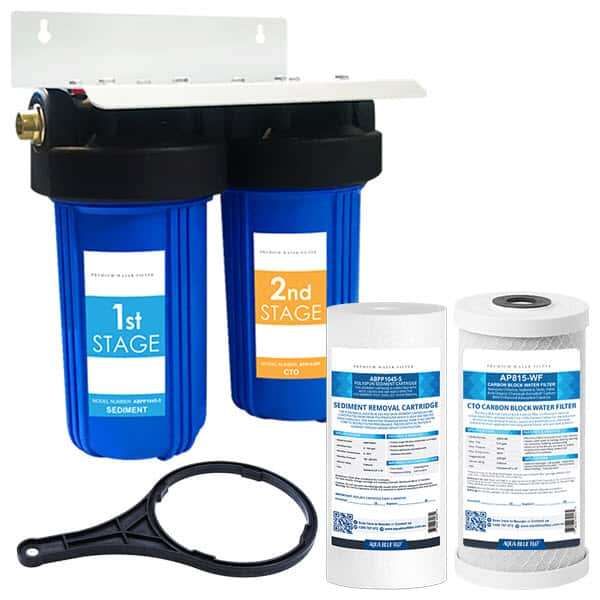
Whole house (point of entry): filters all water entering the home — every tap, shower, appliance. See: Whole House Water Filters Guide.
Ceramic filters and reverse osmosis remove bacteria. Standard carbon filters do not reliably remove bacteria. For bore or tank water with a biological contamination risk, use a ceramic or UV stage in addition to carbon filtration.
Is filtered water better than tap water in Australia?
Yes — filtered water removes chlorine, heavy metals, and other compounds that affect taste and quality. Australian tap water is safe to drink, but filtering genuinely improves it. See: Is Filtered Water Better Than Tap Water?
Subscribe
Sign up to get the latest on sales, new releases and more …