

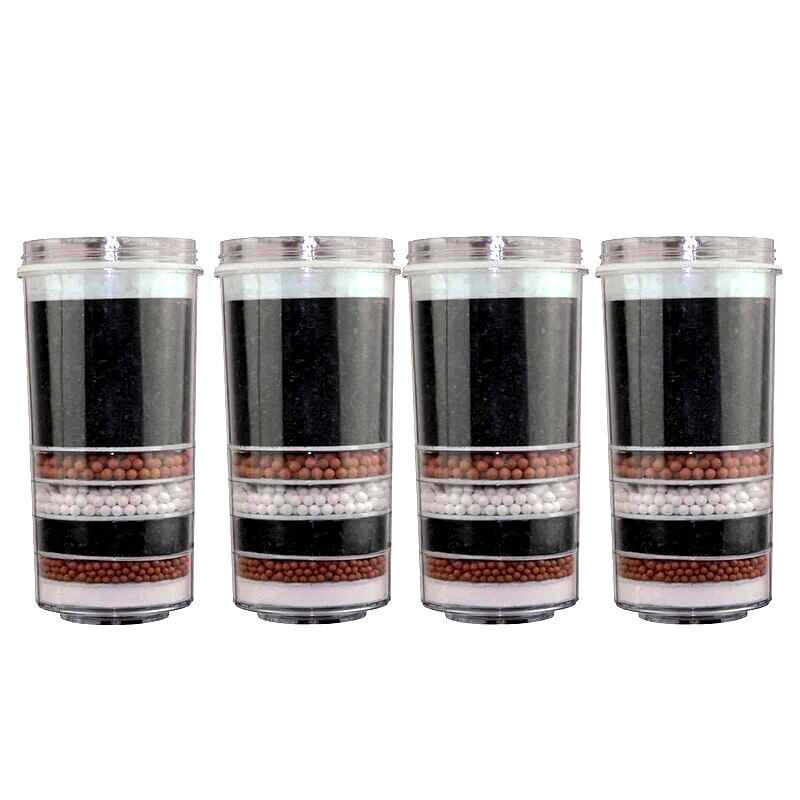
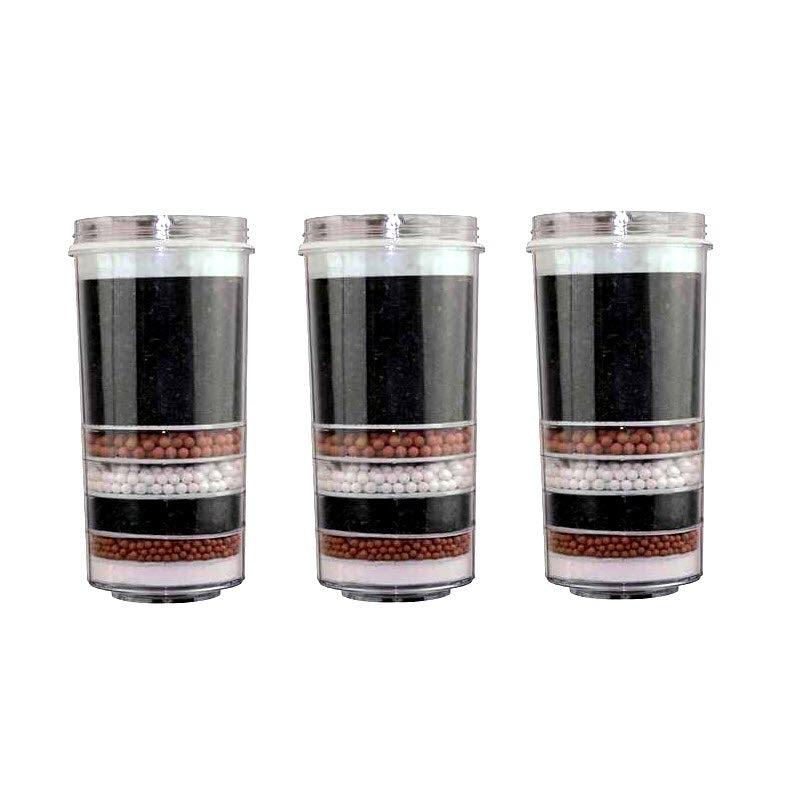
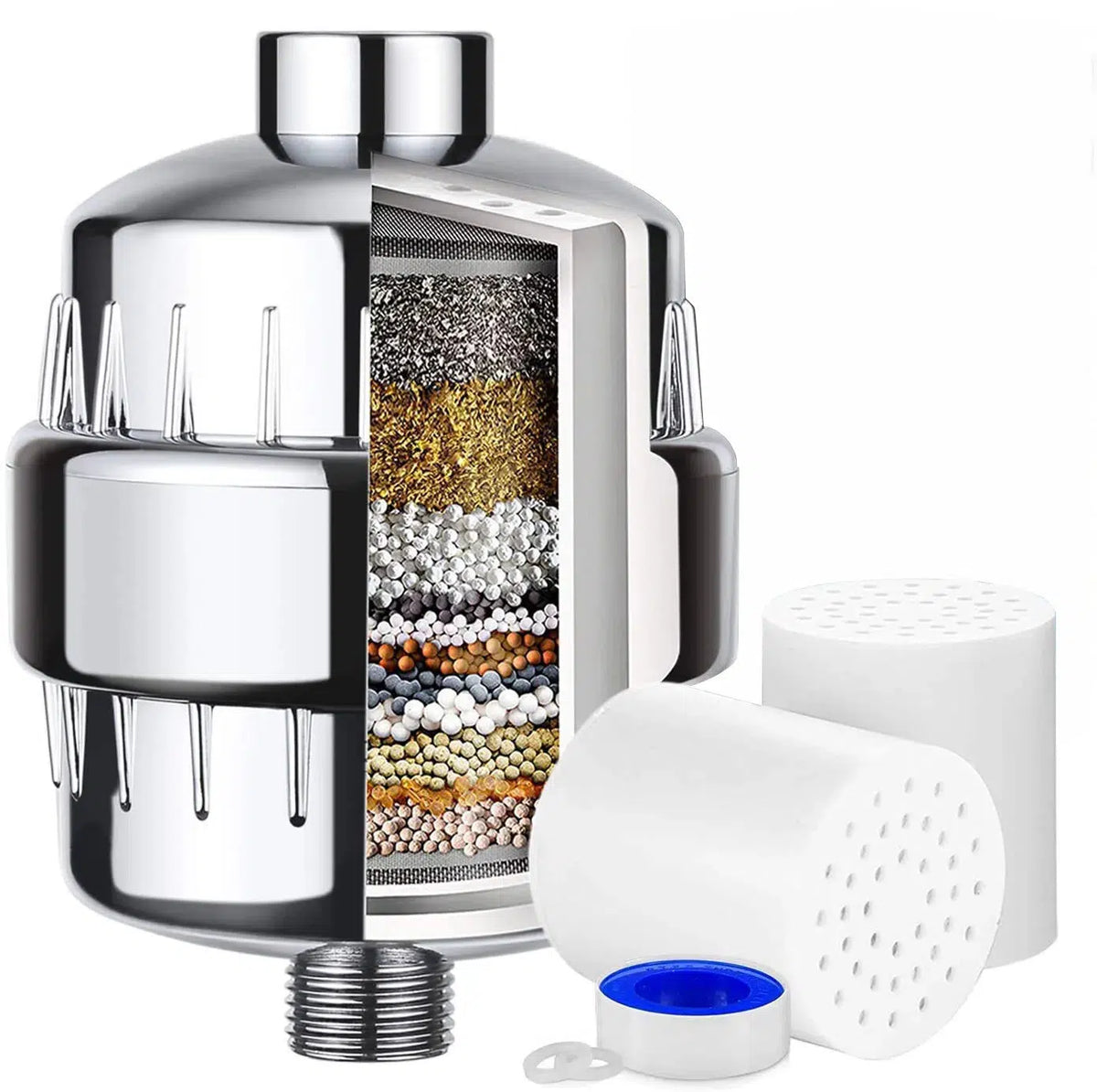
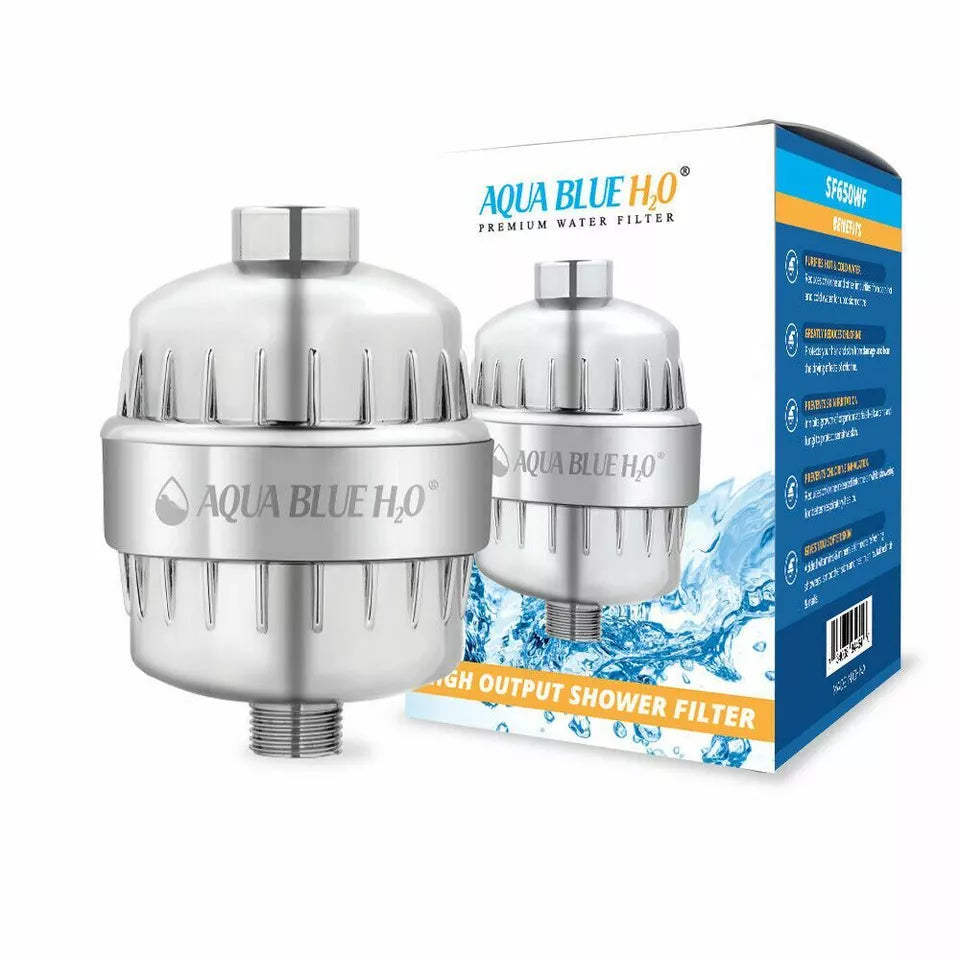
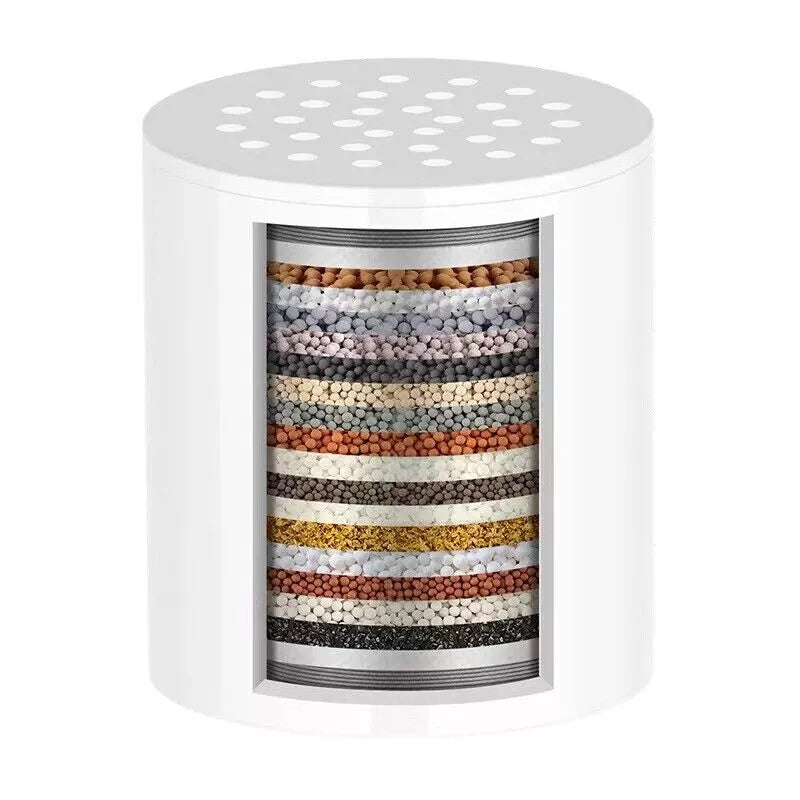
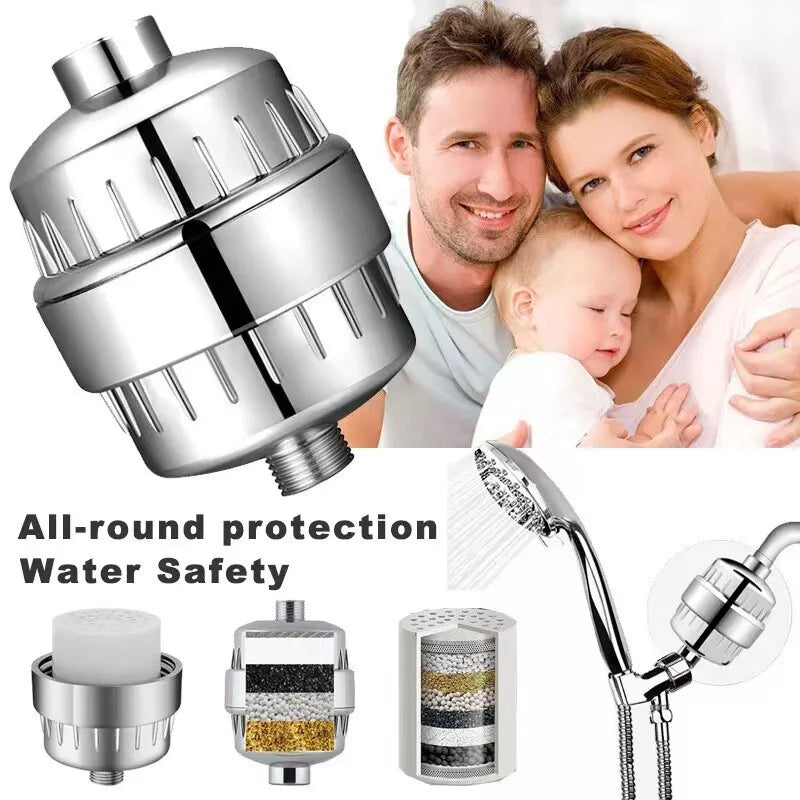


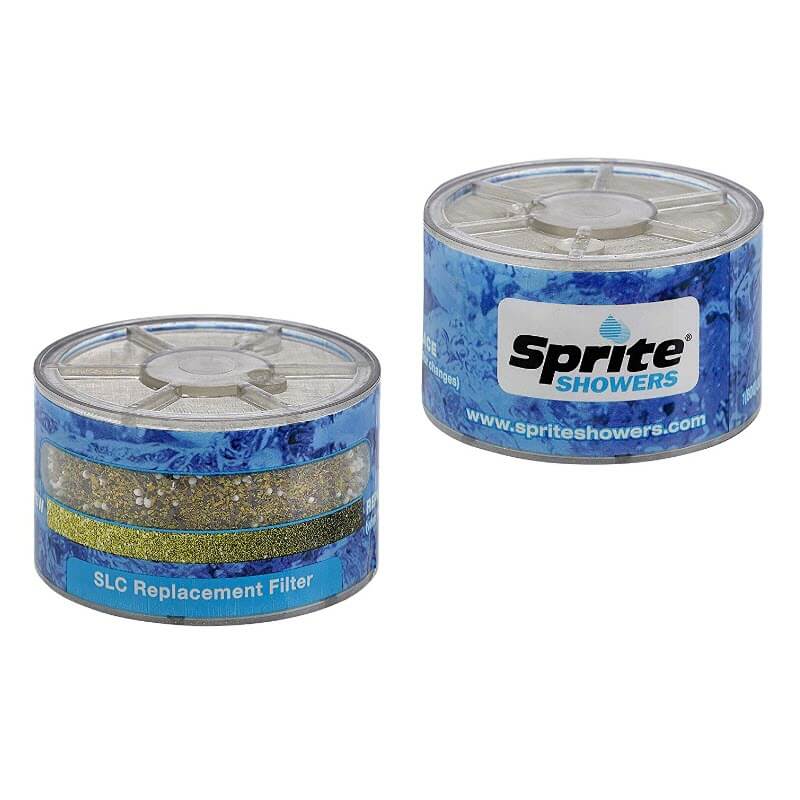
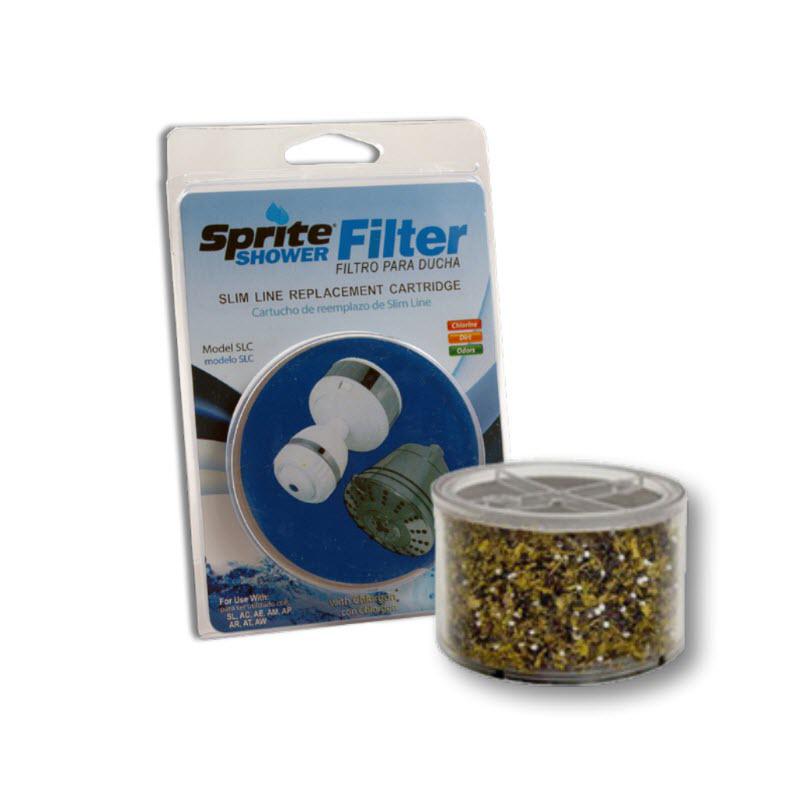
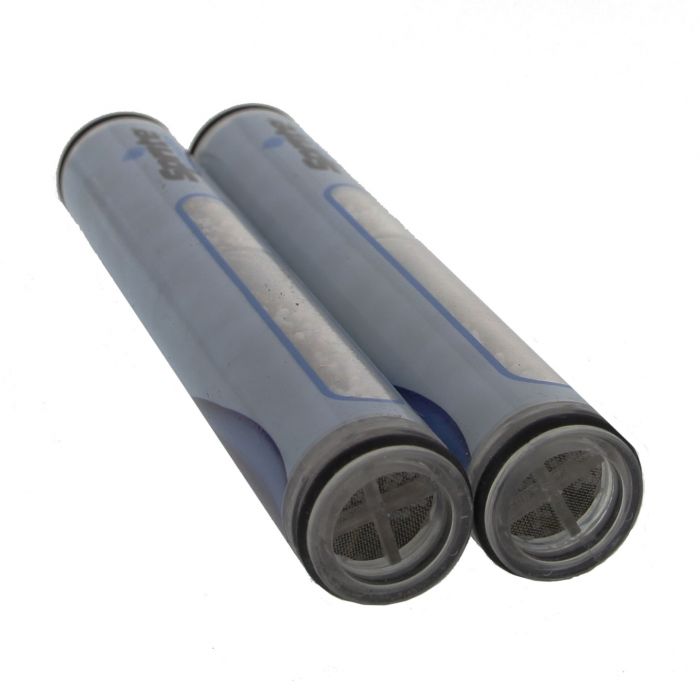
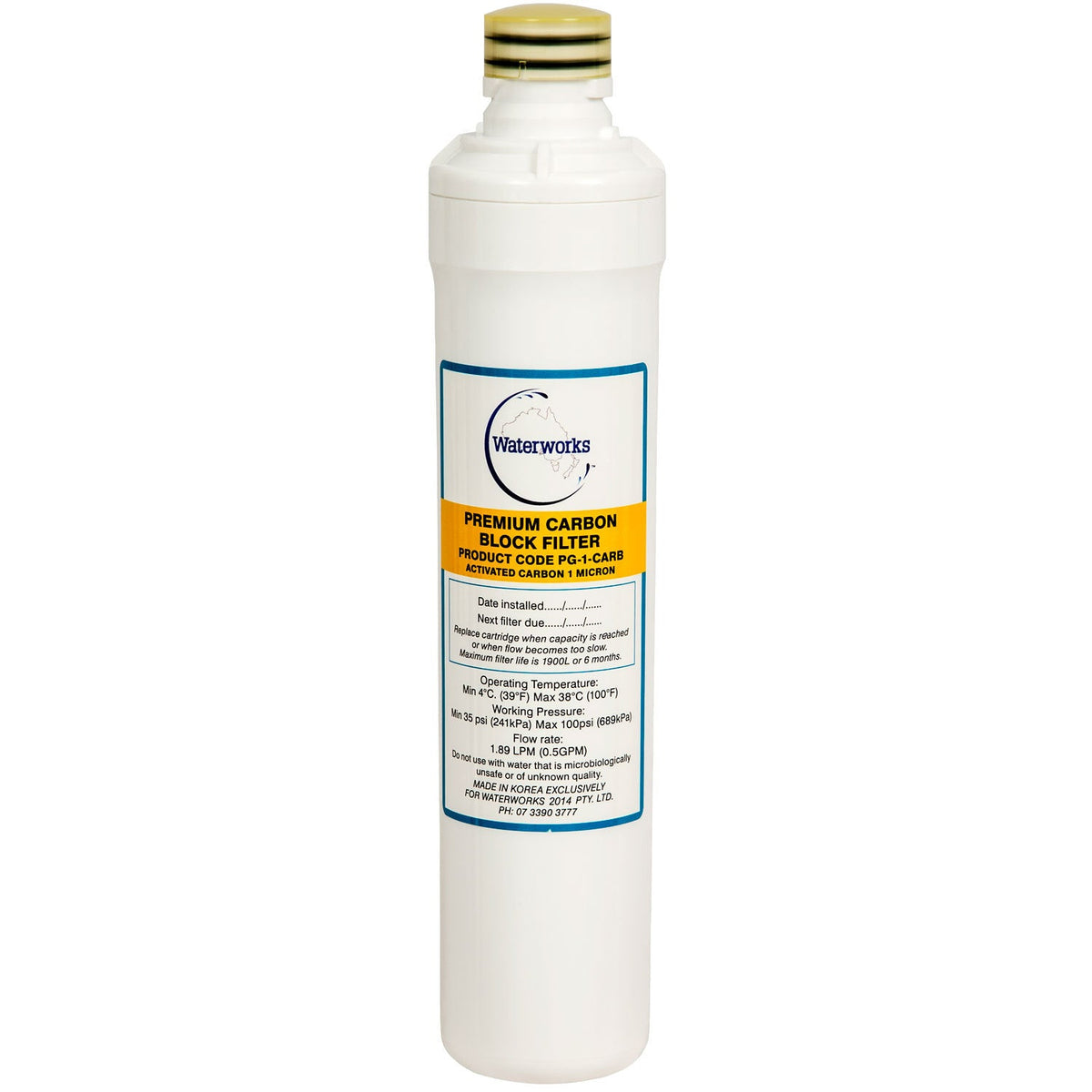
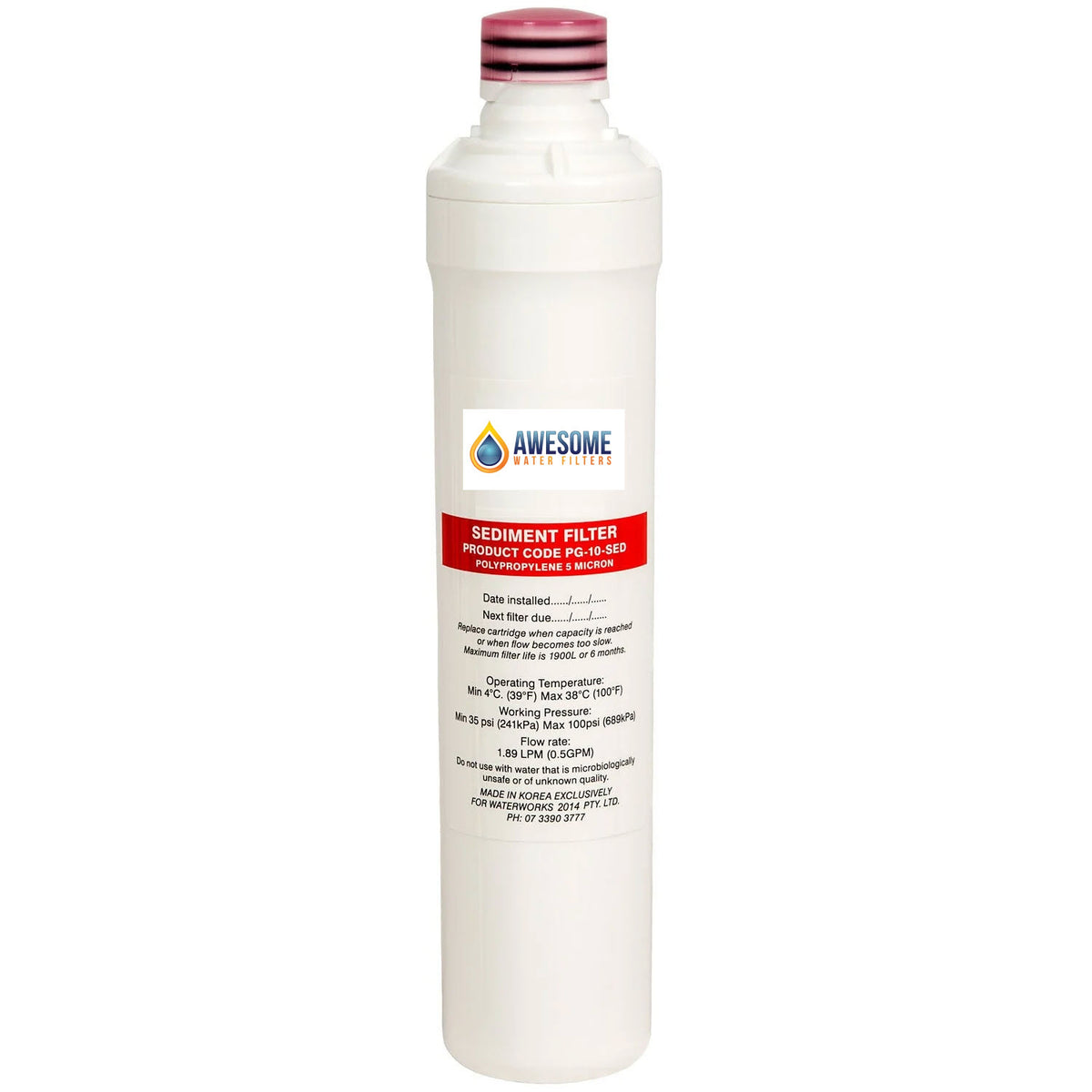
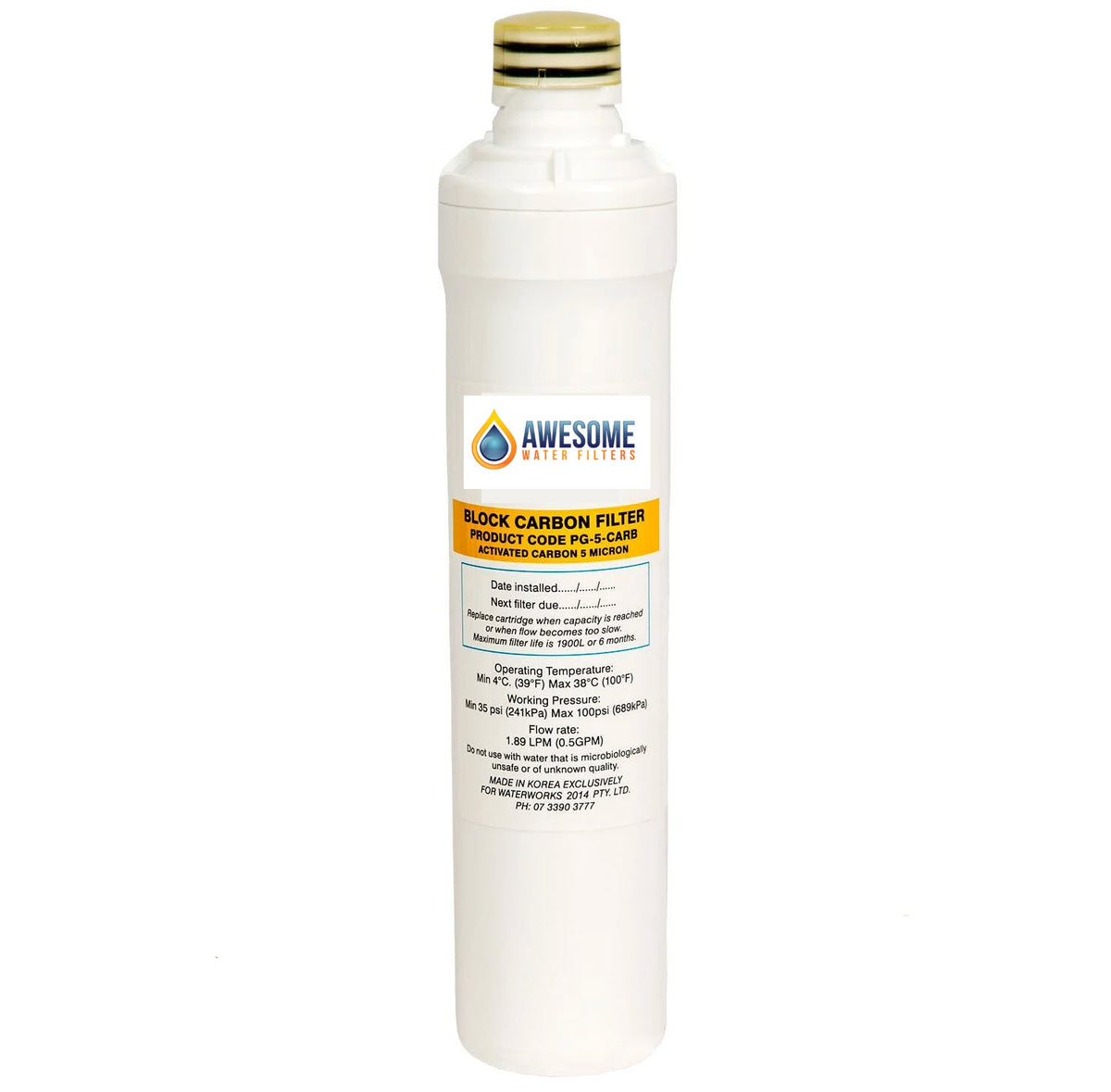
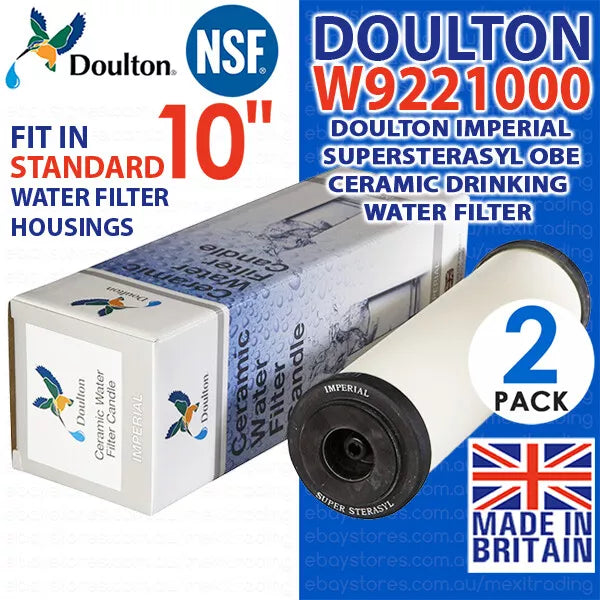
Premium Water Filter Cartridge Replacements

Need a replacement and don't want to guess? This collection is built to help you match replacement water filter cartridges by the details that matter: system type, cartridge size, micron rating and cartridge format. Use "Search by Keyword" and the filters to narrow down quickly — and if you're still unsure, send us a clear photo of your current cartridge label and housing so we can help confirm compatibility.

💧 Why You'll Love This Collection

  • Match the right fit faster: Filter by common sizes (10" and 20") and narrow by micron rating
  • Shop by your setup: Options across benchtop, under-sink, whole house, and RO-style replacements
  • Less chance of ordering wrong: Use our simple 60-second checklist before you buy
  • Expert help when you need it: Send a photo of your label + housing and we'll confirm compatibility

Common Questions About Water Filter Cartridge Replacements

How often should I replace my water filter cartridge?

Replacement frequency depends on your cartridge type and water usage. Here's a quick reference:

  • Sediment filters: 3–6 months (depends on local water quality and usage)
  • Carbon block cartridges: 6–12 months
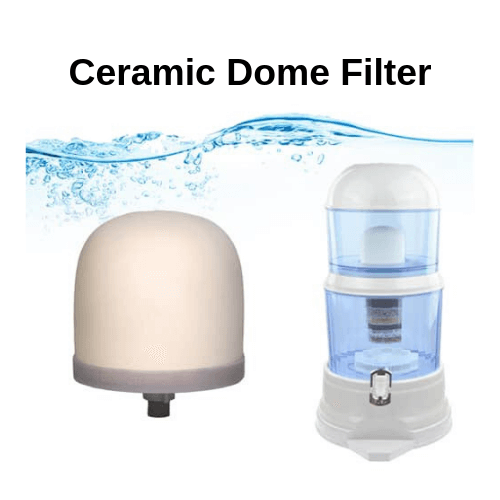
  • Ceramic cartridges: 12 months
  • Alkaline cartridges: 6–12 months
  • RO membranes: 12–24 months (heavily dependent on water quality)

Pro tip: Don't wait for obvious signs of failure. Follow the schedule above for your cartridge type. Check the lifespan table below for full details on all filter types.


How do I know when it's time to replace my water filter cartridge?

Watch for these five warning signs:

  • Slower water flow: The most common sign. Sediment buildup restricts flow, especially in pre-filters and benchtop systems. If your system drips slower than usual, it's time.
  • Taste or odour changes: Carbon cartridges remove chlorine and odours. When you start noticing tap water taste again, the carbon is exhausted.
  • Visible discolouration or debris: If you can see brown, black, or coloured sediment in or around the cartridge, it's saturated and needs replacing.
  • Time since last change: Even if water quality seems fine, replace on schedule. Cartridges can fail silently, especially for bacterial protection.
  • Cloudy water or visible particles: If your filtered water looks cloudy or contains visible particles, a cartridge may have failed. Replace immediately.

For step-by-step replacement instructions, see our replacement guide: How to Replace a Water Filter Cartridge.


What size cartridge do I need for my system?

Follow this simple 60-second process to find your match:

  1. Read your current label: Note the series/stage name and any part number shown.
  2. Confirm the size: Use the on-page filters to match your current cartridge length/diameter. Common sizes include 10" x 2.5", 10" x 4.5", and 20" x 2.5".
  3. Choose the right "job": Match sediment vs carbon vs other media, plus the micron rating (if applicable).
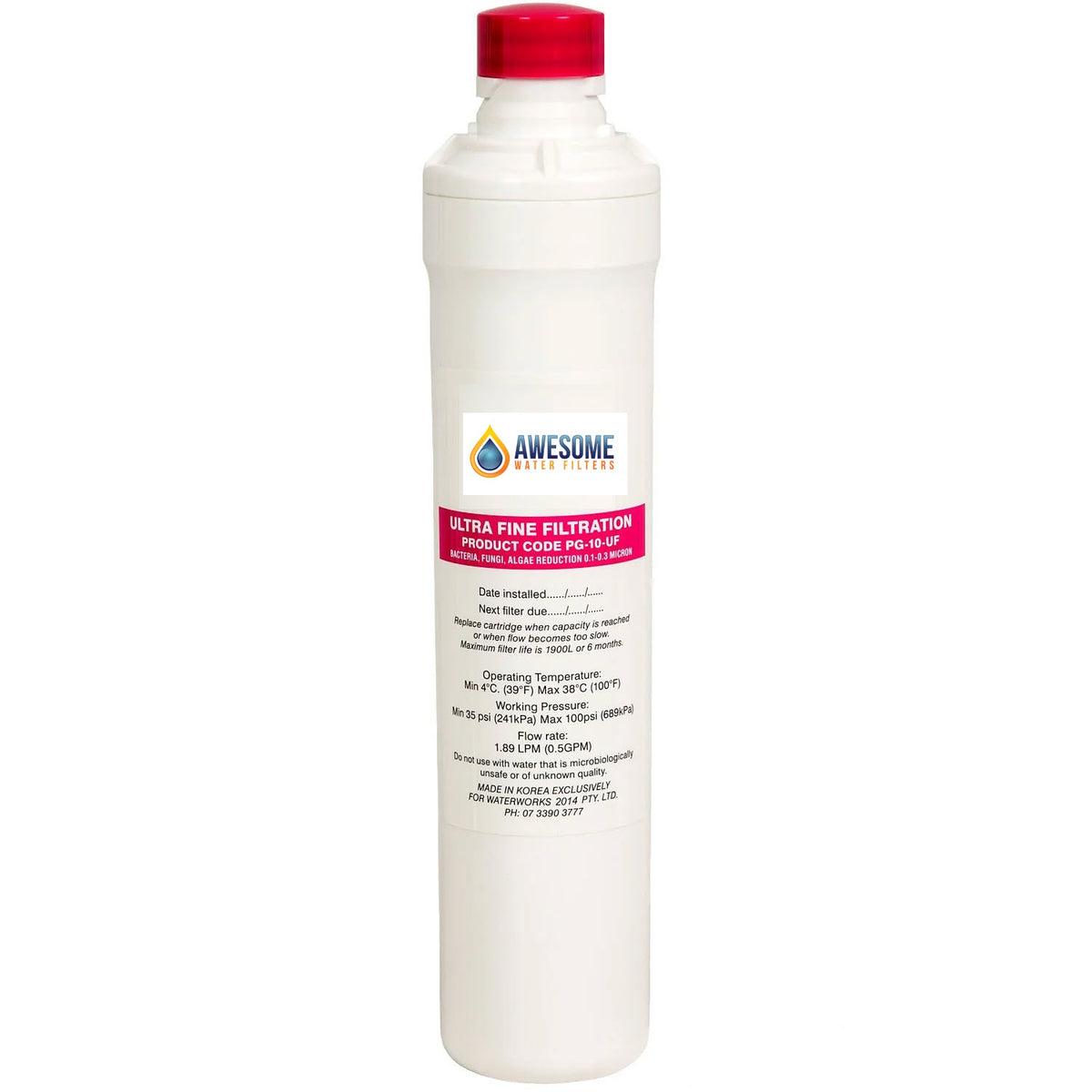
  4. Check the format: Standard housing cartridges differ from other styles — confirm what your system takes before ordering.

Still unsure? Contact our team with a photo of your label and housing and we'll help you find the perfect match.


Can I use a different brand cartridge in my system?

Yes, if it matches your system type, size, and flow rate. Always confirm:

  • Cartridge length and diameter (e.g., 10" x 2.5") match your housing
  • Connection style is compatible (inline, swing-twist, dome, etc.)
  • Flow rate matches your system requirements
  • Micron rating and media type suit your filtration stage

When in doubt, check your system manual or contact us with a photo of your housing to confirm compatibility before ordering.


Do I need to replace all filter stages at once?

No. Each stage has its own lifespan, so replace them independently:

  • Sediment stages: 3–6 months (may need more frequent replacement depending on water quality)
  • Carbon stages: 6–12 months (follow your system manual)
  • Specialty media (alkaline, KDF): 6–12 months (check product page)
  • RO membranes: 12–24 months (usually last longer than pre-filters)

Replace each stage on its own schedule based on the lifespan table and signs of saturation (slower flow, taste changes). This keeps your system running efficiently without unnecessary cost.

---

Types of Water Filter Cartridges & Their Uses

Below is a breakdown of different water filter cartridges, their applications, typical lifespan, and where they work best.

Filter Type Best for Filtration System Compatibility Typical Lifespan
Sediment Filter Cartridge Removes dirt, sand, rust, and particles Whole House, Benchtop, Undersink, RO Pre-Filters 3–6 months (depends on water quality)
Carbon Block Filter Cartridge Reduces chlorine, bad taste, and odours Whole House, Benchtop, Undersink, RO Systems 6–12 months
Granular Activated Carbon (GAC) Removes organic compounds, pesticides, and VOCs Whole House, Benchtop, Undersink, RO Systems 8–12 months
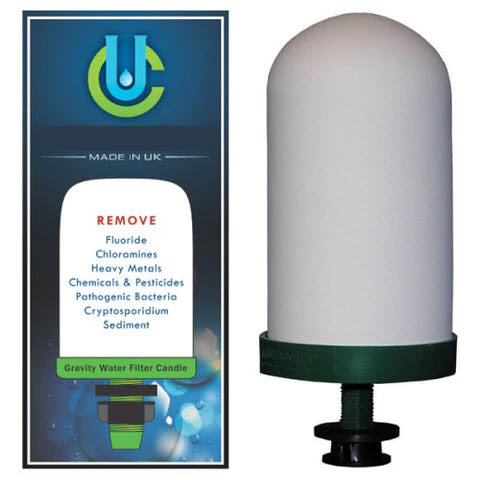
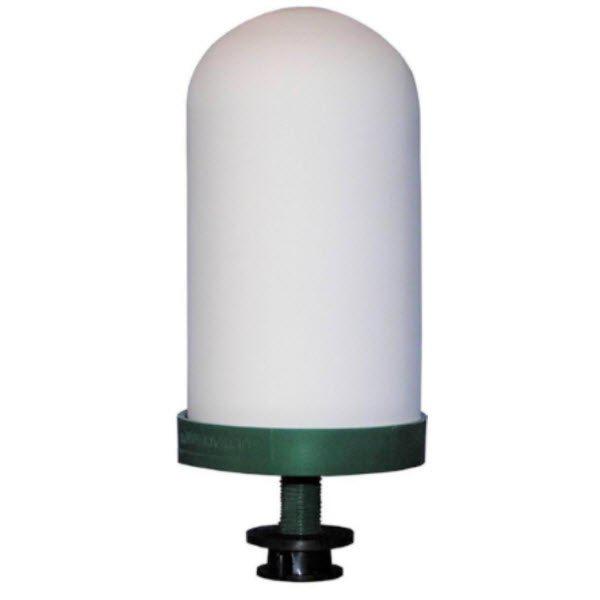
Ceramic Filter Cartridge Removes bacteria, pathogens, and viruses Benchtop, Undersink 12 months
Alkaline Filter Cartridge Enhances pH for healthier, alkaline water RO Systems, Benchtop 6–12 months
UV Filter Cartridge Kills bacteria, viruses, and parasites Whole House, Undersink 12 months (lamp lifespan)
Inline Water Filter Cartridge Improves taste and removes chlorine Refrigerators, Undersink, RO Systems 6 months
Reverse Osmosis (RO) Membrane Removes heavy metals, fluoride, salts, and dissolved solids RO Water Filtration Systems 12–24 months (depends on water quality)

How to Choose the Right Cartridge for Your Setup

The easiest way to find the right cartridge is to match your system type. Click below to expand your setup:

Benchtop Gravity-Fed Systems

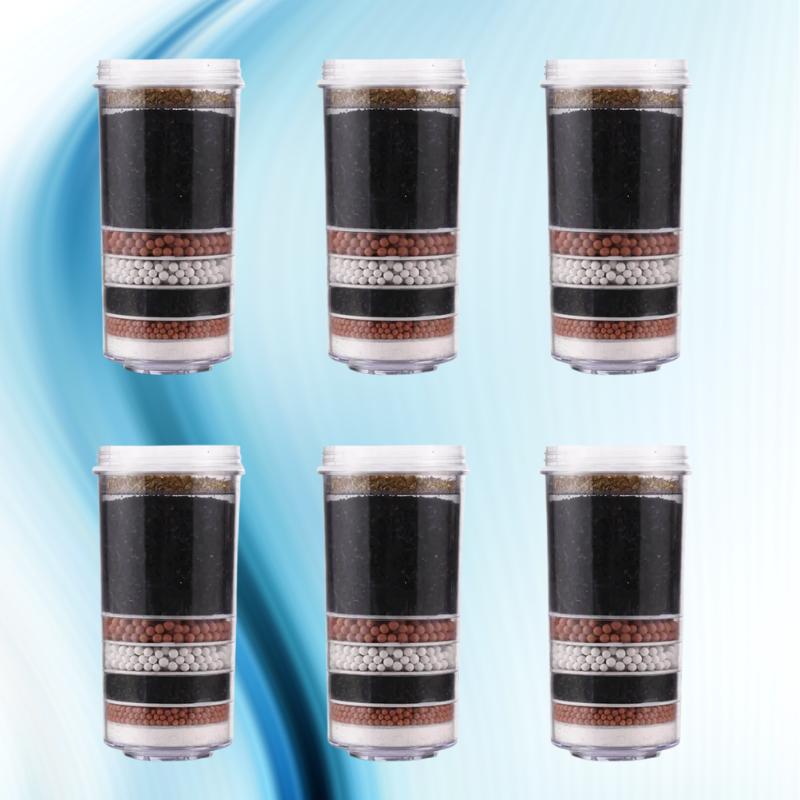
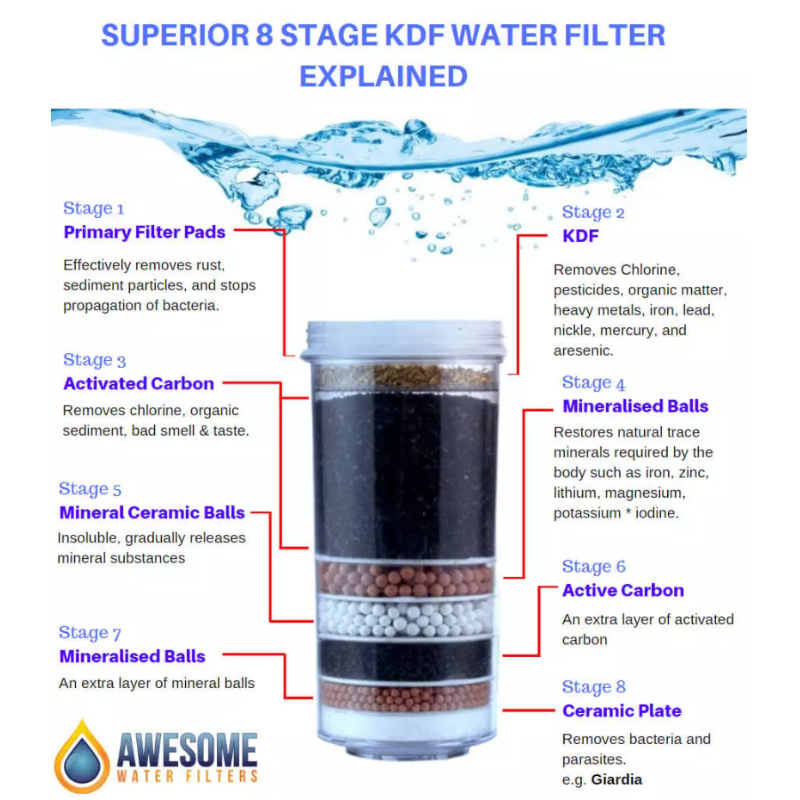
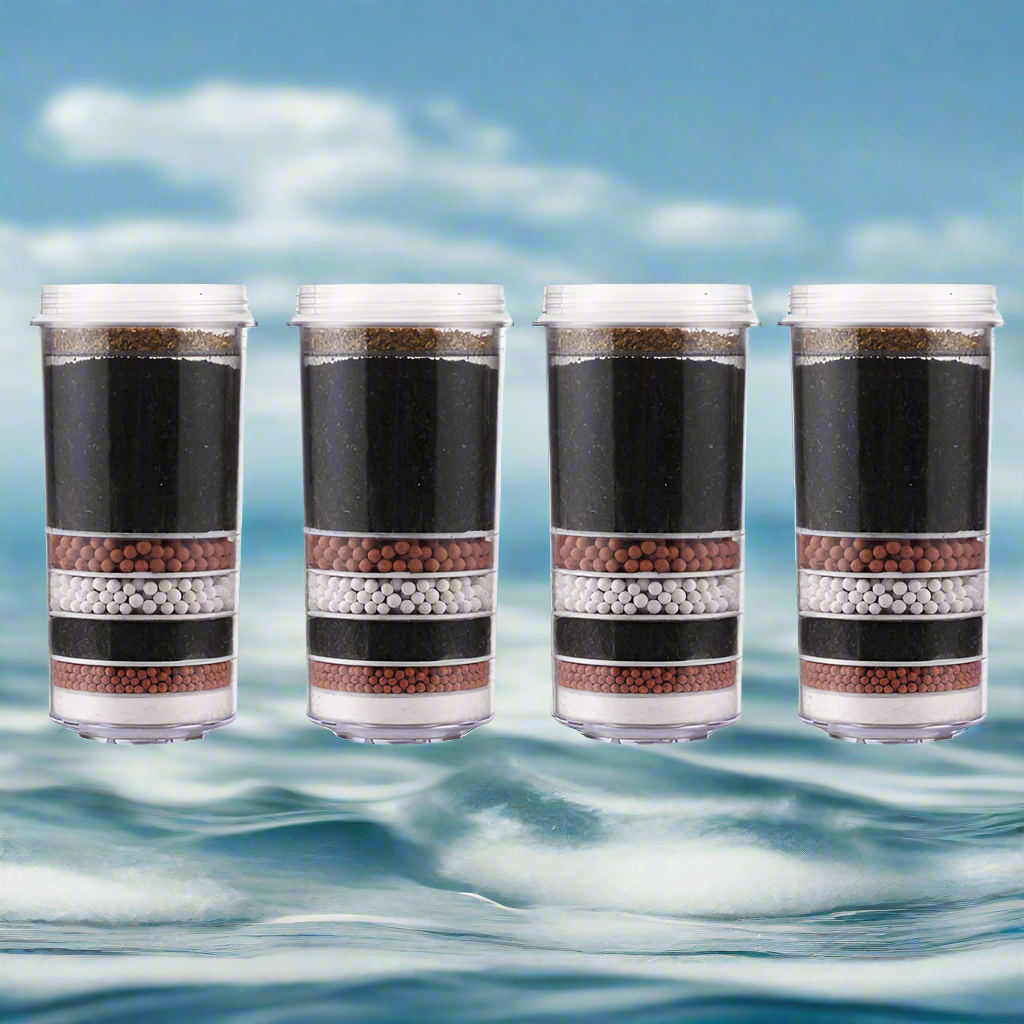
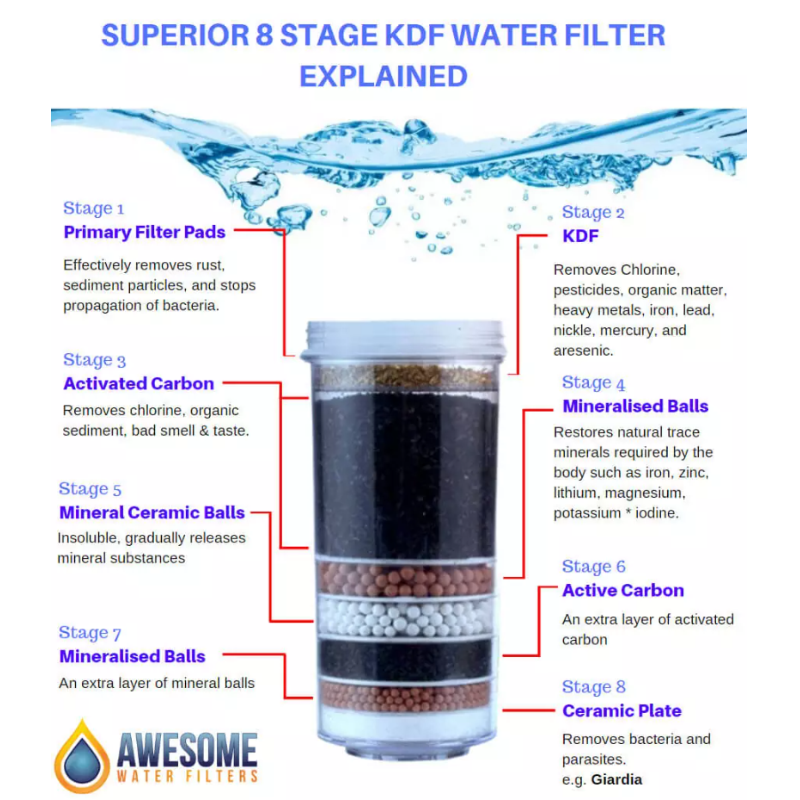
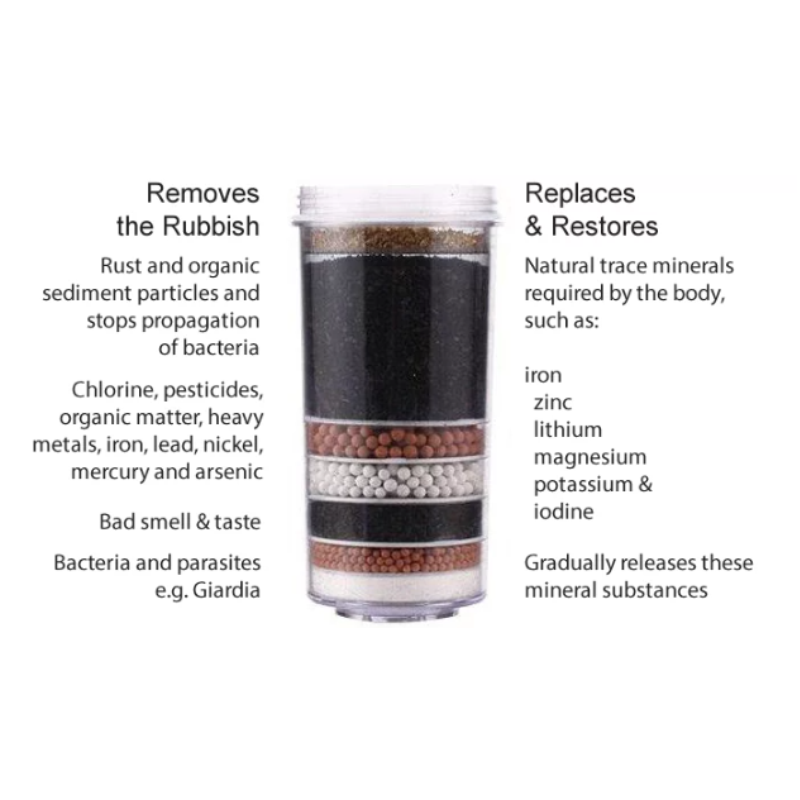
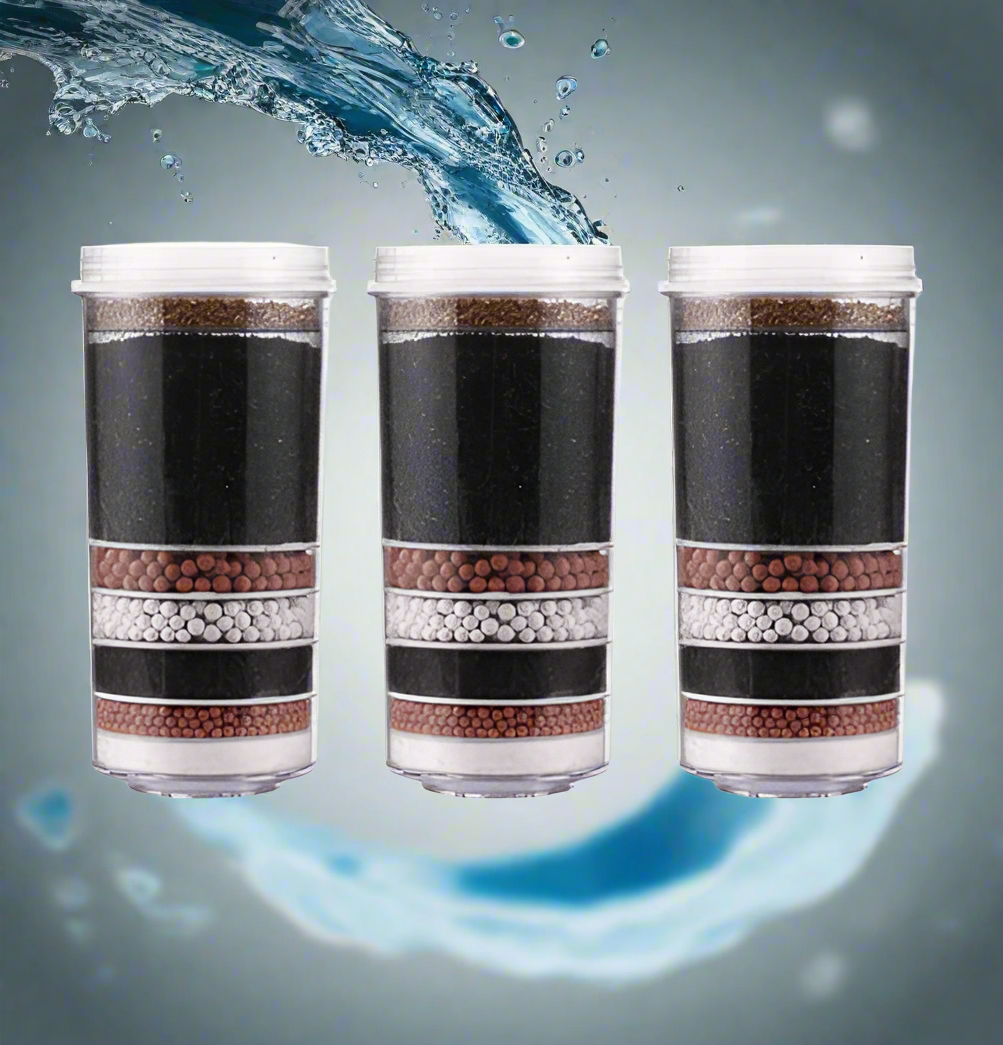
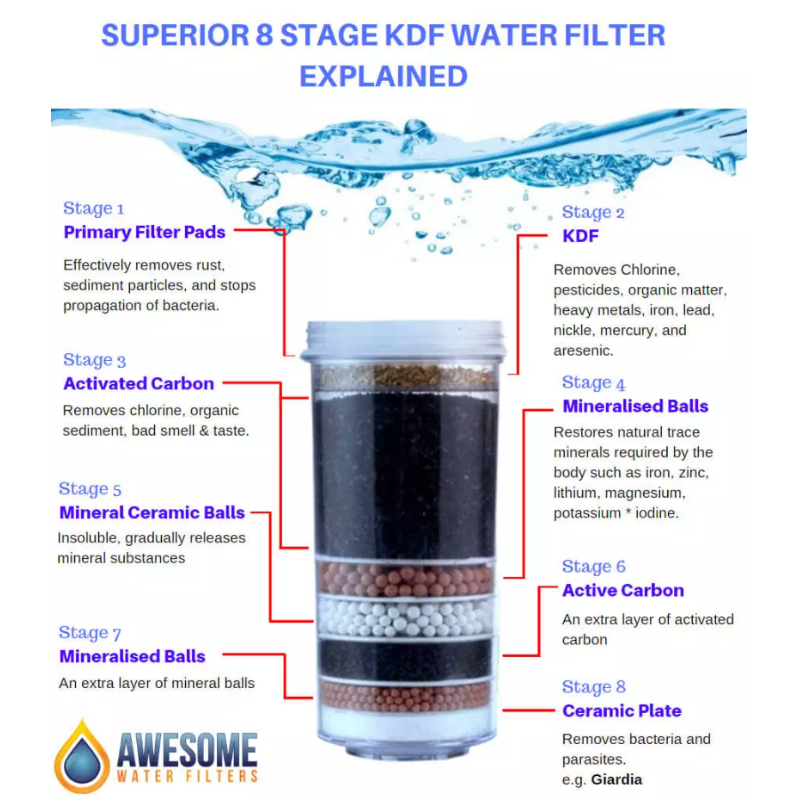
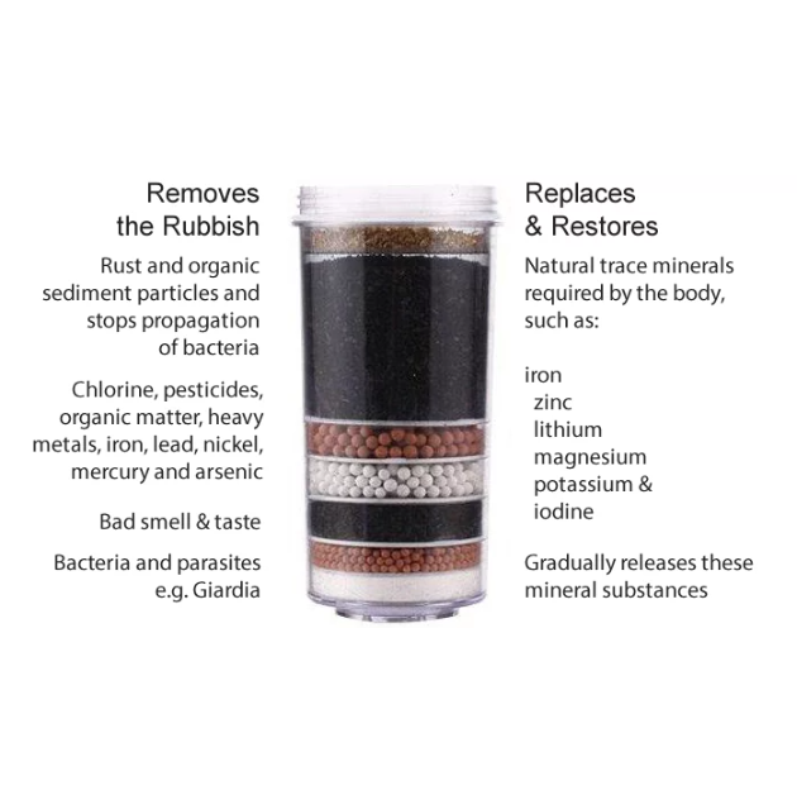
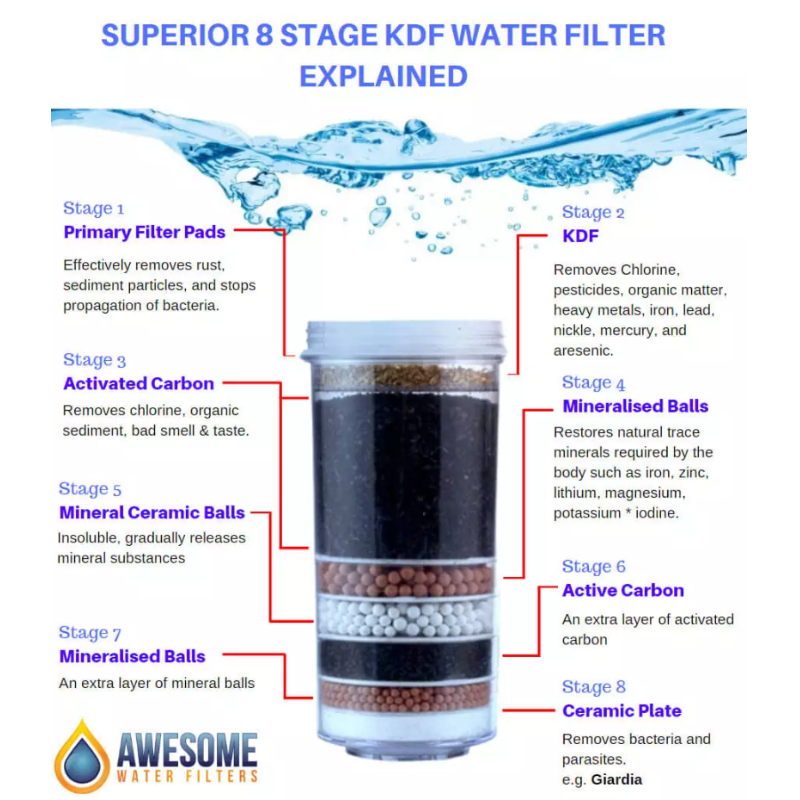
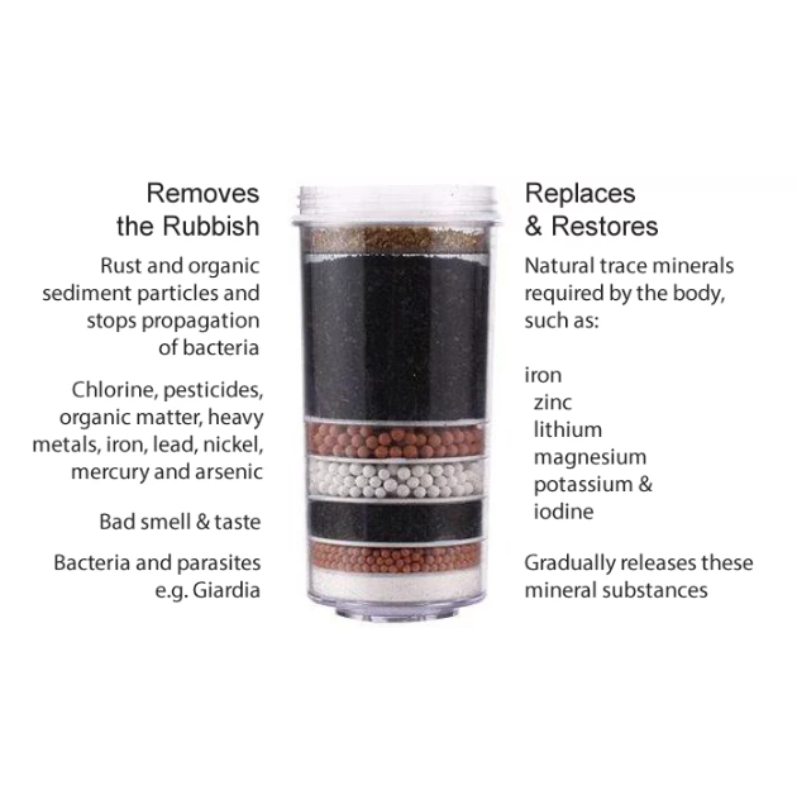
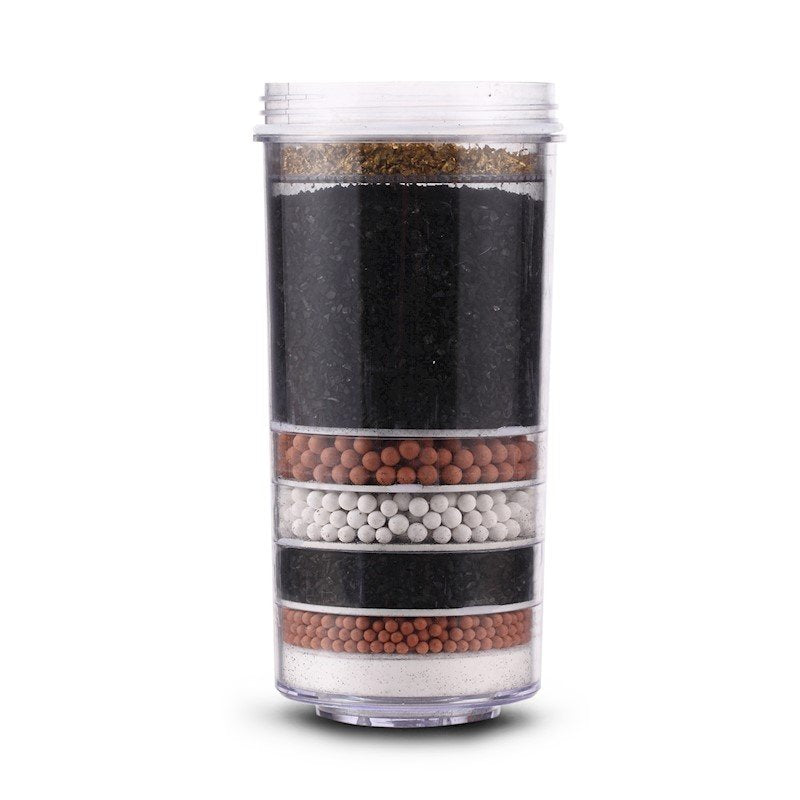
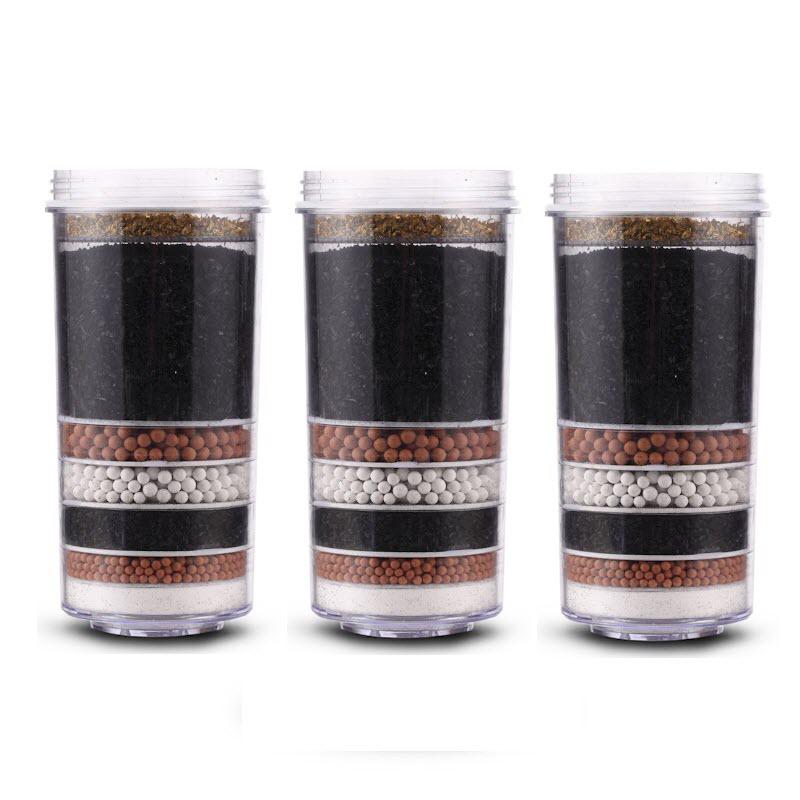
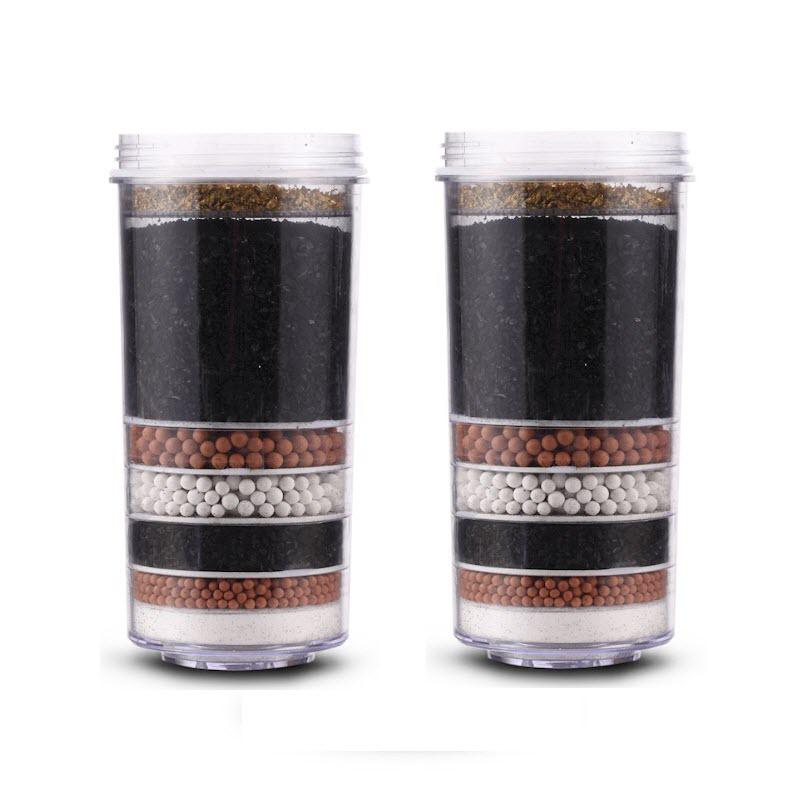
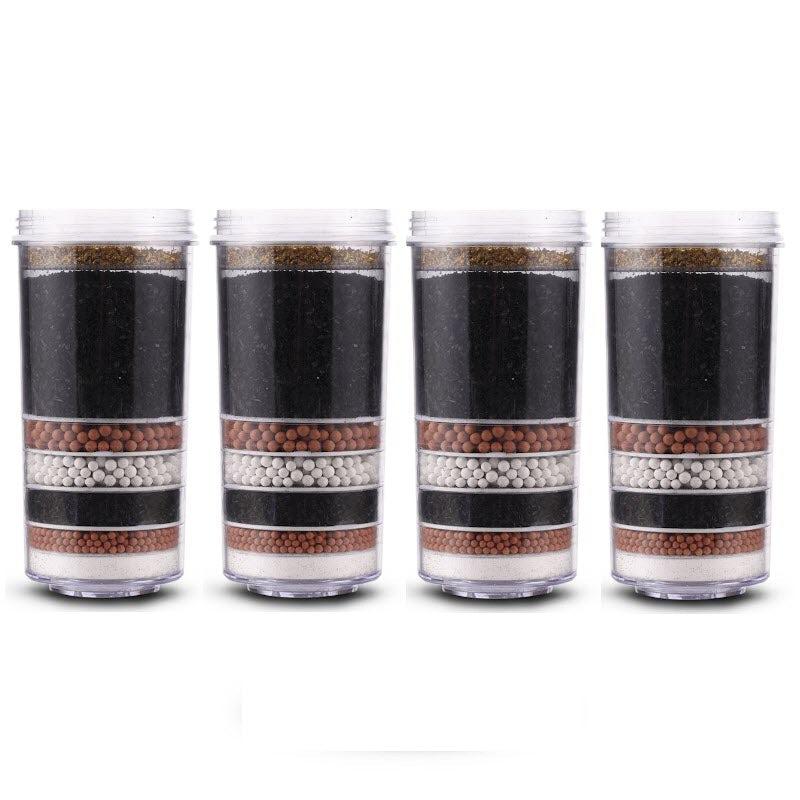
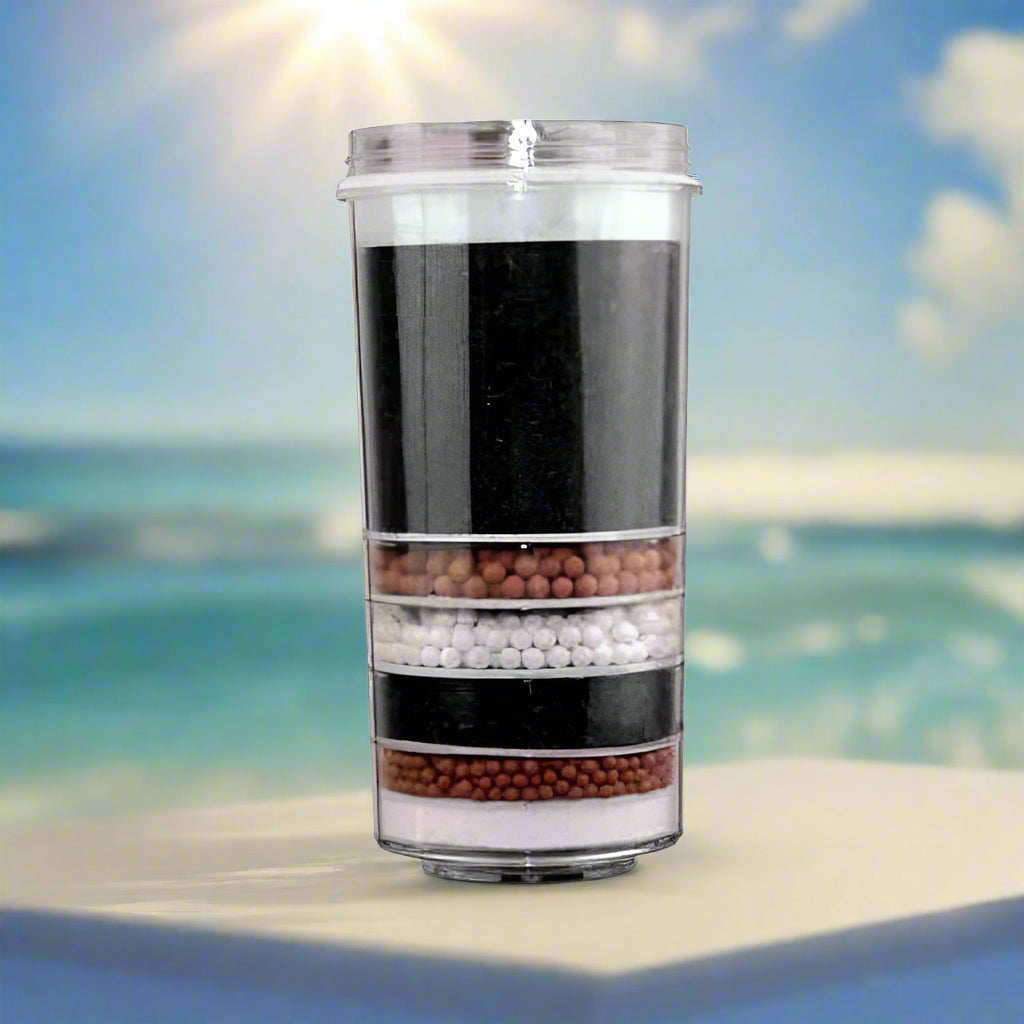
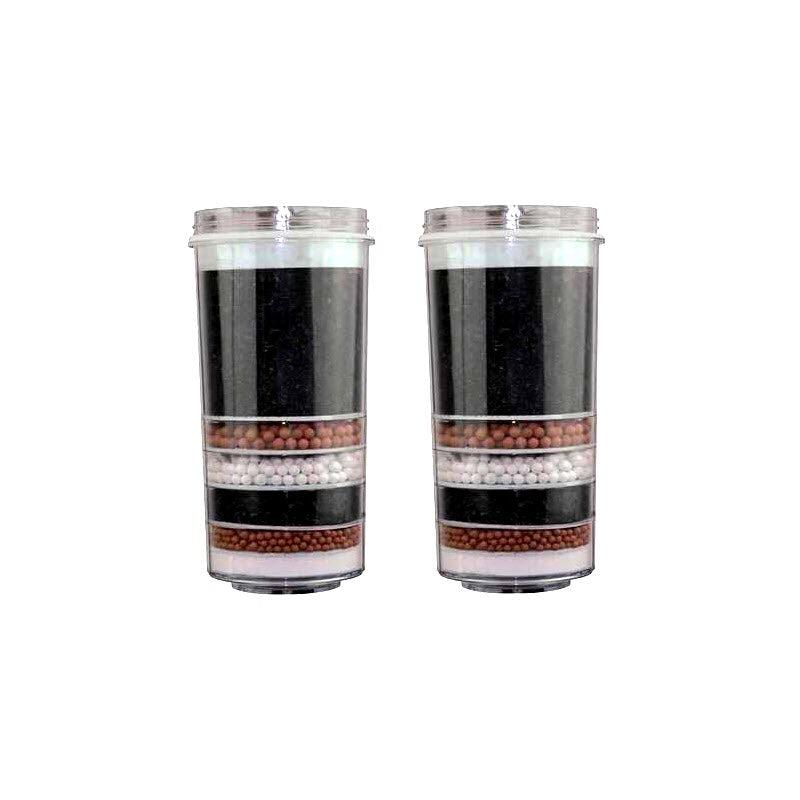
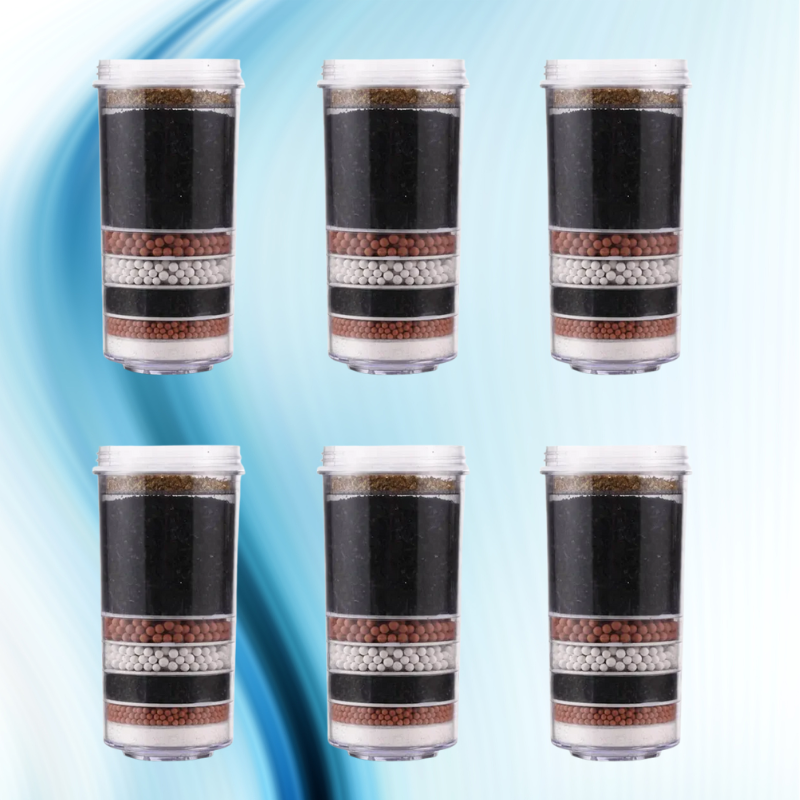
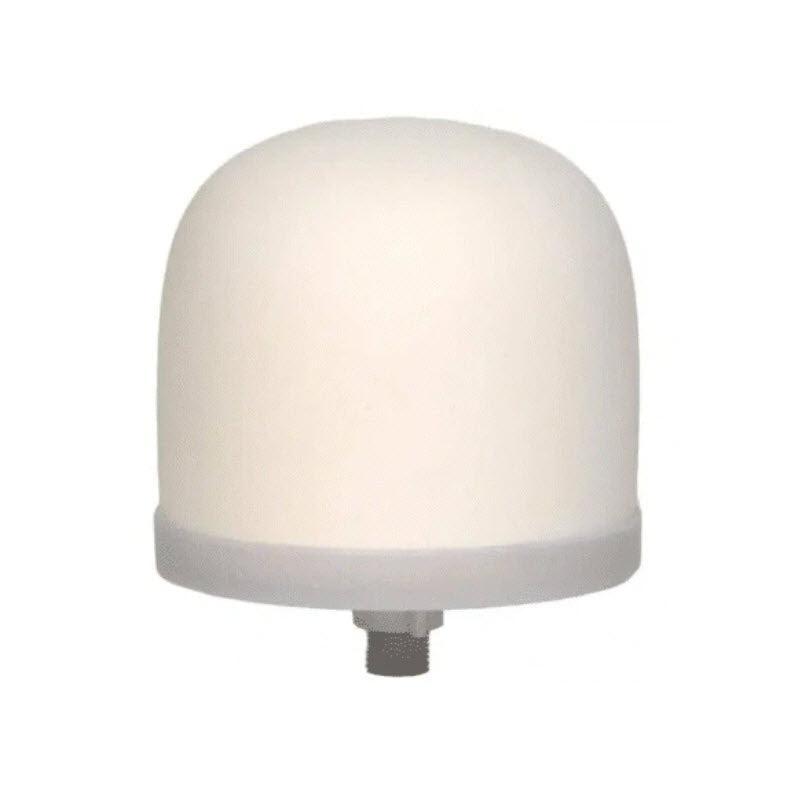
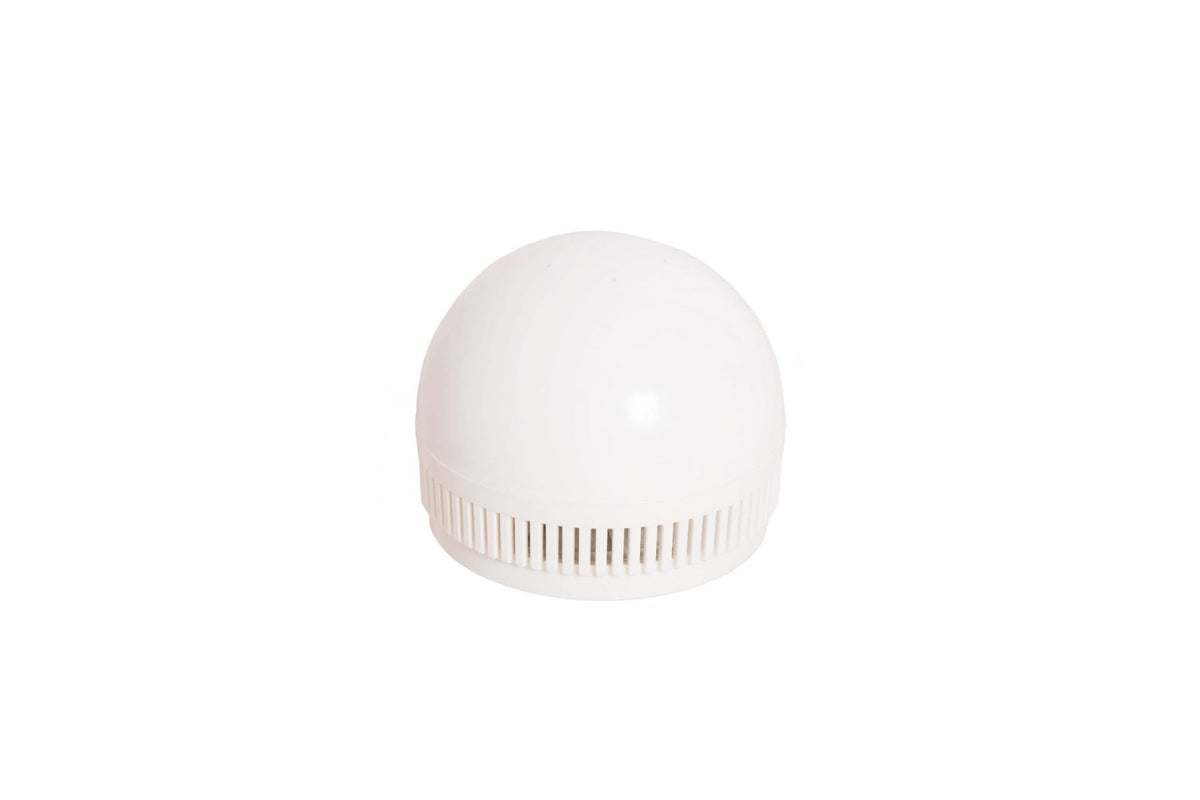
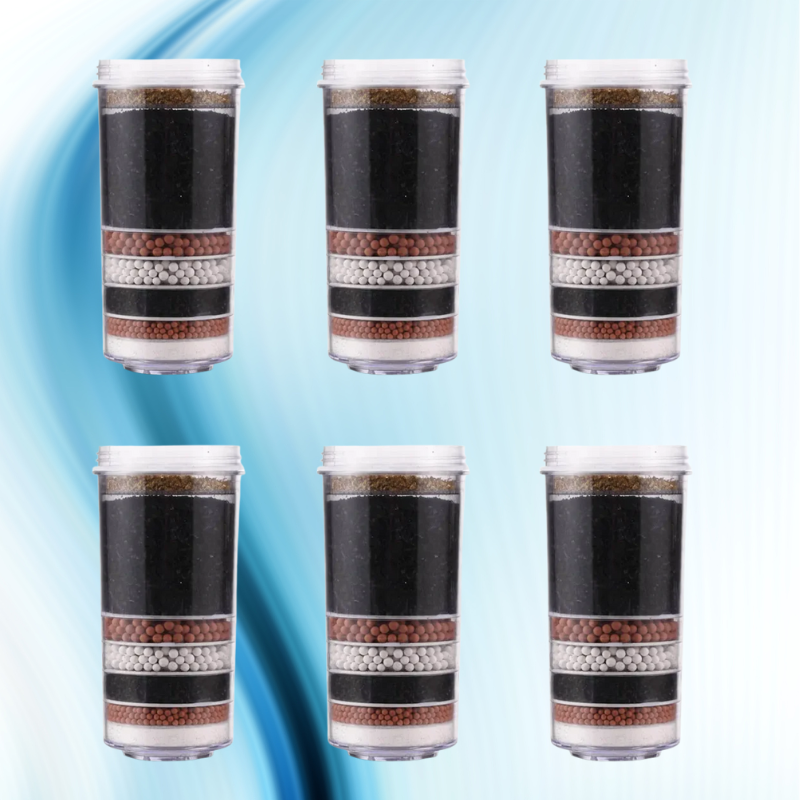
These systems sit on your kitchen counter and don't require plumbing. Look for benchtop-specific cartridges like ceramic domes or 8-stage gravity filters. Check the product page to confirm it fits your exact housing (plastic or ceramic, dome or cartridge-style). Multi-pack options are available for systems you use regularly.

Undersink & Plumbed-In Systems

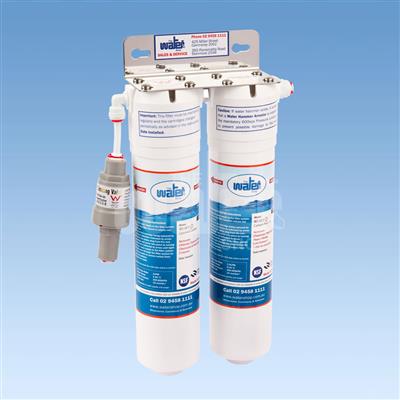
These mount under your sink or inline to your plumbing. You'll need inline cartridges (straight connections) or swing-twist cartridges (quarter-turn connections). These are sized for your specific housing (10" x 2.5", 10" x 4.5", 20" x 2.5"). Check your current cartridge label or take a photo of your system's housing to confirm the right fit.

Whole House Filters

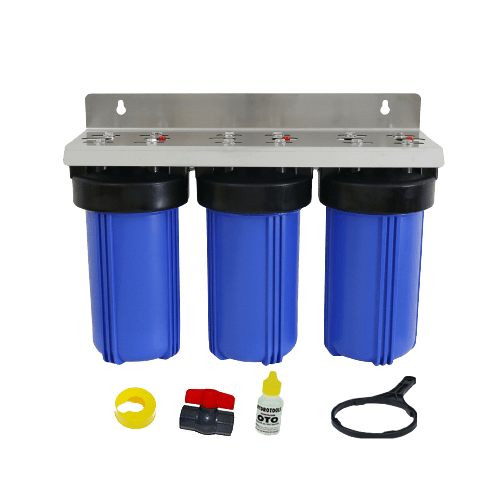
Whole house systems protect every tap in your home and typically use larger housings. You'll need multi-stage sediment and carbon cartridges. Common sizes are 10" and 20" housings. Always replace stages in the correct order: sediment (particle removal) first, then carbon (taste/odour), then specialty media (alkaline, KDF, etc.) if your system includes them.

Reverse Osmosis (RO) Systems

RO systems have multiple stages: pre-filters (sediment and carbon to protect the membrane), the RO membrane itself (removes dissolved solids), and optional post-filters (alkaline or carbon for remineralisation). Always replace in order and don't skip stages. The RO membrane is the most expensive part but lasts 12–24 months depending on water quality.

Common Micron Ratings Explained

Micron ratings measure how fine a filter's mesh is. Here's what common ratings mean and what they remove:

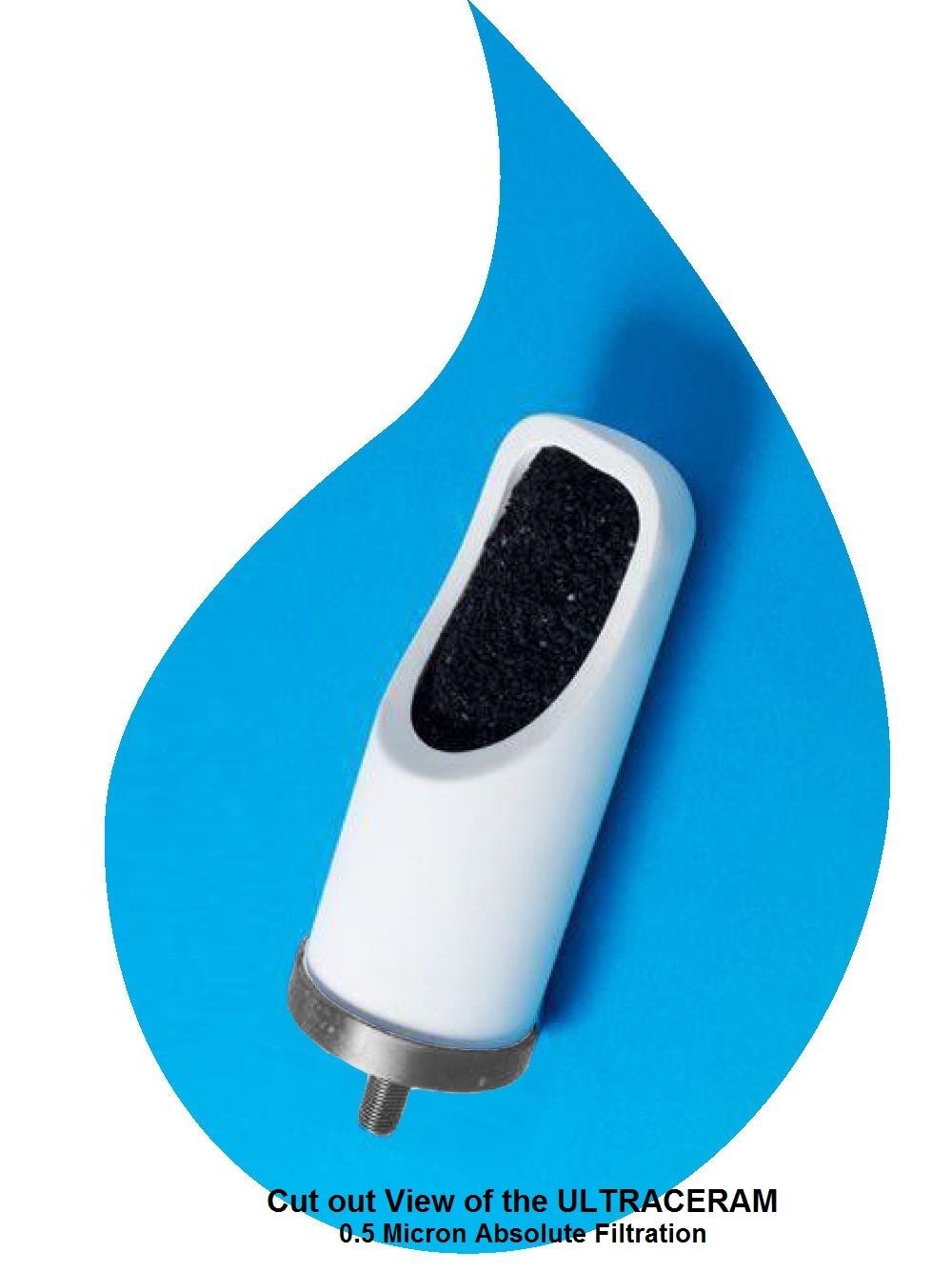
  • 0.5 micron: Removes bacteria, some viruses, and very fine particles. Used in ceramic domes and some carbon filters. Best for water safety and clarification.
  • 1 micron: Removes cysts (like Cryptosporidium), fine particles, and cloudiness. Common in carbon block and ceramic cartridges.
  • 5 micron: Removes sand, rust, sediment, and visible debris. Standard for pre-filters and whole-house stage 1. Protects downstream filters.
  • 20 micron: Removes larger debris and coarse sediment. Used at the inlet of whole-house systems and in first-stage pre-filters.

Rule of thumb: Lower micron rating = finer filtration, but slower flow rate. Whole-house systems typically layer coarse-to-fine: 20 micron (inlet) → 5 micron (sediment stage) → 1 micron (fine stage) → specialty media.

What You Get in This Collection

  • Replacement cartridges for benchtop, undersink, whole house, and RO filtration setups
  • Multi-pack options for regular users and bulk replacements
  • Compatible cartridges across sediment, carbon, ceramic, alkaline, and specialty media types
  • Accessories and spares that support cartridge replacement and maintenance

Learn More About Your System

Browse by system type or check our detailed guides:

Still unsure? Contact our team with a photo of your label and housing and we'll help you find the perfect match.

More FAQs About Water Filter Cartridges

What's the difference between sediment and carbon cartridges?

Sediment cartridges use fine mesh or spun polypropylene to capture particles like sand, dirt, and rust. They're chosen for particle removal. Carbon-style cartridges (block or granular) are commonly chosen for taste and odour improvement by absorbing chlorine and organic compounds. Always replace what your stage order requires for your exact system.

Are ceramic cartridges better than carbon?

They filter different things. Ceramic cartridges remove bacteria and pathogens; carbon cartridges remove taste, odour, and chlorine. Choose based on your water quality needs and system type. See the "Types of Water Filter Cartridges" table above for details on what each cartridge type does.

What's the difference between a pre-filter and a main filter?

A pre-filter (usually 5–20 micron sediment) comes first and protects downstream filters by removing larger particles and extending their life. The main filter (carbon, ceramic, or RO membrane) does the primary filtration work. In whole-house systems, sediment comes first (pre-filter), then carbon (main), then specialty media. In RO systems, sediment and carbon pre-filters protect the expensive RO membrane.

How do I know which replacement cartridge fits my system?

Match the label/part number (if available), the cartridge size (length × diameter), and the cartridge format/connection style (inline, swing-twist, dome, etc.). If you're unsure, send a clear photo of the label and housing via our contact page: Get Help with Cartridge Selection and we'll help you narrow it down in a few hours.

With Trusted Brands

We provide NSF-certified filter cartridges from trusted brands like Omnipure, Doulton Ultracarb, and Awesome Water Filters, ensuring the best water purification and compatibility across systems.

Australian Water Quality Standards

For neutral information on how drinking water quality is managed in Australia, refer to the Australian Drinking Water Guidelines (NHMRC) or Water Quality Australia – Drinking Water Guidelines.

Trust & Support

We offer secure checkout, Australian customer support, and expert help with replacement matching. Have more questions? Visit our complete FAQ page: Awesome Water Filters FAQ.

If you're uncertain about compatibility, contact us before ordering — photos of the label and housing help prevent incorrect purchases. For delivery, returns, and warranty details, refer to our shipping, returns, and warranty policy.

Last revised: June 2026


```html
```